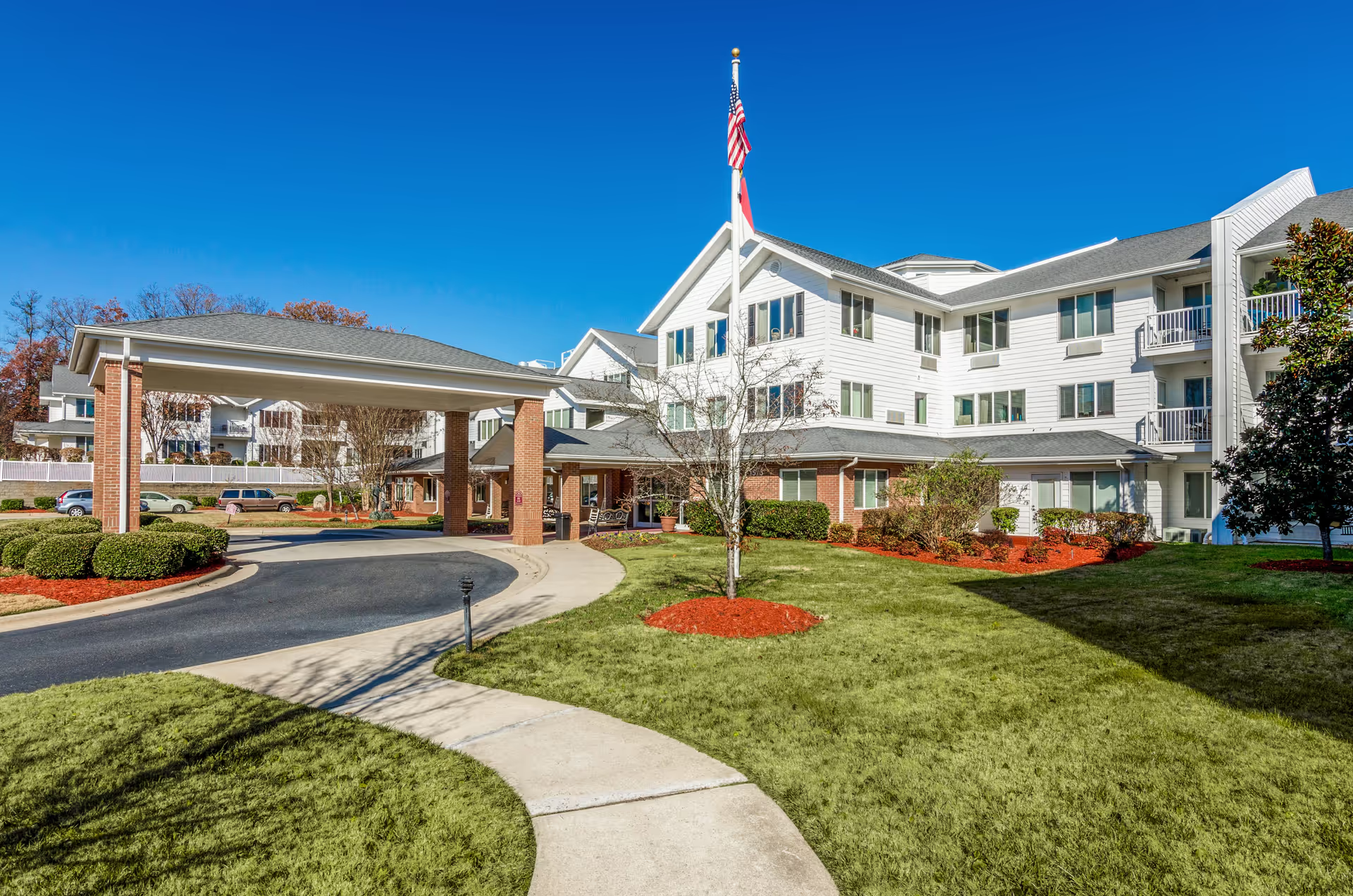
Carolina Estates presents as an independent‑living community with a strong emphasis on hospitality, social programming, and on‑site supportive services. Families frequently praise the staff for being friendly, knowledgeable and long‑tenured; live‑in managers, hands‑on administrators and an attentive therapy team (PT/OT and in‑home health options) are recurring positives. The community offers three meals per day with table service, an onsite chef in many accounts, an on‑site salon, chapel, library and a wide array of communal spaces that contribute to a hotel‑like, engaged atmosphere.
Dining and activities are clear strengths for residents who prioritize food service and programming. Reviews describe abundant activities (exercise classes, Tai Chi, bingo, bridge, crafts, church services, off‑campus field trips and shuttle service to appointments and errands) and a social culture that many residents and families call vibrant. At the same time, reviewers indicate variability in dining quality and menu rotation—some praise the chef and desserts while others note occasional blandness and repetitive items—so prospective residents should sample meals and ask about current menus.
Care quality and clinical offerings are mixed in perception. The presence of on‑site therapy, in‑home health options and hospice coordination are important assets, and emergency responsiveness is frequently highlighted. However, the community is primarily positioned as independent living rather than a full assisted‑ or memory‑care continuum; families expressed concern about transitions if higher‑acuity care becomes necessary. Several accounts also raise safety considerations tied to falls and transfer events, suggesting families verify fall‑prevention protocols, staffing levels for assistance, and the scope of in‑house clinical oversight.
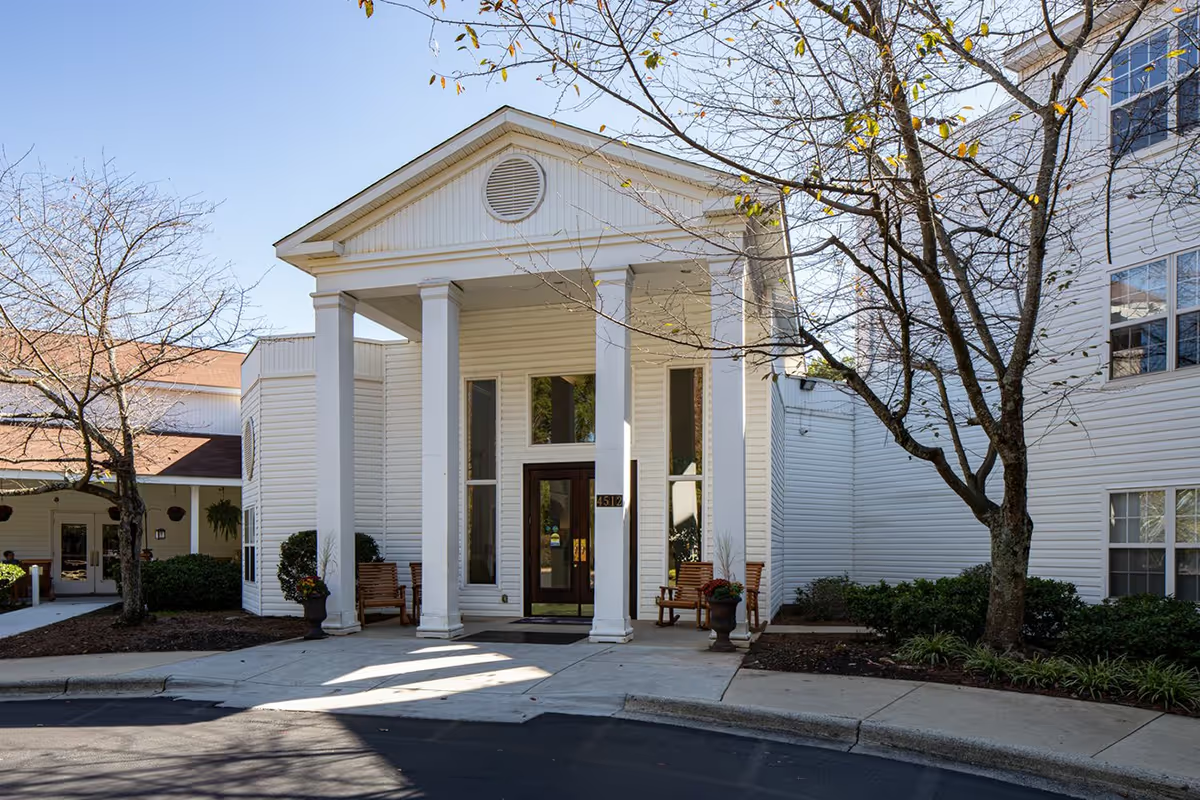
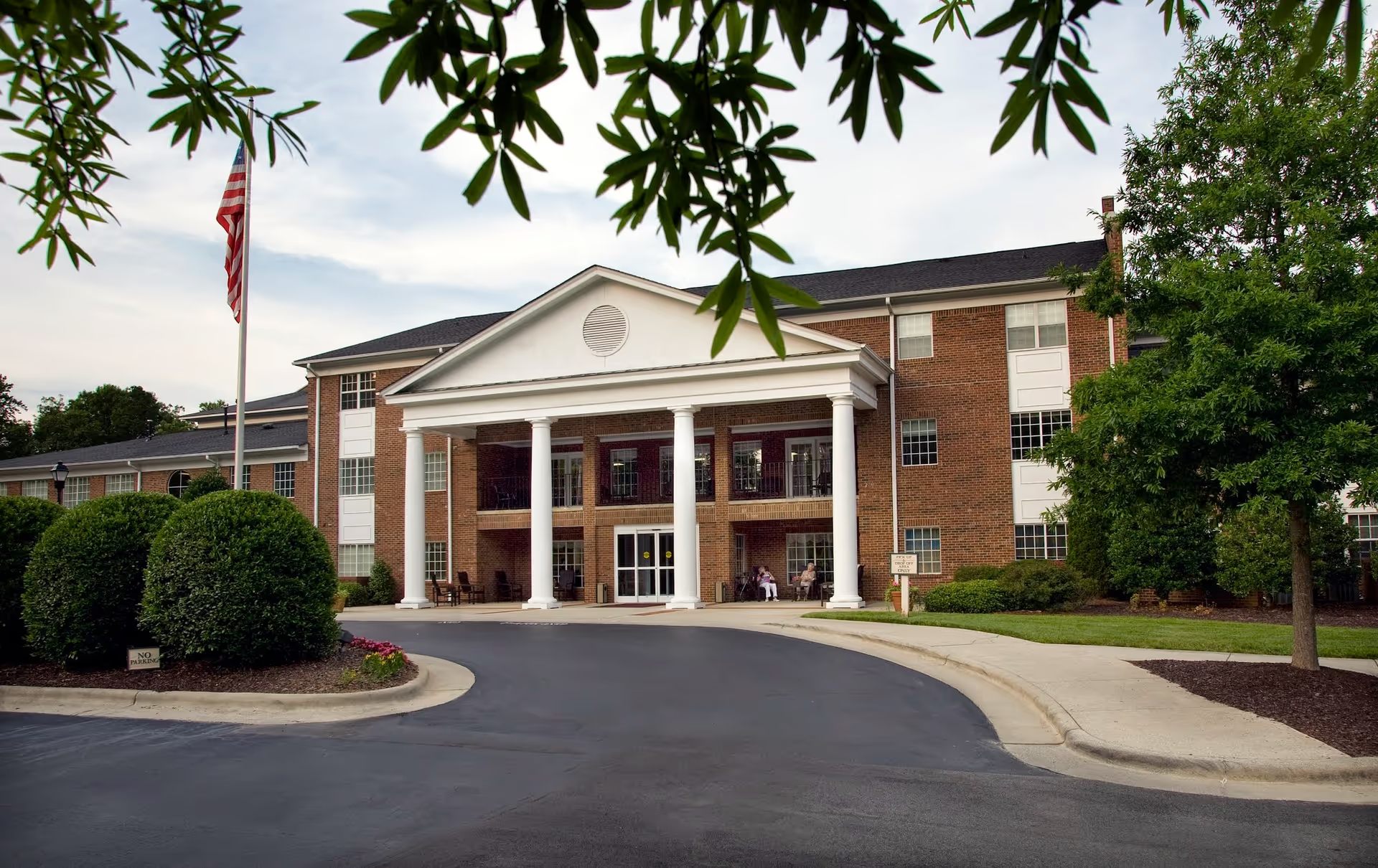
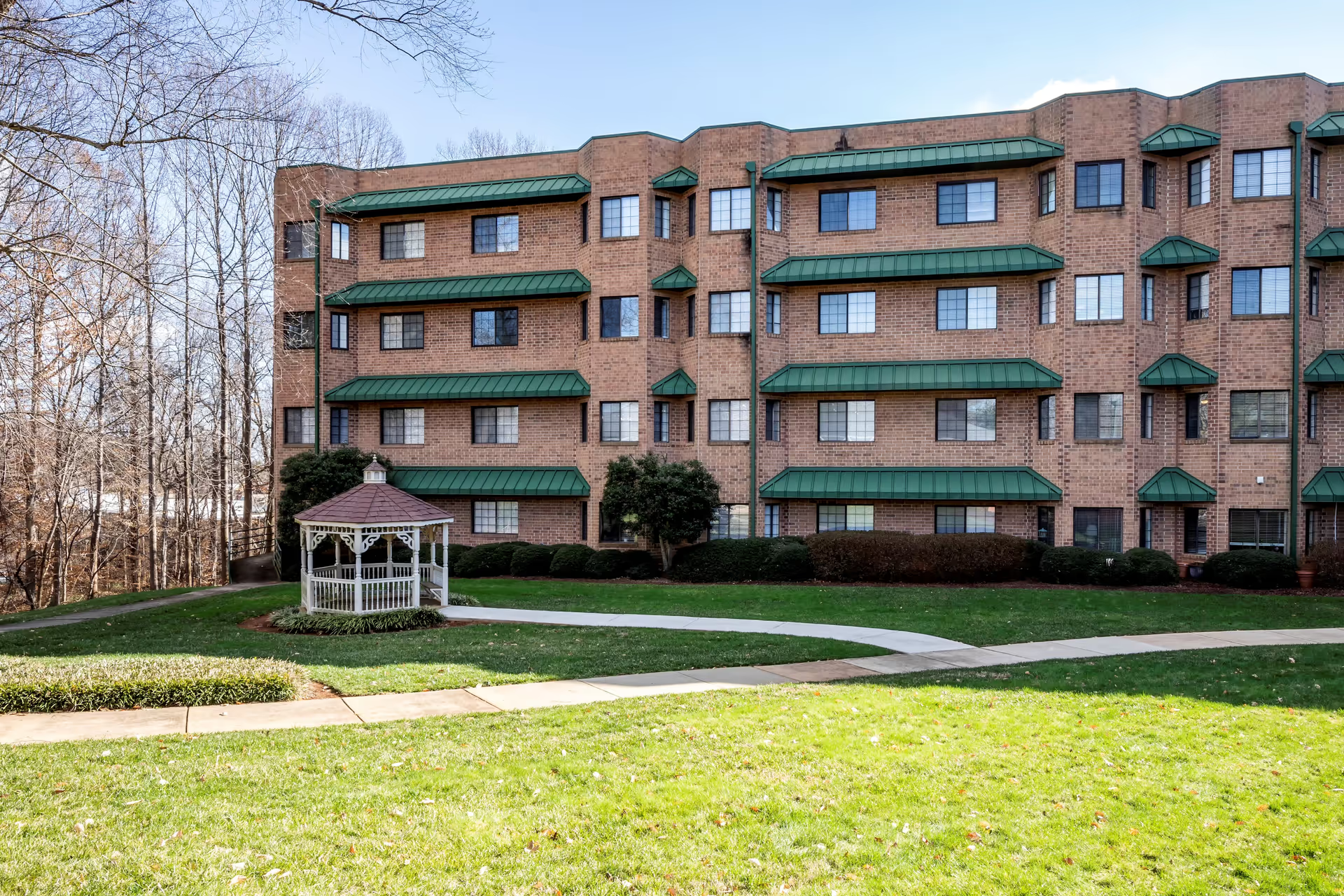
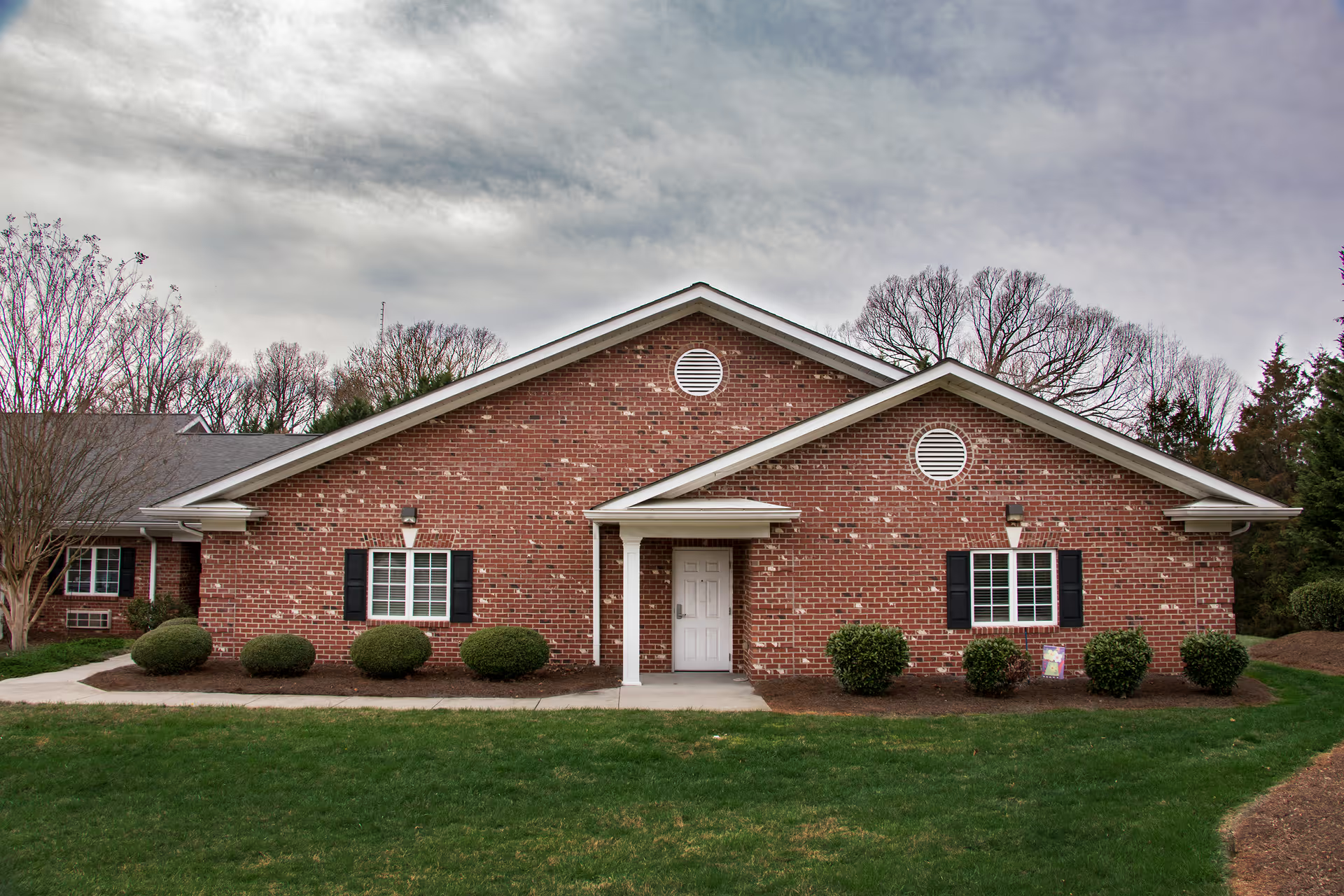
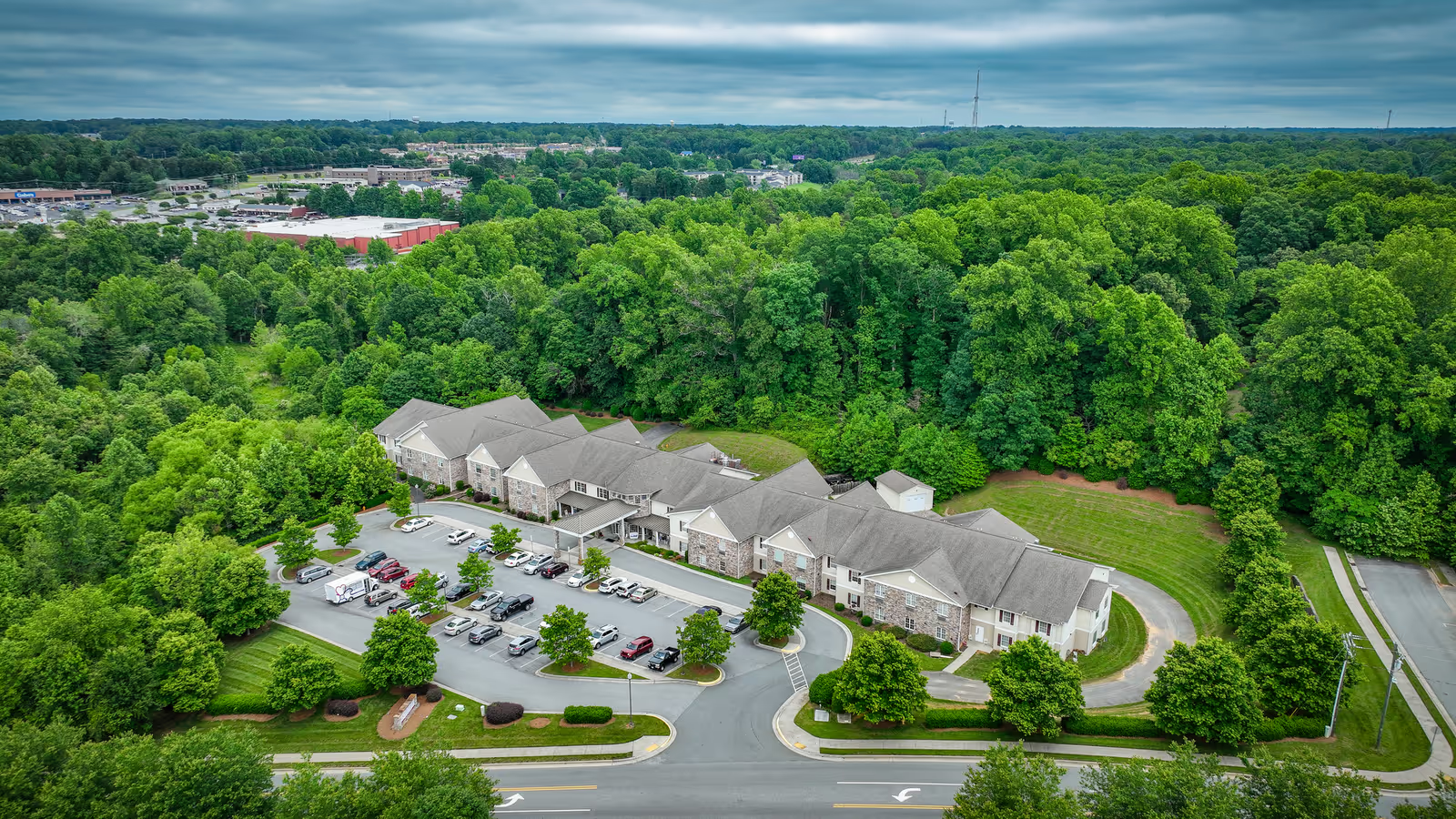
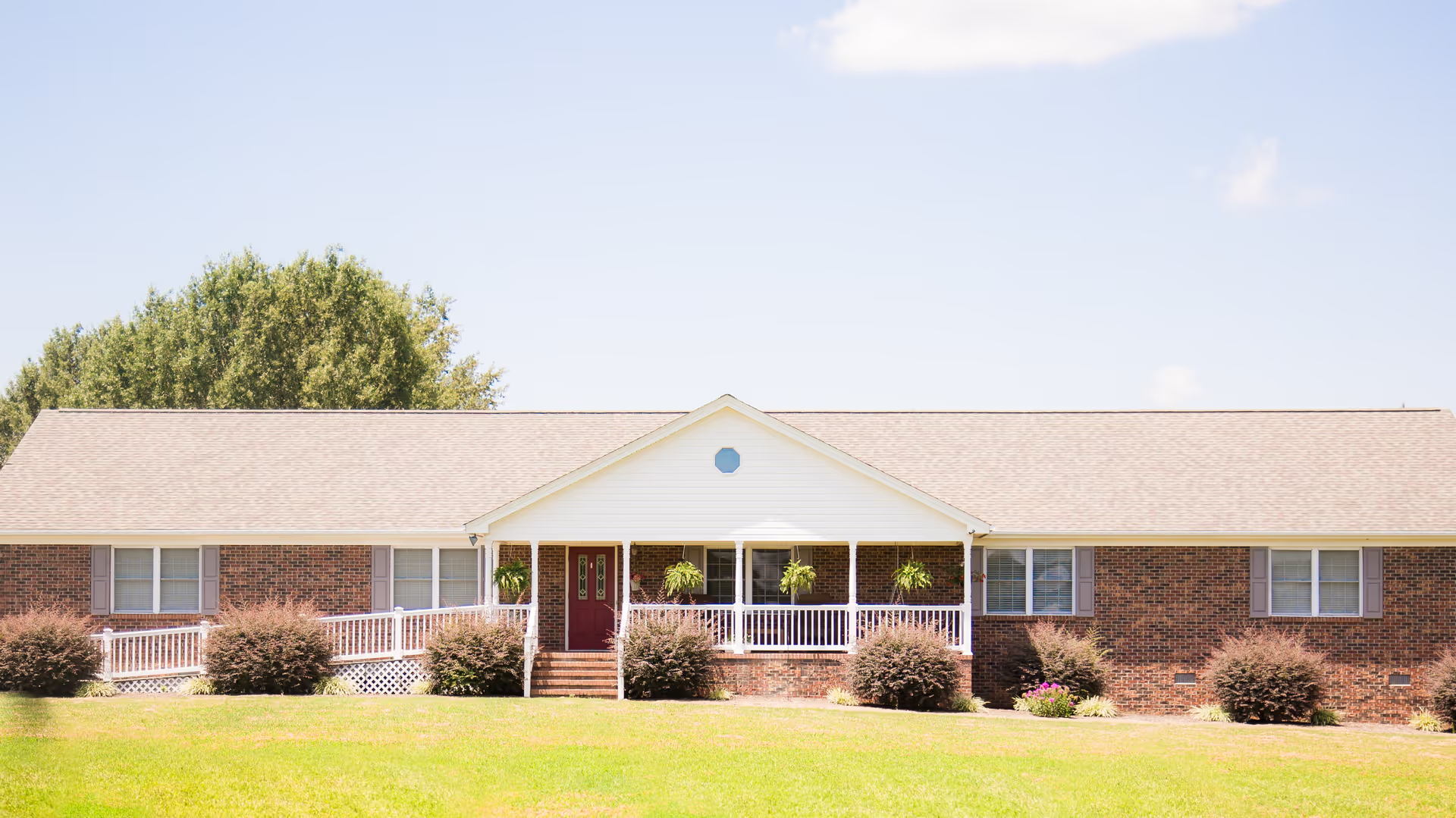
Operational and facility observations show a generally well‑kept campus with attractive landscaping and clean common areas, but with noteworthy inconsistencies at the unit level. Some units and vents were described as needing deeper cleaning or updates, and there are isolated pest‑control and maintenance concerns. Laundry services and the absence of in‑unit washers/dryers were a recurring inconvenience for some, and visitor parking availability and wheelchair accessibility were cited as limitations in particular areas of the property.
Management and communication receive both praise and criticism. Many reviewers commend responsive, compassionate managers and staff who make residents feel valued; others describe uneven experiences with scheduling, callbacks, deposit explanations and the demeanor of particular managers. This mix points to variability in staff training or supervisory consistency rather than a single uniform operational model.
Bottom line: Carolina Estates is likely to be a good fit for older adults seeking an active, socially engaging independent‑living setting with robust dining, activities and available therapy services. Prospective residents and families who have mobility limitations, require consistent assisted‑living services, or place high priority on uninterrupted housekeeping and unit‑level maintenance should perform targeted due diligence. Recommended questions during a tour include current menu rotation and meal sampling, fall‑prevention and transfer protocols, the formal pathway for escalating to higher levels of care, housekeeping and pest‑control procedures, parking/visitor access, and specific staff‑training and communication policies.