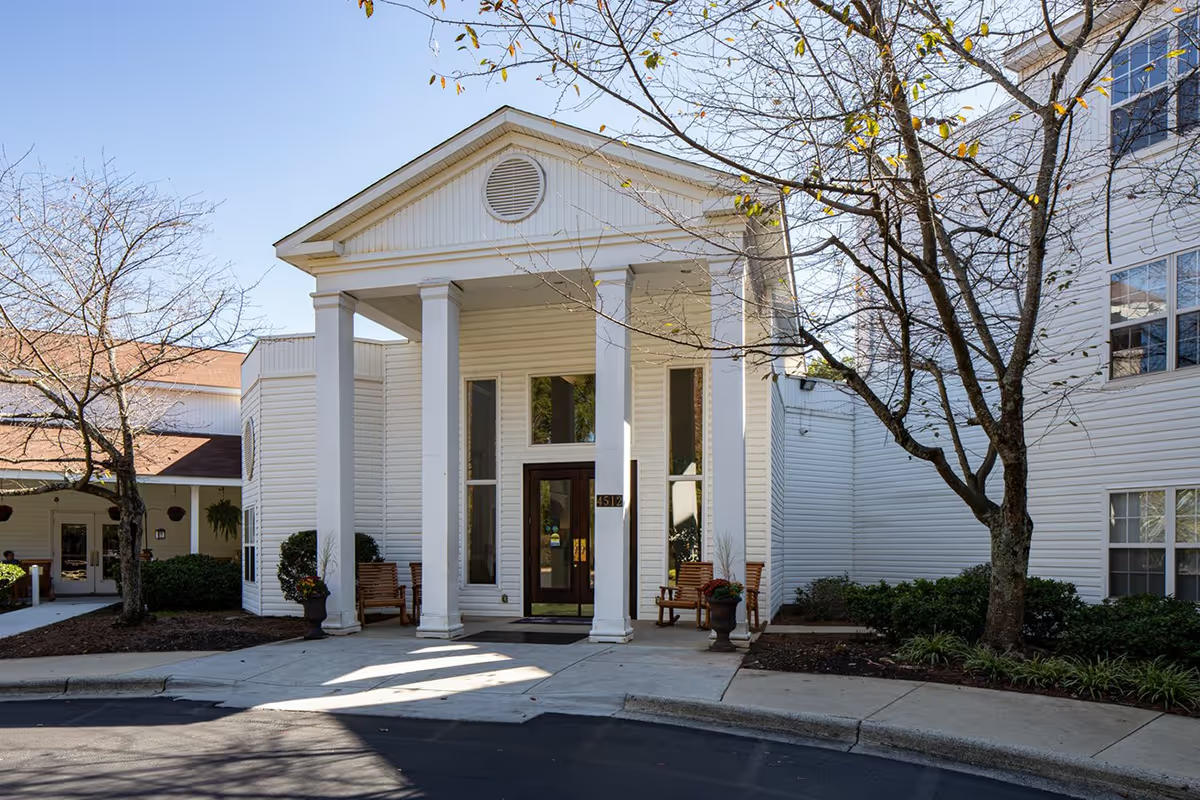
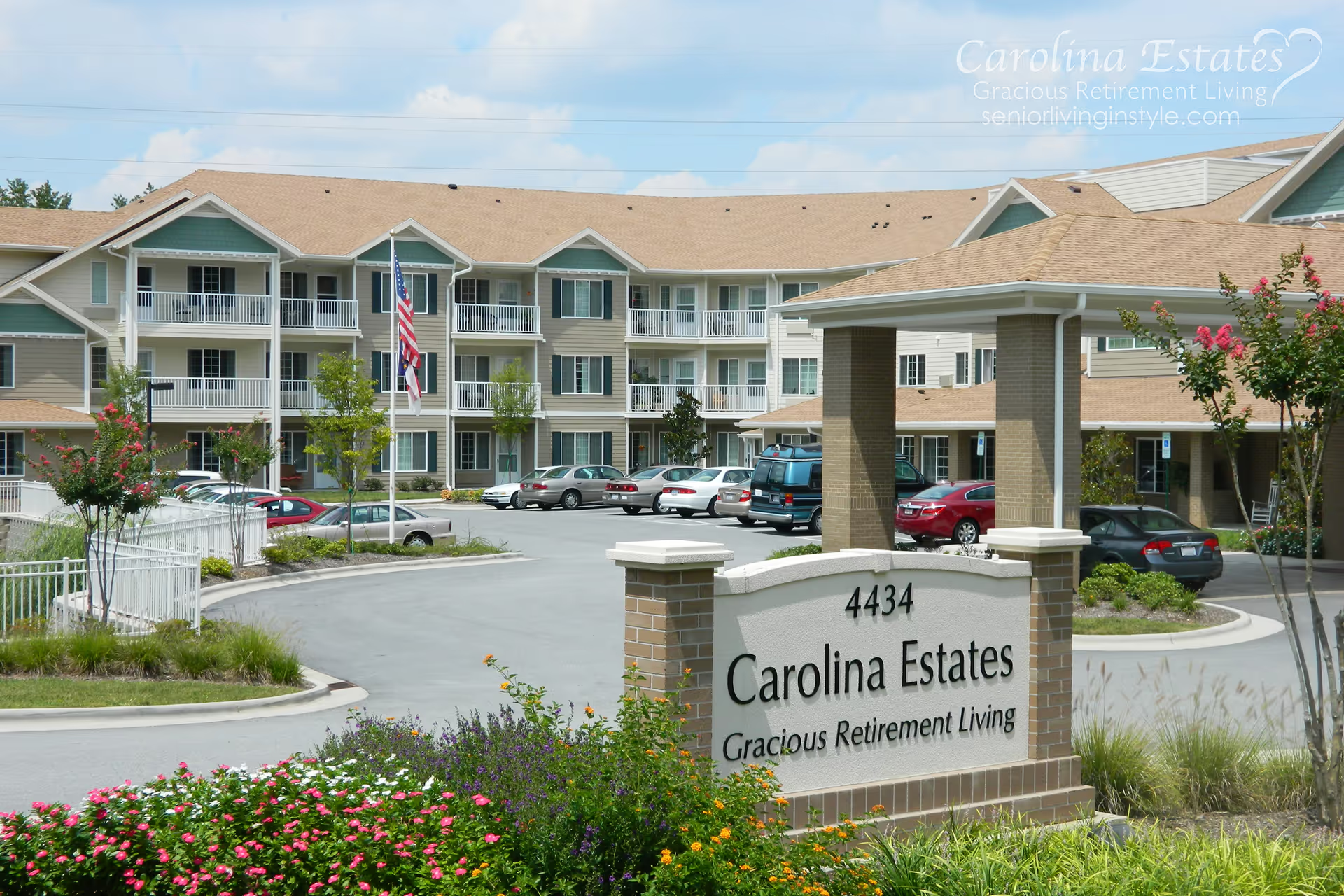
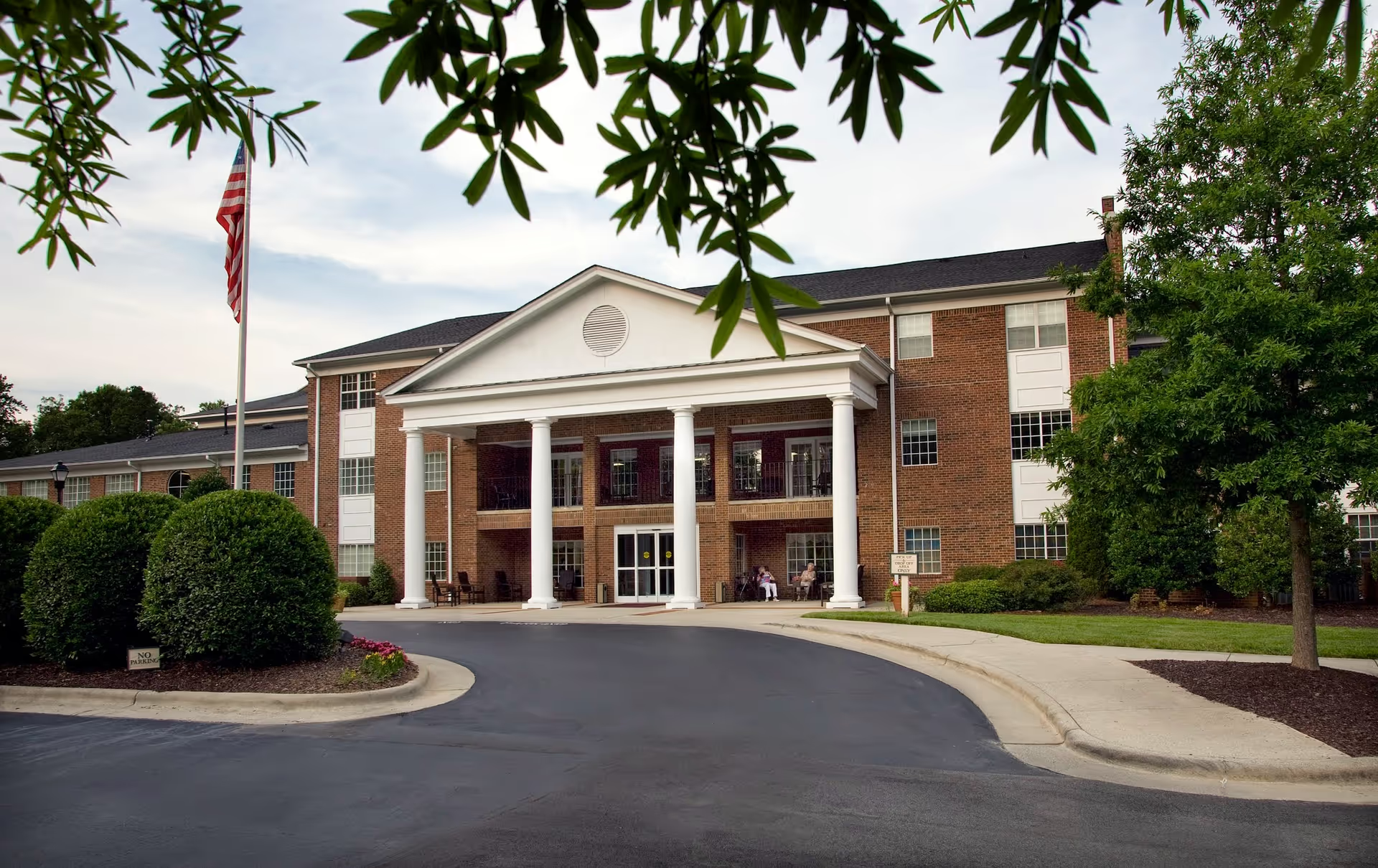
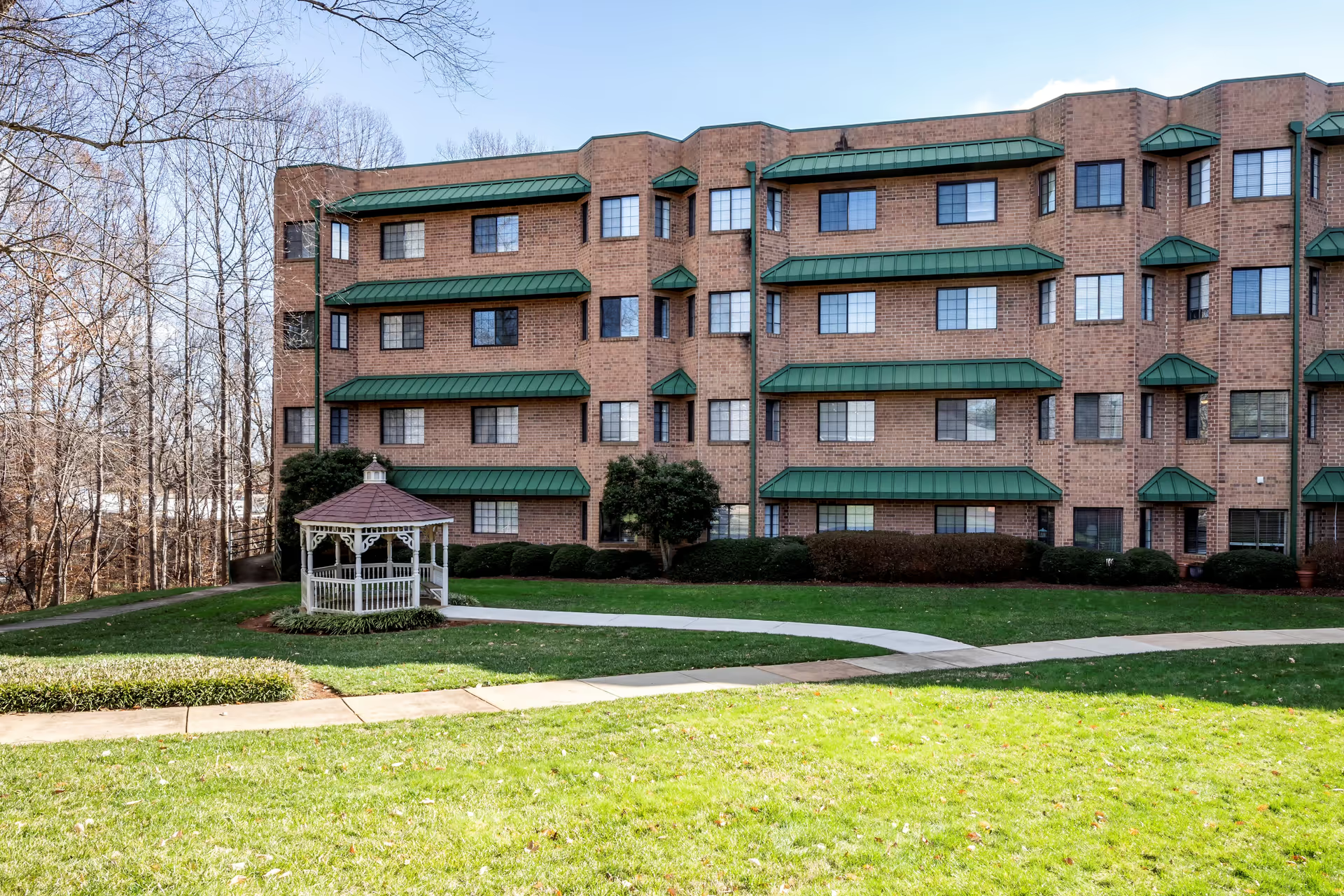
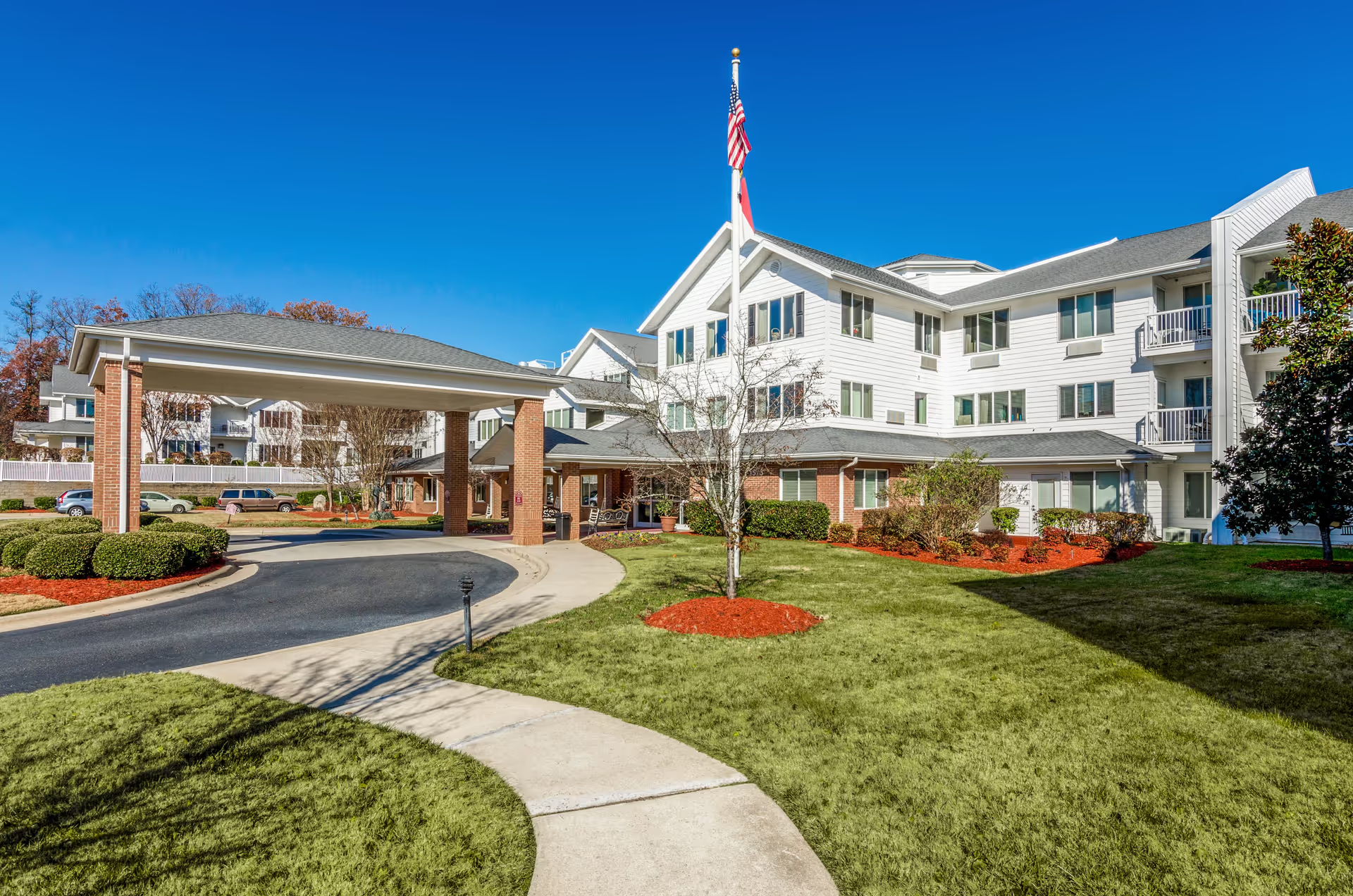
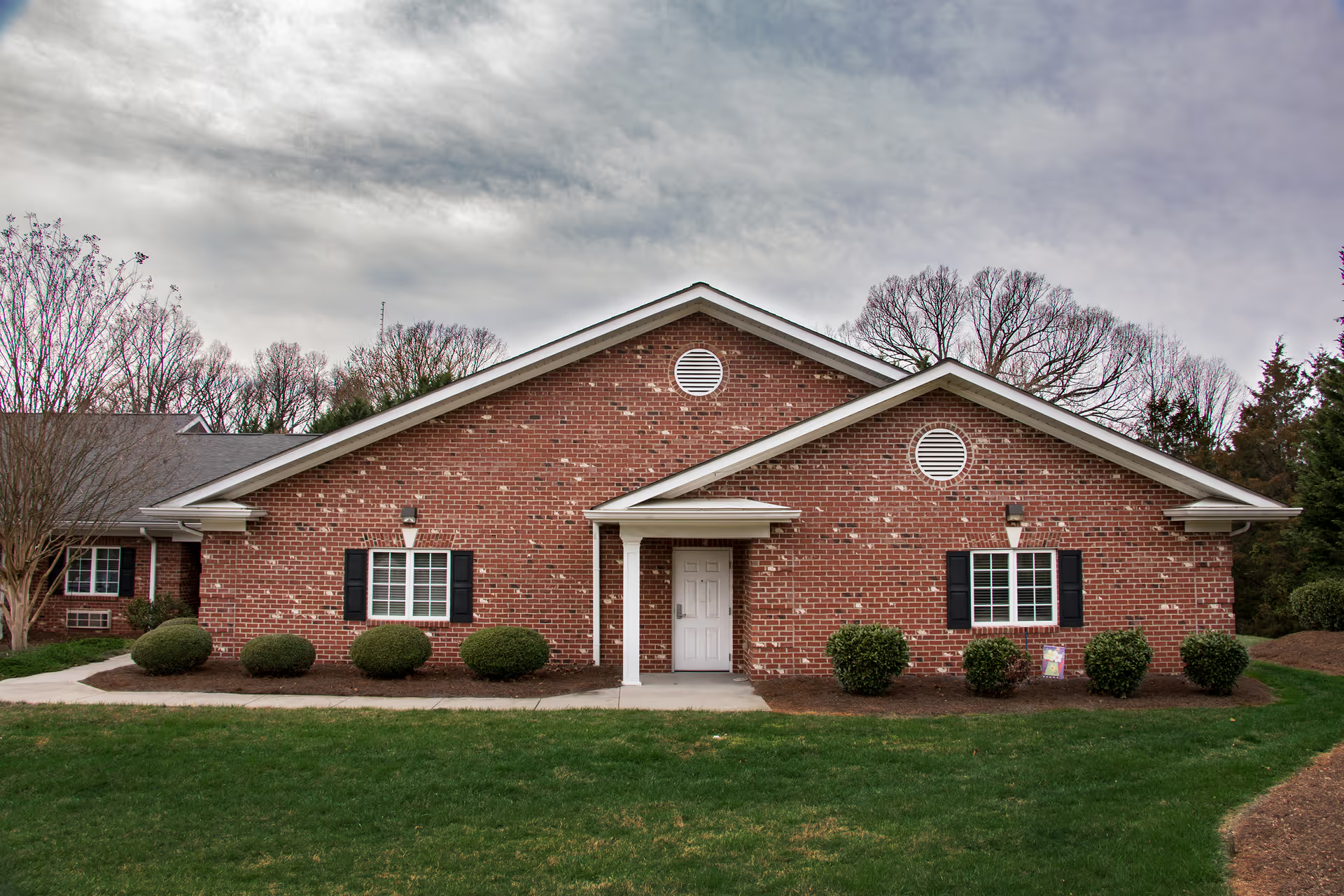
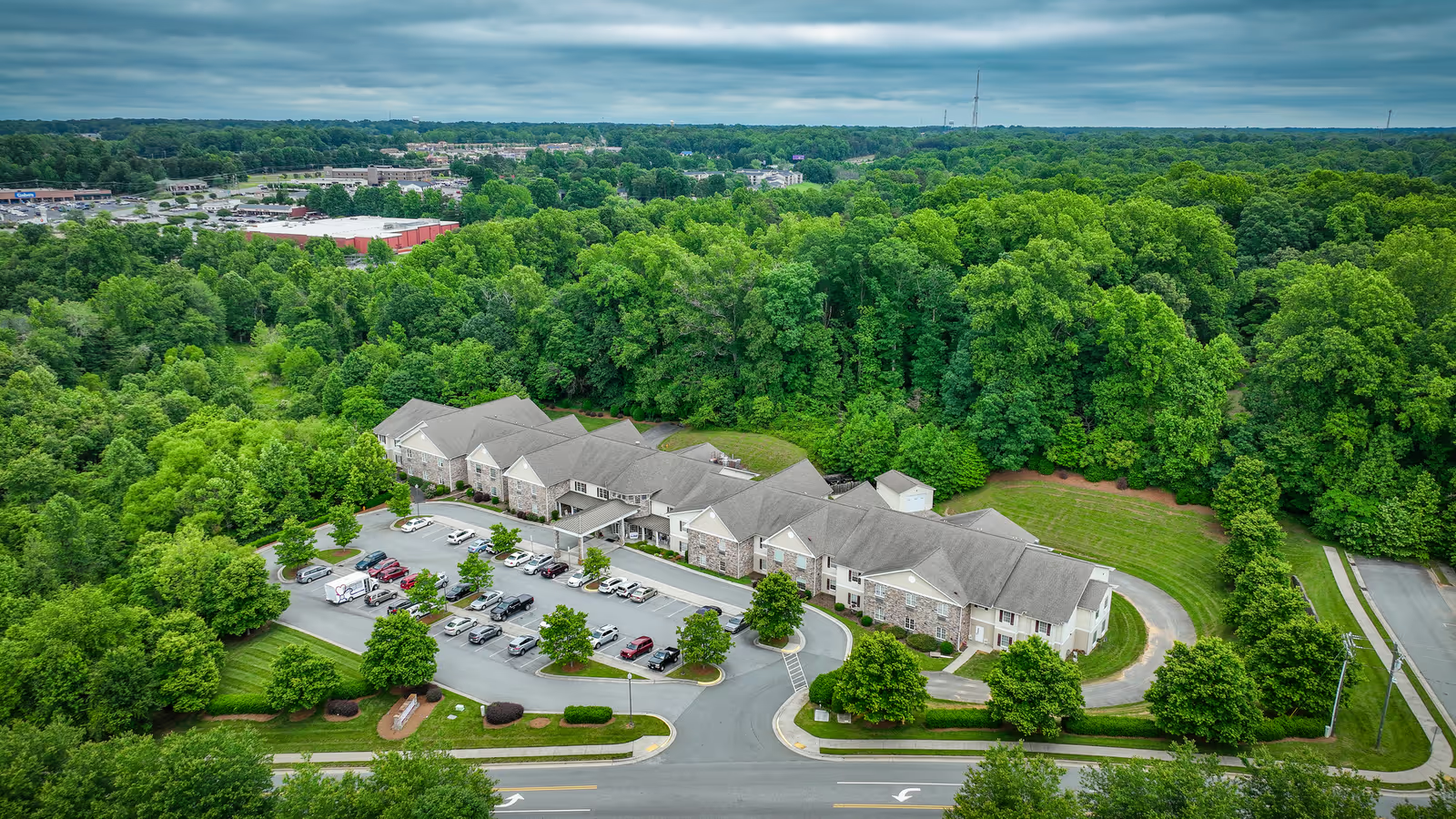
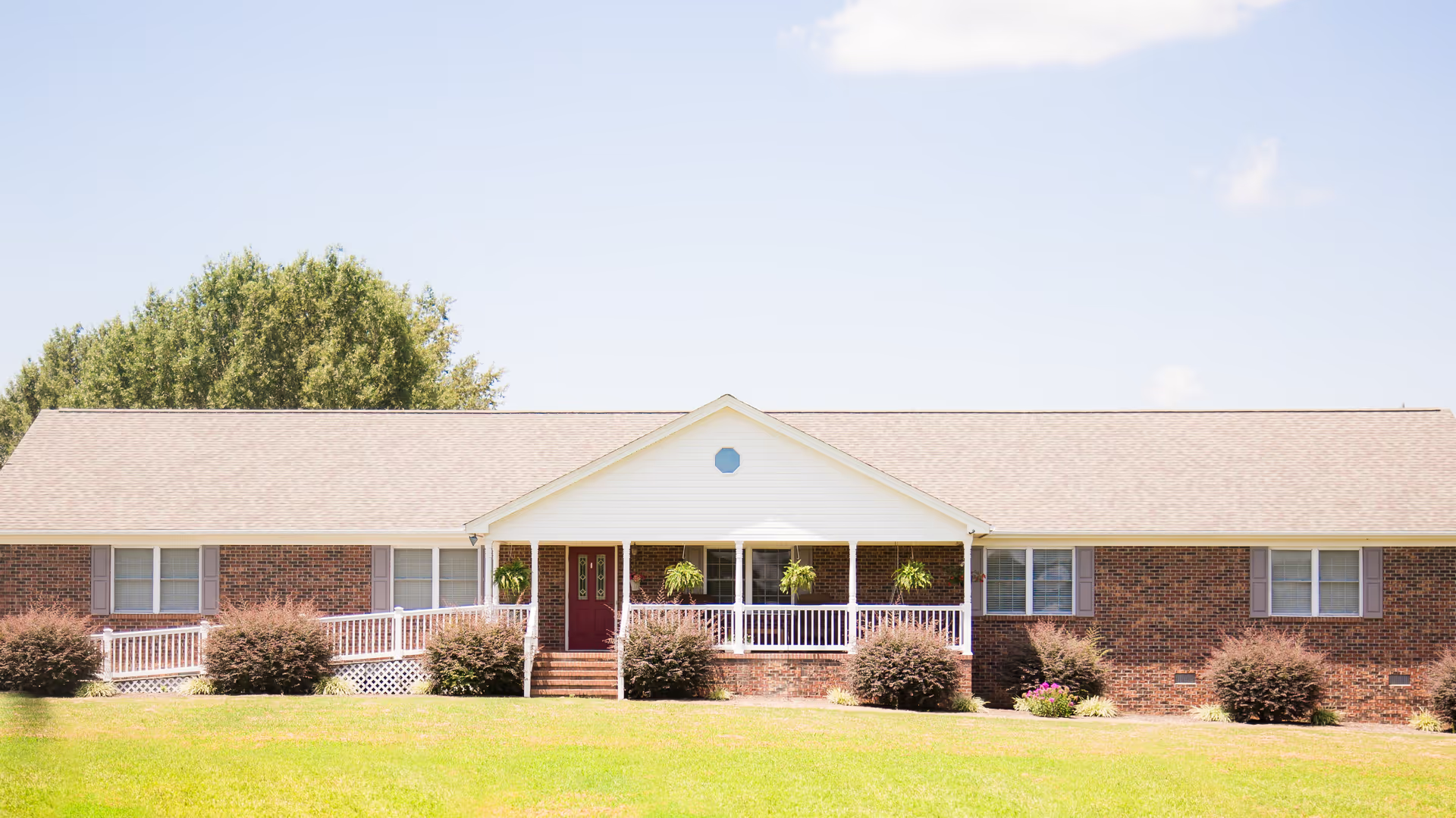
Harmony at Greensboro presents as a modern, attractive senior living community with many physical and lifestyle strengths. Reviewers consistently highlight the facility's new construction, clean and non‑institutional appearance, spacious apartments (many with in-unit washers and dryers), large windows and balconies, and accessible bathroom designs. Common areas are described as resort-like and well-maintained, and the site is noted for convenient proximity to shopping and services. Onsite amenities such as a salon/barbershop, transportation services, and a concierge/tour team contribute to a positive move-in and hospitality experience for many families.
Day-to-day staff interactions are frequently characterized as friendly, compassionate, and attentive; staff often know residents by name and families praised individual concierge and care-team responsiveness. The community offers a broad range of activities — from live entertainment and outings to craft groups, exercise classes and organized social events — and many residents reported improved socialization and mood after moving in. Housekeeping and appearance receive positive comments overall, and families note that the independent- and basic assisted-living experience is a strong fit for many prospective residents.
At the same time, reviewers identify operational weaknesses that warrant careful consideration. Staffing levels are described as inconsistent, with particular strain noted on weekends and during high‑demand periods; this contributes to variability in responsiveness, activity engagement, and some aspects of service delivery. Several accounts point to gaps in medication-management controls and in supervision for residents with higher care needs, which suggests the community may have inconsistent processes or staffing to reliably support more complex clinical situations. Relatedly, reviewers expressed that Harmony is generally best suited to independent living and lower-acuity assisted living, and that families should evaluate clinical capabilities closely if higher-level care is likely to be needed.
Dining and food service generate mixed feedback: many reviewers praise the quality, presentation, and special family/holiday meals, while others report variability in meal taste, limited menu availability at times, long waits, and service slowdowns. Financial transparency and fee structure are another recurring theme — some residents value the included meal options and amenities, whereas others raised concerns about additional ala‑carte charges, price increases, and billing processes (including automatic drafts). Operational constraints such as limited elevator/freight capacity and occasional maintenance delays (for example during construction or weather events) were also noted as practical inconveniences.
Management and communication receive mixed evaluations. Day-to-day staff and individual caregivers are frequently commended, but several reviewers raised concerns about director-level communication, organizational follow-through, and occasional lapses in administrative coordination (paperwork, scheduling, and front-desk coverage on the assisted side). These managerial gaps interact with staffing variability to produce uneven experiences across households and units; some families had seamless transitions and strong ongoing engagement, while others experienced delays or needed to advocate repeatedly for resolution.
In summary, Harmony at Greensboro offers a strong physical environment, robust amenities, and many attentive caregivers, making it a compelling option for independent living and lower-acuity assisted living. Prospective residents and families should tour the community, ask targeted questions about staffing ratios and coverage patterns (including weekends and nights), clarify medication-administration and supervision protocols for memory or higher-acuity residents, review the fee structure and billing practices, and request examples of how management handles clinical incidents and maintenance escalation. Those steps will help align expectations with the facility's strengths and identify whether its clinical and operational practices meet an individual resident's needs.