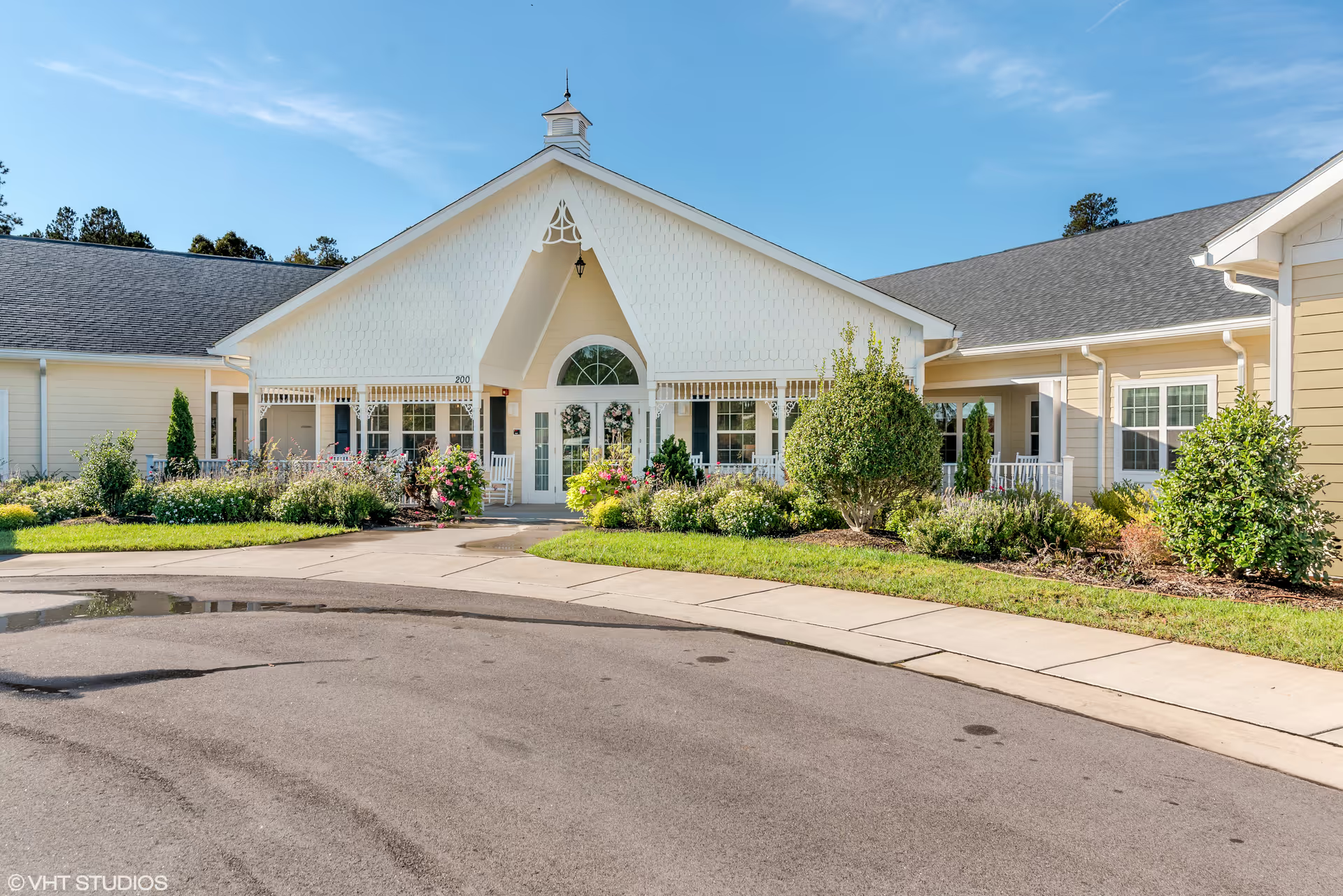
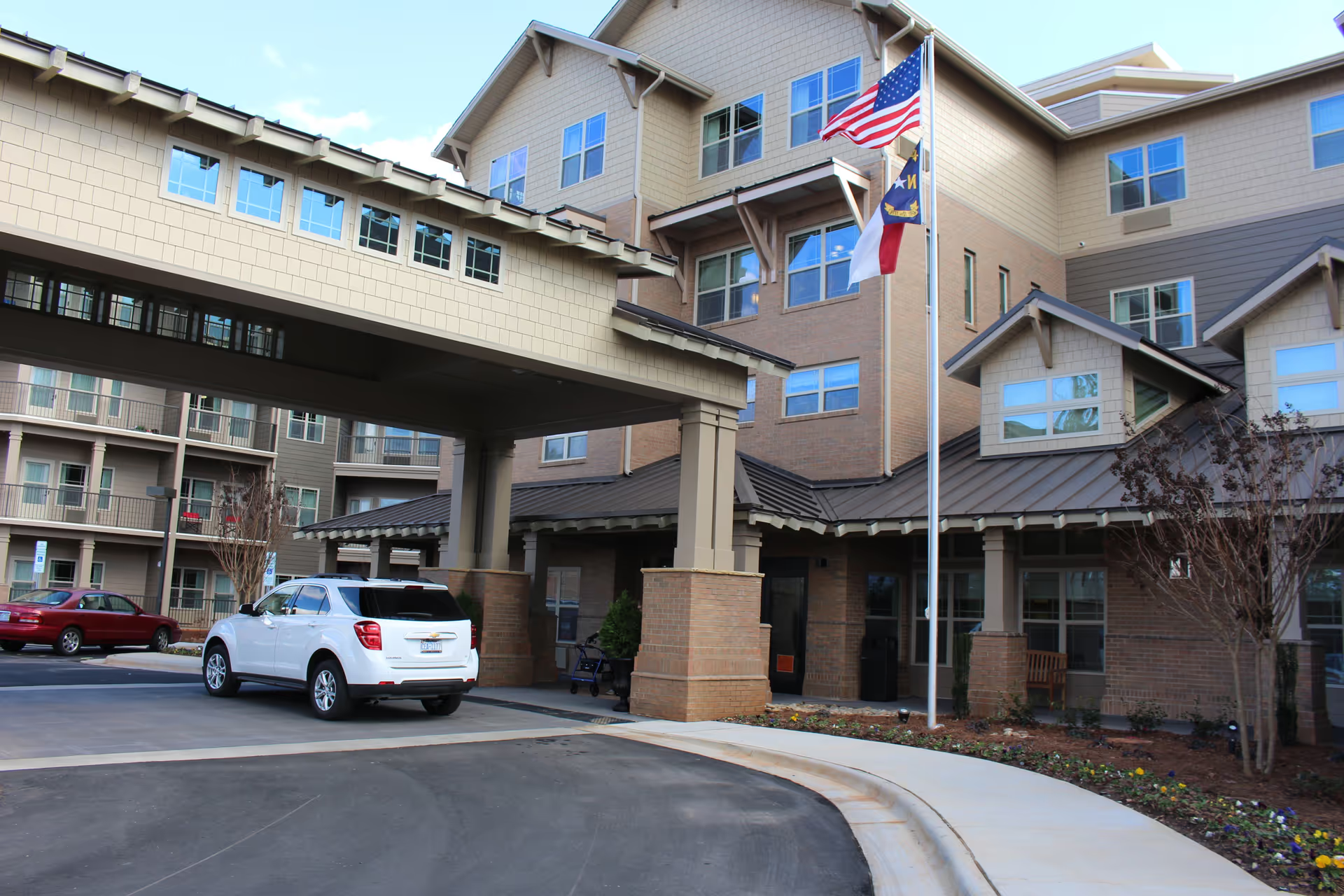
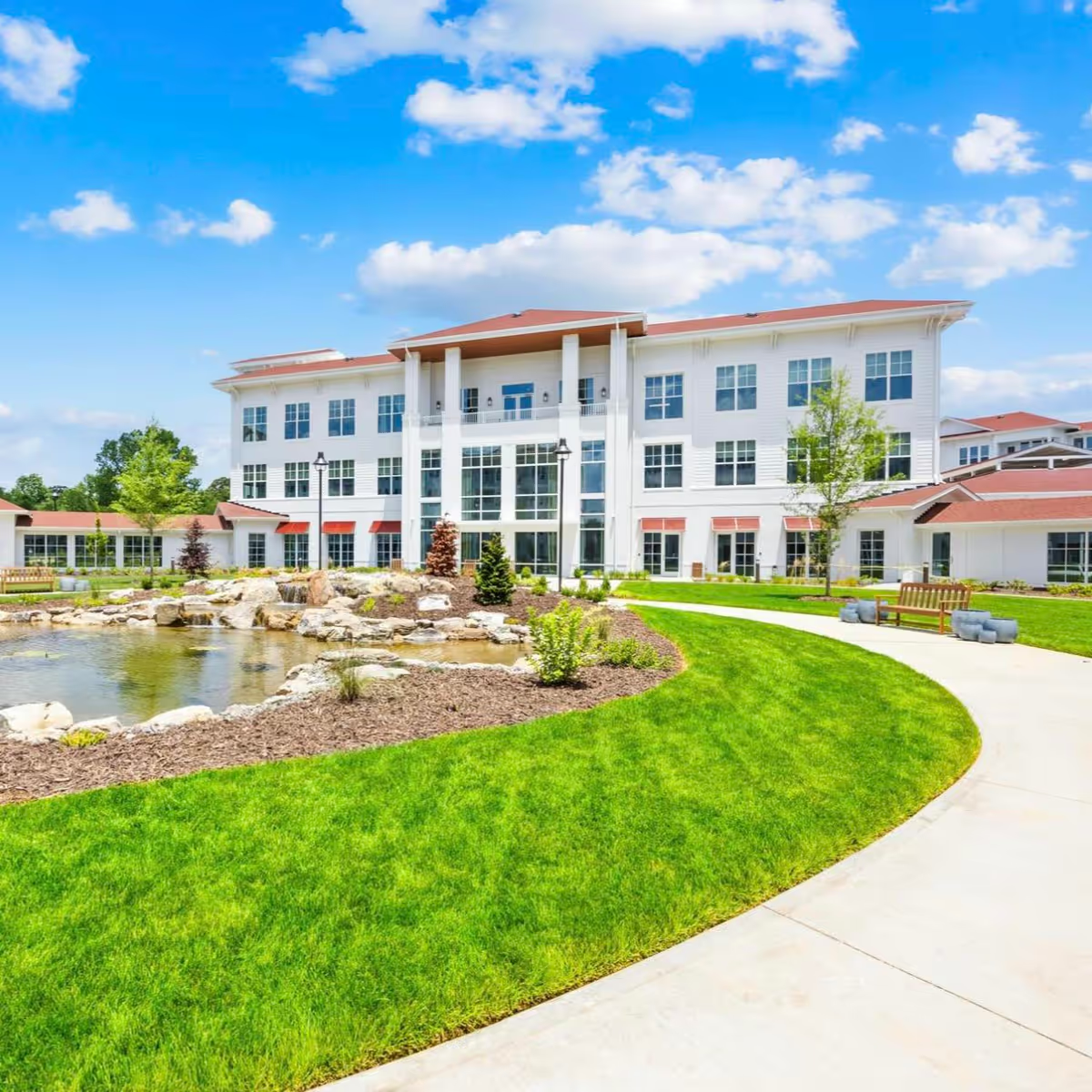
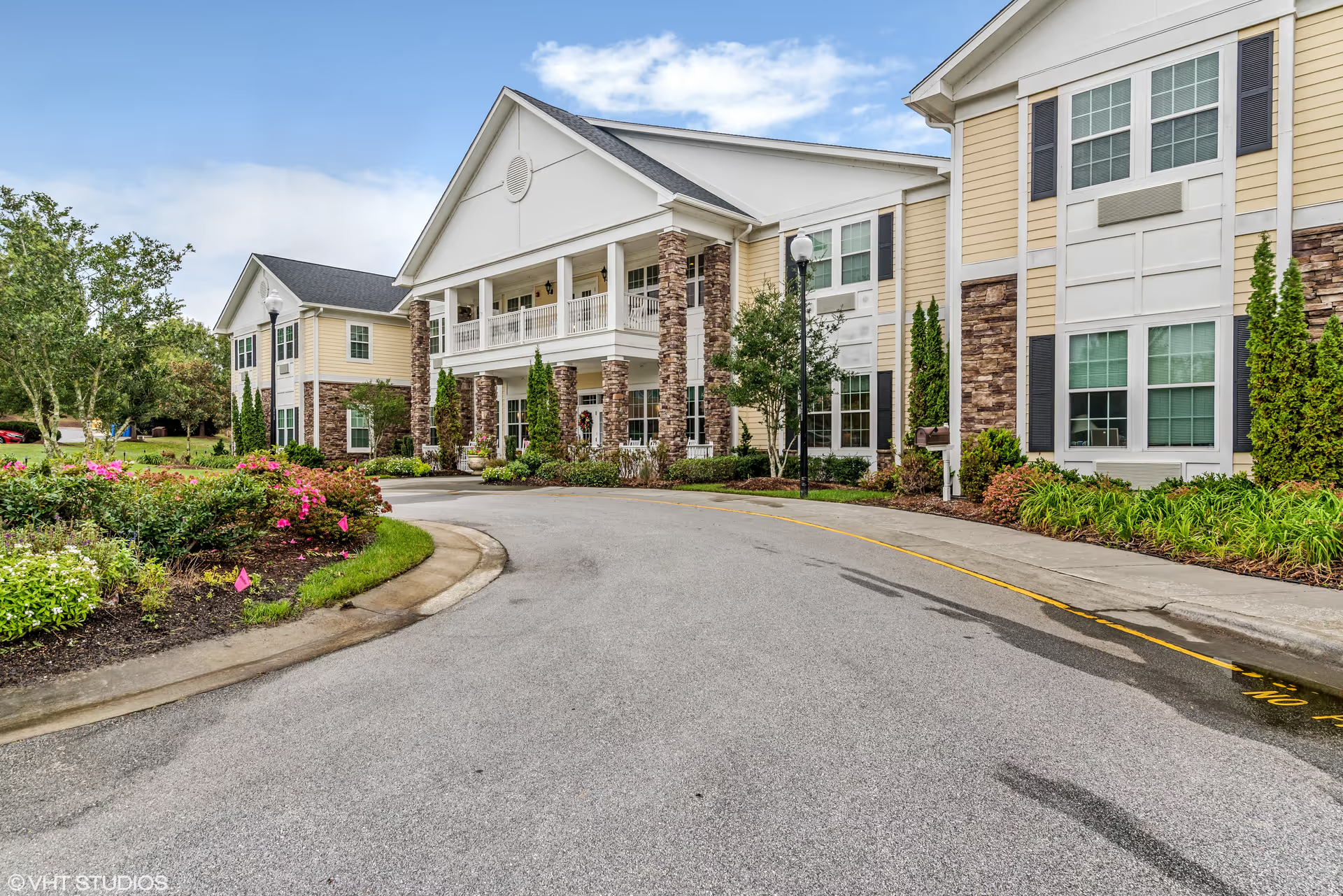
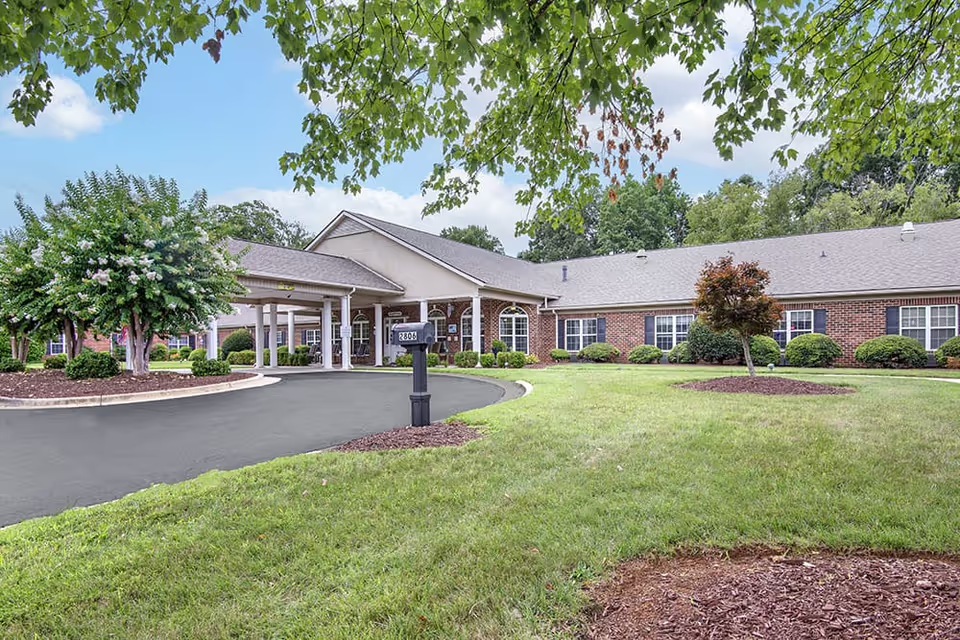
Terrabella Lake Norman elicits strongly mixed but detailed impressions. Many families and residents describe a warm, socially active community with a sizable portfolio of amenities: apartment-style units (some with full kitchens), multiple dining rooms, salon, library, fitness space, walking trails and well-kept grounds. Numerous accounts highlight compassionate, attentive caregiving staff who know residents by name, active engagement from the activities team, frequent entertainment and outings, and an age-in-place model that spans independent living through memory care. The facility’s modern appearance, ease of touring, and month-to-month rental model are also frequently cited as positive decision drivers.
Care quality narratives vary substantially. A large number of reviews praise nursing and direct-care staff for responsiveness, medication oversight, and individualized attention; families credit this team with improved socialization and quality of life for their loved ones. However, other reports describe operational gaps that affect clinical experience: inconsistent medication administration timeliness and assistance-response times, unpredictable bathing and incontinence-care schedules, and uneven housekeeping in some units. These contrasting accounts suggest variability in clinical performance that prospective families should investigate directly (ask about staffing ratios, clinical oversight, and incident tracking).
Dining and nutrition are a recurring area of divergence. Some residents and families enjoy restaurant-style meals, chef engagement, and special dining events; others report inconsistent food quality, cold or limited dinner options at times, and occasional shortages or slow service. The facility appears to have mechanisms for resident feedback (chef meetings), but food-service reliability and menu variety are noted as important points to verify during a visit.
Activities and social programming are consistently described as strengths when staffing levels allow: arts, music, outings to museums and casinos, walking clubs, games, and on-site worship services are often available. Reviewers also note that programming was scaled back during infection-control periods and that some seniors found the facility’s size or multi-level layout confusing or overwhelming. Prospective residents who value small-community feel or frequent outdoor/hallway activity should clarify current scheduling and space-use policies.
Facility operations and management present a mixed picture. Many families praise responsive maintenance, helpful office teams, and open-door leadership; others describe concerns about managerial communication, admissions-sales tactics, billing transparency, and privacy protocols (including unannounced room entries). There are also several mentions of staffing instability and turnover, and a subset of reviews references regulatory attention and allegations related to managerial conduct and privacy practices. These issues point to variability in local leadership and staff continuity over time.
What stands out is the polarization: a substantial number of residents and families are highly satisfied — praising staff, social life, and the physical environment — while a meaningful minority report operational deficiencies that materially affected care, cleanliness, and trust. For prospective families, recommended due-diligence steps include: touring multiple unit types, speaking directly with current residents and families, reviewing staffing ratios and turnover history, asking for recent inspection reports, clarifying billing and level-of-care charge practices, sampling menu offerings, and confirming visitation, privacy, and infection-control policies. This approach will help determine whether Terrabella Lake Norman’s consistently positive attributes align with an individual resident’s clinical needs and expectations for daily life.