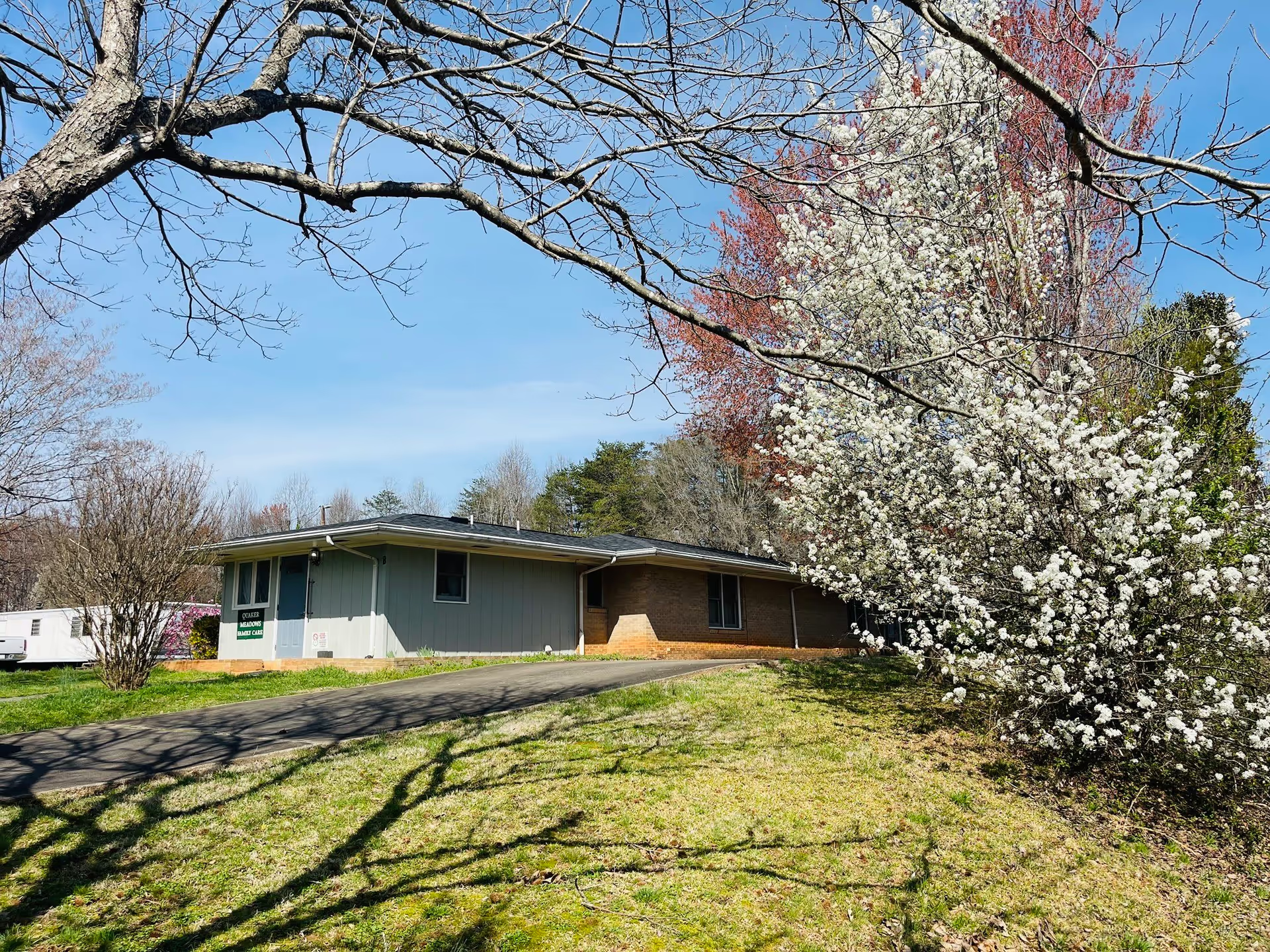
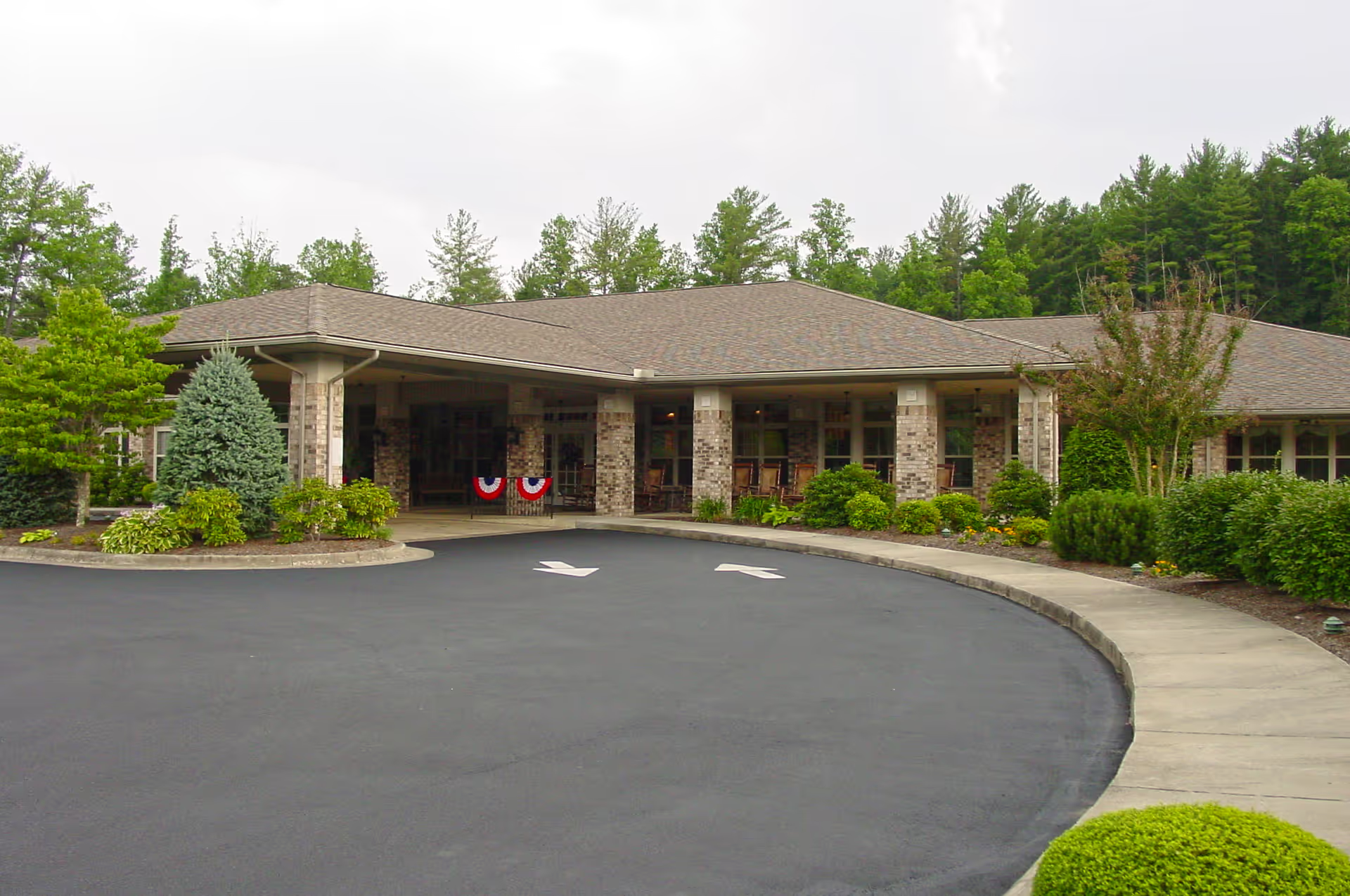
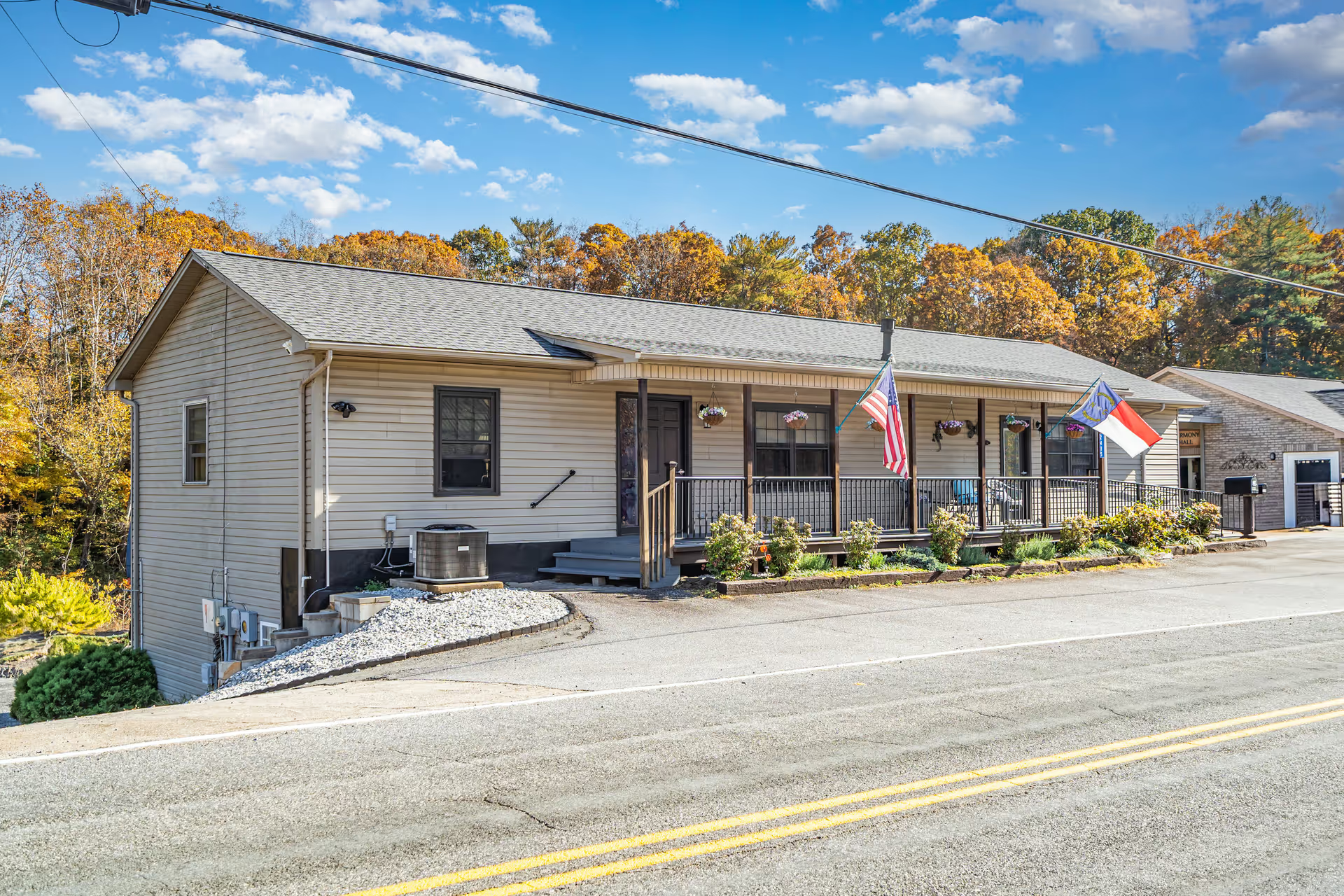
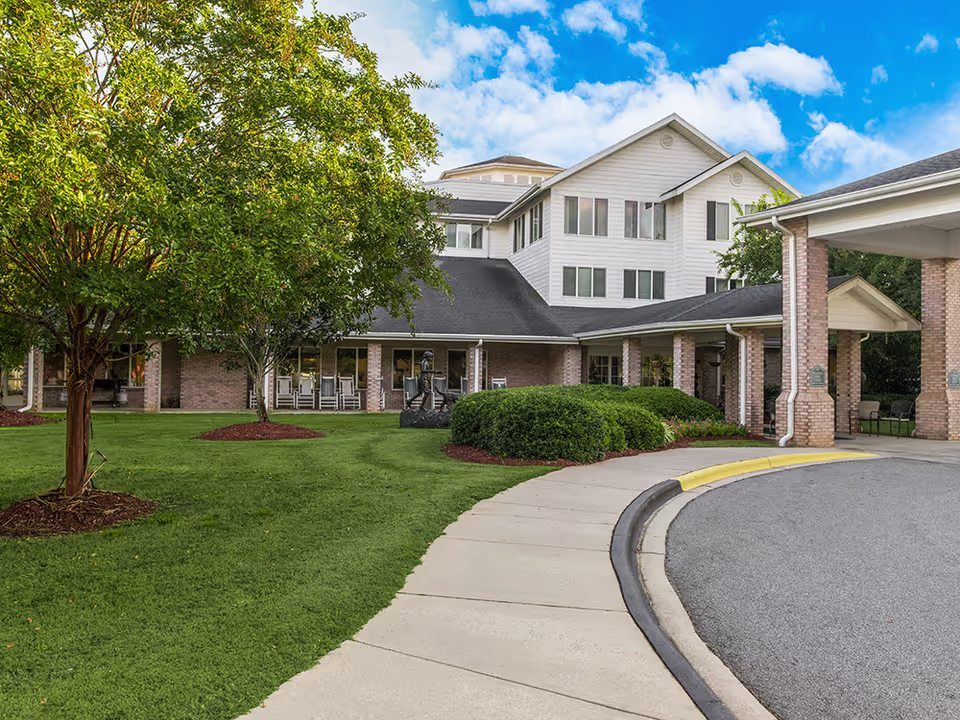
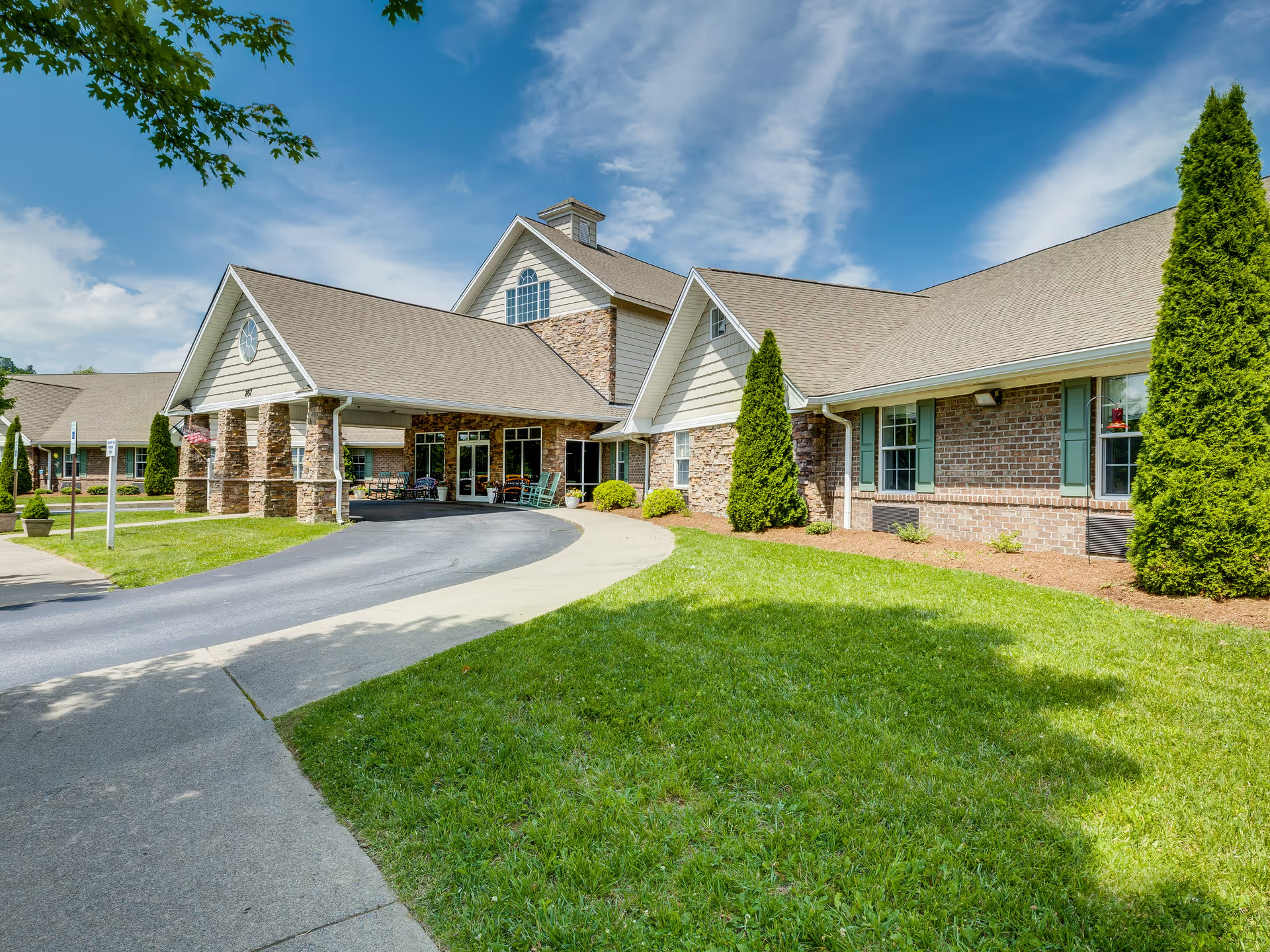
Reviewers describe a facility with a mixed profile of strengths and operational weaknesses. Positive comments repeatedly highlight compassionate, attentive CNAs and nurses, a strong rehabilitation/therapy program, and a sense of a family-like staff culture. Several families praised specific therapy outcomes, supportive admission/rehab experiences, and visible leadership presence. Common attributes cited positively include engaging activities, pleasant grounds and common areas, and comfortable resident rooms.
At the same time, there is a consistent pattern of operational concerns. Many accounts point to inconsistent staffing coverage and variability in care quality by unit and shift. That variability is associated with delays in personal-care assistance, inconsistent bathing and hygiene support, and unreliable responsiveness to call-buttons. Reviewers also raised sanitation and cleanliness inconsistencies and incontinence-care concerns in particular areas, which families identified as a contributor to lower perceived quality of care.
Clinical-safety issues were a frequent theme in negative accounts: gaps in medication-management controls, inconsistent wound- and skin-care monitoring, and uneven clinical oversight including missed or delayed provider visits. These patterns were linked in some narratives to pressure injuries, infections, and complex post-admission declines; one review included an allegation of elder mistreatment and noted concerns following a resident's death. While other reviewers described prompt medication delivery and attentive clinical staff, the overall picture is one of uneven performance on core clinical safeguards.
Dining and nutrition drew mixed feedback: several family members described home-style meals and supportive dining staff, while others reported late or cold meal service and inconsistent meal timing. Therapeutic and social programming were usually seen as strengths—activity staff and therapy teams were frequently praised for creating a supportive atmosphere and facilitating social engagement.
Management and communication appear uneven. Positive comments noted engaged leadership and staff willing to assist families, but many families reported poor notification about hospital transfers, limited responsiveness from the business office, delayed communication when collecting belongings, and deficiencies in documentation and records handling. These communication failures amplified concerns when clinical issues arose.
In summary, Autumn Care of Drexel presents a split profile: strong rehabilitative services, dedicated therapy staff, and many caring front-line caregivers coexist with operational weaknesses in staffing consistency, medication and wound-care protocols, sanitation practices, meal-service reliability, and family communication. Prospective residents and families should weigh the observed strengths in therapy and staff compassion against the documented variability in day-to-day care processes and consider direct follow-up with leadership about staffing, clinical safeguards, infection-control practices, and communication protocols before placement.