Reviews for Grace Heights Health and Rehabilitation present a strongly mixed but patternable picture. Many families and former residents describe attentive, compassionate caregivers, skilled nursing, and effective post-surgical and rehabilitative therapy. The facility’s clinical strengths frequently mentioned include registered nurses on duty, 24/7 physician on-call coverage, coordinated transitions with hospitals, and proactive medical monitoring. Several accounts highlight dementia-sensitive engagement, staff patience, and positive personal interactions that contributed to resident well-being and satisfaction.
At the same time, a substantive set of concerns recurs across reviews. These center on inconsistent responsiveness (for example, delayed responses to call bells and bedside requests), lapses in family notification after clinical events, and variability in staff performance between shifts and weekends. There are also operational weaknesses tied to safety and equipment: fall-prevention and transfer-safety practices appear uneven, some resident seating and mobility equipment were noted as difficult to operate or in disrepair, and call-button or buzzer functionality was mentioned as unreliable. These kinds of clinical-incident and communication gaps have resulted in delayed diagnoses or delayed family notification in some cases, which families flagged as a significant issue.
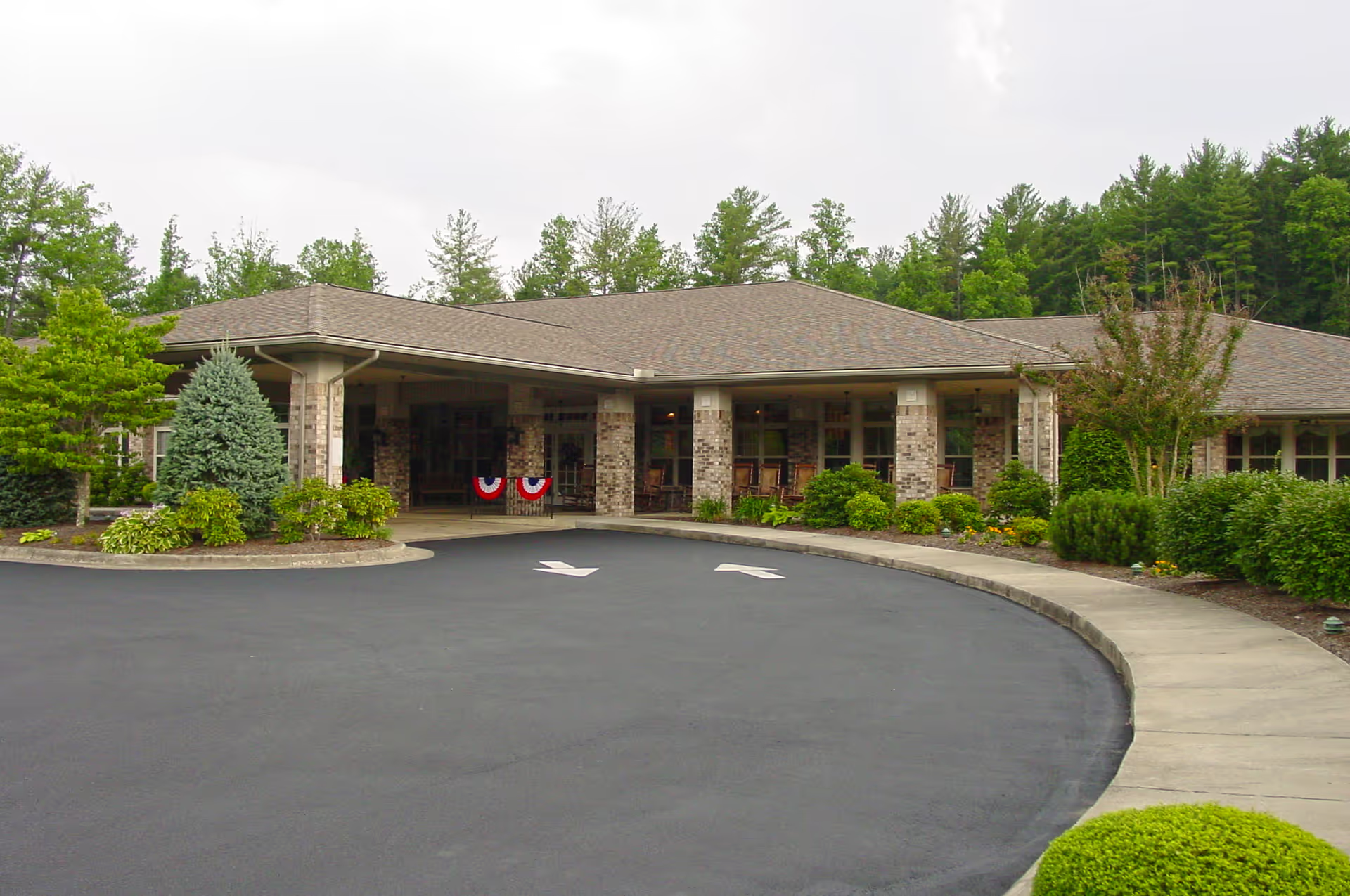
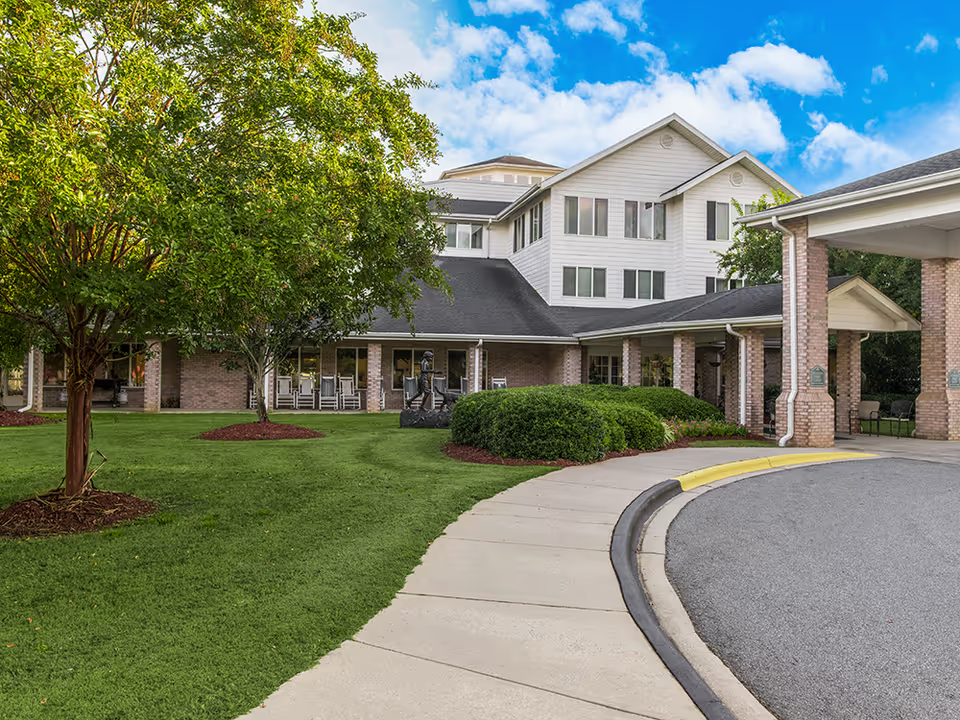
Facility- and service-level concerns extend beyond clinical care. While many reviewers praised the clean, well-maintained building and attractive grounds, others cited localized maintenance and sanitation issues (leaks in hallways, inconsistent replenishment of supplies) and specific pest-control concerns. Dining impressions and value assessments vary: some residents enjoyed meals and found the food acceptable, while others questioned the value relative to the facility’s daily pricing. Admission and bed-management practices were described as inconsistent by some families, with reports of room preparation and bed availability problems that created logistical stress during transitions.
Management and leadership receive mixed evaluations. Several reviewers commended accessible administration, coordinated transitions, and supportive follow-up; others perceived gaps in accountability, slow or insufficient responses to formal concerns, and inconsistent enforcement of policy. Taken together, the reviews indicate a facility with clear clinical and human-resource strengths that can produce successful rehabilitative stays and compassionate care, but with identifiable operational and consistency issues that prospective families should evaluate. When considering Grace Heights, families may wish to ask specific questions about fall-prevention protocols, call-button reliability, staff coverage across shifts, pest-control measures, and the facility’s procedures for notifying families after clinical changes. An on-site visit during different shifts and direct discussions with nursing leadership can help clarify whether the facility’s strengths align with a prospective resident’s needs.