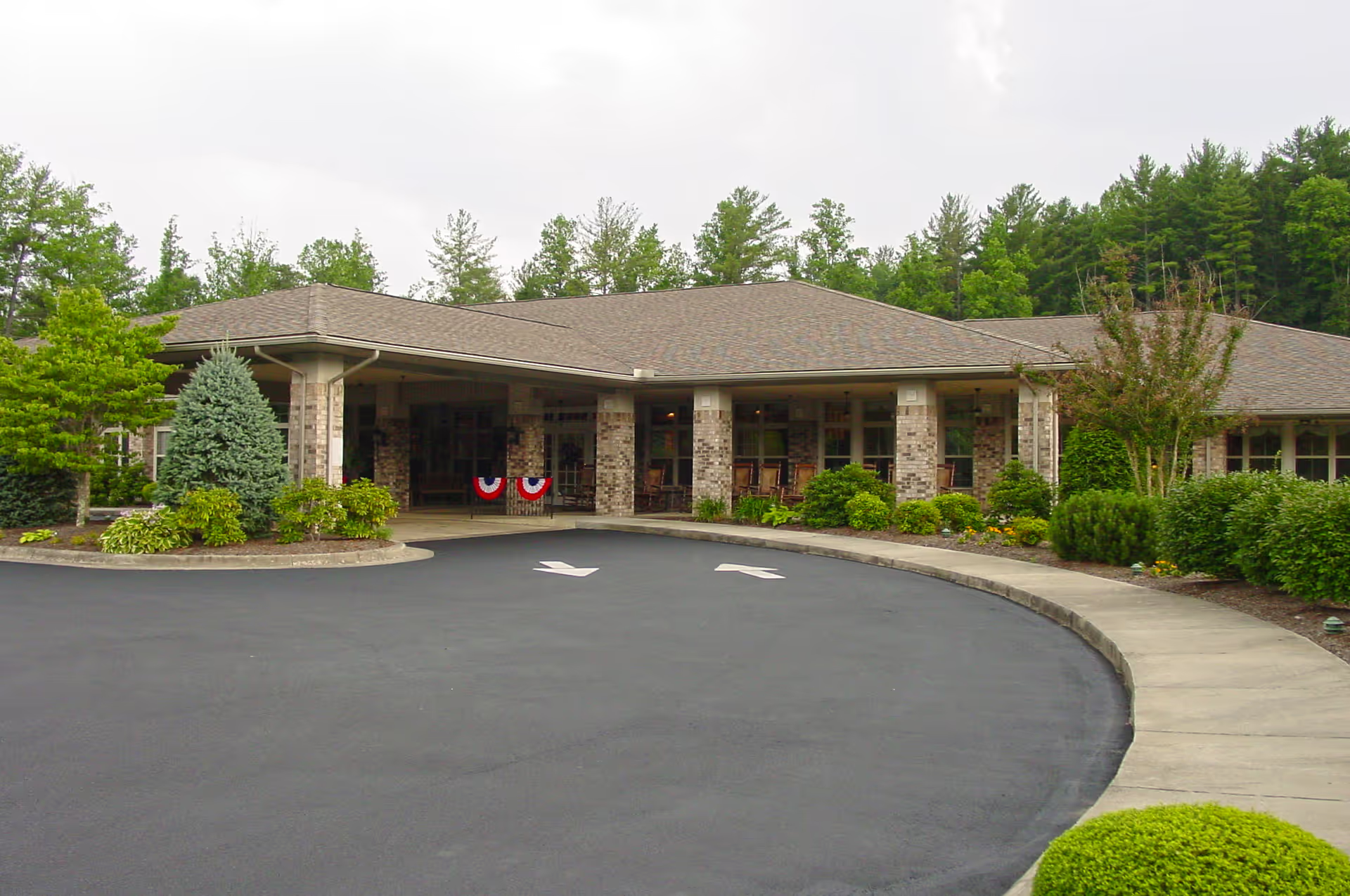
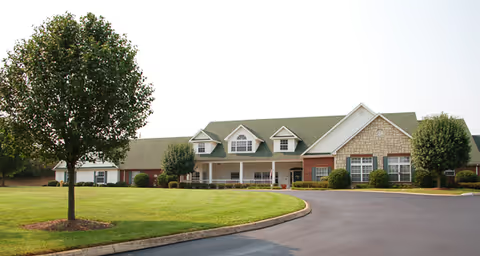
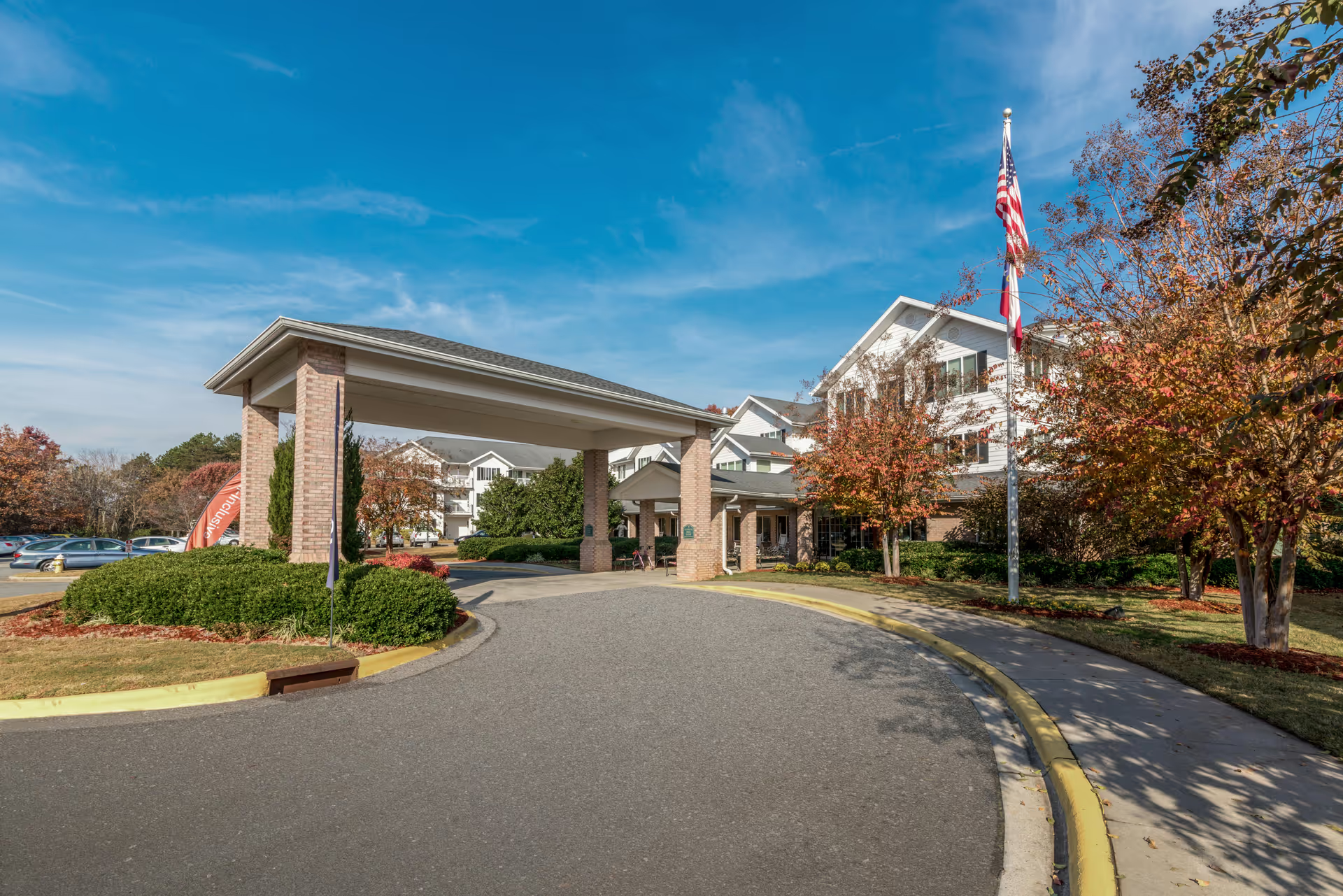
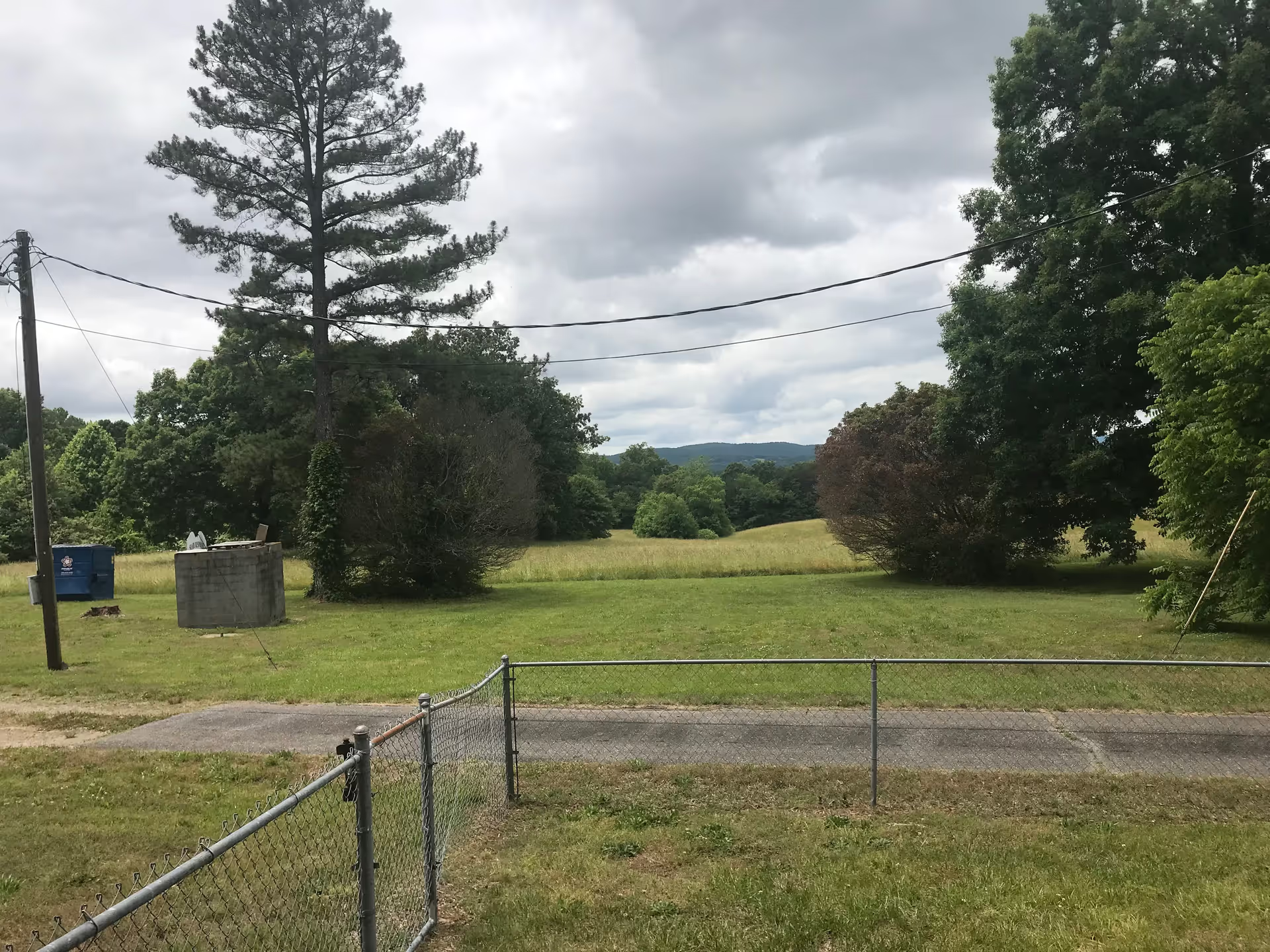
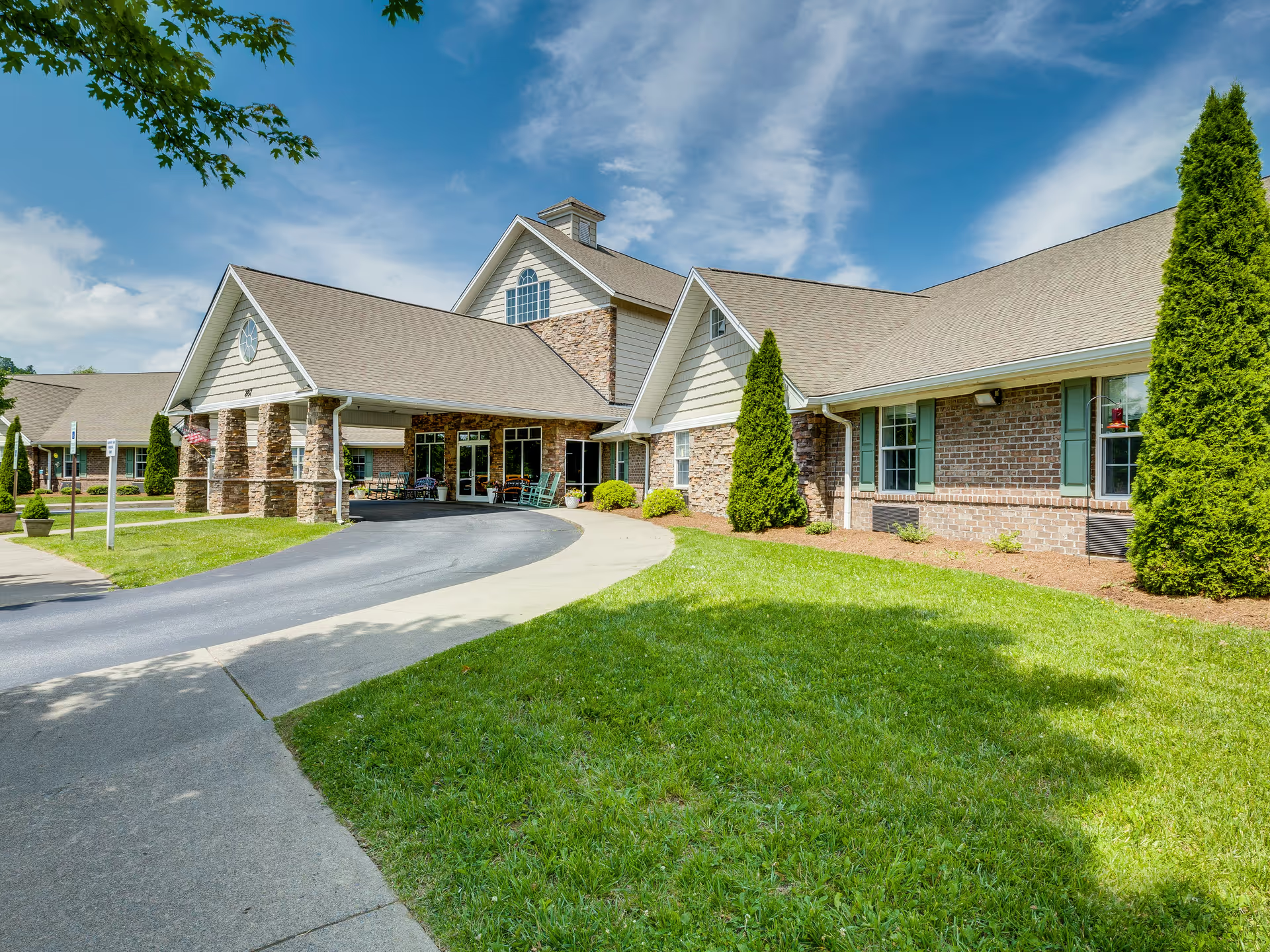
Grace Ridge presents as a well-appointed retirement community with a strong emphasis on hospitality, activities, and on-site clinical access. Reviewers consistently highlight chef-driven, restaurant-quality meals served in multiple dining venues, frequent concerts and events, a robust activities program with off-site excursions, and ample communal resources such as a library, computer lab, fitness area, and multiple hobby rooms. The setting and recent renovations are frequently described as attractive, with scenic mountain views and well-maintained interiors that contribute to a home-like atmosphere.
Clinical and operational strengths include 24/7 staffing, weekly physician visits, and an established transfer pathway to higher-level care on campus. Staff are repeatedly described as knowledgeable, empathetic, and helpful; the community’s pandemic response (meal delivery, grocery commissary delivery, virtual programming) was noted as substantially effective. Transportation services — regular vans for medical appointments, grocery trips, and dedicated outings — are well integrated and considered a meaningful convenience.
Dining and activities are major positives: food quality and presentation are often characterized as high-end, and the activity schedule is varied, ranging from arts and crafts to exercise classes and swimming trips with dedicated transportation. These programmatic offerings underpin many residents’ improved social engagement and overall satisfaction. Facilities features that attract residents include private rooms with private baths, in-room kitchens or balconies in some units, adjustable beds, and pet-friendly policies.
Notable patterns of concern center on social integration, maintenance responsiveness, cost, and some service gaps. Although many residents find the community welcoming, others describe a social culture that can be cliquish and difficult for newcomers to penetrate; this dynamic has been linked to feelings of isolation during meals for some. Maintenance responsiveness is an operational weakness in a few accounts, with HVAC reliability and long repair timelines singled out. Financial accessibility is another consistent theme: the facility requires a substantial upfront investment (noted as over $200,000 in one summary) and carries significant monthly fees (approximately $2,500 cited), which may limit affordability for many prospective residents. Additionally, physical plant limitations such as the absence of bathtubs in some units were mentioned.
A few reviewers identified administrative or service inconsistencies: variability in tour and admissions interactions, gaps in staff–family communication, and limited availability of palliative-care services. Some families perceived financial considerations influencing care decisions; prospective residents may wish to explore contract terms, clinical service scope, and communication protocols prior to committing.
Overall, Grace Ridge appears to offer high-quality amenities, attentive staffing, and a lively activities program in an attractive setting. Prospective residents and families should weigh the strong clinical and lifestyle offerings against potential issues with long-term affordability, social fit, maintenance responsiveness (particularly HVAC), and the availability of end-of-life services. Visiting multiple times, meeting current residents, and asking specific questions about maintenance response times, social-integration efforts, and palliative-care availability are recommended steps for decision-making.