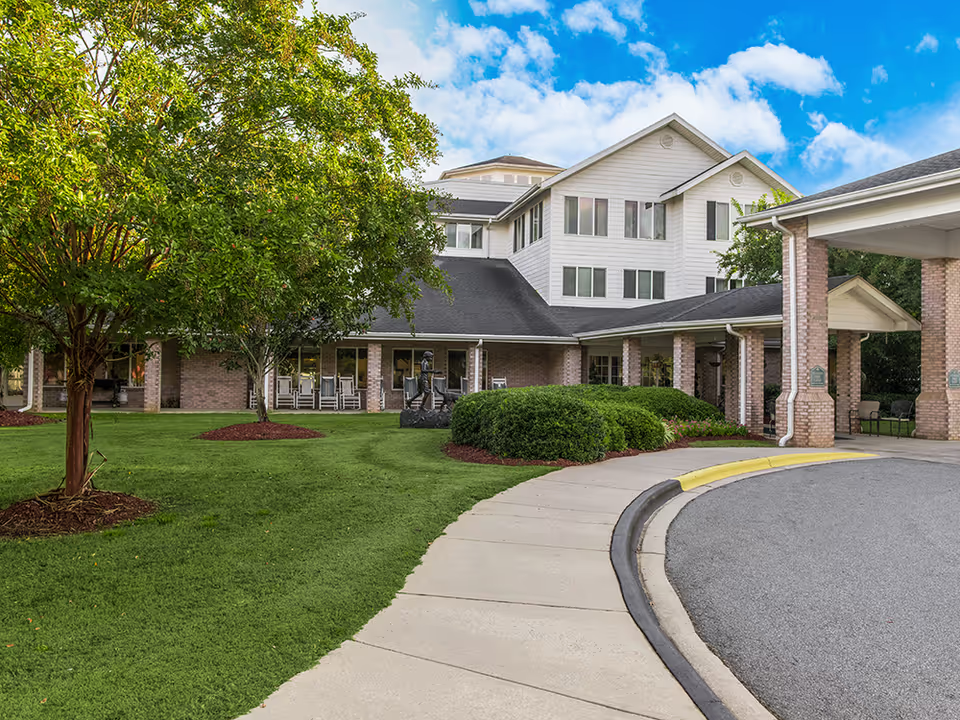
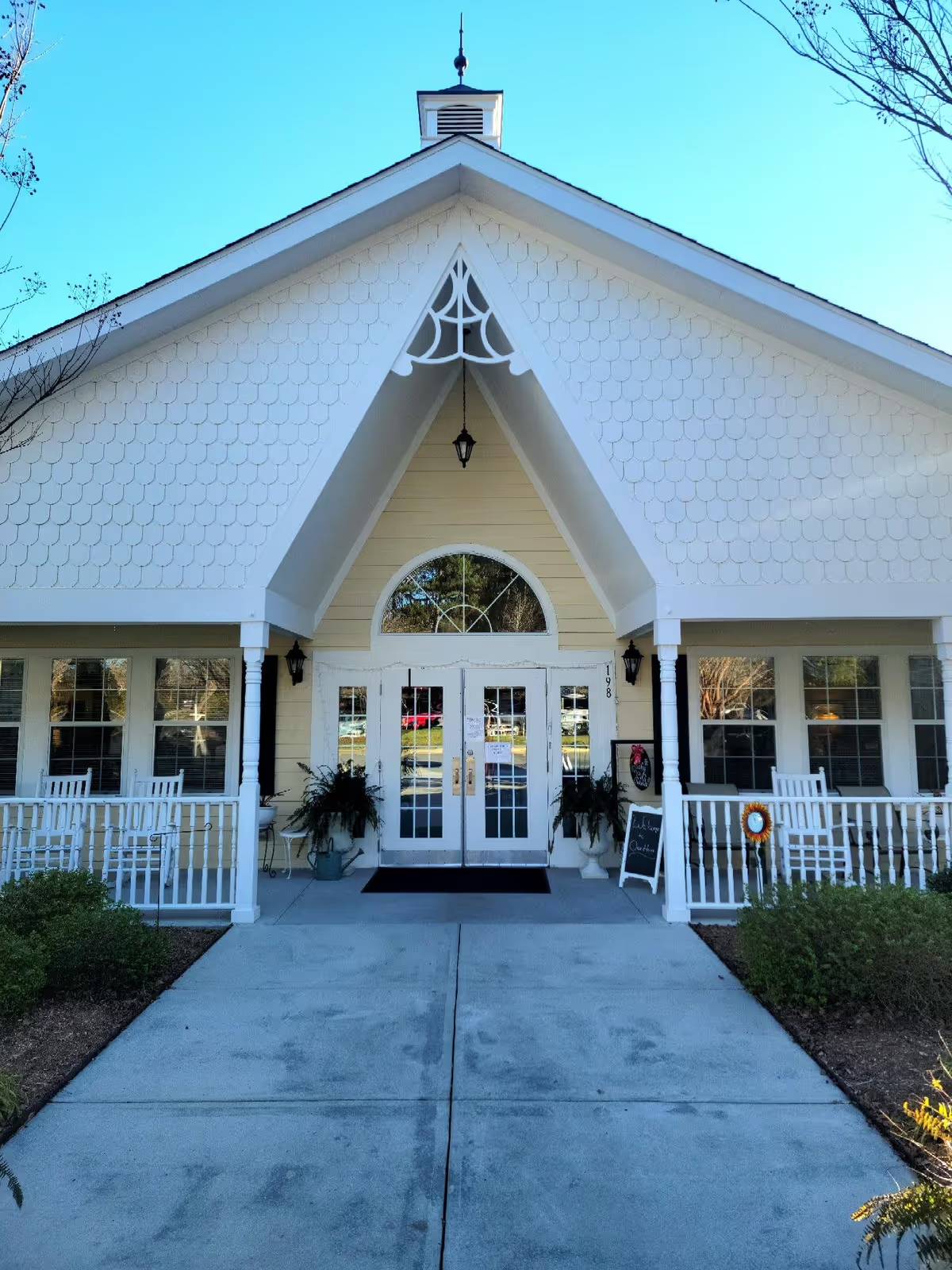
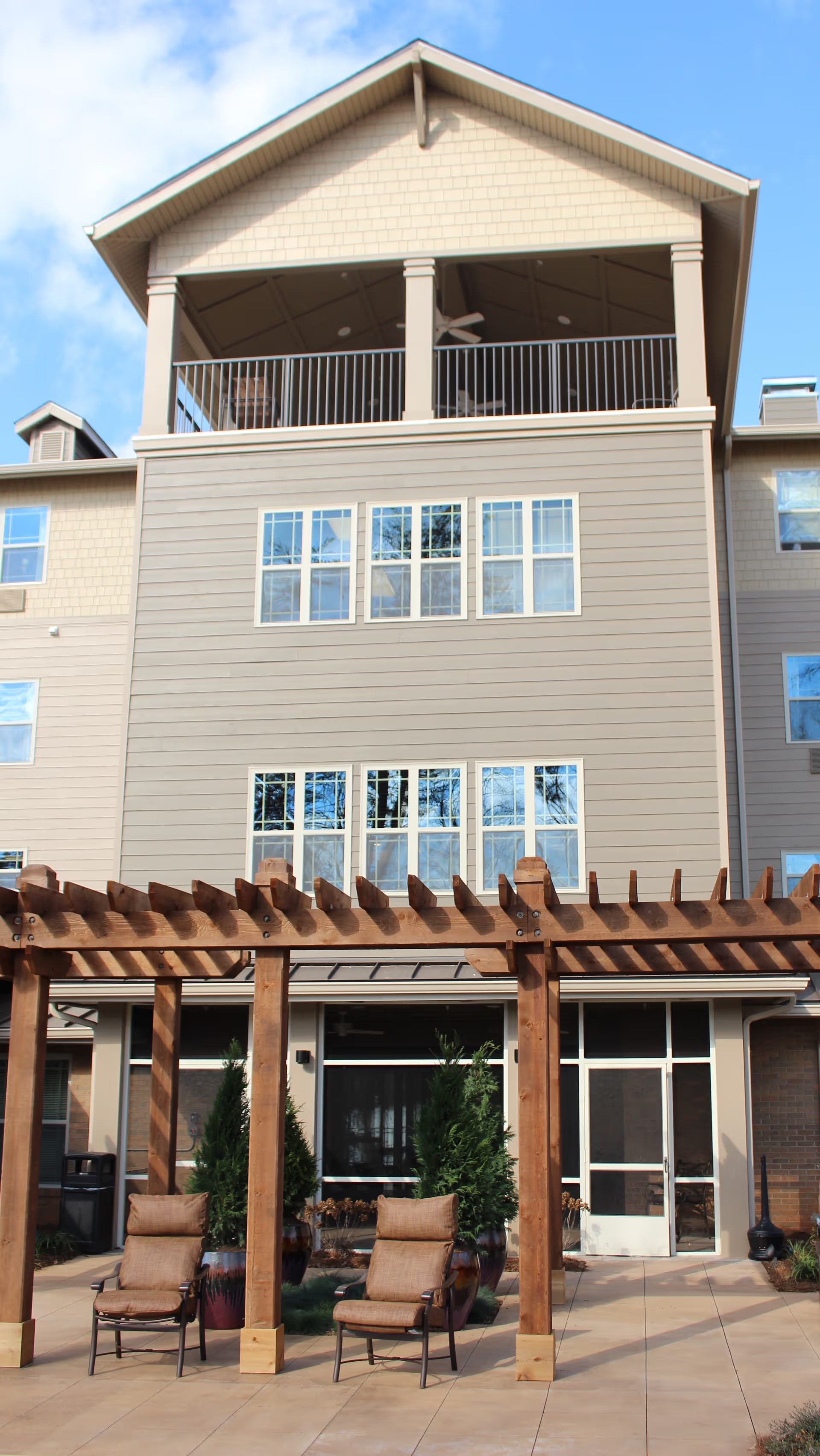
Abernethy Laurels elicits strongly mixed impressions. Many families and short-term residents highlight strengths typical of an upscale continuing-care campus: a clean, modern building with hotel-like public spaces and attractive grounds; private rooms and roomy common areas; a broad continuum of services from skilled rehabilitation to assisted and memory-care; and an active calendar of social and therapeutic programming. The therapy team (PT/OT/ST) and numerous frontline caregivers receive frequent praise for effective short-term rehabilitation outcomes and compassionate hands-on care. Several reviewers also noted helpful discharge planning and Medicare coordination, family-friendly amenities such as an on-site kitchen and salon, and a generally pleasant campus atmosphere.
At the same time, a substantial subset of reviews describes operational and clinical concerns that prospective families should evaluate carefully. The most consistent themes are inconsistent staffing levels (especially overnight and weekend coverage), variable nursing leadership and clinical oversight, and related safety gaps including fall-prevention and transfer practices. Reviewers describe uneven performance across shifts and units: some staff and units are characterized as attentive and experienced, while others are characterized as overworked, under-resourced, or less experienced. These staffing inconsistencies are linked by families to delays in care, missed or delayed assistance with daily needs, and variable responsiveness to clinical issues.
Dining and activities generally receive mixed but specific feedback: many residents and families praise varied menus, room-service options, and a robust activities program (including technology-assisted therapy like Wii golf and regular worship services), yet others report repetitive menus, cold or unavailable items, and intermittent shortages. Facility amenities such as the pool, gym, and exercise equipment are viewed positively when functioning; however, reviewers note that maintenance or equipment downtime has affected access at times.
Administrative and management areas show a pronounced divide. Some reviewers describe attentive, communicative administrators and efficient billing and admissions processes. Conversely, others report billing inaccuracies, slow or unresponsive administrative staff, problematic communication about clinical incidents, and what they perceive as a defensive or unhelpful management tone. There are also remarks about inconsistent memory-care environments and environmental maintenance in certain units, as well as sanitation and hygiene-care inconsistencies that merit inquiry during a visit. Additionally, there are isolated allegations concerning post-mortem handling and end-of-life processes that would warrant direct discussion with leadership and review of policies.
Taken together, the pattern is one of a facility with substantial strengths in physical plant, rehabilitation services, and many dedicated frontline caregivers, paired with operational vulnerabilities around consistent staffing, clinical oversight, communication, and administrative reliability. For prospective residents and families, recommended due diligence includes touring the specific unit of interest (including memory care), observing staffing levels on different shifts, asking for current staffing ratios and turnover data, reviewing medication-management and incident-reporting protocols, clarifying billing and grievance procedures, and verifying the functioning and availability of advertised amenities. This approach will help identify whether the particular unit and shift patterns align with your expectations for safety, clinical oversight, and daily living support.