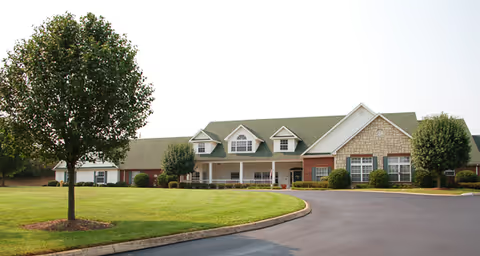
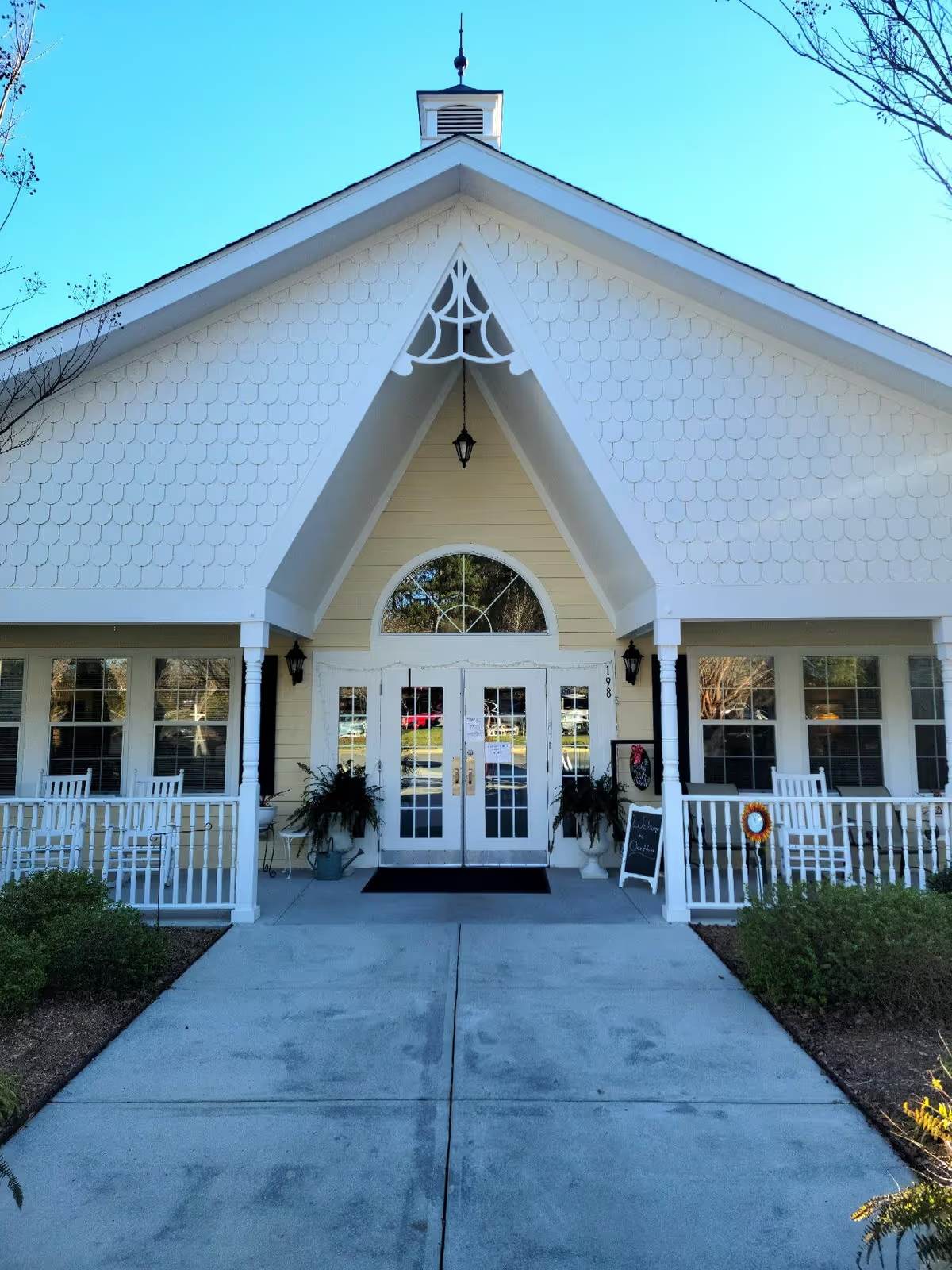
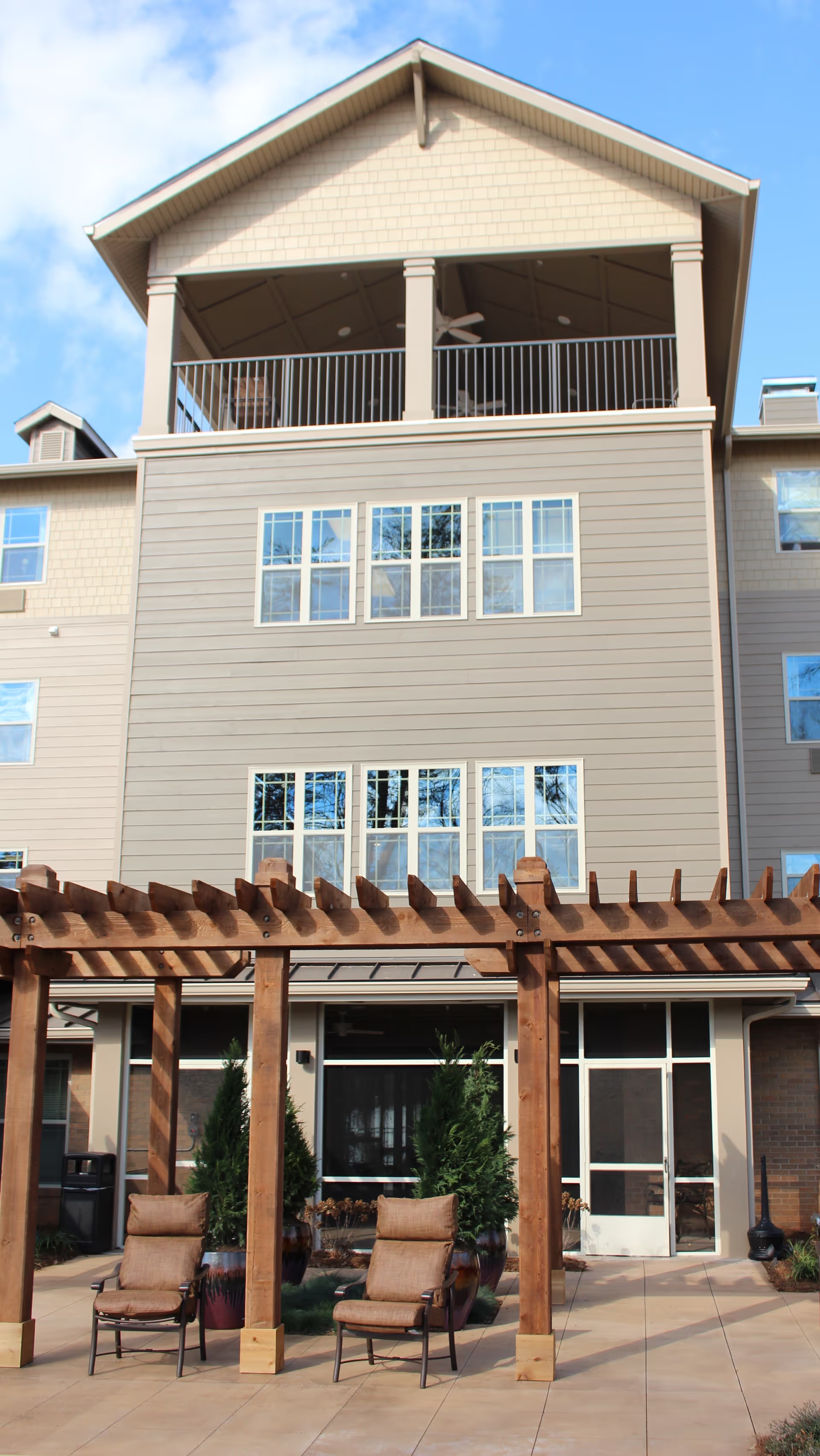
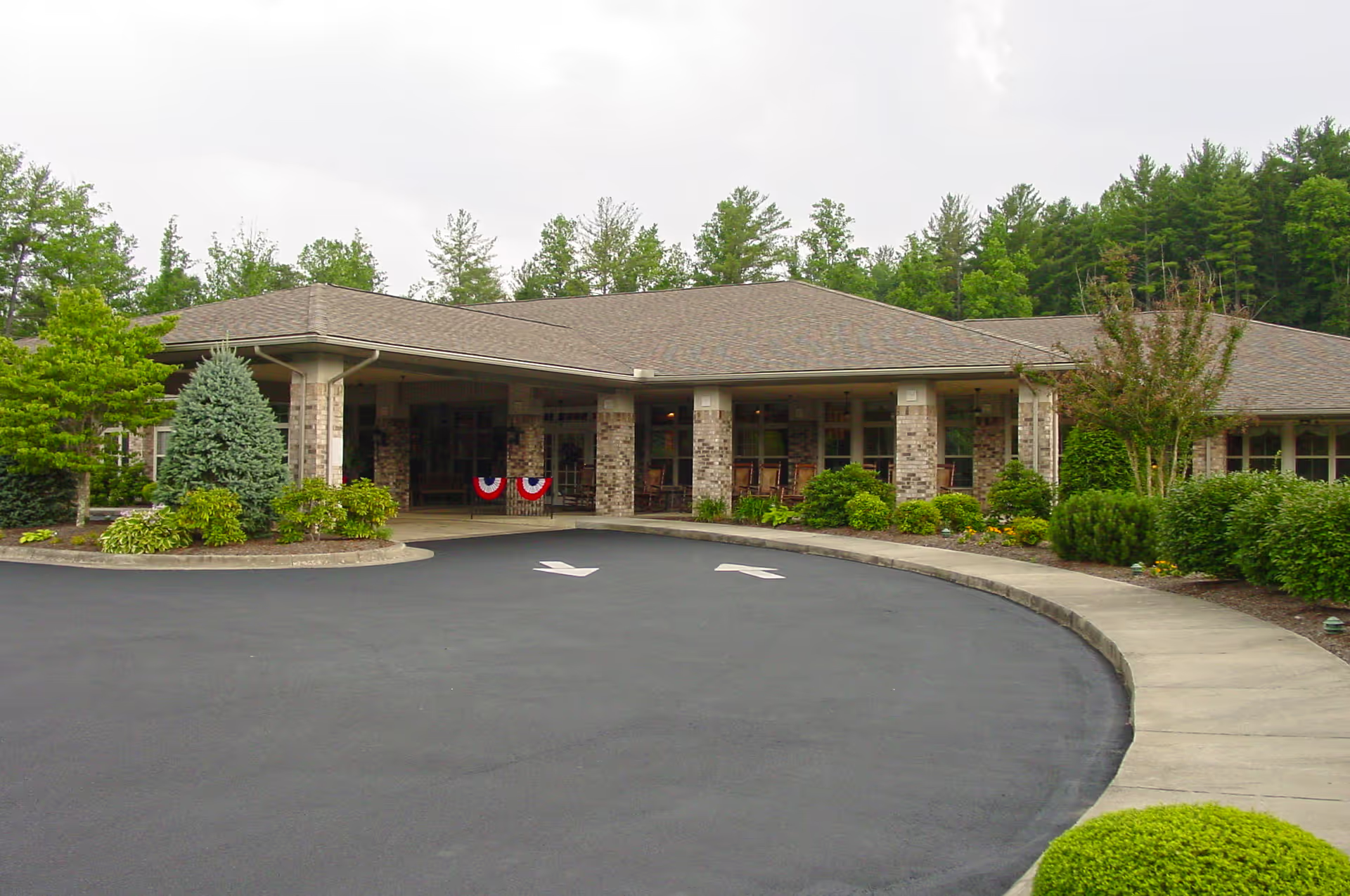
TerraBella Newton elicits strongly mixed impressions. Many reviewers describe a welcoming, well-kept campus with pleasant outdoor space, light-filled single-level design, and rooms that allow personalization. The facility’s activity program, when led by an engaged life-enrichment team, is consistently praised for producing socialization, music, outings, and individualized engagement. Multiple accounts highlight compassionate direct-care staff who know residents by name and create a family-like atmosphere; dining-room service and some menu offerings are also cited positively by families who experienced restaurant-style meals and attentive servers.
At the same time, a recurring pattern concerns variability in day-to-day operations. Staffing levels and turnover are frequent themes: reviewers describe periods of adequate, attentive care alongside other periods marked by insufficient coverage, delays in attending to personal-care needs, and uneven dementia-care support. While some teams demonstrate strong memory-care knowledge and effective communication, others lack dementia-specific training or consistent coverage on particular shifts. This inconsistency appears to drive divergent family experiences and concerns about safety oversight in the memory-care unit.
Housekeeping, sanitation, and infection-control practices surface as another source of variability. Many families praise a clean, well-maintained facility and landscaping; others note gaps in housekeeping processes, localized sanitation concerns (including a described infection-control event), and occasional maintenance problems such as mold. Personal-property controls and laundry processes are also identified as problematic in a number of accounts, with missing clothing and unsecured hygiene supplies cited as operational weaknesses.
Food and activities show similar variability. Several reviewers value the activity calendar, specialized programming, life-enrichment personalization, and regular outings. Conversely, other families find the food inconsistent in quality and the programming limited (relying heavily on basic crafts and bingo) or infrequently supplemented with off-site events. Transportation and appointment coordination are described as limited or unreliable in some cases, and that can affect access to dental or primary-care visits for residents.
Management and administrative issues are a prominent theme. Some reviewers single out knowledgeable, communicative leadership and an executive team that is responsive; others describe perceived lack of follow-through, communication lapses with families, and unclear billing practices (including added charges that families found opaque). These management inconsistencies appear to magnify the operational issues above, because timely corrective action and clear communication are repeatedly cited as differentiators between positive and negative experiences.
For prospective residents and families: on a tour and in follow-up conversations, ask concrete, verifiable questions about staffing ratios by shift, turnover rates, dementia-care training, housekeeping schedules and infection-control protocols, personal-property and laundry policies, transportation/appointment support, and the facility’s billing practices. Observe housekeeping and sanitation in common areas and memory-care units, meet the life-enrichment director to review typical weekly programming, and request documentation of how the facility handles incidents and family communication. Experiences at TerraBella Newton appear to vary considerably by unit and shift; careful, specific inquiries and multiple visits can help assess whether the facility’s current operational performance aligns with a family’s expectations and needs.