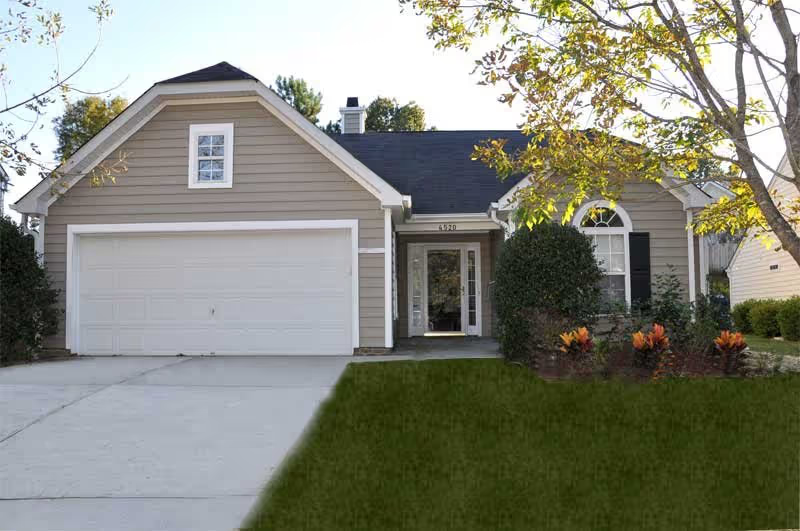
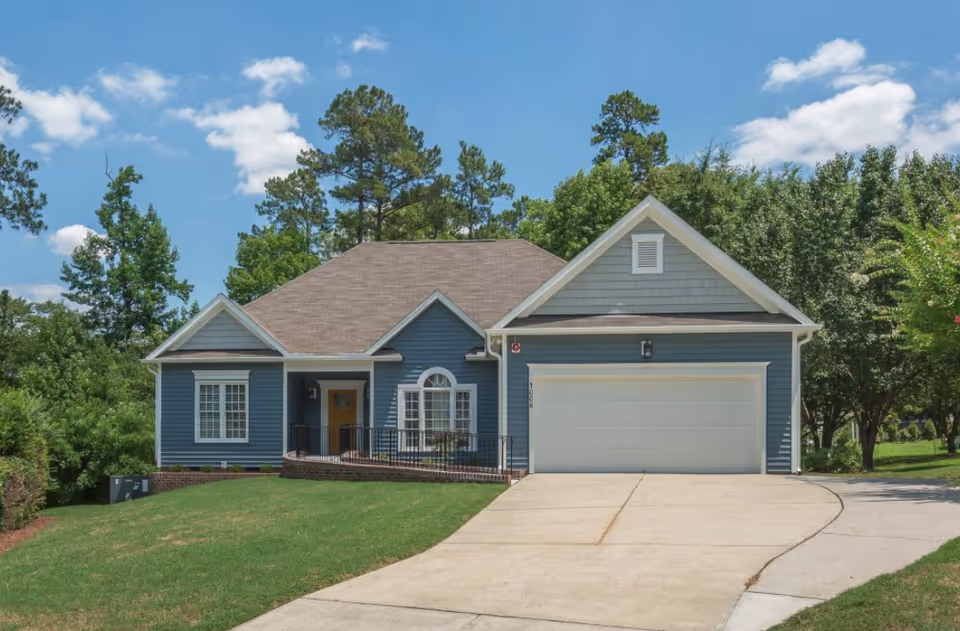
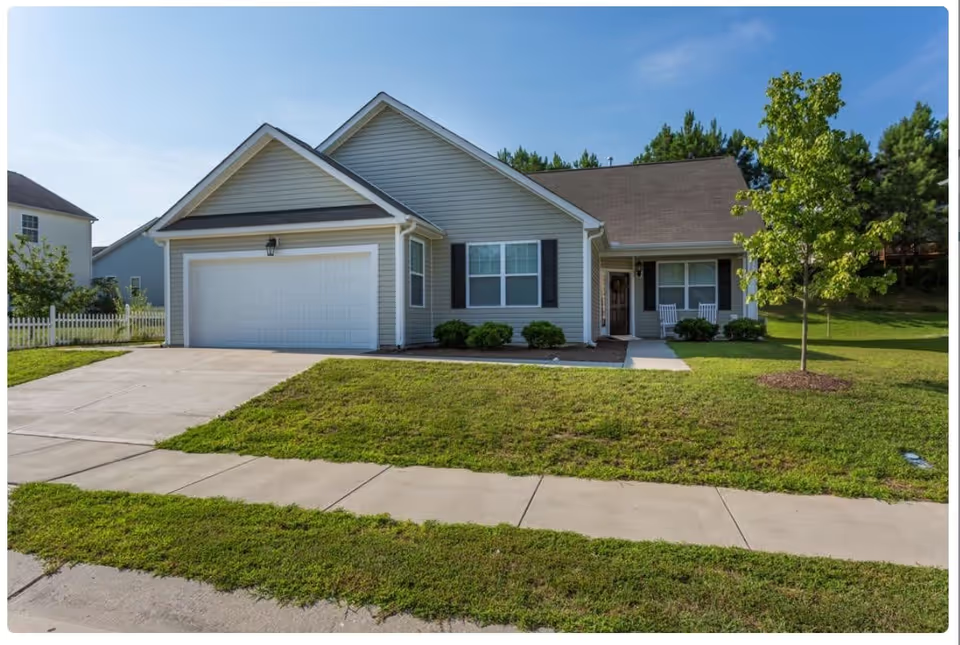
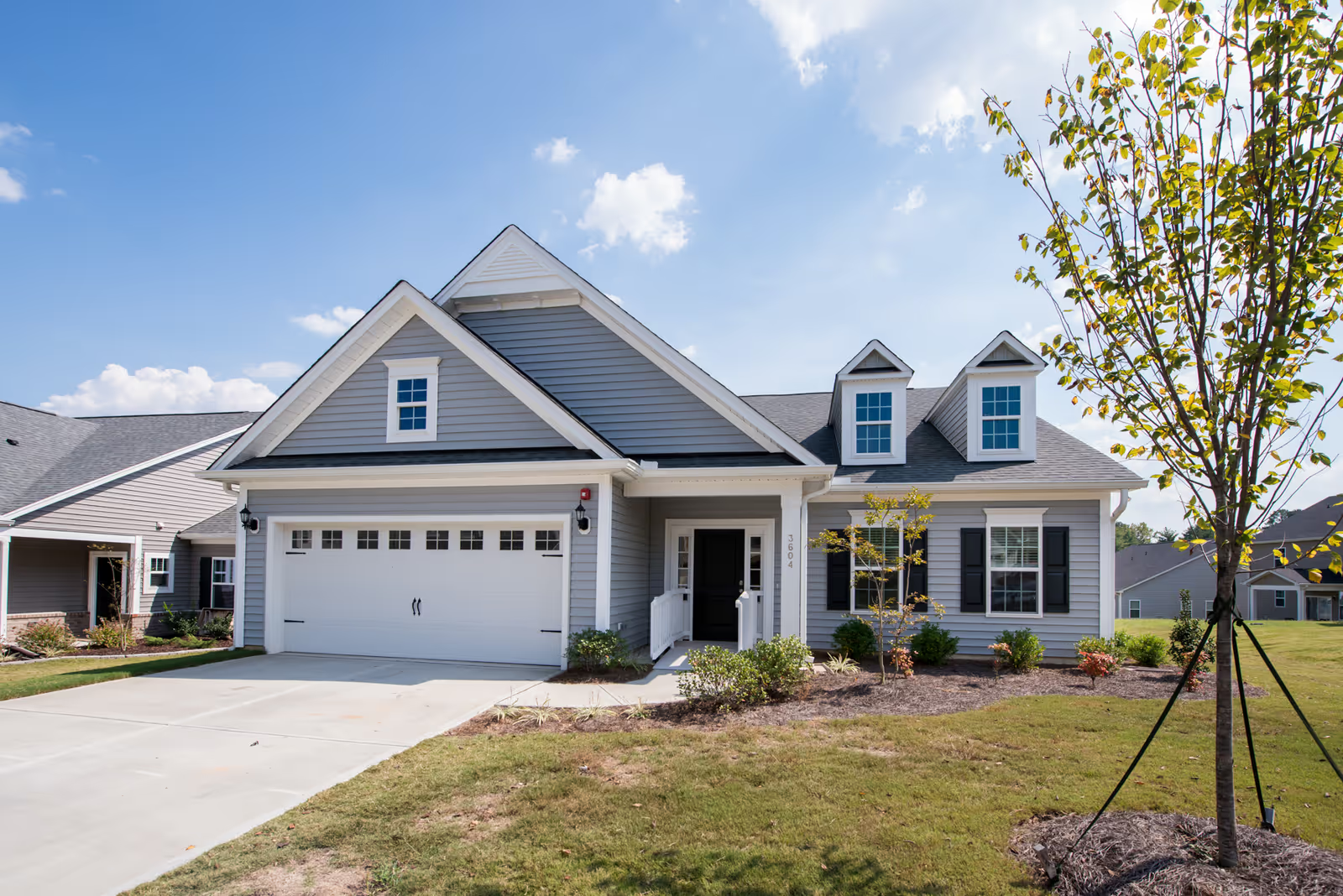
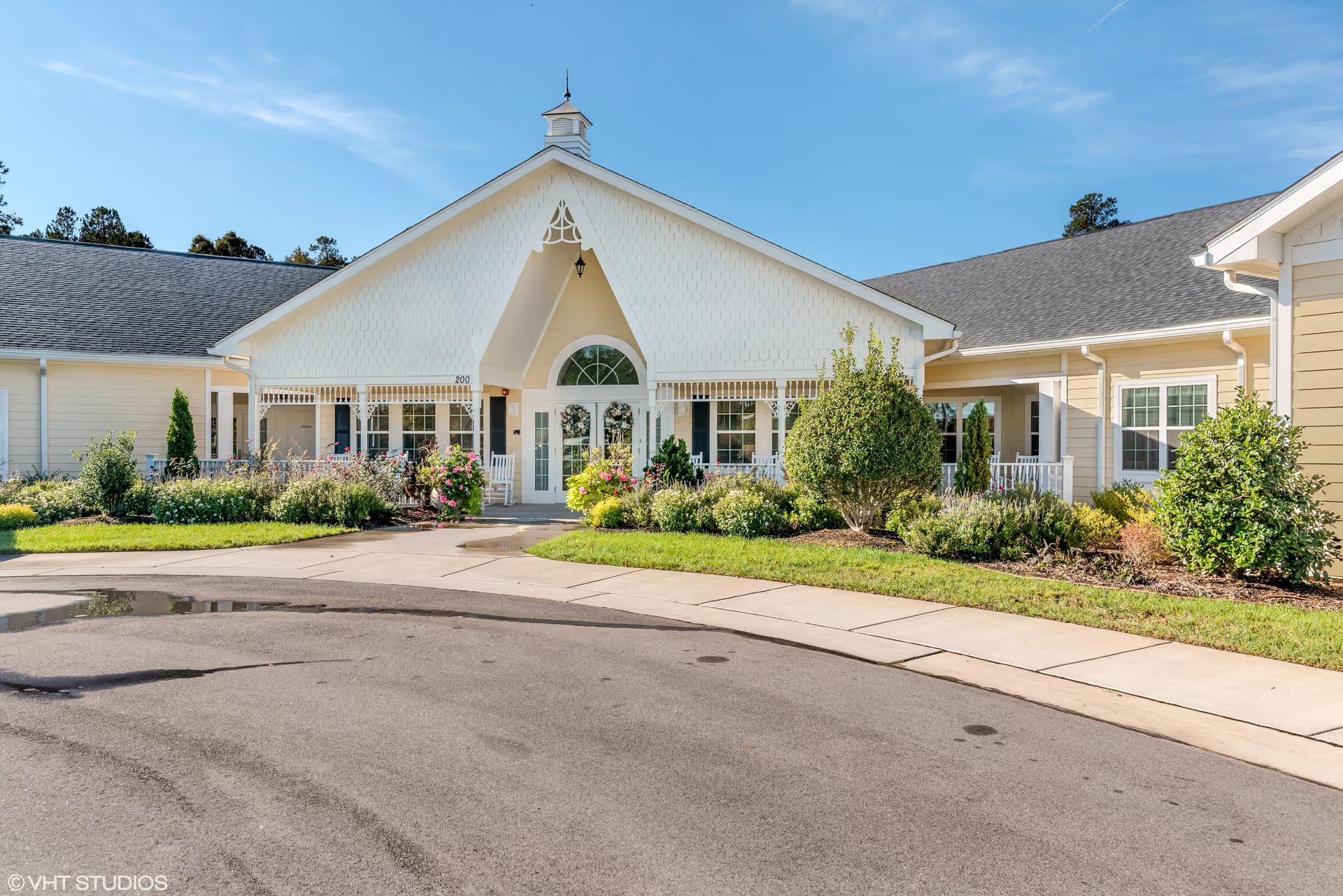
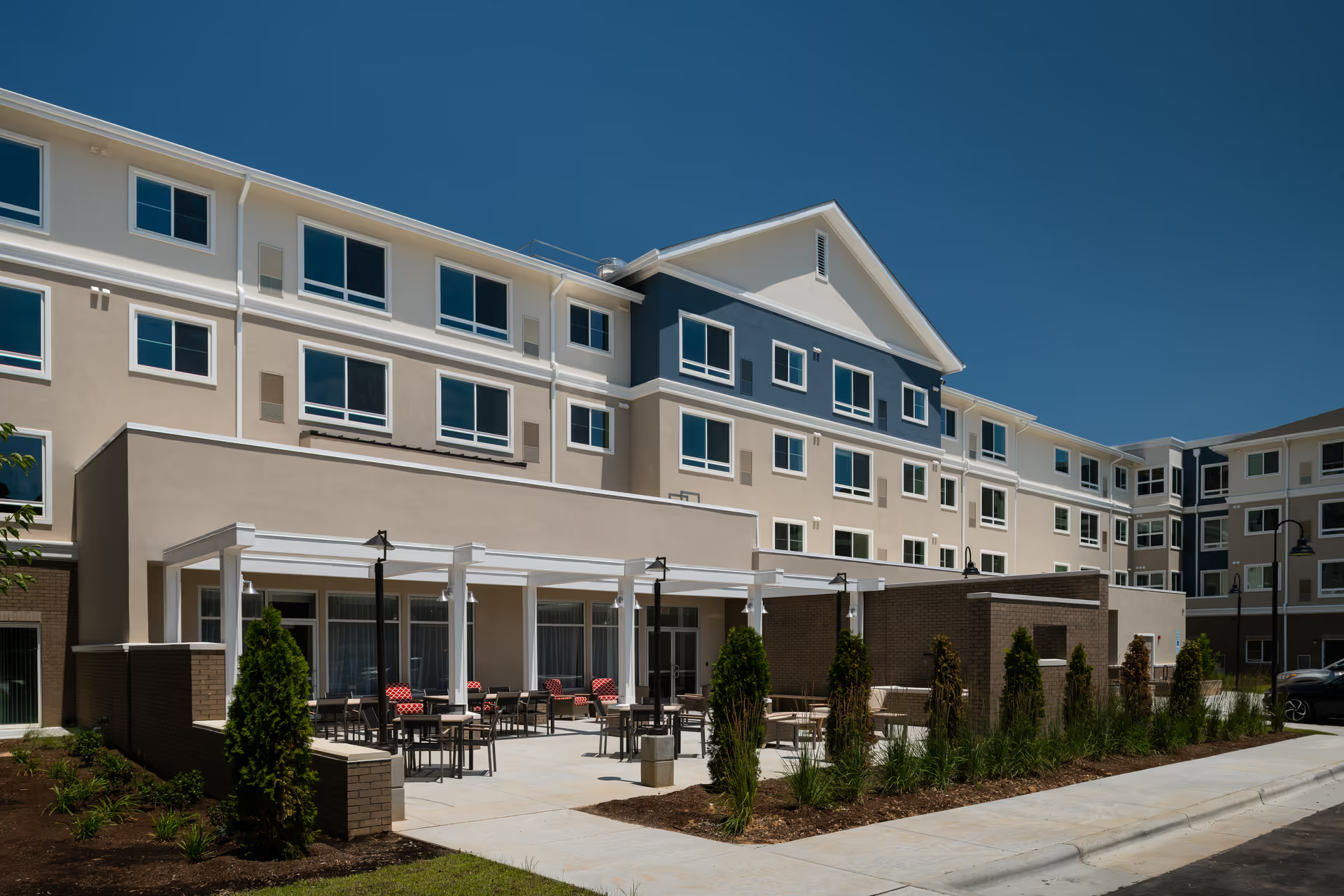
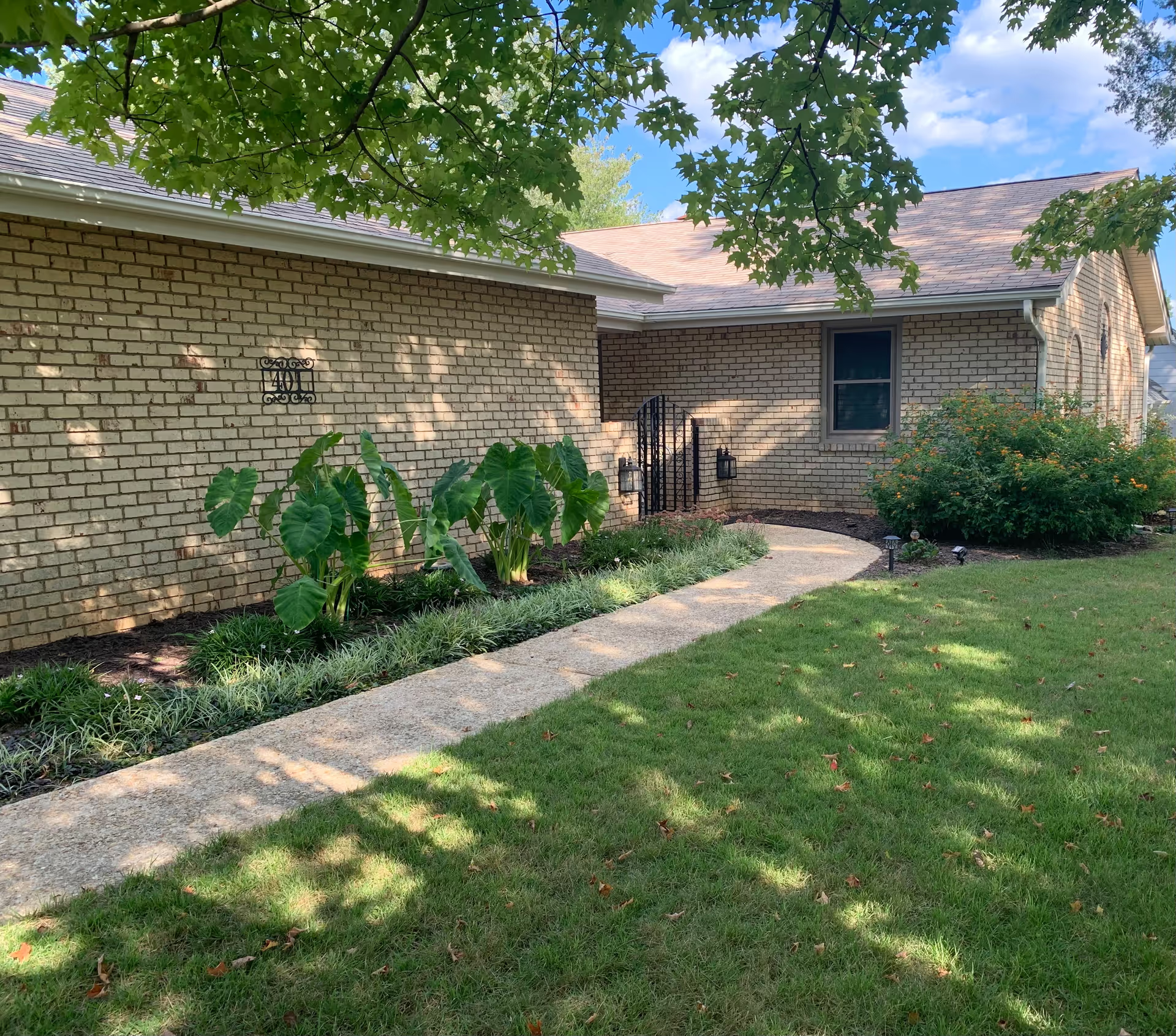
Wake Assisted Living Memory Care elicits a mixed but clearly clustered set of impressions. Many reviewers emphasize strong, compassionate frontline caregiving: aides and nurses are frequently described as attentive, warm, and willing to go beyond routine duties. Several families highlighted an engaged activities director and on-site therapy team that help keep residents socially connected and active. The community’s smaller, home-like scale, proximity to a hospital, and acceptance of Special Assistance/Medicaid were noted as practical advantages, and a number of reviewers cited clean interior spaces and routine maintenance as positives.
At the same time, a consistent pattern of operational weaknesses appears across reviews. Staffing instability and high turnover are repeatedly cited and correlate with several other concerns: gaps in clinical coverage and medication-administration oversight, inconsistent bathing and ADL support, and uneven overnight supervision. While some families reported access to nursing coverage and excellent clinical coordination (including hospice partnerships), others described limited clinical staffing at times, which suggests variability in on-site clinical resources.
Dining and daily programming present a mixed picture. The activities leadership receives praise for creativity and resident engagement, yet multiple accounts point to variability in activity availability and frequency. Dining quality and portion consistency were also raised as concerns by several families. Relatedly, laundry handling and the security of personal belongings were identified as operational weak points that have produced distress for some residents and families.
Cleanliness and facility condition are areas of divergence. Numerous reviewers described interior areas and resident rooms as clean and well cared for, but others raised sanitation concerns, odor concerns in parts of the building, and pest-control issues. The physical plant is described as older with dated furnishings in places; maintenance is evident in many areas but appears uneven in outdoor and high-traffic zones.
Management and communication practices attract both praise and criticism. Some families noted proactive, compassionate administration and timely coordination with hospitals; others reported slow or unresponsive complaint handling, inconsistent documentation and paperwork processes, and concerns about the tone or professionalism of certain administrative staff. Prospective families should expect variability in responsiveness and should confirm preferred communication and escalation pathways during touring and contracting.
Overall, Wake Assisted Living Memory Care may be a good fit for families prioritizing a smaller, value-oriented memory-care setting with engaged direct-care staff and active programming. However, prospective residents and their representatives should investigate current staffing patterns, clinical coverage, laundry and personal-belongings procedures, and sanitation/pest-control measures during the visit. Asking for recent staffing rosters, incident-response protocols, and references from current families can help clarify whether the facility’s strengths are consistently in place for an individual resident’s needs.