The Greens at Spruce Pine elicits a polarized profile from families: several reviews praise the facility’s rehabilitation services, certain clinical leaders, and housekeeping, while other accounts describe operational gaps that families found significant. The therapy team and physical-therapy program are consistently highlighted as strengths — reviewers cite dedicated therapists, rapid strength recovery, and high-quality rehabilitation outcomes. Admissions interactions are frequently described positively, with specific admissions staff named for supportive, helpful intake experiences.
Nursing and direct-care staff receive mixed evaluations. Many reviewers describe compassionate, knowledgeable nurses and CNAs who check on residents frequently and provide attentive care; these caregivers and housekeeping are often credited with maintaining clean common areas. Conversely, other accounts point to variability in CNA skill and professionalism, staffing shortages, and instances where staff presence and responsiveness were insufficient. These contrasting observations suggest that day-to-day care experience may depend strongly on shift coverage and individual caregivers on duty.
Clinical concerns raised by reviewers center on nutrition monitoring, weight loss, and wound prevention. Several families reported delays in dietary intervention and notable unintended weight loss, and some described pressure-ulcer development that families felt reflected gaps in skin-care protocols. Related themes include inconsistent meal quality and perceived delays or lack of timely clinical follow-up. There are also comments indicating variable physician engagement and coordination with the facility’s nursing team.
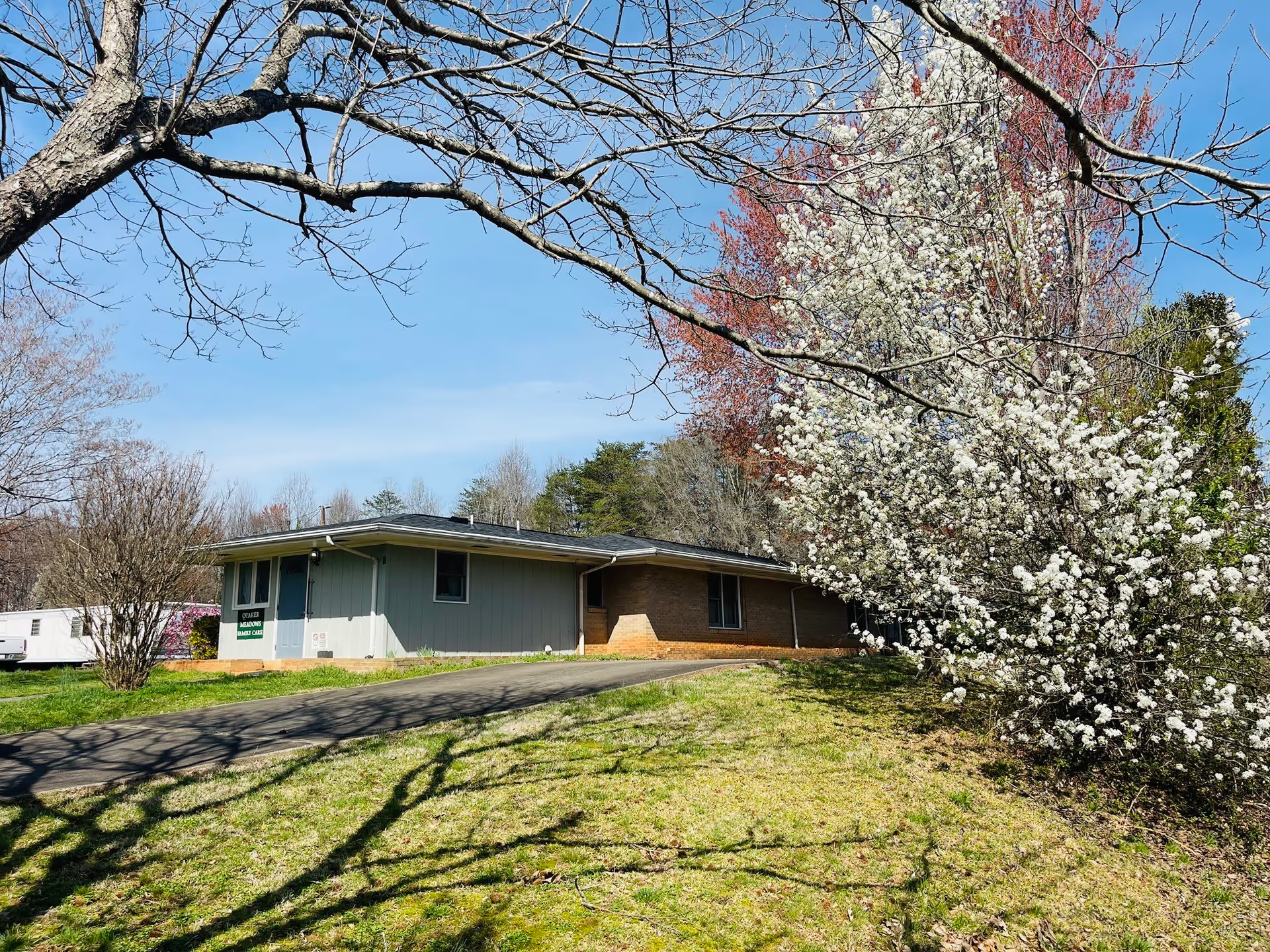
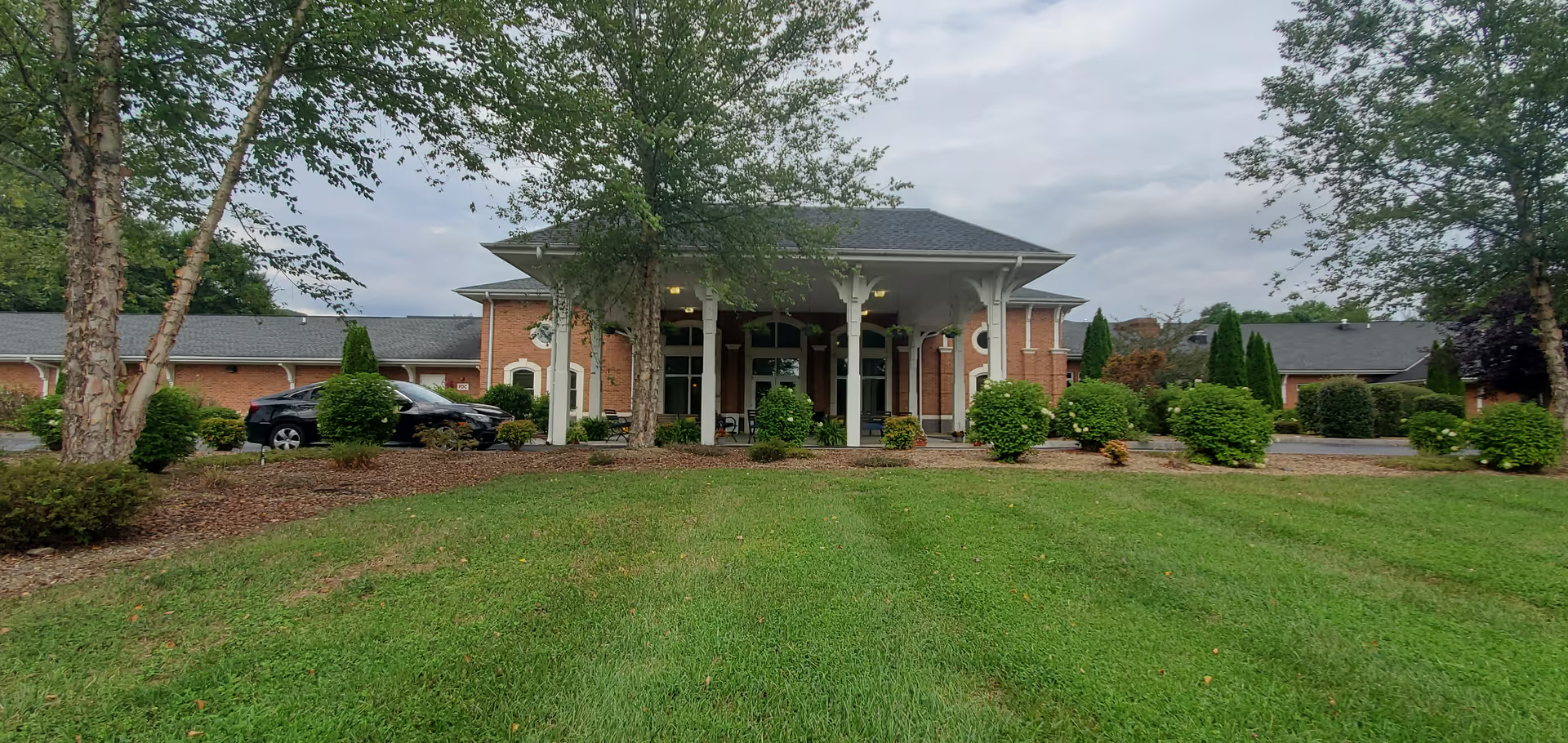
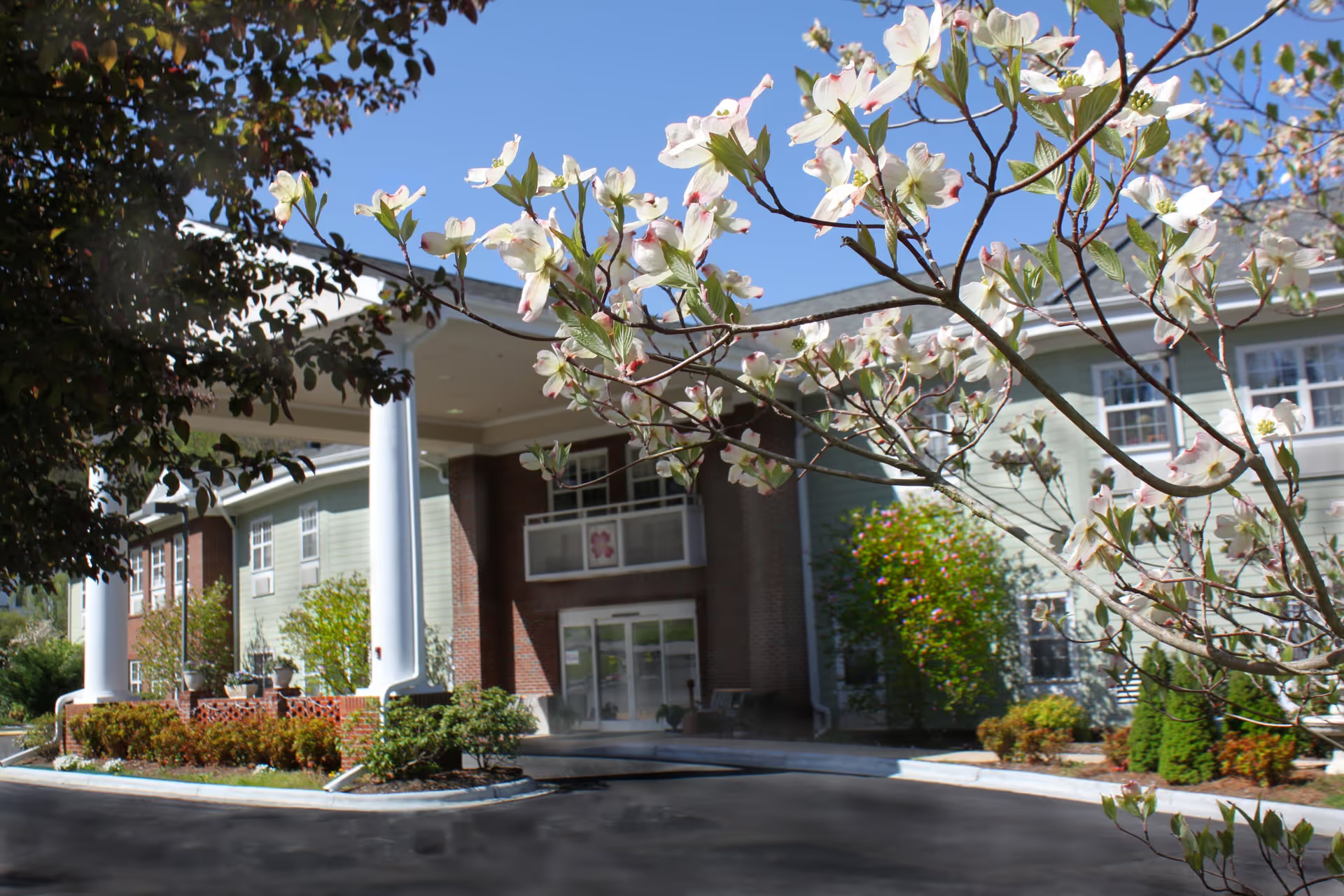
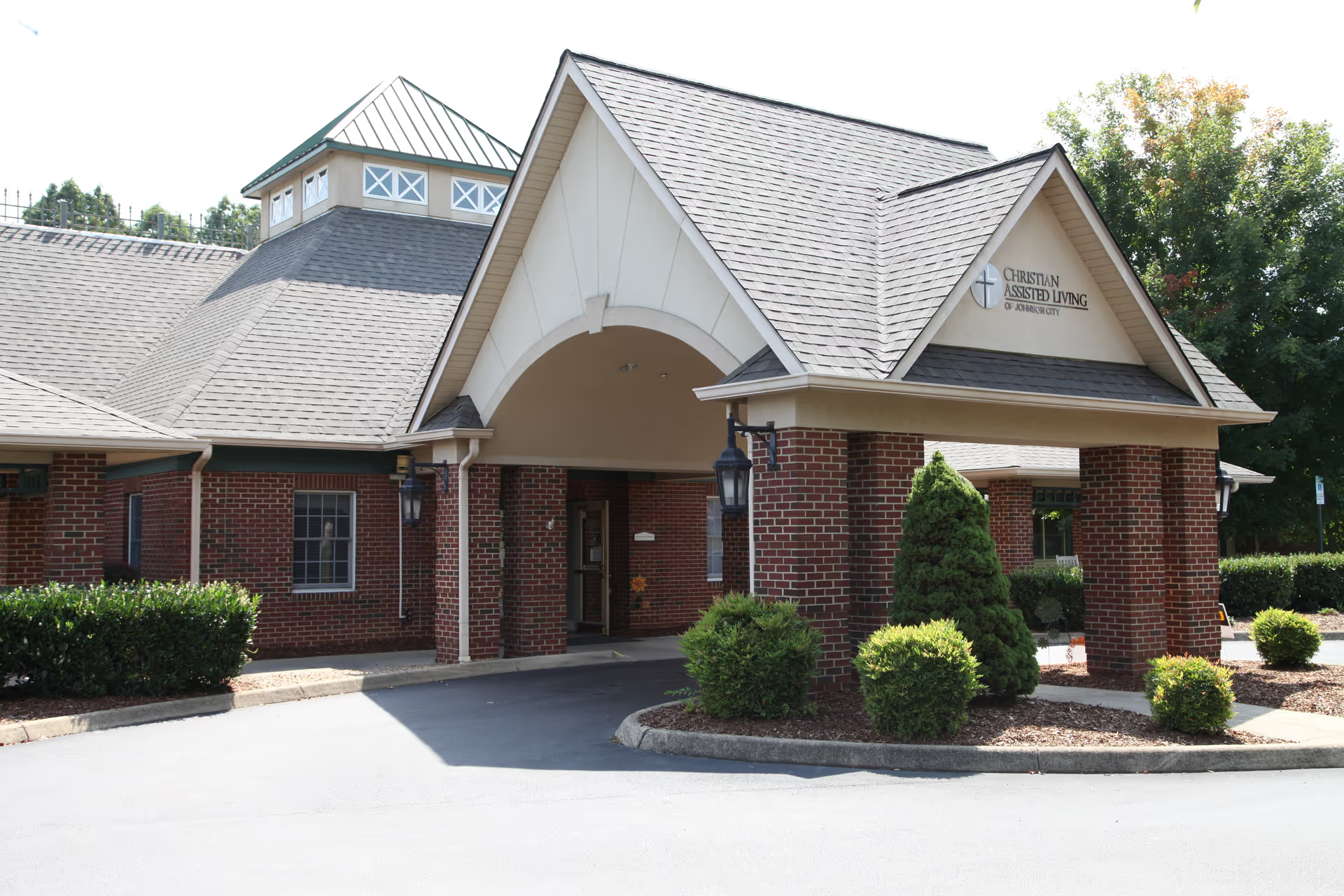
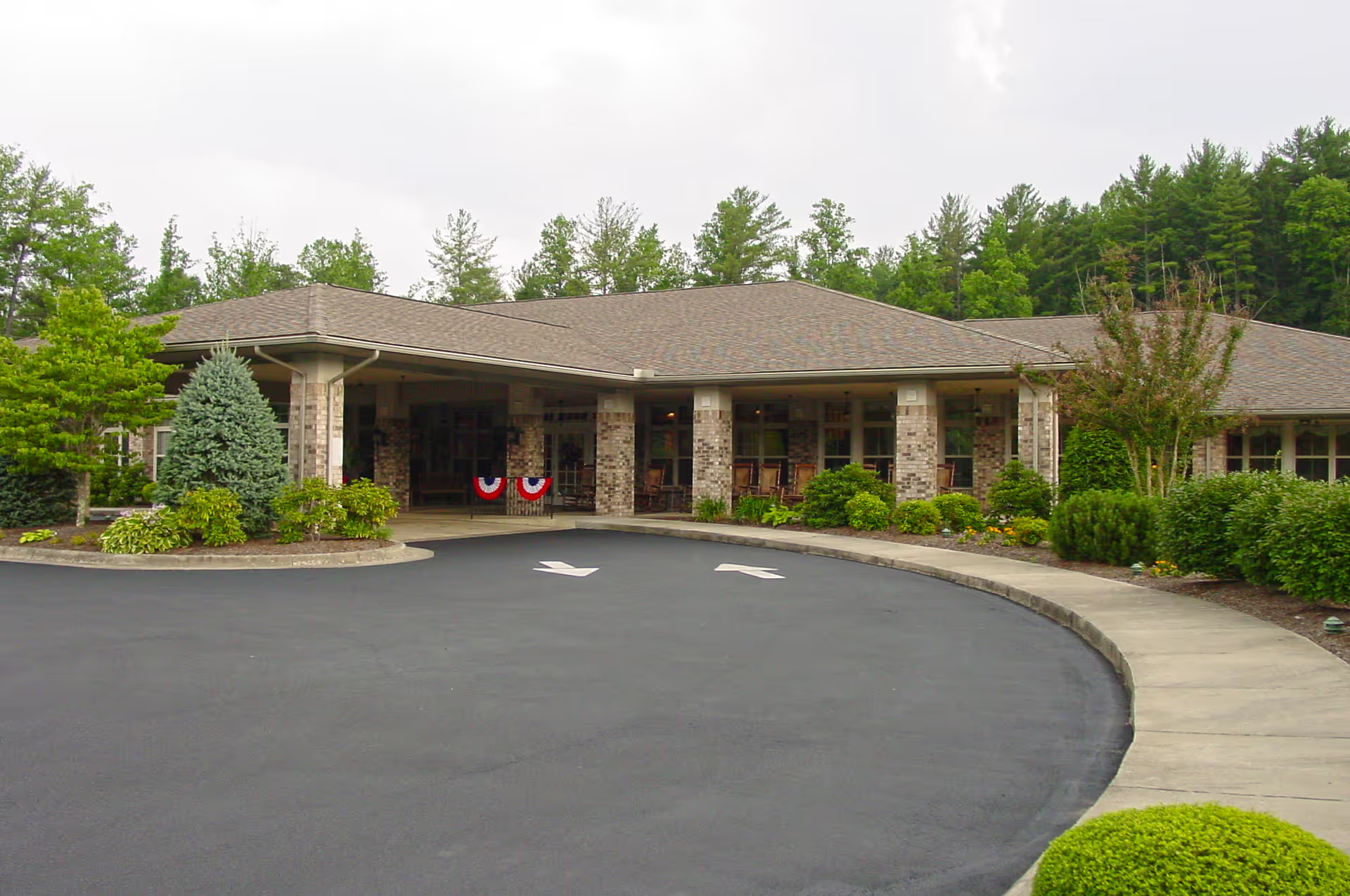
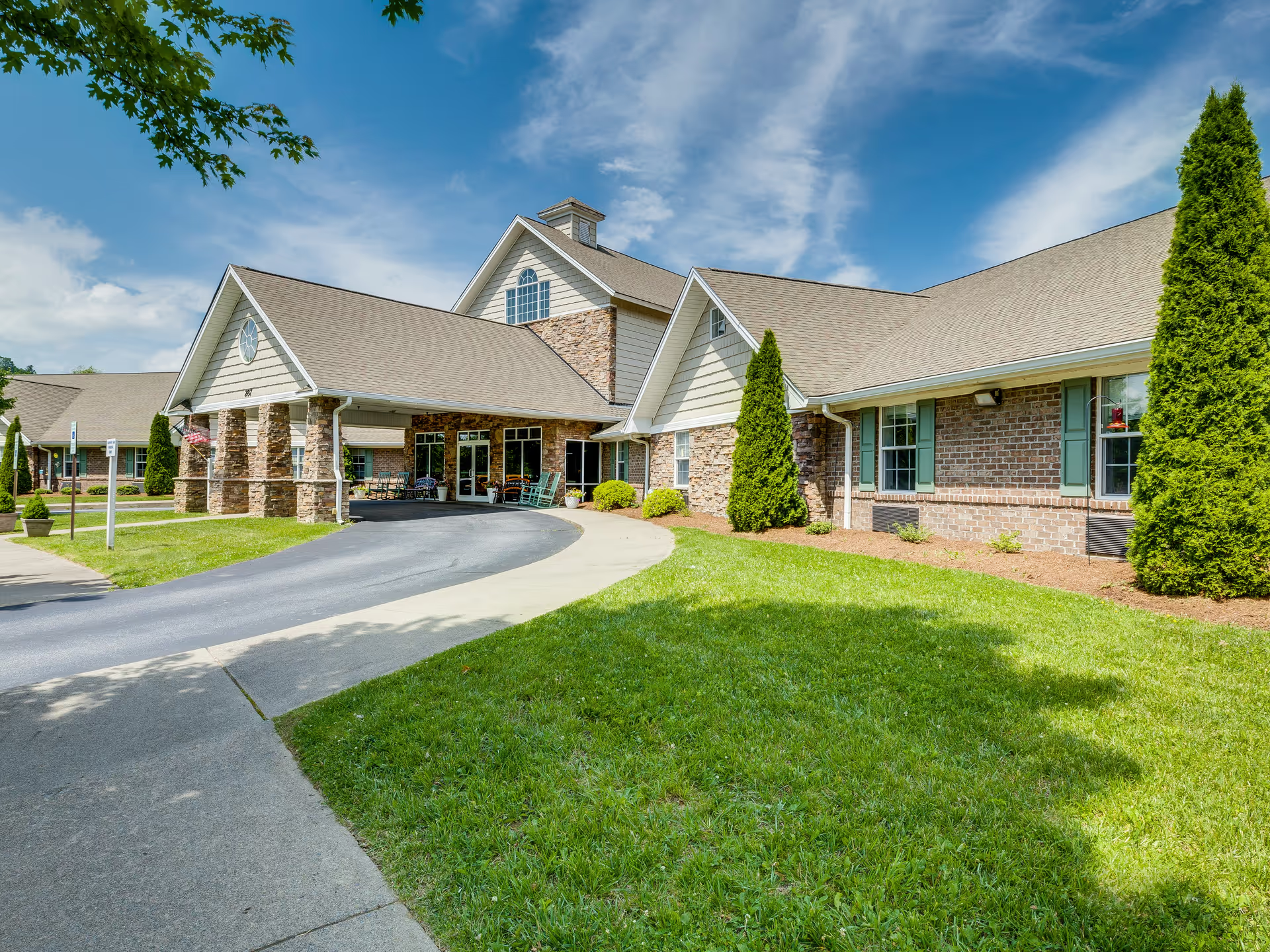
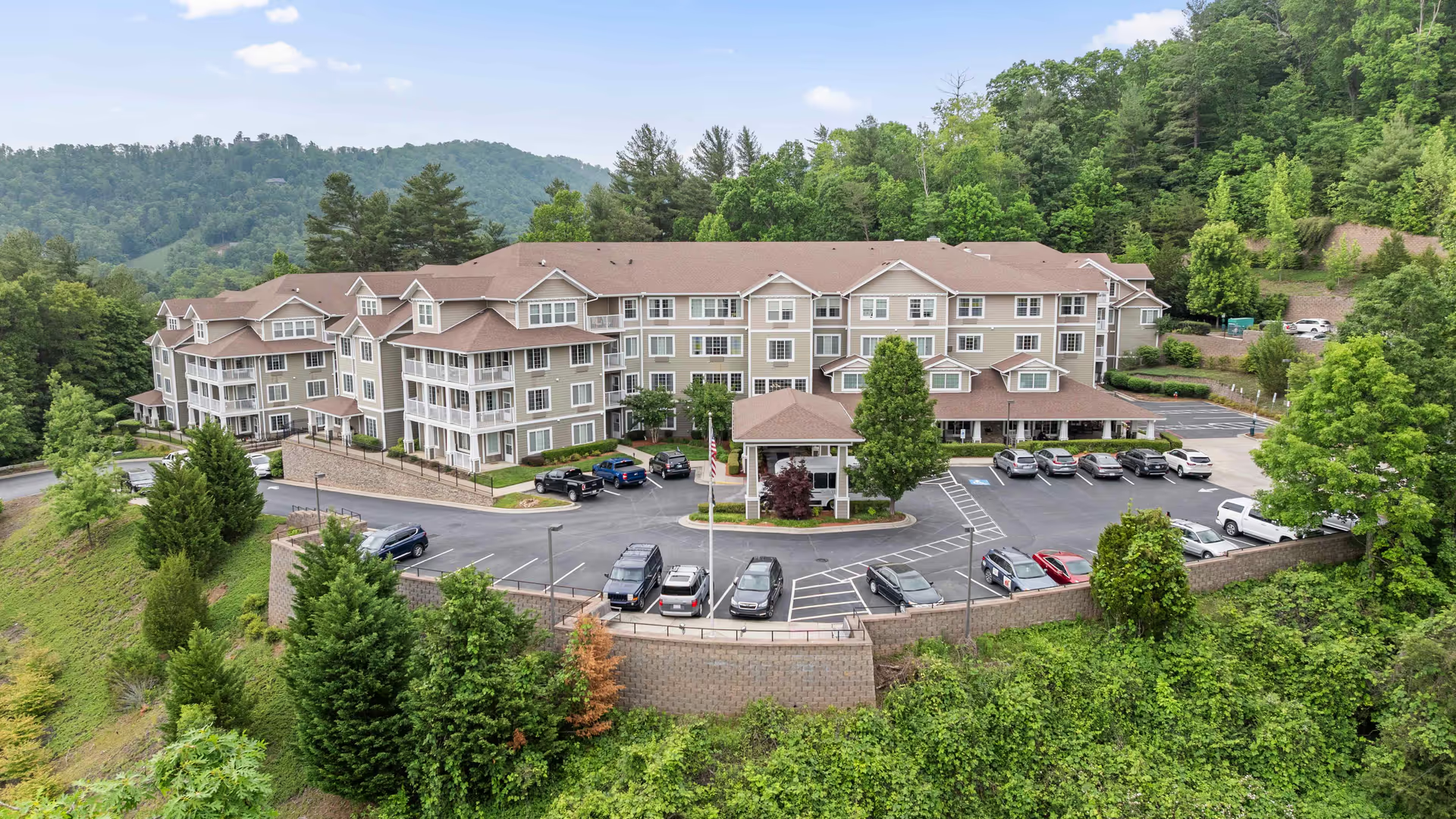
Facility and amenities are generally described as clean and well-maintained, with standard offerings and a small-community atmosphere. Housekeeping and common-area cleanliness are repeatedly noted as positive. However, a subset of reviews describes sanitation inconsistencies in resident rooms and concerns about supply availability, suggesting uneven implementation of cleaning or room-turnover procedures.
Communication and culture are additional areas of divergence. Several reviewers praised supportive leadership, including positive mentions of the director of nursing and assistant director of nursing, while others described communication shortfalls, argumentative interactions when raising concerns, and a workplace culture they characterized as task-oriented or pay-driven. There is at least one serious allegation related to staff conduct; such claims underscore the importance of verifying staff professionalism and complaint resolution processes.
Overall, The Greens at Spruce Pine appears to offer strong rehabilitation services and periods of high-quality, compassionate nursing care, supported by attentive housekeeping and a generally well-kept facility. At the same time, recurring operational themes — inconsistent staffing, variable CNA performance, gaps in nutrition and wound-care monitoring, and communication deficits — represent important risk areas to probe when evaluating the community. Prospective residents and families should ask about staffing ratios by shift, nutrition and weight-monitoring protocols, wound-prevention procedures, physician coverage and care coordination, recent state inspection findings, and how the facility addresses complaints and staff conduct issues before committing to a placement.