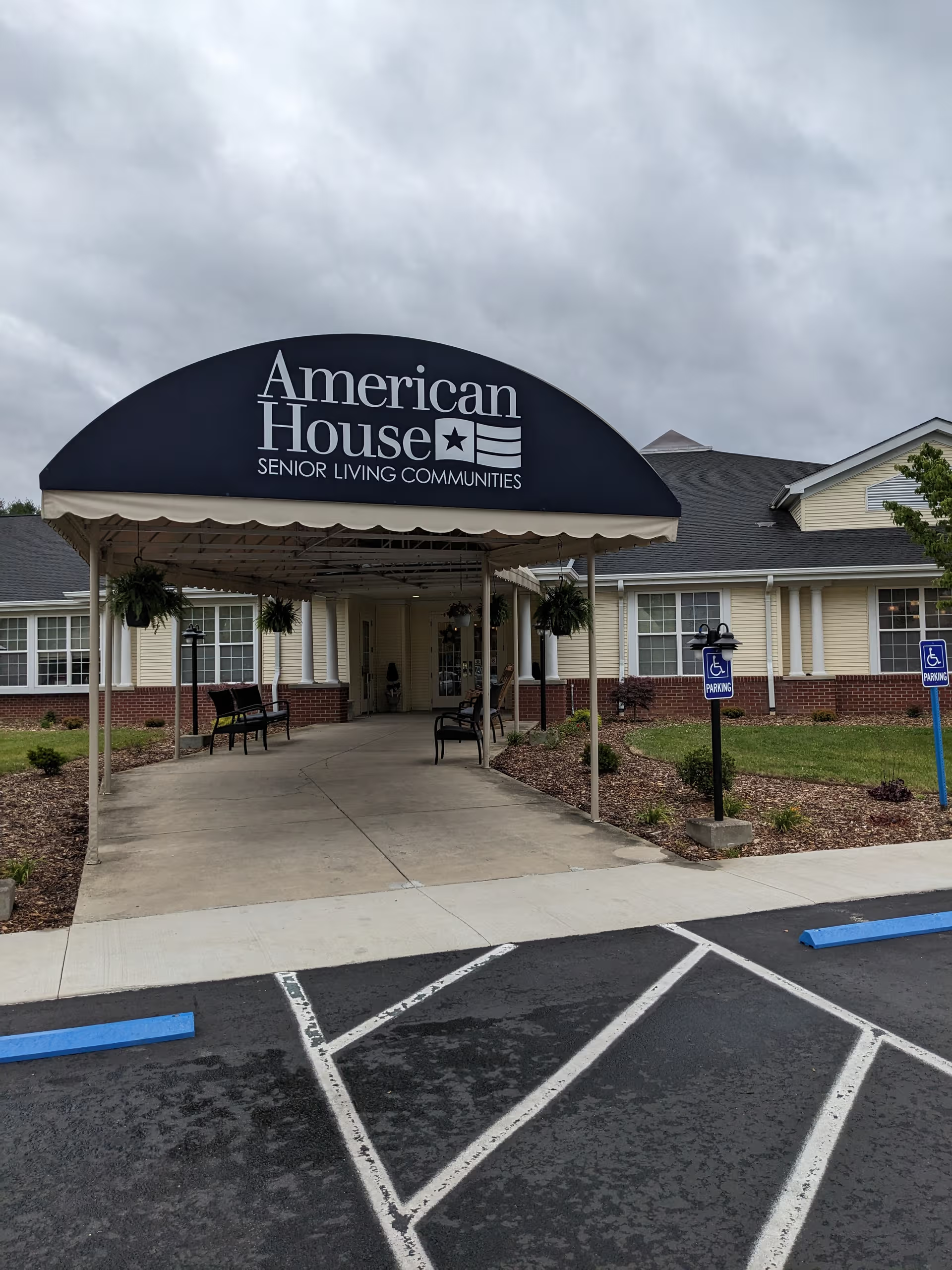
Christian Assisted Living of Johnson City is frequently described as a small, faith‑oriented community with a strong emphasis on person‑centered caregiving. Families and residents consistently praise nursing assistants and nurses for being warm, attentive, and engaged; many reviewers used terms implying a family‑style atmosphere and noted staff teamwork and responsiveness. The facility's memory‑care programming and dementia support received positive comments alongside mentions of improved resident well‑being after admission.
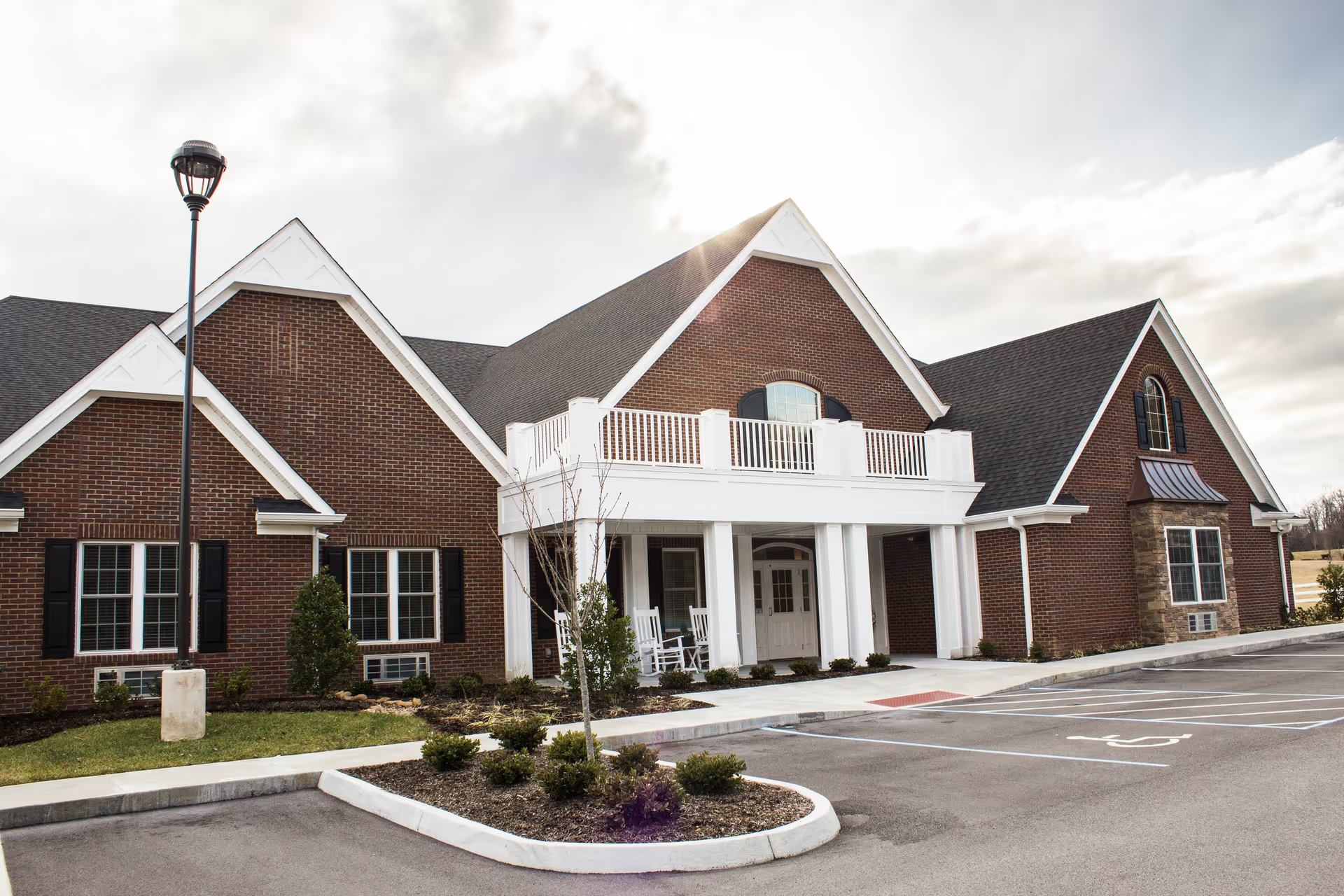
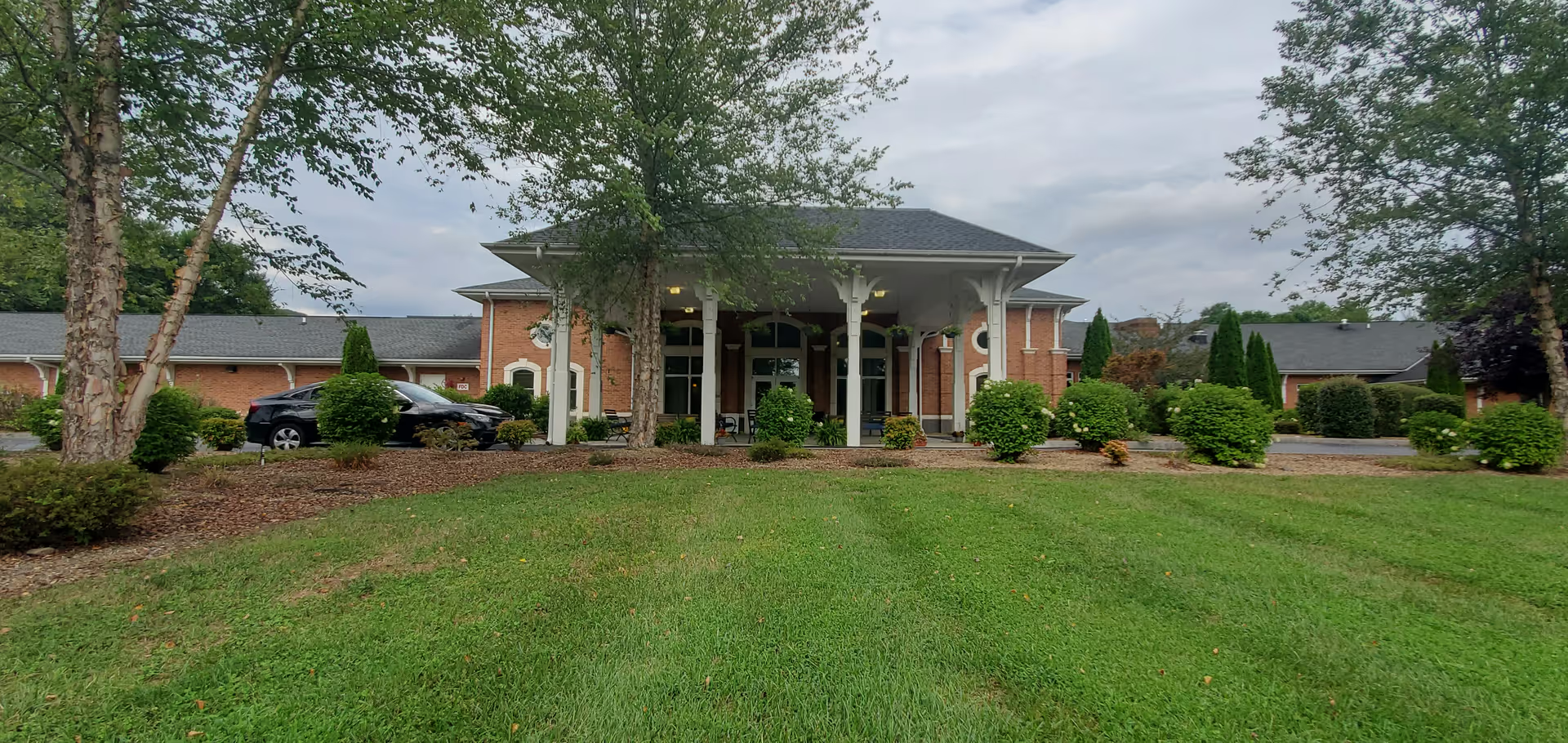
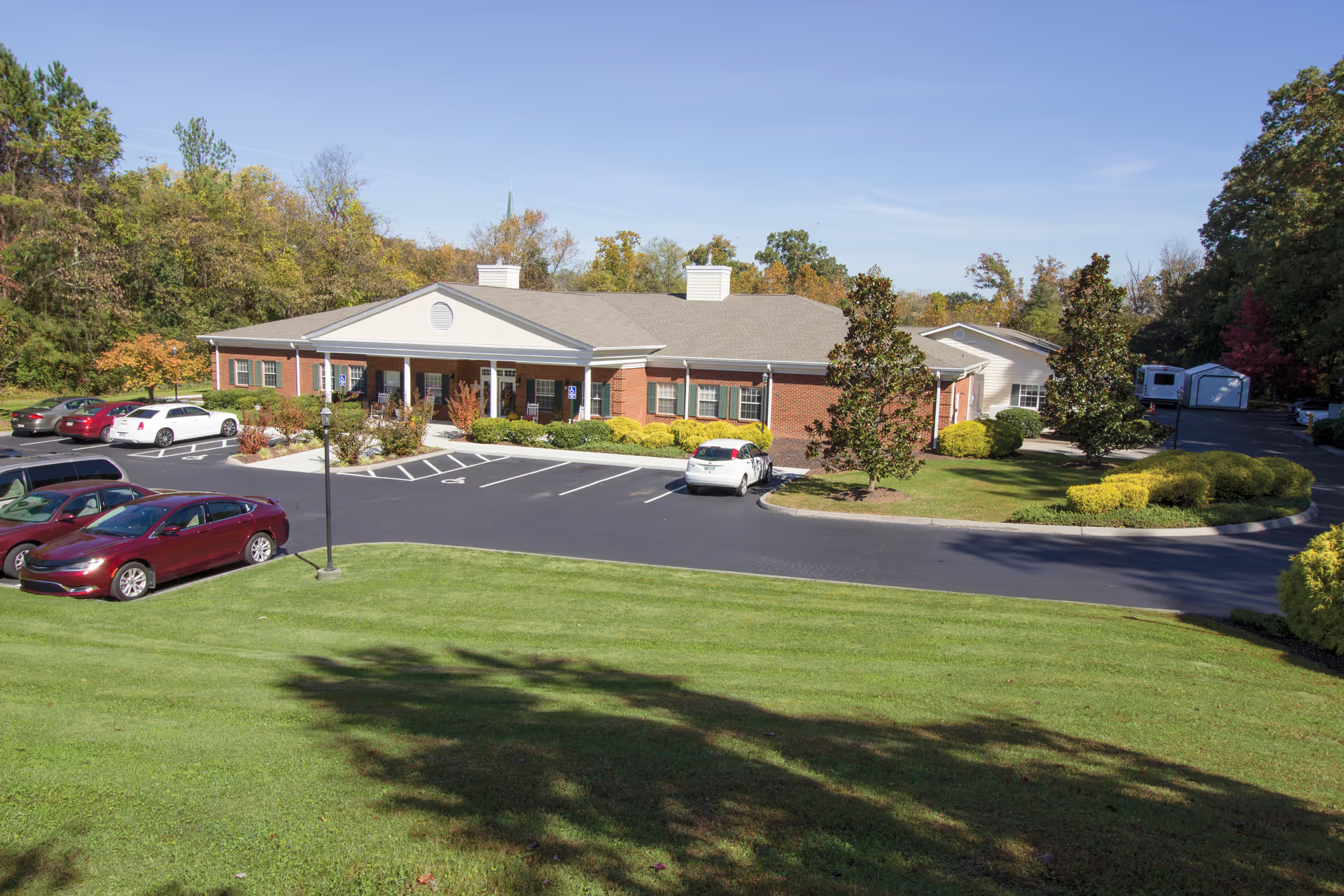
The physical environment is another commonly cited strength. Reviewers describe a bright, well‑lit interior, clean common areas, and an enclosed, landscaped courtyard that supports safe outdoor access. The community is pet friendly (cats and dogs), and several suites include in‑room conveniences such as a sink, refrigerator, and microwave. Housekeeping and laundry services are generally viewed as reliable, and the dining area and meal variety were often called appealing.
Programmatic offerings include daily activities, devotional programming, and social opportunities such as games and bingo; reviewers note active programming seven days a week and transportation assistance for appointments. Clinically, some families praised efficient medication processes and proactive emergency assessment/alerting systems, which contributed to a sense of safety and peace of mind for many.
Alongside these positives, recurring operational concerns surface in ways that prospective families should consider. Staffing instability and turnover — including changes in management — appear to affect continuity of care and office communication. Several accounts indicate inconsistent follow‑through from administrative staff, variable room cleaning or sanitation practices, and uneven enforcement or clarity of dining policies (for example, extra charges for meals delivered to rooms and restrictions that were perceived as inconsistently applied). Food quality and specific meal experiences were described inconsistently across reviews, suggesting that dining may vary by time or shift.
Clinical and procedural gaps were also raised. Some reviewers described unclear or incomplete clinical documentation and challenges in communication during hospital transfers or care transitions. A small number of accounts cited limited transparency around psychotropic‑medication decisions and the rationale for certain transfers. There were also comments about short‑notice resident relocations and periodic facility areas that feel outdated and could benefit from renovation.
Overall, this community presents as a caring, faith‑based option with strong hands‑on caregiving, a bright and clean physical environment, active programming, and pet‑friendly outdoor space. However, prospective residents and families should ask targeted questions about staffing levels and turnover, administrative and clinical communication protocols, meal‑service policies and costs, documentation practices for clinical changes and transfers, and plans for facility updates. A focused tour that includes memory‑care neighborhoods, a review of current staffing patterns, sample menus, and clarification about emergency and transition procedures will help determine whether the operational tradeoffs align with a family’s priorities.