Overall impression: Reviewers portray American House Johnson City as a facility with a consistently strong caregiving culture and active resident life, with the staff identified as the facility's primary strength. Nursing aides, CNAs, and many nurses are frequently described as caring, patient, and engaged; several accounts emphasize individualized attention, empathetic admission support, and proactive coordination with families and outside agencies. Memory-care services receive particularly favorable comments in multiple accounts, with round-the-clock care and staff kindness highlighted as sources of family reassurance.
Care and staffing: Clinical and hands-on care are generally seen as positive, driven by committed direct-care teams. At the same time, a recurring operational pattern involves inconsistent staffing levels that can produce service delays — notably slower responses to call bells and phone inquiries, delayed showers or grooming assistance, and occasional missed or delayed meals. Families and prospective residents should verify current staffing coverage for the specific unit and shifts of interest and ask about contingency plans for understaffed periods.
Dining and nutrition: Dining is often described as a relative strength — many reviewers praise the food quality, variety, and dining atmosphere, including dual-entrée options and accommodating meal service. That said, there is variability noted: some families describe mediocre or repetitive menus, weekend-service inconsistencies, and an isolated food-safety allegation that warrants direct follow-up. Prospective residents should sample meals and ask about weekend kitchen staffing, menu rotation, and food-safety protocols.
Activities and resident life: Activity programming is broad and well-developed in many areas: music groups, church services, Bible study, bingo, outings, family nights, arts and crafts, and educational events are commonly mentioned. These offerings contribute to a lively community feel and frequent social engagement. However, programming in the memory-care unit is described inconsistently across accounts — while some call it phenomenal, others indicate limited or poorly executed activity options there. Clarify the memory-care activity schedule and staff-to-resident ratios during a tour.
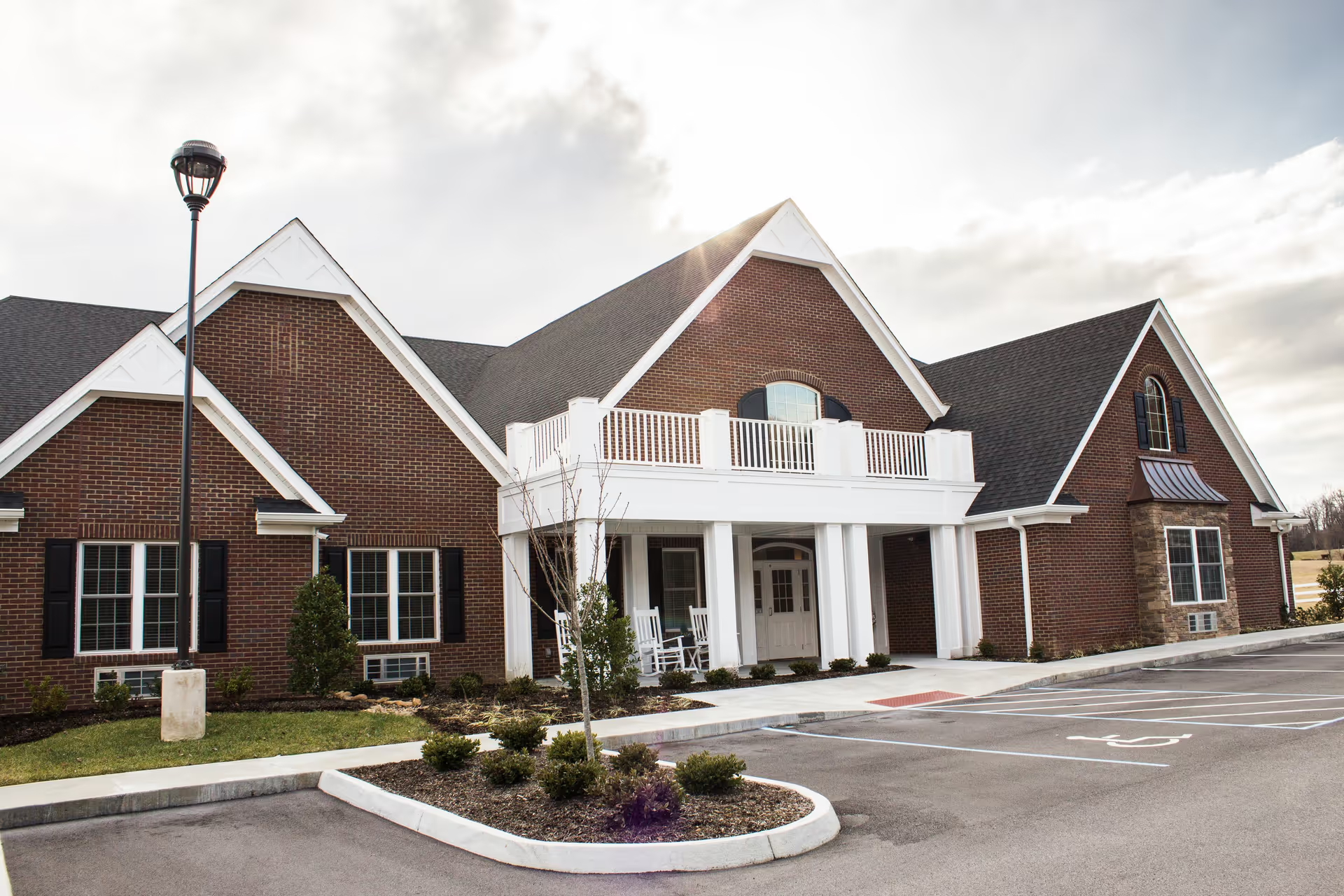
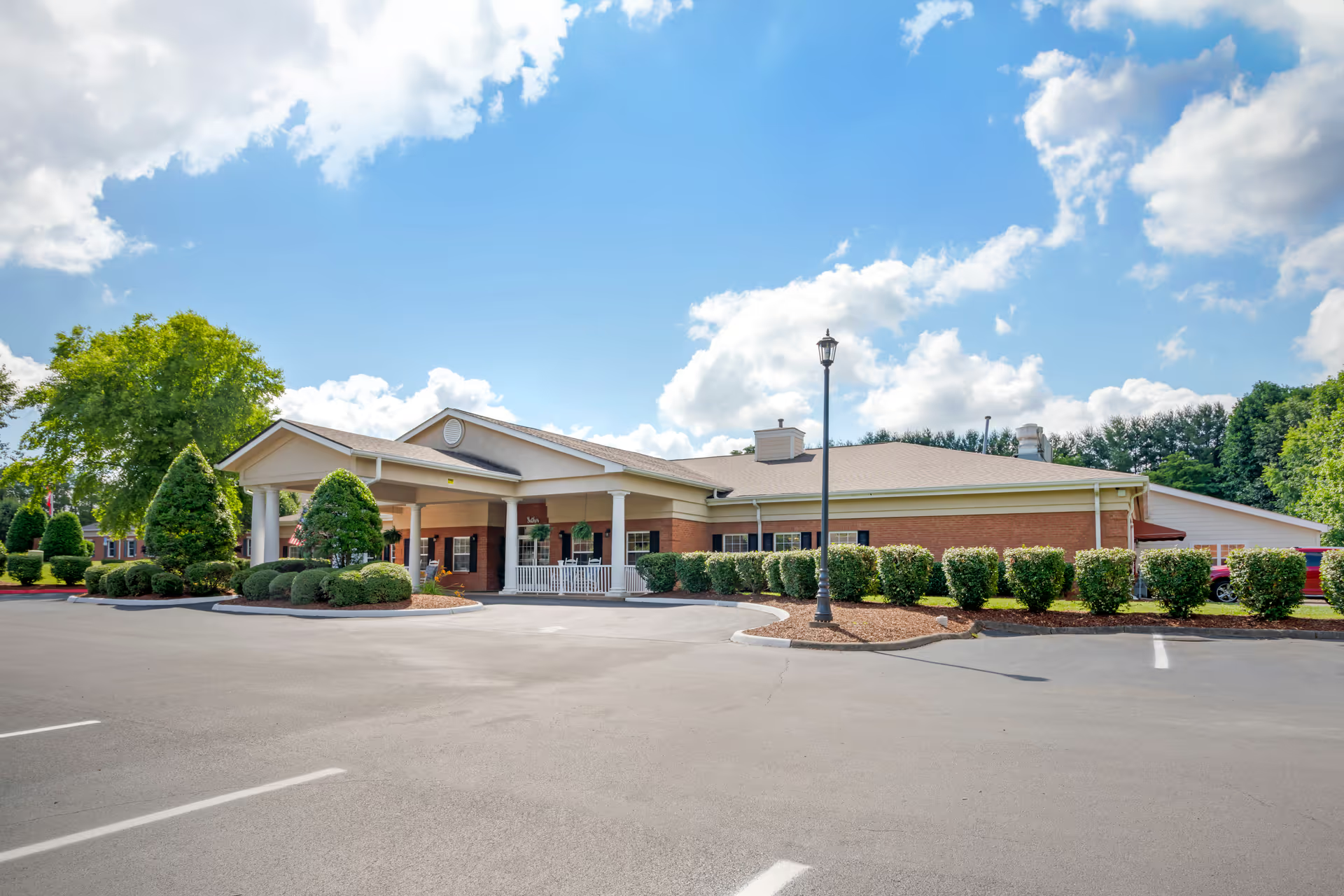
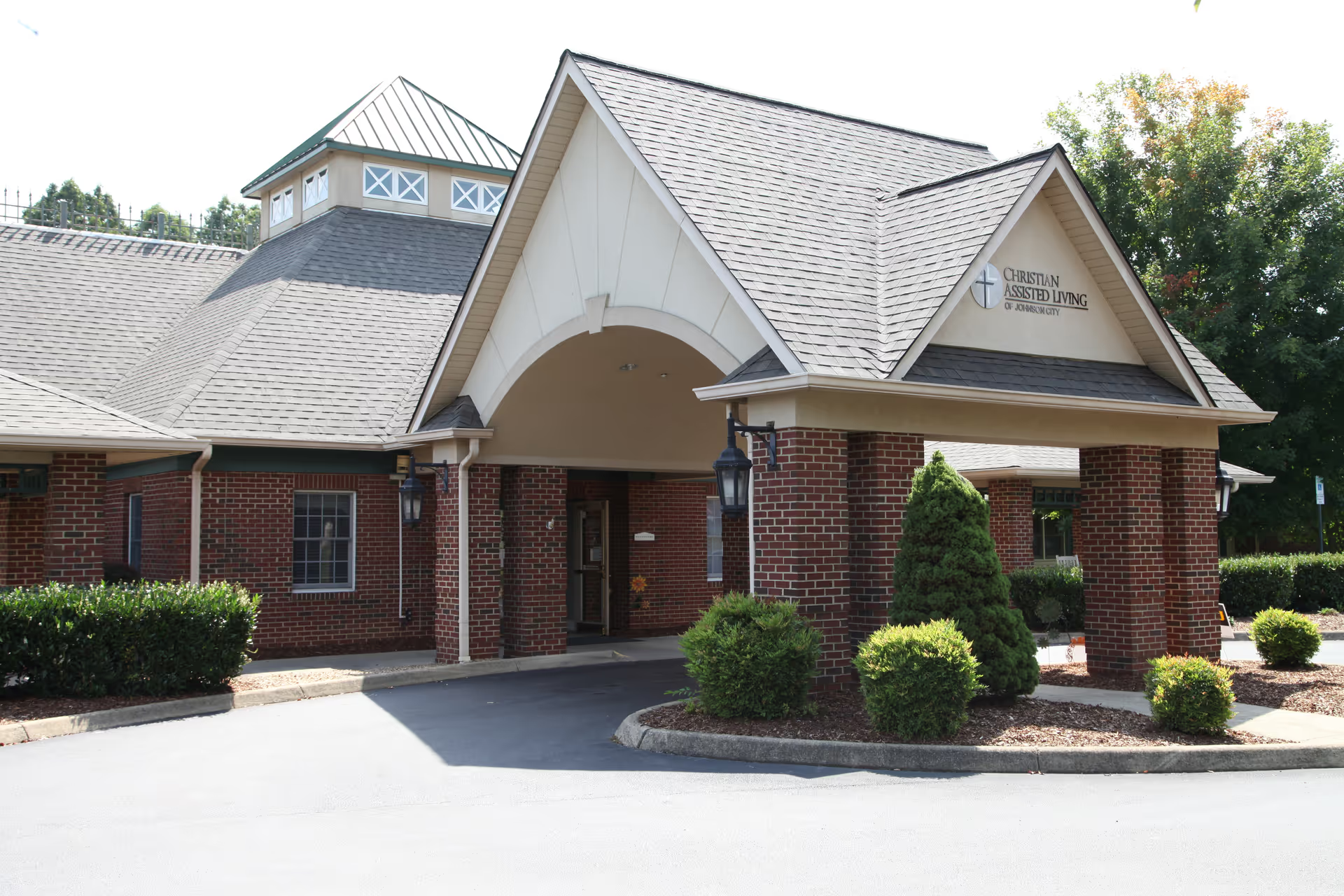
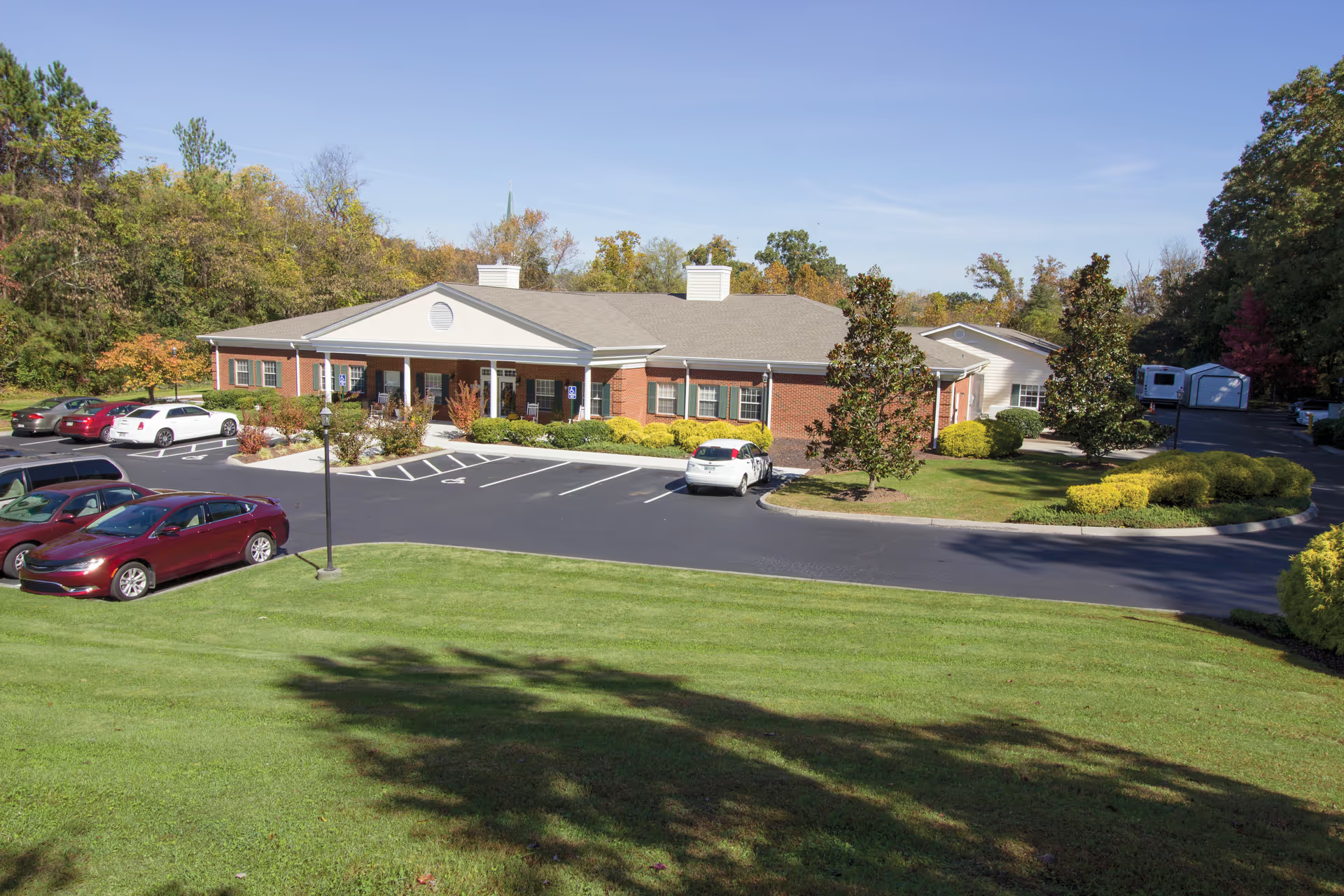
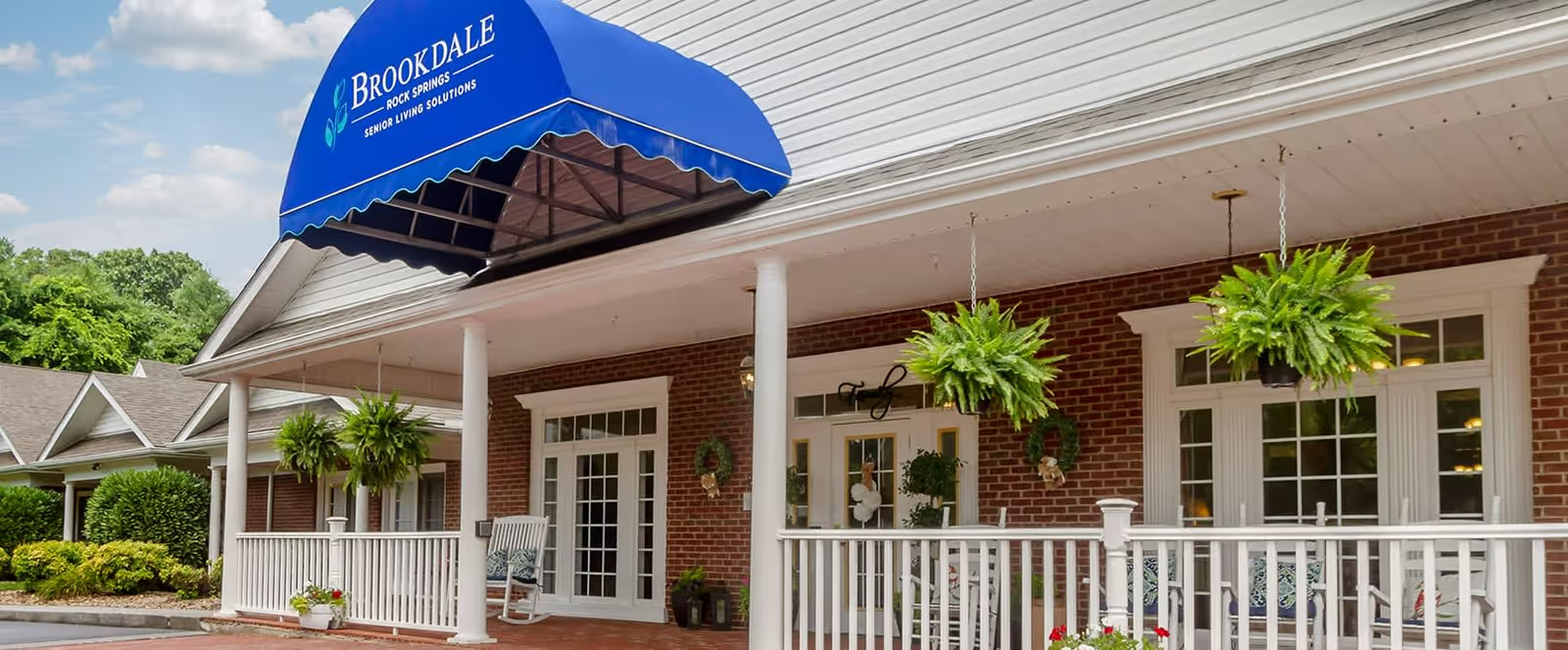
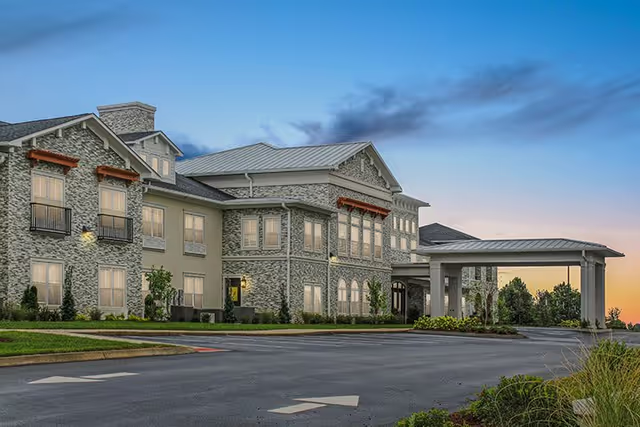
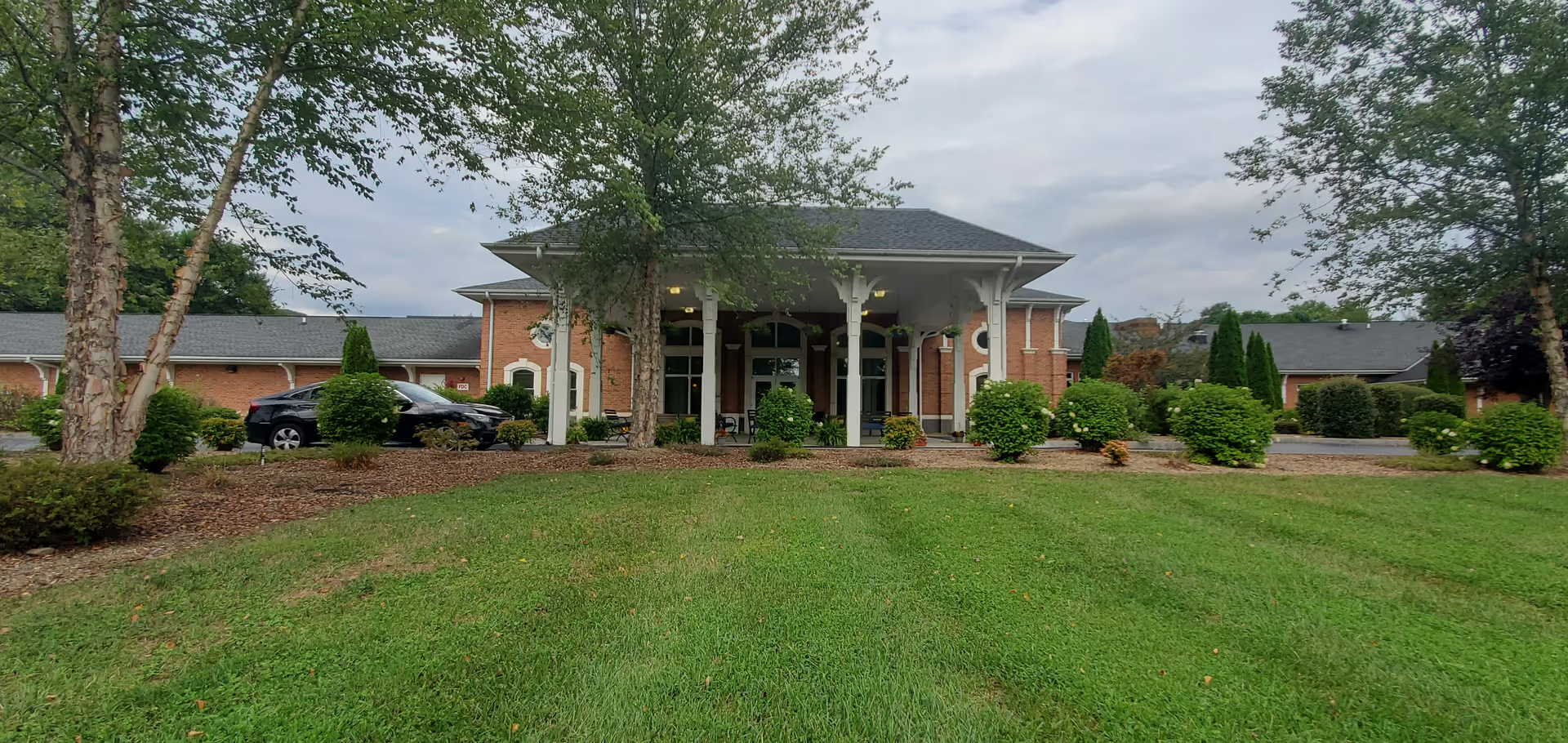
Facilities and accommodations: The facility is frequently described as bright, recently renovated in parts, and well-laid-out, with attractive common areas, enclosed courtyards, and outdoor spaces. Many rooms are clean and cheery, but room sizes are often small; small units may not accommodate larger mobility equipment or personal refrigerators, and residents are typically expected to bring their own furnishings. The community is described as mobility-friendly and pet-friendly in many cases, with on-site therapy rooms and accessible layouts.
Management and administration: Administrative strengths include transparent, straightforward base pricing for some plans and proactive communication by certain administrators, which families value during transitions. Conversely, administrative weaknesses recur in reviews — billing transparency issues, unexplained charges, occasional rudeness from office staff, and concerns about ownership changes. There are also isolated accounts of missing personal items and property-handling problems; these raise practical questions about inventory, documentation, and billing procedures. Prospective families should request detailed contract terms, an itemized fee schedule, and documentation practices for belongings.
Notable patterns and advice for families: The dominant positive theme is high-quality, compassionate direct care and an active social program that supports resident well-being. The dominant negative themes are operational: variable staffing levels that affect service timeliness, intermittent communication and billing problems, and small room footprints. For families considering this community, recommended steps include touring during weekday and weekend meal times, meeting both nursing and administrative staff, reviewing sample menus and activity calendars, confirming memory-care program details, and obtaining a clear, itemized contract and billing explanation. These checks will help confirm whether the facility's strong caregiving culture and social programming align with a prospective resident's practical needs and expectations.