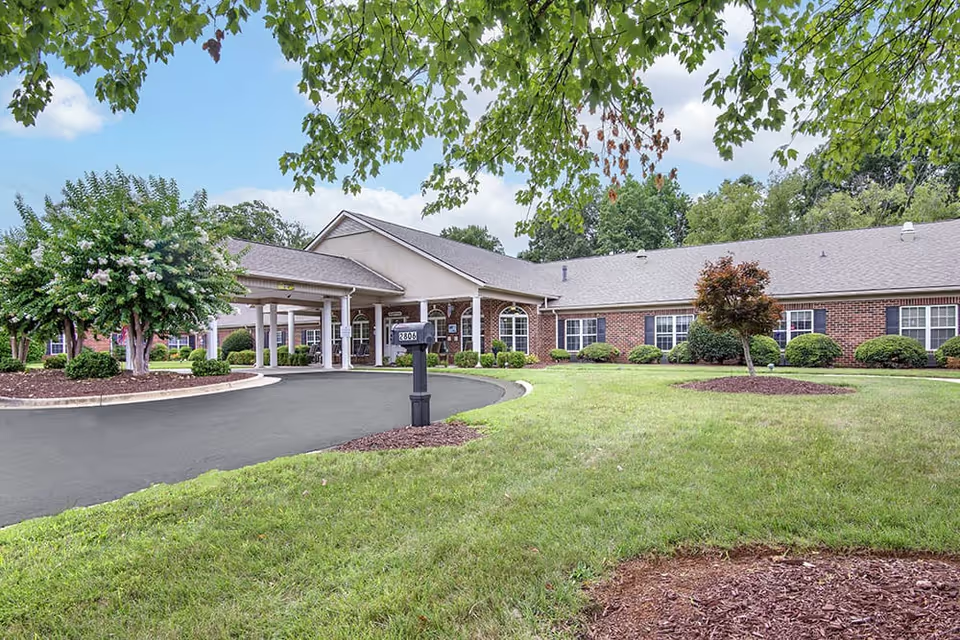
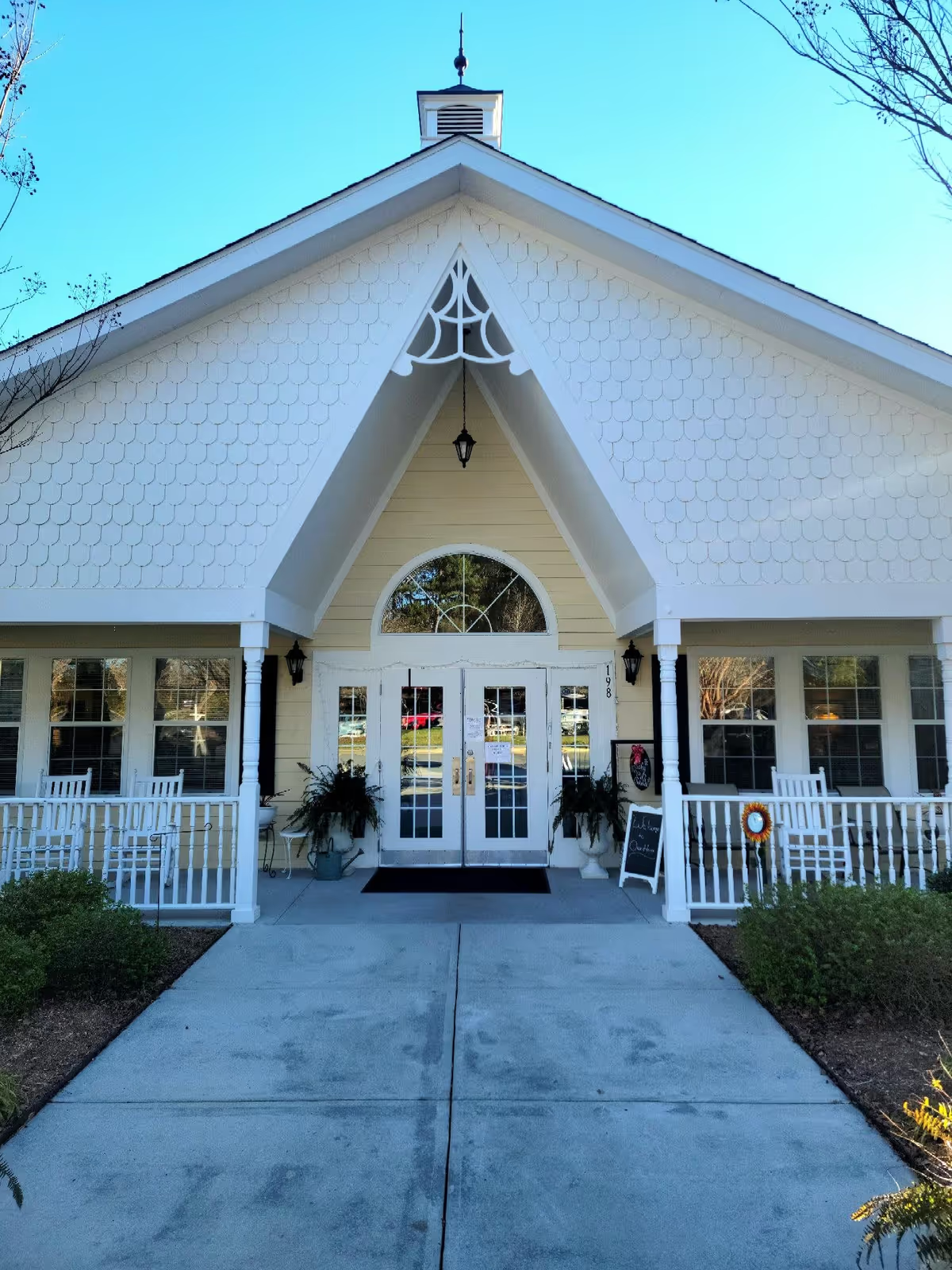
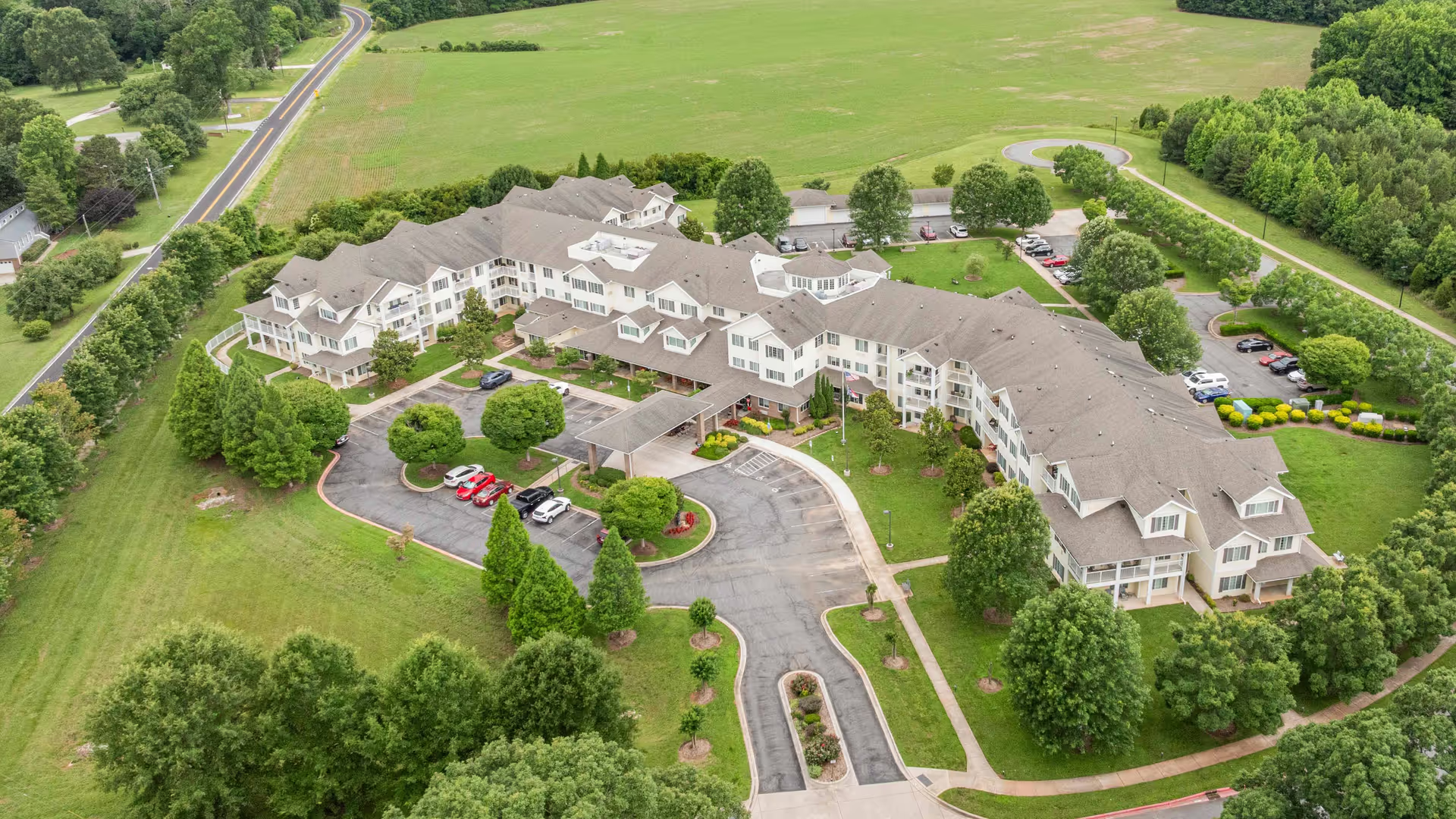
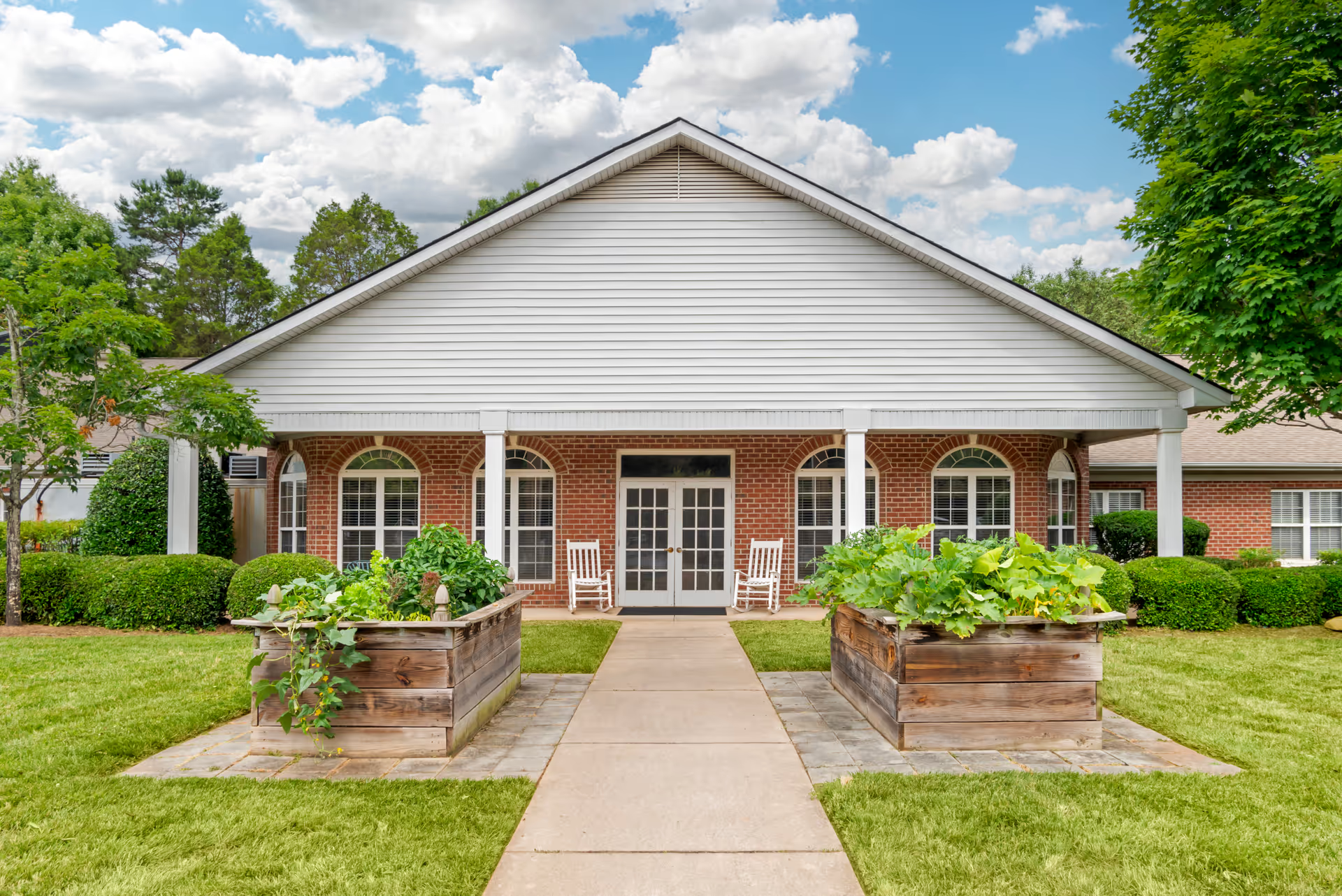
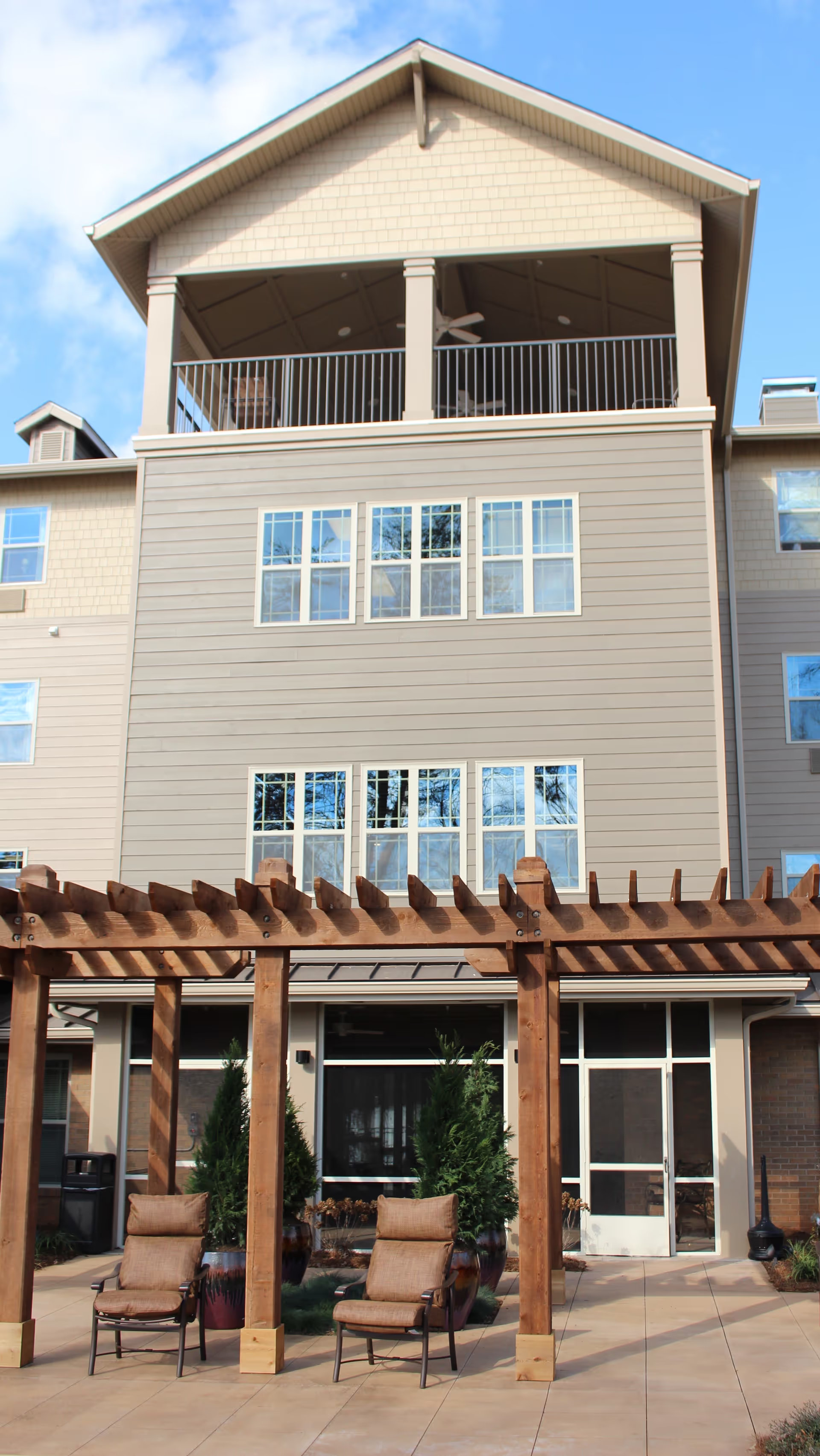
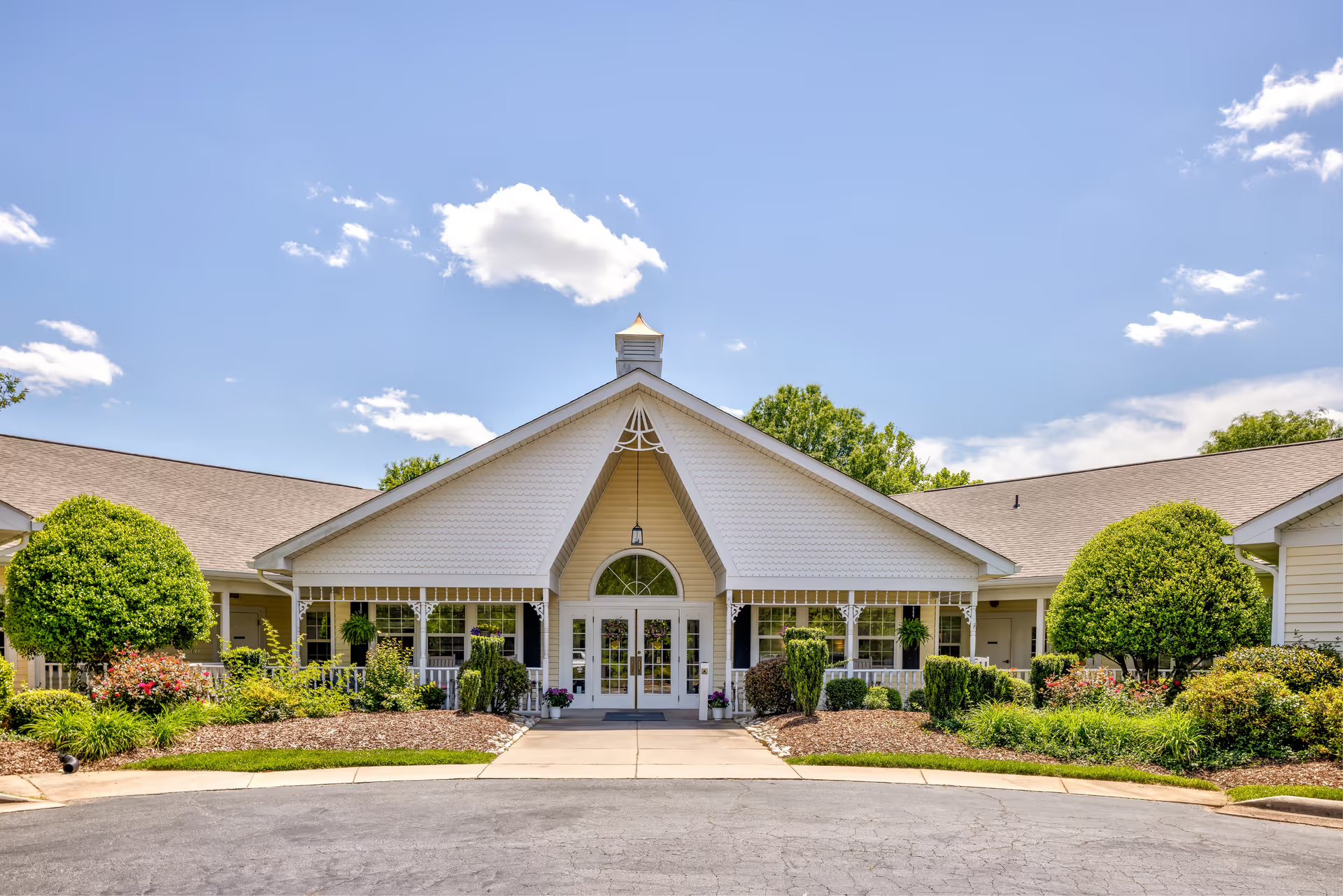
Autumn Care of Statesville elicits strongly polarized impressions across commenter accounts. A recurring strength is the facility’s rehabilitation program: physical and occupational therapy are frequently described as skilled, motivating, and effective, and many families credit the therapy team with measurable recovery. Admissions and social-work personnel — including named staff in some accounts — receive praise for responsiveness and coordination, and housekeeping and maintenance are commonly noted as thorough; many reviewers describe a clean, well-maintained interior and a pleasant, home-like atmosphere for residents.
Direct-care staff also draw positive comments: numerous accounts highlight compassionate CNAs and nurses who provide attentive, respectful support and go beyond basic expectations. Dining is often viewed favorably, with generous portions and generally good food quality for an institutional setting, and activities and social engagement are cited as contributors to a family-like environment. The facility’s pandemic procedures and some aspects of family communication earned positive mention, particularly early in lockdown situations when teams maintained outreach.
However, a sizable and consistent theme in the feedback is operational strain related to staffing. Reviewers describe chronic understaffing, variability across shifts (notably weekends and nights), and an increased reliance on agency staff; these conditions are associated with slow call-bell responses, long waits for assistance with toileting or transfers, and reports of extended unattended times for residents. Several comments connect staffing shortages to reduced engagement with residents, rigid scheduling, and inconsistent follow-through on promises from administration.
Clinical and safety-related concerns appear frequently enough to warrant attention. Themes include medication-administration and timing gaps, incomplete documentation of food and fluid intake, and reports suggesting inadequate monitoring for residents with complex needs (for example, insulin timing and nutrition monitoring). Relatedly, some accounts describe safety-practice gaps that contributed to falls or transfers requiring higher-level care. A small number of accounts raised serious clinical concerns, including hospital transfers and concerns following a resident’s death; these items should be explored directly with facility leadership and considered in the context of regulatory records and care plans.
Sanitation and meal-service issues show a mixed picture. While many reviewers praise cleaning and linen practices, others describe room-level sanitation issues and pest-control concerns. Meal quality is often judged positively, but there are repeated notes about inconsistent meal temperature, occasional cold meals, and menu choices that may not align with all clinical nutrition needs (for example, higher-sugar items). These discrepancies appear related in part to staffing variability and weekend service differences.
Management and communication present another contrast: some families report helpful, accessible administrators and responsive leadership; others describe limited administrative availability, poor phone etiquette, and unmet promises. This variability suggests differences across shifts and individual staff rather than a single uniform experience. For prospective residents and families, the facility’s strengths in rehabilitation, cleanliness, and many compassionate caregivers are evident, but so are operational risks tied to staffing levels, clinical monitoring, and communication consistency.
Practical steps for families evaluating Autumn Care of Statesville: meet the therapy and nursing leadership, ask about current staffing ratios (including weekend and night coverage), review medication-administration and documentation practices, request examples of how clinical incidents and family communications are handled, and clarify pest-control and housekeeping protocols. Visiting during different shifts can help assess consistency of care and responsiveness. Overall, Autumn Care demonstrates clear capabilities for short-term rehab success and resident comfort when staffing and clinical processes are functioning well; prospective residents with high-acuity needs or families prioritizing continuous monitoring should verify operational safeguards before placement.