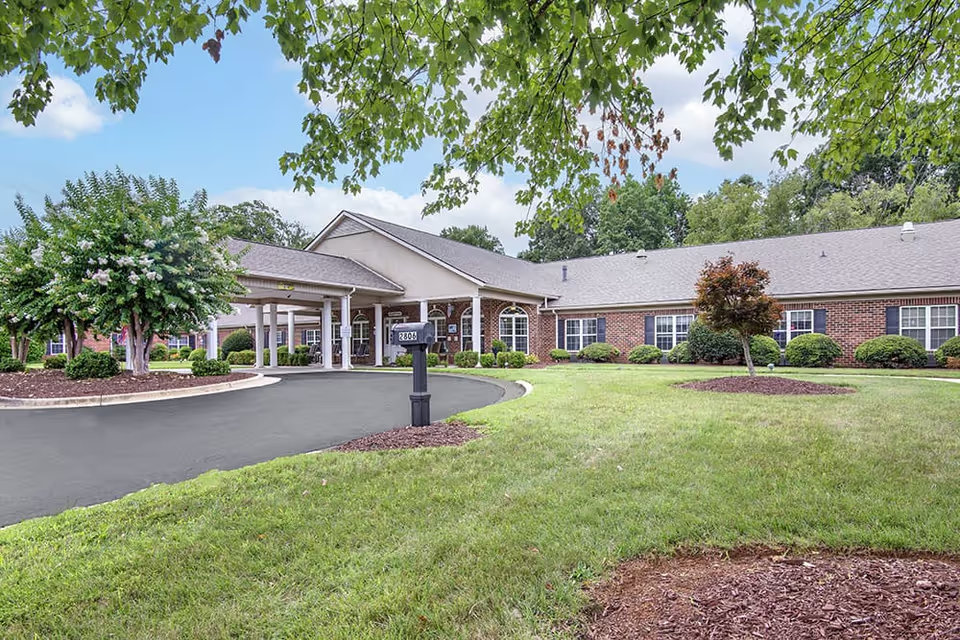
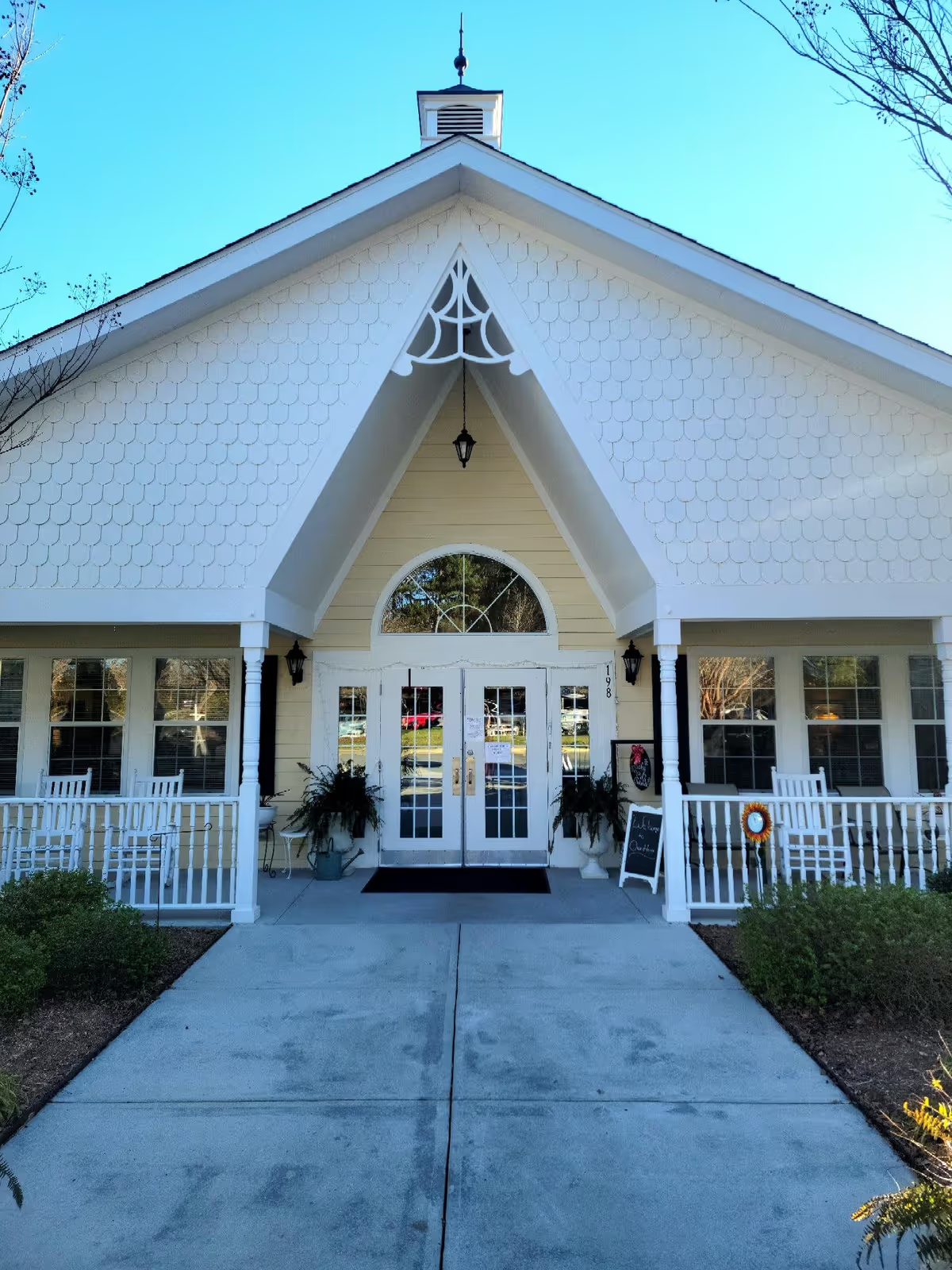
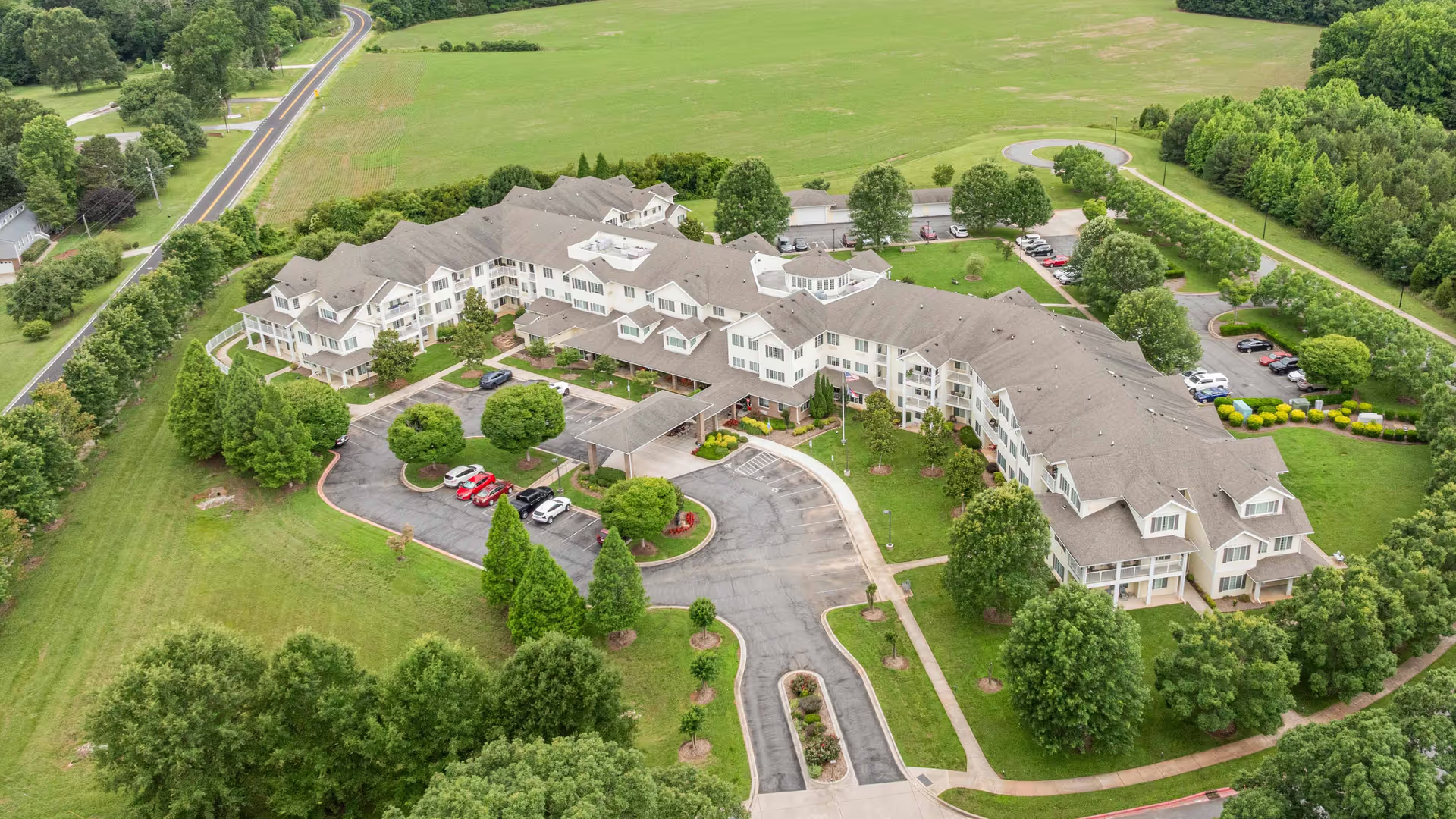
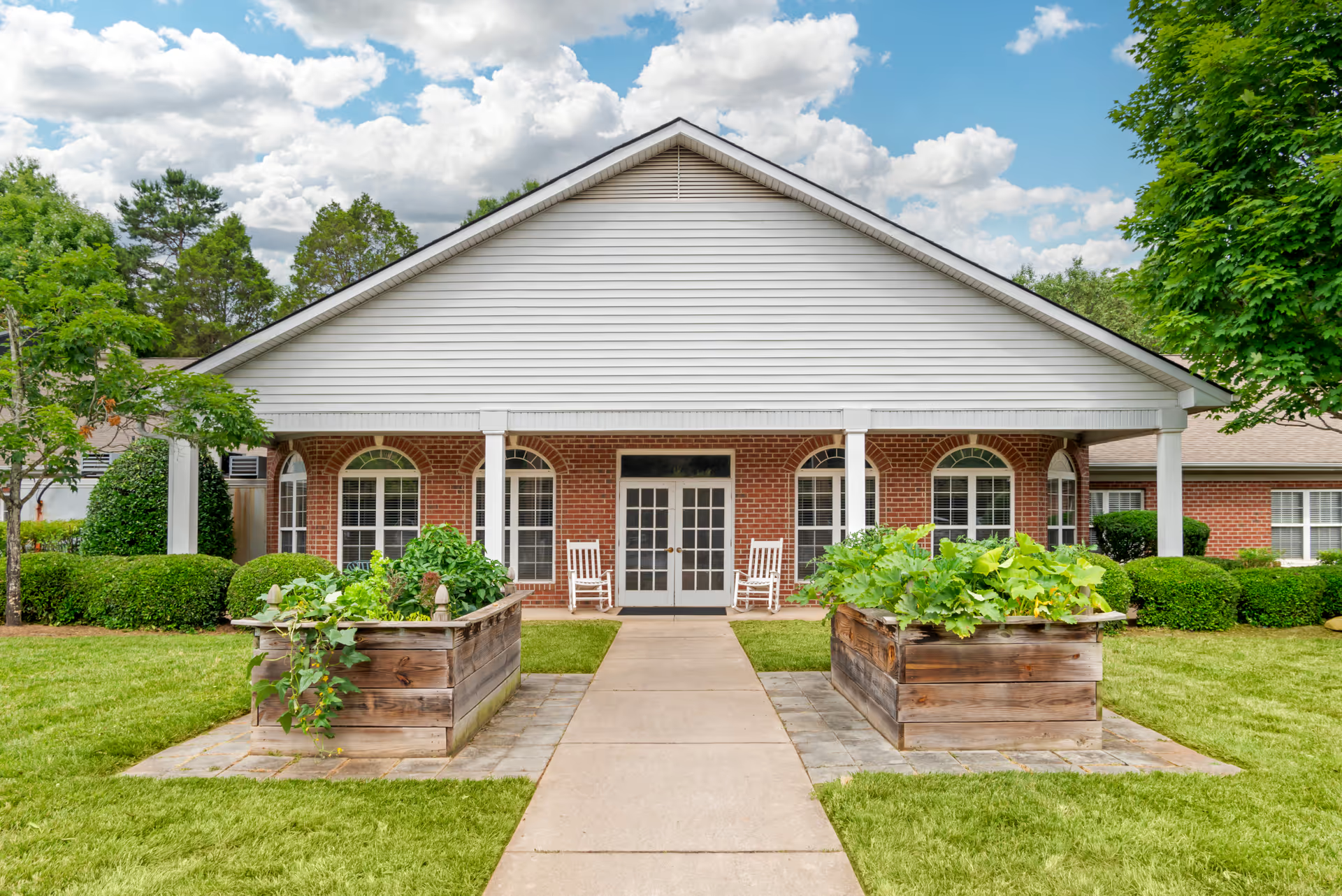
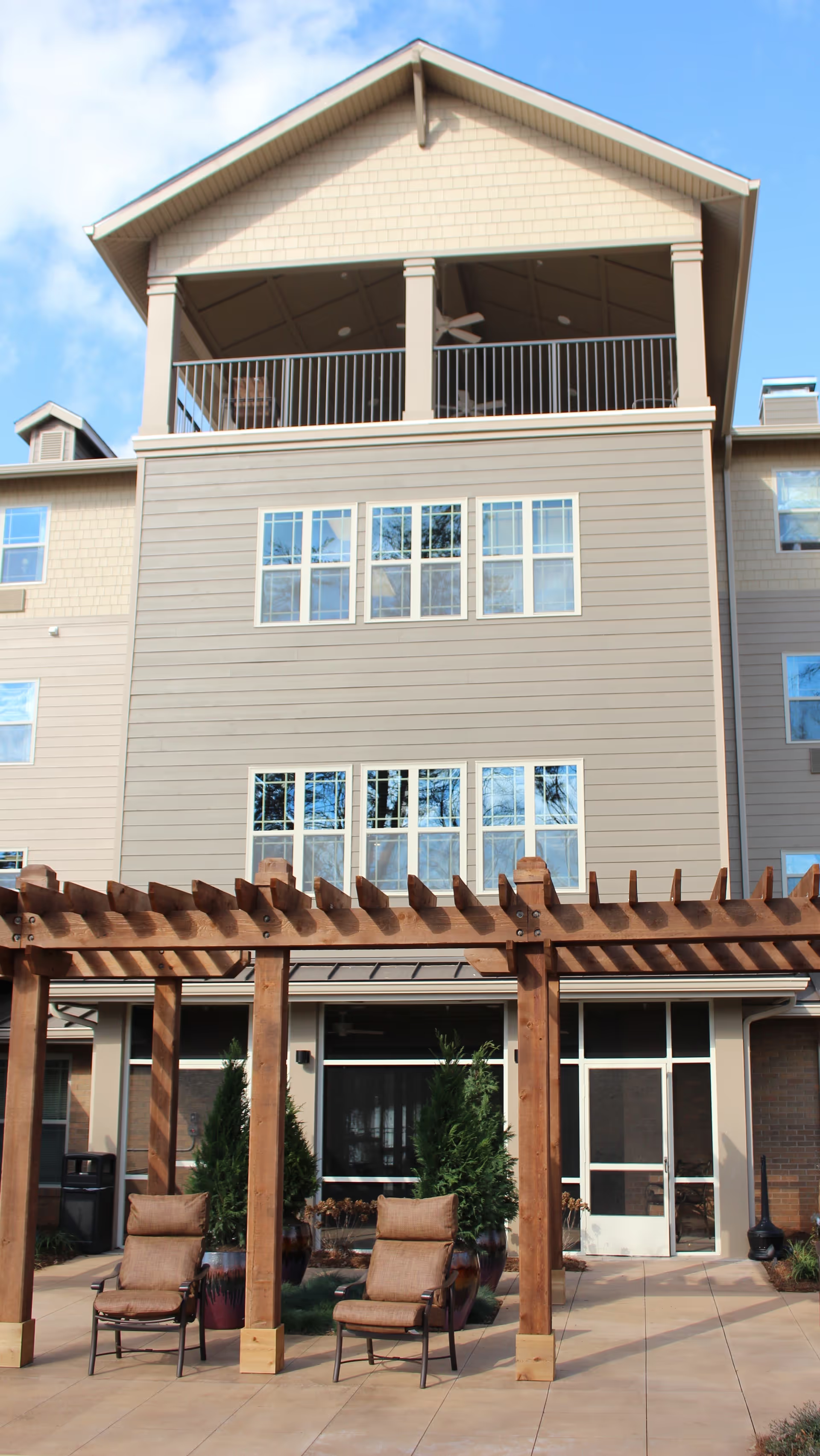
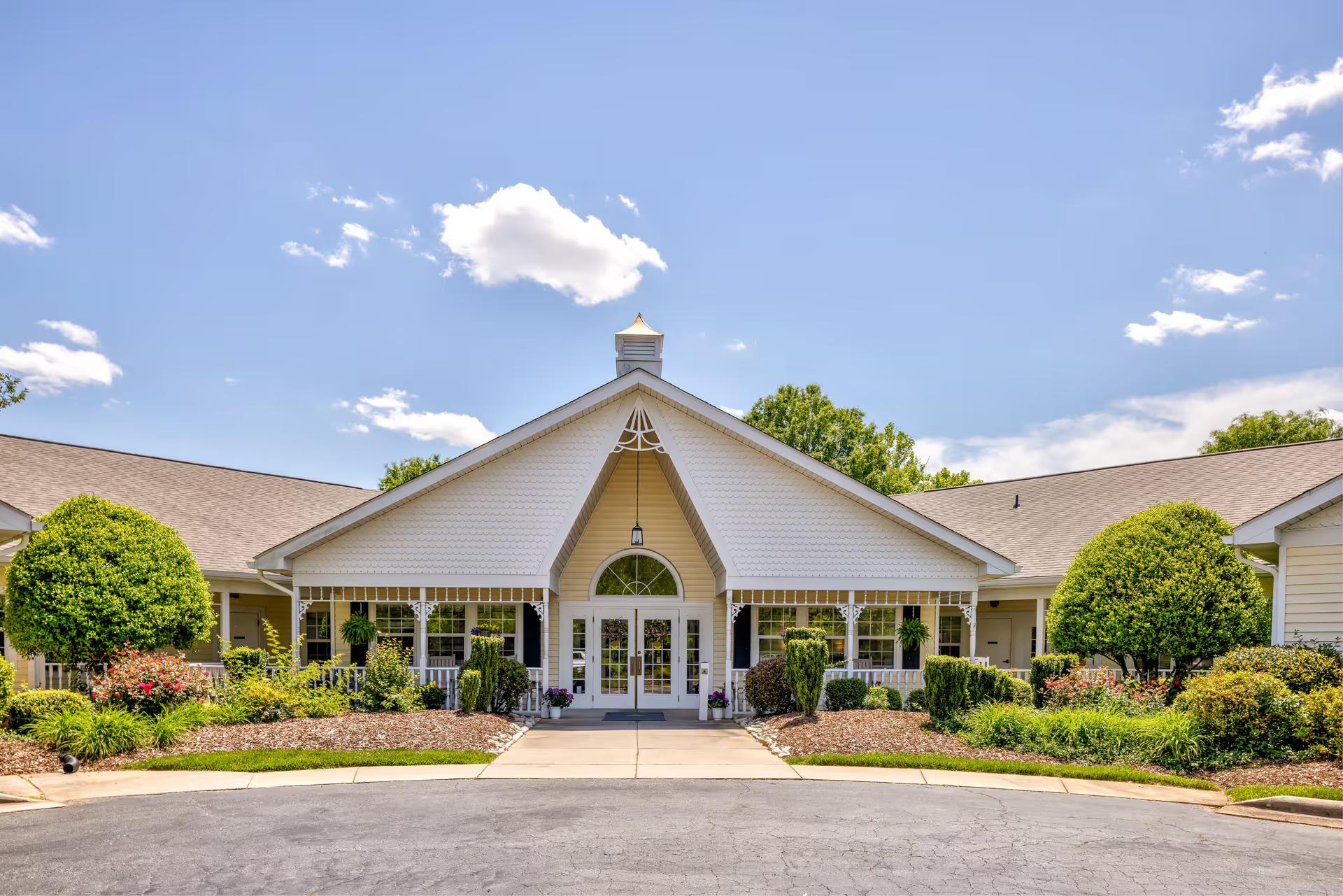
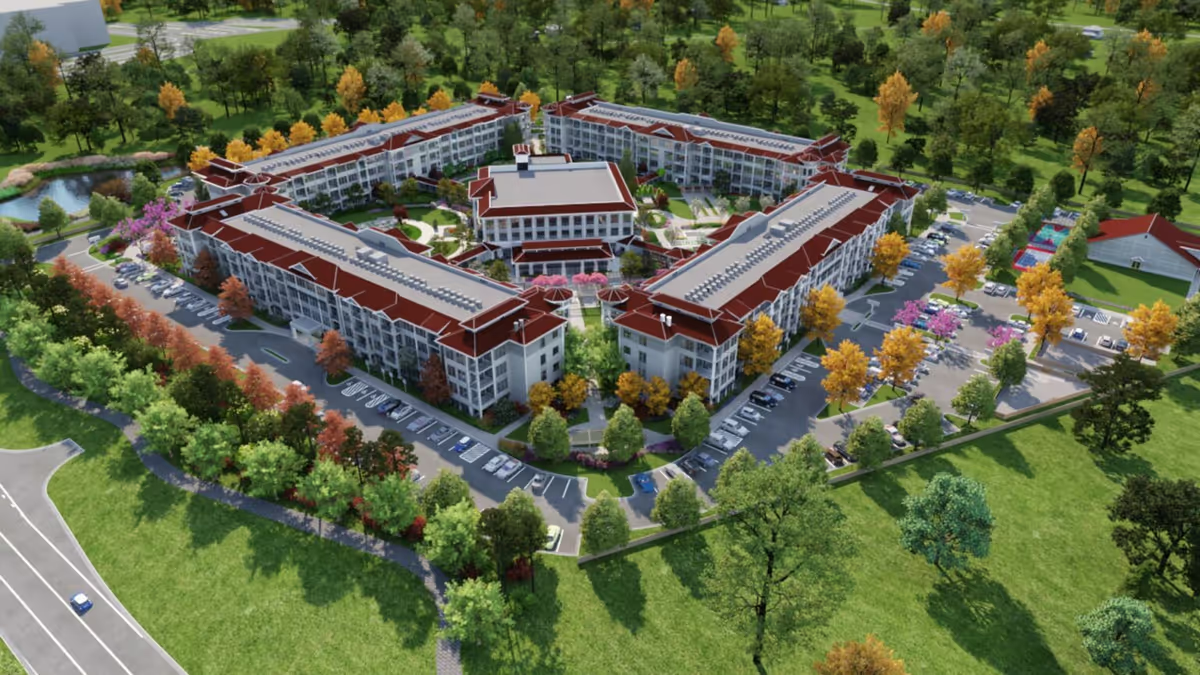
Reviews describe a facility with a clear split between praised direct-care interactions and recurring operational weaknesses. Many accounts highlight direct-care staff who are compassionate, attentive, and personally engaged with residents; several reviewers used terms such as family-like, supportive, and respectful to describe the day-to-day caregiver contact. The building and grounds are frequently described as clean and well-maintained, rooms are reported comfortable, and organized social programming (bingo, church services, arts/painting) is available for resident engagement.
Care quality descriptions are mixed. Positive reports emphasize nursing staff who are knowledgeable and willing to go above and beyond. Conversely, other accounts note delays in medication administration, inconsistent bathing/hygiene assistance, missed meals or delays in meal delivery, and intermittent failures to provide timely rehabilitative transitions. These patterns suggest variability in clinical follow-through and task reliability depending on staff on duty and shift coverage.
Staff professionalism and training appear uneven. Multiple reviewers describe staff as kind, attentive, and experienced; at the same time, there are repeated descriptions of undertrained or unprofessional behavior, rude interactions, and delayed response to family messages. This variability points to inconsistent staff training, supervision, and possibly high variability in staff performance across shifts.
Dining and activities are likewise inconsistent. Some families praised the food and the availability of meals and social programming, while others reported food served cold or of poor quality at times. The facility runs regular activities that support social engagement, but meal service continuity and temperature control appear to be recurring operational issues.
Management and administrative processes are a notable area of concern. Reviews mention leadership turnover and poor handoffs during transitions, unclear answers to family inquiries, unsigned or disputed contracts, and a perception that financial considerations can drive decisions. There are also reports of property-control gaps and unresolved missing-item incidents that were not satisfactorily addressed through internal complaint channels. A small number of accounts describe escalations that involved external authorities during disputes; these indicate gaps in incident de-escalation and complaint resolution processes.
Notable patterns: positive bedside care and a well-maintained environment contrast with inconsistent administrative execution. The strongest and most consistent positive signal is the interpersonal care provided by many staff members; the most persistent concerns relate to communication, medication and bathing timeliness, contract and property controls, and the facility's ability to manage disruptive behaviors from residents with advanced cognitive impairment.
For prospective residents and families: a tour and direct questions about medication-administration protocols, staffing levels by shift, behavior-management policies, contract terms and signing procedures, property-security measures, and the facility's complaint-escalation process would be prudent. Verifying who will be the point person during any transition (admissions, director changes, or rehab transfers) may help set expectations given the reported variability in management continuity.