The Greens at Maple Leaf presents a mixed but largely positive profile for short-term rehabilitation and long-term care. Strengths most consistently described are the therapy and rehabilitation services — reviewers frequently credited the therapy team with measurable recovery, improved mobility, and successful discharges home. Many families and residents characterize the caregiving staff as compassionate, attentive, and willing to go beyond routine expectations; social-work follow-up and regular staff contact were also noted as contributors to family confidence.
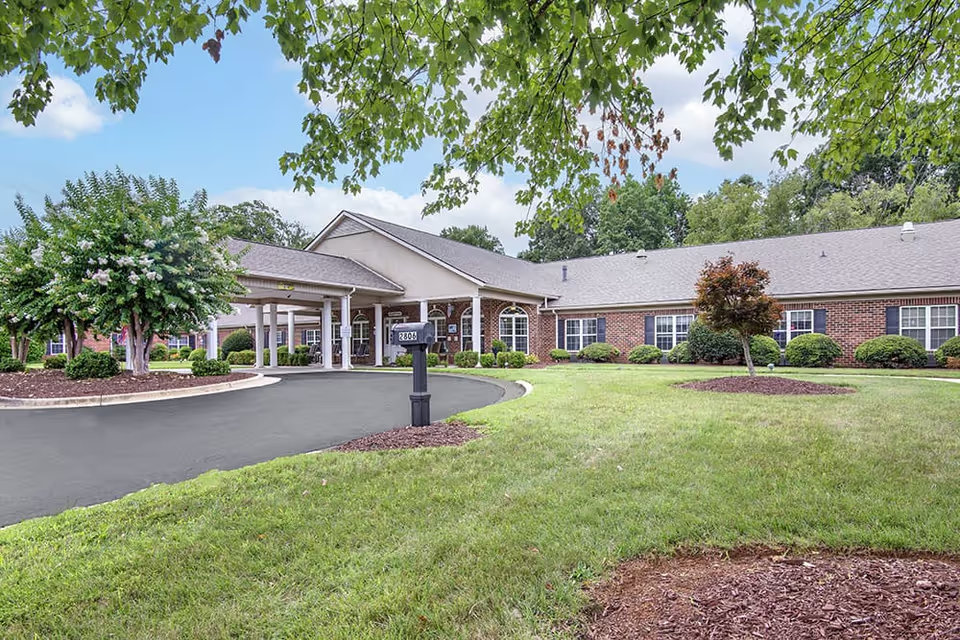
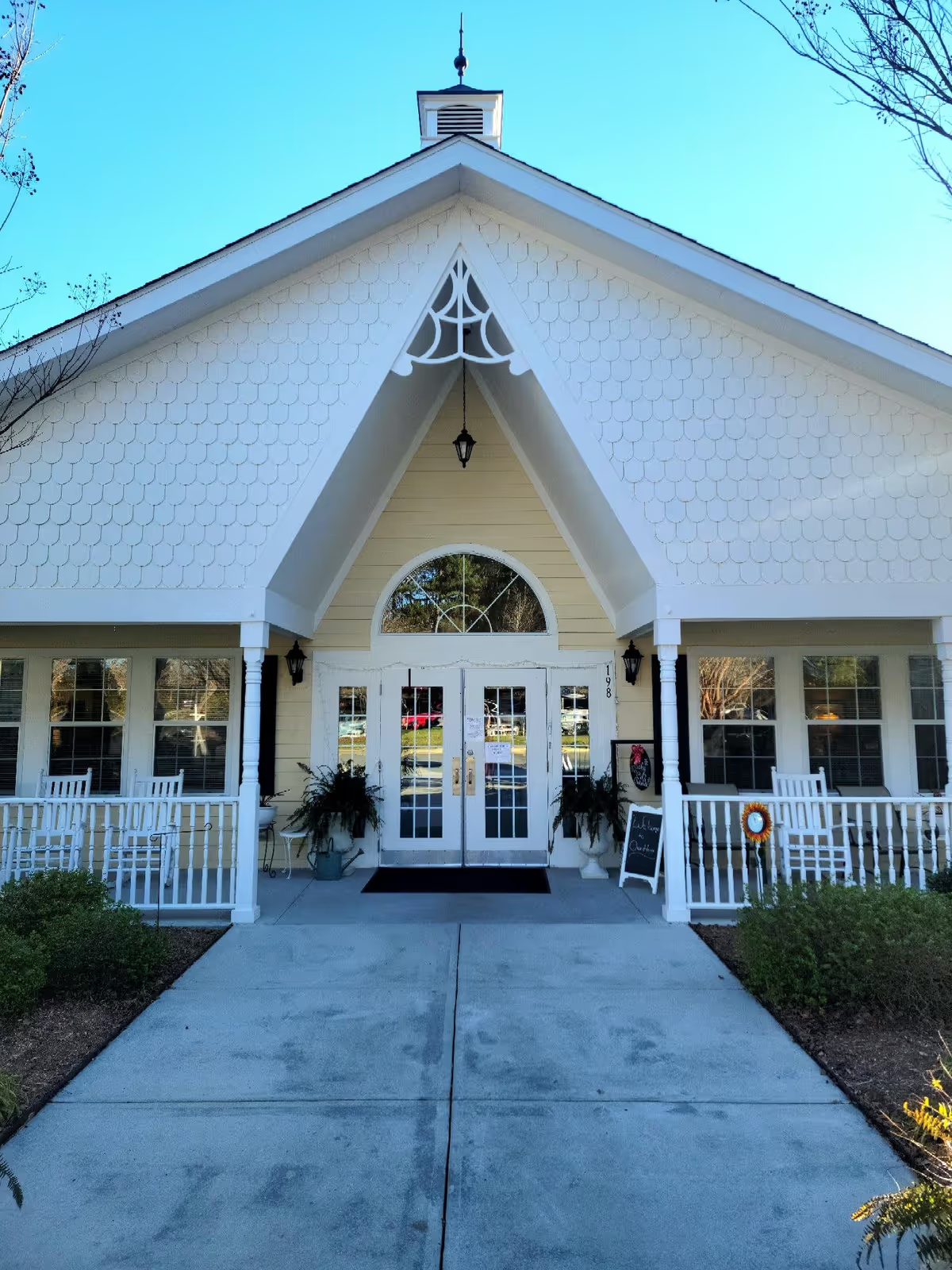
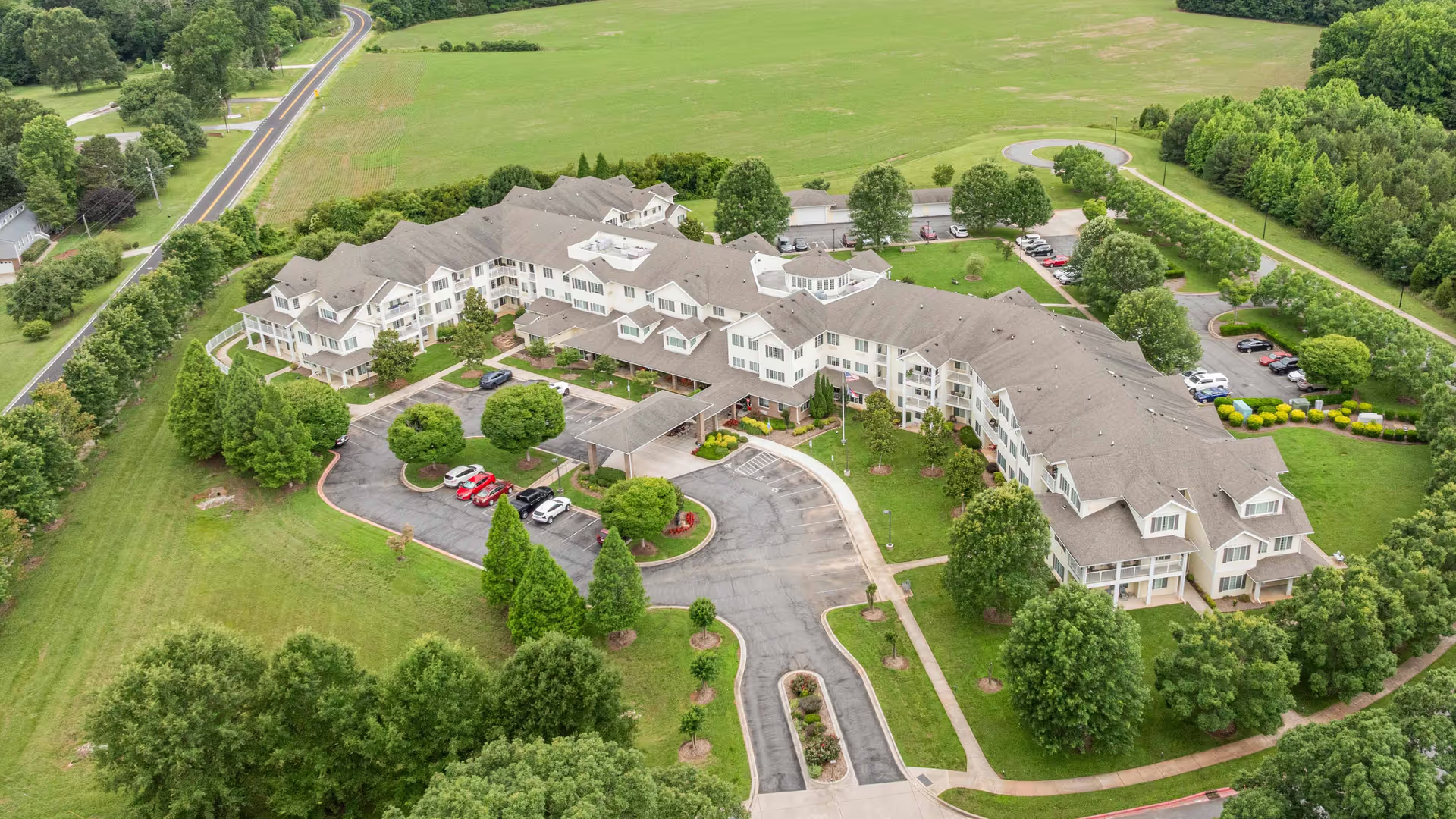
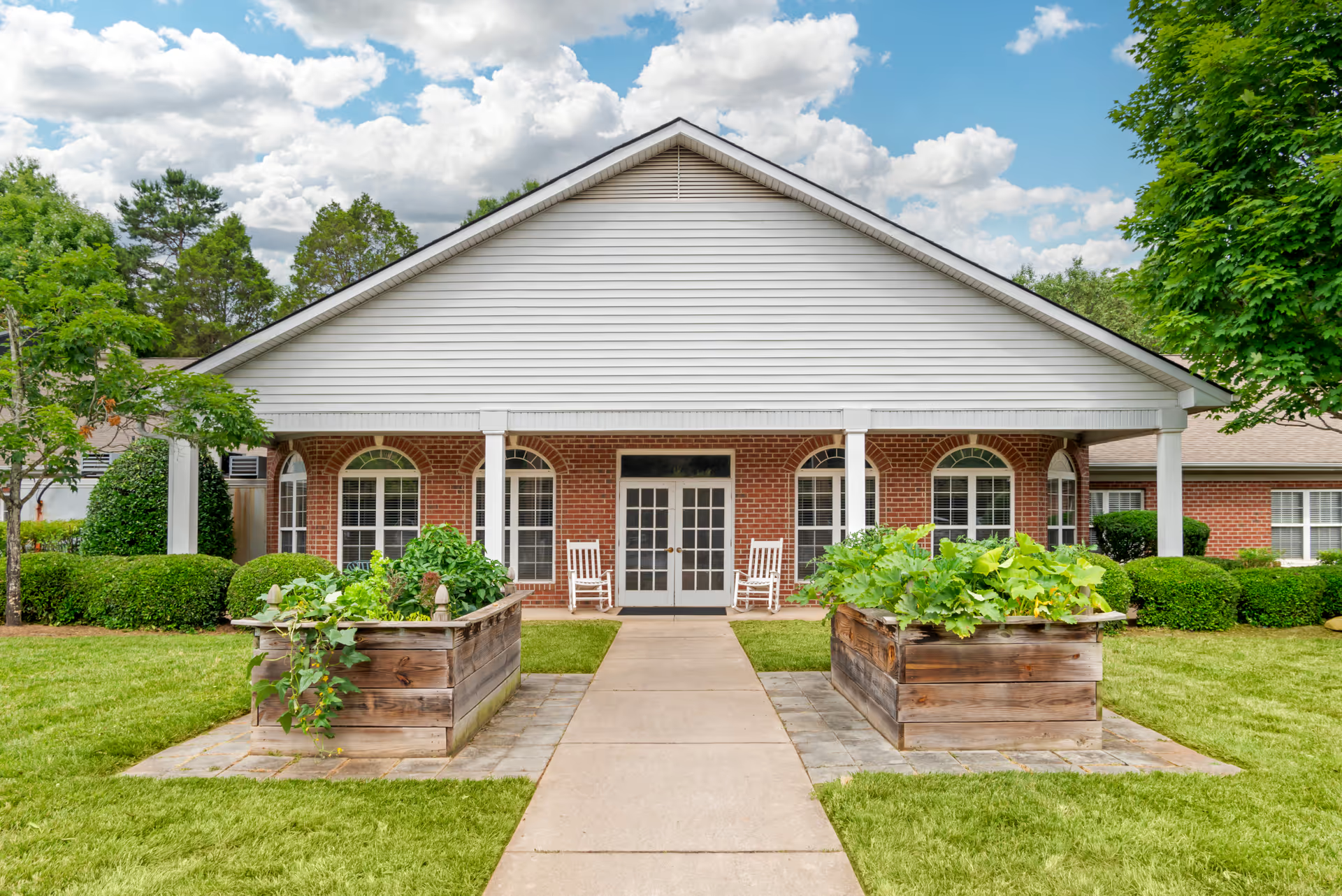
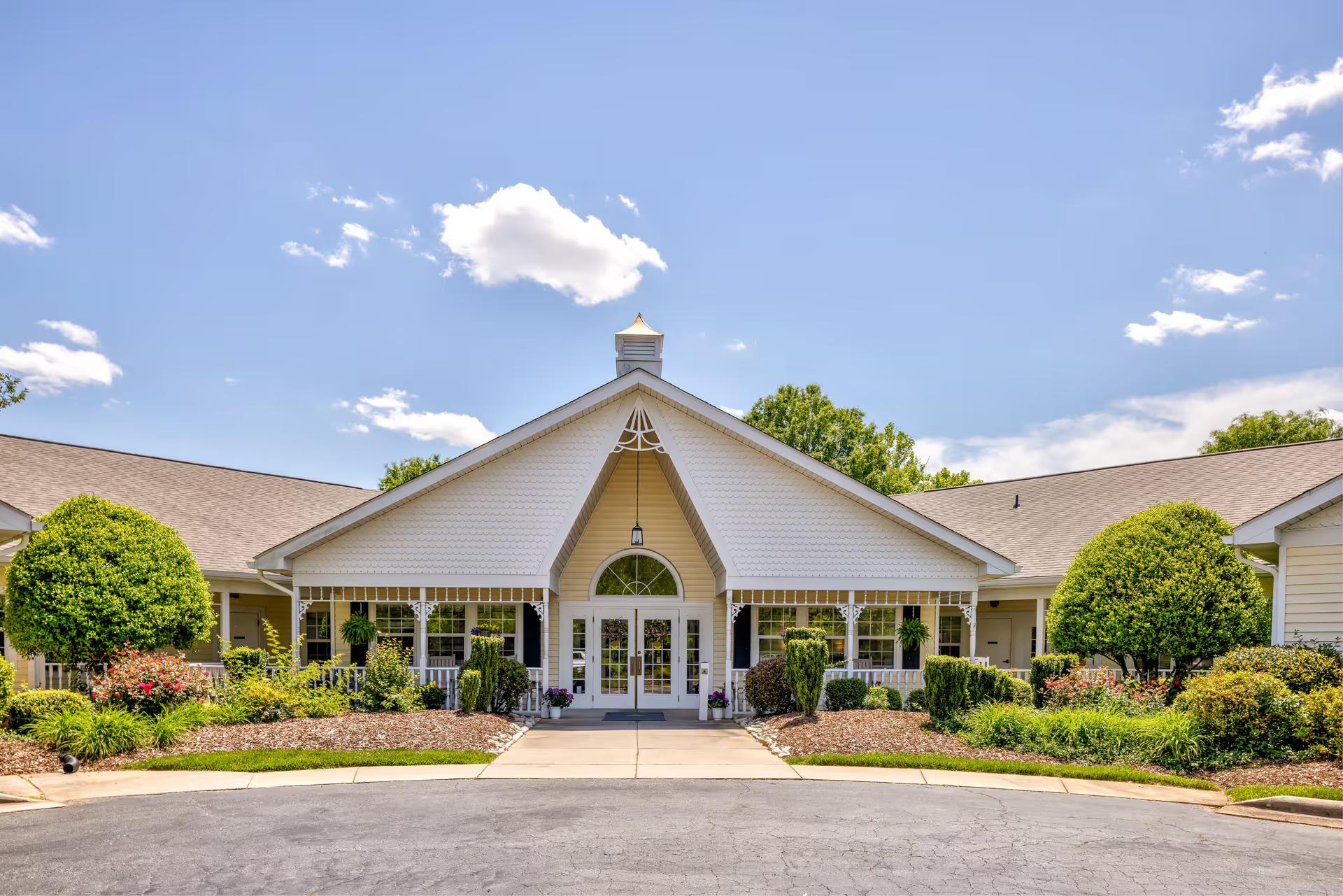
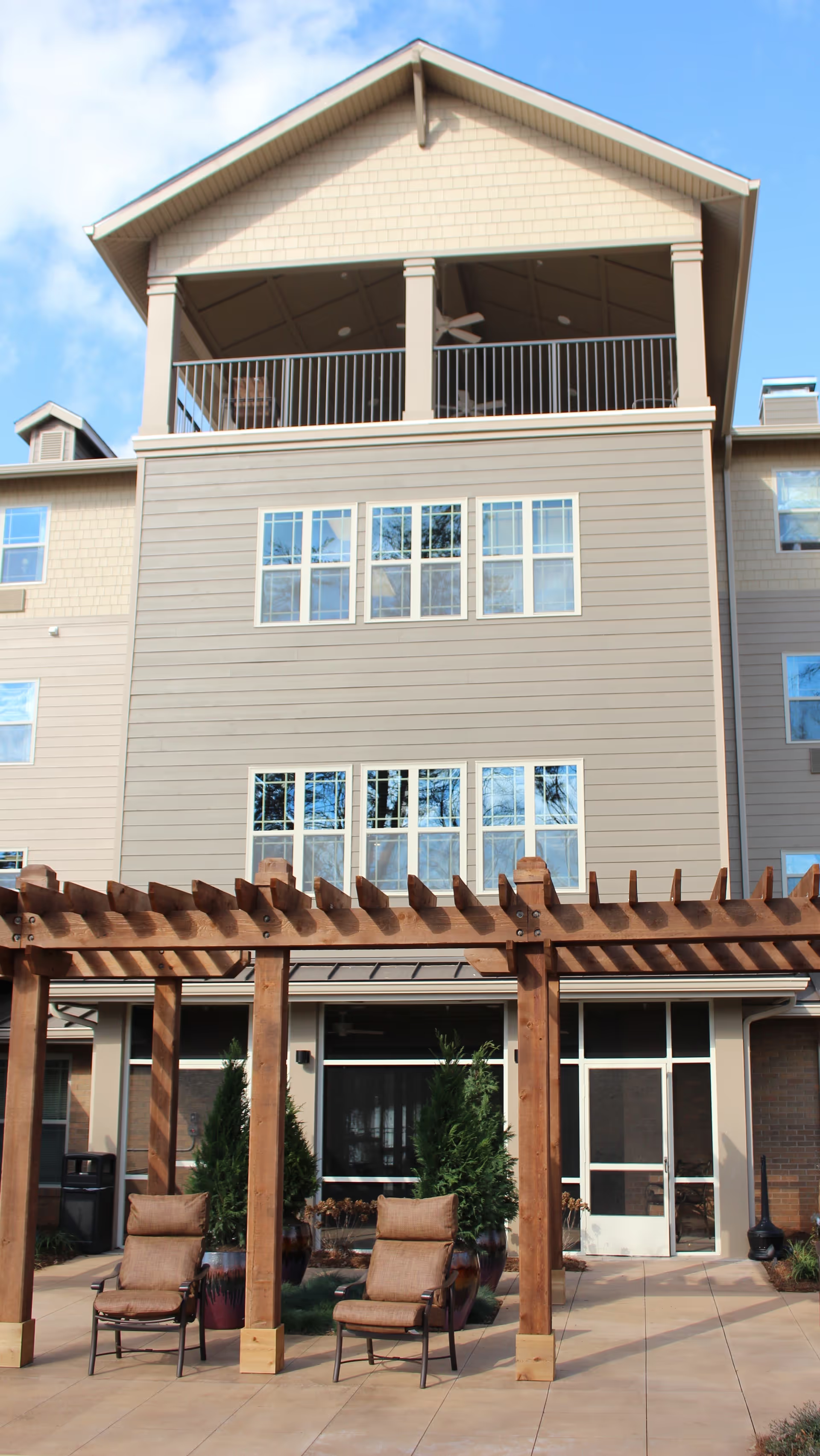
Activity programming and communal life are clear assets. The facility runs a varied activity schedule including bingo, music, church services, special events (for example, ice cream days), and a monthly activity calendar and newspaper delivery that help keep residents engaged. Physical spaces such as a patio, rocking chairs on the porch, a fenced outdoor area, and a family room with TV were described as pleasant and conducive to socializing. Several reviewers described the environment as clean and home-like, and private rooms — when available — were highlighted as especially beneficial.
Areas of operational concern recur across reviews and warrant attention. Staffing consistency and coverage emerged as a prominent pattern: short-staffed shifts, variability in staff responsiveness, and uneven supervision on higher-acuity units were reported. These staffing patterns are associated with specific service gaps cited by families, including delays in attending to personal-care needs, inconsistent hygiene assistance for residents with limited mobility, and lapses in laundry management. Reviewers also described instances of inconsistent adherence to dietary/medical restrictions and communication gaps during care transitions, including late discharge notifications. Facility-level amenities and layout pose limitations for some families: private rooms are limited, rooms were described as small, and in-room amenities such as televisions or telephones are restricted.
Dining impressions are mixed: several families described pleasing meals, while others judged food quality to be inconsistent. Overall cleanliness and a safety-first approach were praised in many accounts, though a minority of reviewers mentioned odor concerns in hallways. Prospective residents and families should balance the facility's strong rehabilitation program, engaging activities, and many reports of compassionate caregiving against operational patterns that suggest variability in day-to-day personal-care consistency and staffing levels. During a tour or intake conversation it would be advisable to ask specifically about current staffing ratios, hygiene and laundry protocols, dining/dietary accommodations, private-room availability, and discharge/transition communication procedures. If end-of-life care or recent serious incidents are a concern, families may also wish to request information on clinical oversight and incident-review processes.