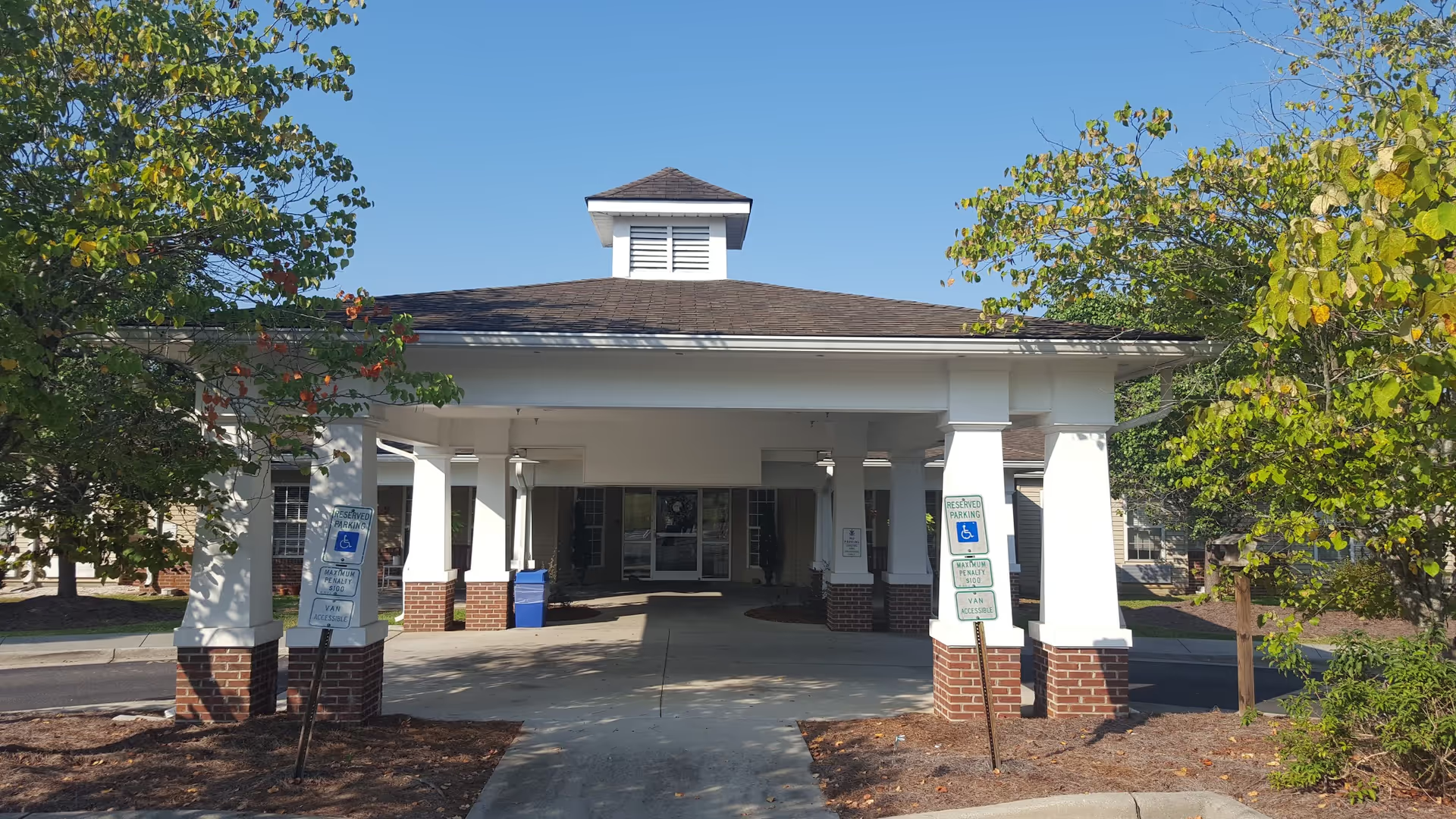
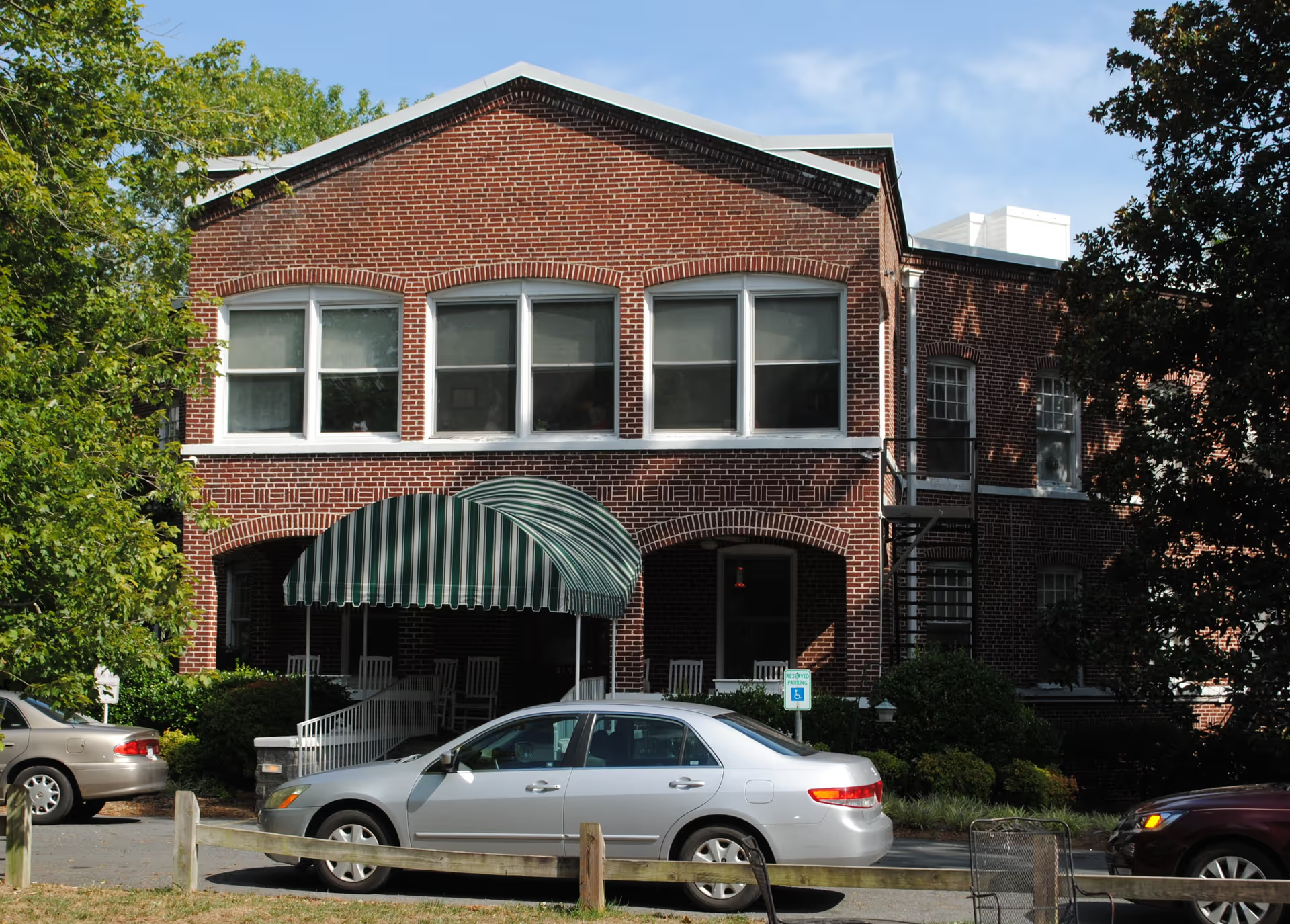
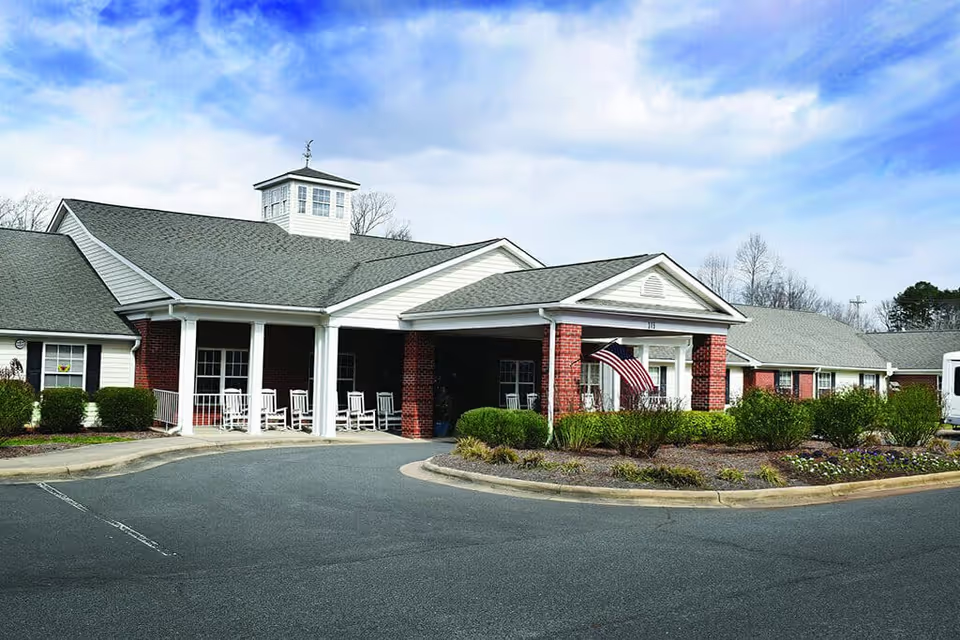
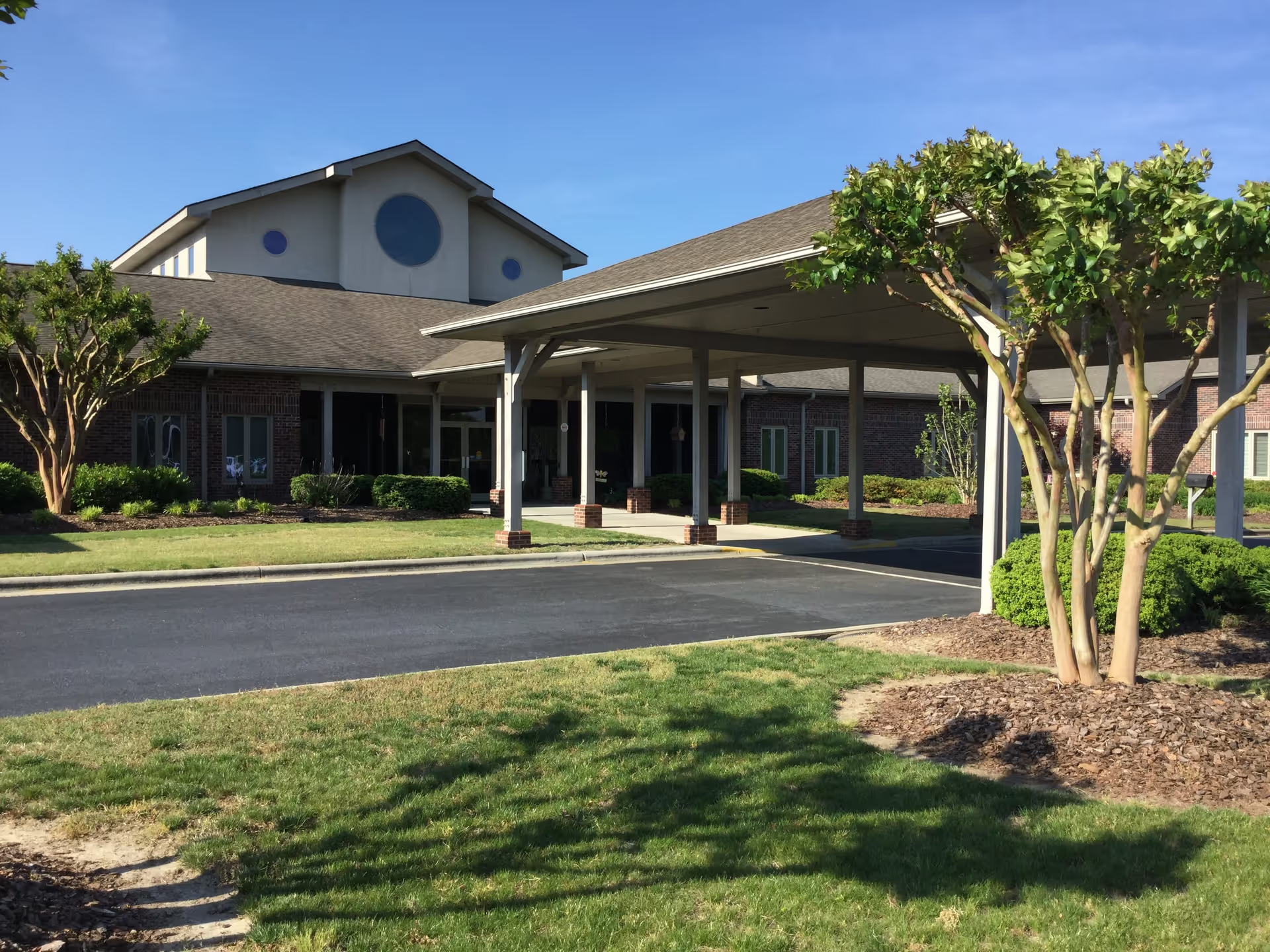
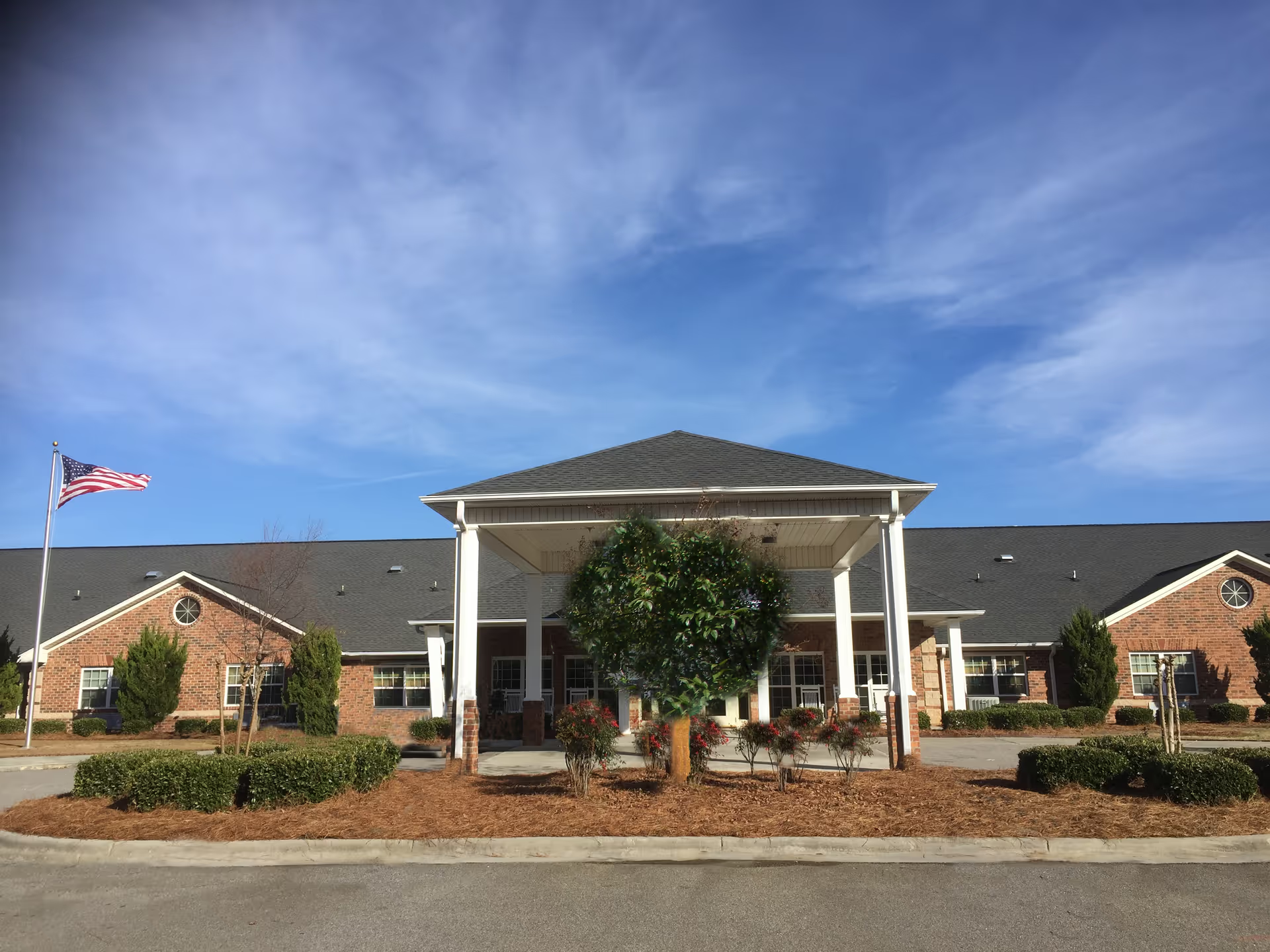
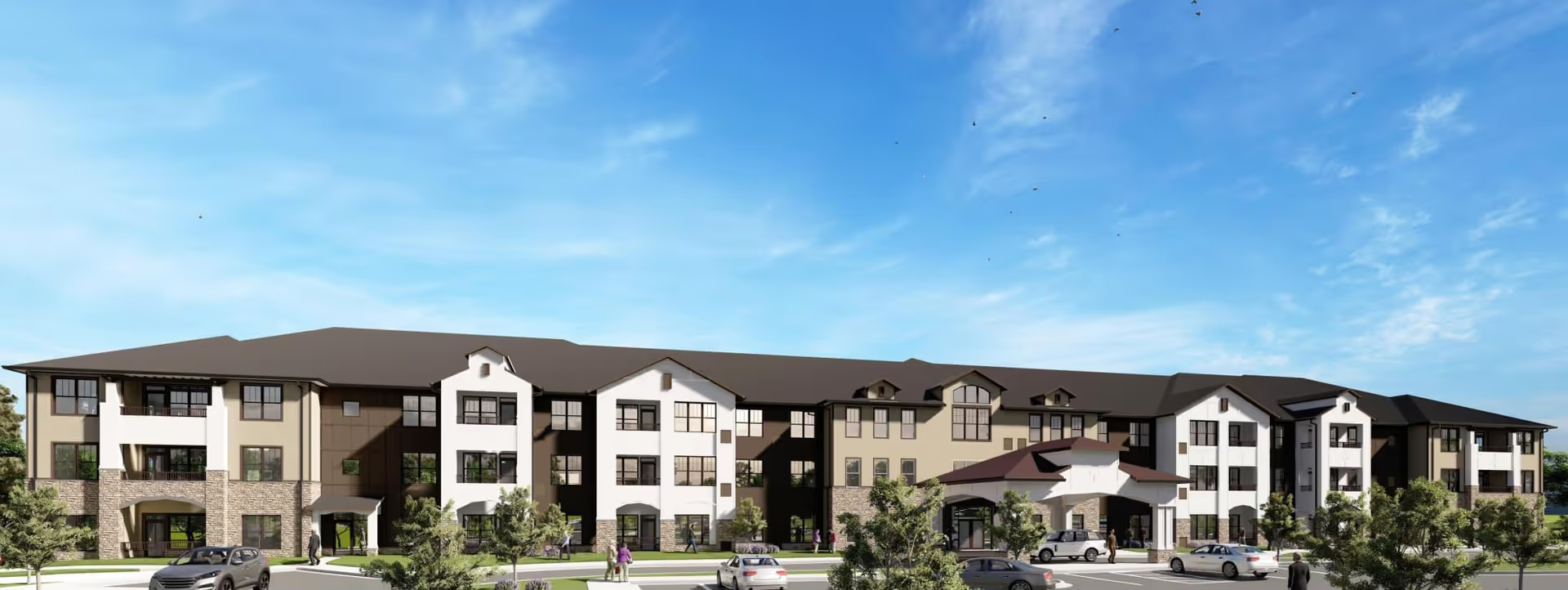
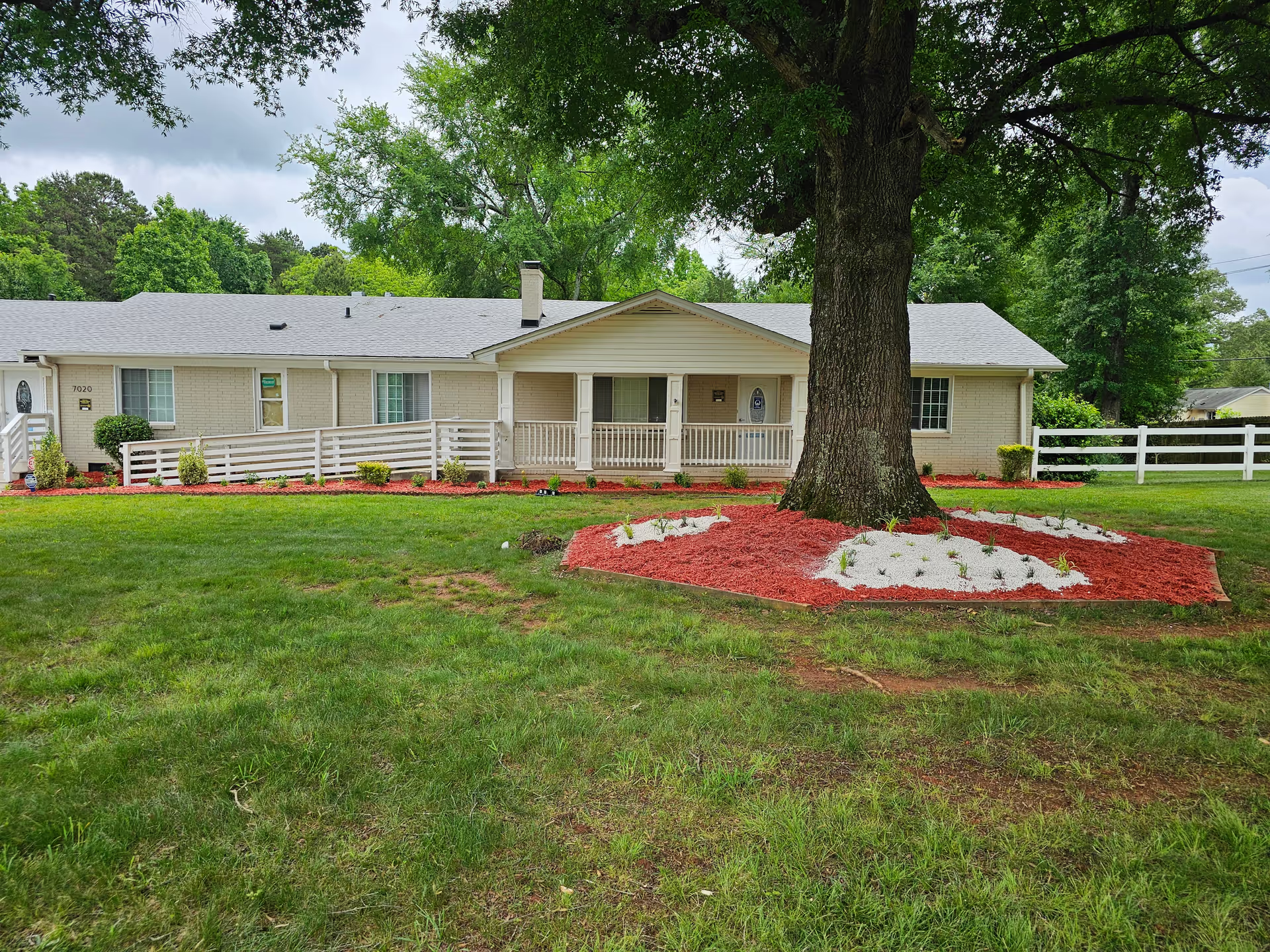
Overall impression: Reviews present a facility with strong strengths in direct care and interpersonal service alongside recurring operational challenges. Many families and former patients describe the staff as compassionate, professional, and attentive. Nursing and CNA care receive consistent praise, as do specific clinical staff and case management personnel. The therapy department is frequently highlighted for diligent daily work and successful short-term and post-stroke rehabilitation outcomes; for many residents the program supported return to independence.
Care and staff: The facility's clinical teams—nurses, CNAs, therapists, and case managers—are widely described as knowledgeable and engaged. Reviewers emphasize personalized attention, clear medical explanations, and effective coordination that contributed to safe discharges and continuity of care. That said, there are recurrent accounts of variability in therapy delivery: while some patients received intensive, daily therapy with measurable gains, others experienced delays or gaps in physical therapy initiation. Staffing levels are generally viewed positively by many families, but intermittent understaffing is reported as an operational weakness that may affect timeliness of care and therapy availability.
Dining and activities: Dining receives favorable feedback overall, with many reviewers calling meals enjoyable or mostly excellent. Housekeeping and housekeeping routines are commonly praised; common areas are described as clean and lively. Social programming such as bingo and religious services appears active and contributes to resident engagement and a home-like atmosphere.
Facilities and operations: The building is repeatedly noted as older; several reviewers pointed to the need for renovation and upgrades. While many families praised cleanliness and daily linen changes, isolated sanitation concerns, pest-control issues, and problems with laundry or missing personal items were reported. There are also isolated allegations of billing discrepancies and large discharge bills, which signal a need for greater transparency in billing and discharge accounting. Renovation activity is mentioned and raises concern about potential disruption, particularly for residents with cognitive impairment.
Management and communication: Administrative experiences are mixed. Some reviewers commend administrators and caseworkers for responsiveness and oversight; others describe negative communication encounters. Overall, the pattern suggests capable leadership in many instances but inconsistency in communication style and responsiveness.
What prospective families should consider: Wadesboro Health and Rehabilitation Center appears well suited for those seeking a caring clinical team, active therapy programs, and a social, home-like setting. Before placement, families should inquire about current therapy schedules and wait-times, staffing ratios on the intended unit, room size and private-room availability, pest-control and sanitation measures, laundry and personal-item tracking procedures, the facility's renovation timeline and mitigation plans for residents with dementia, and billing/discharge accounting practices. Asking for the assigned case manager and clarifying points of contact can help set expectations and address concerns quickly.