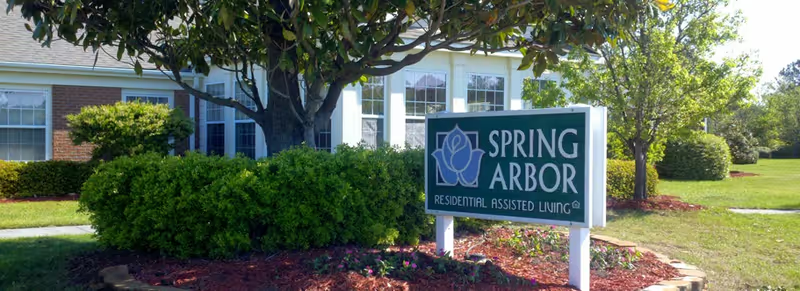
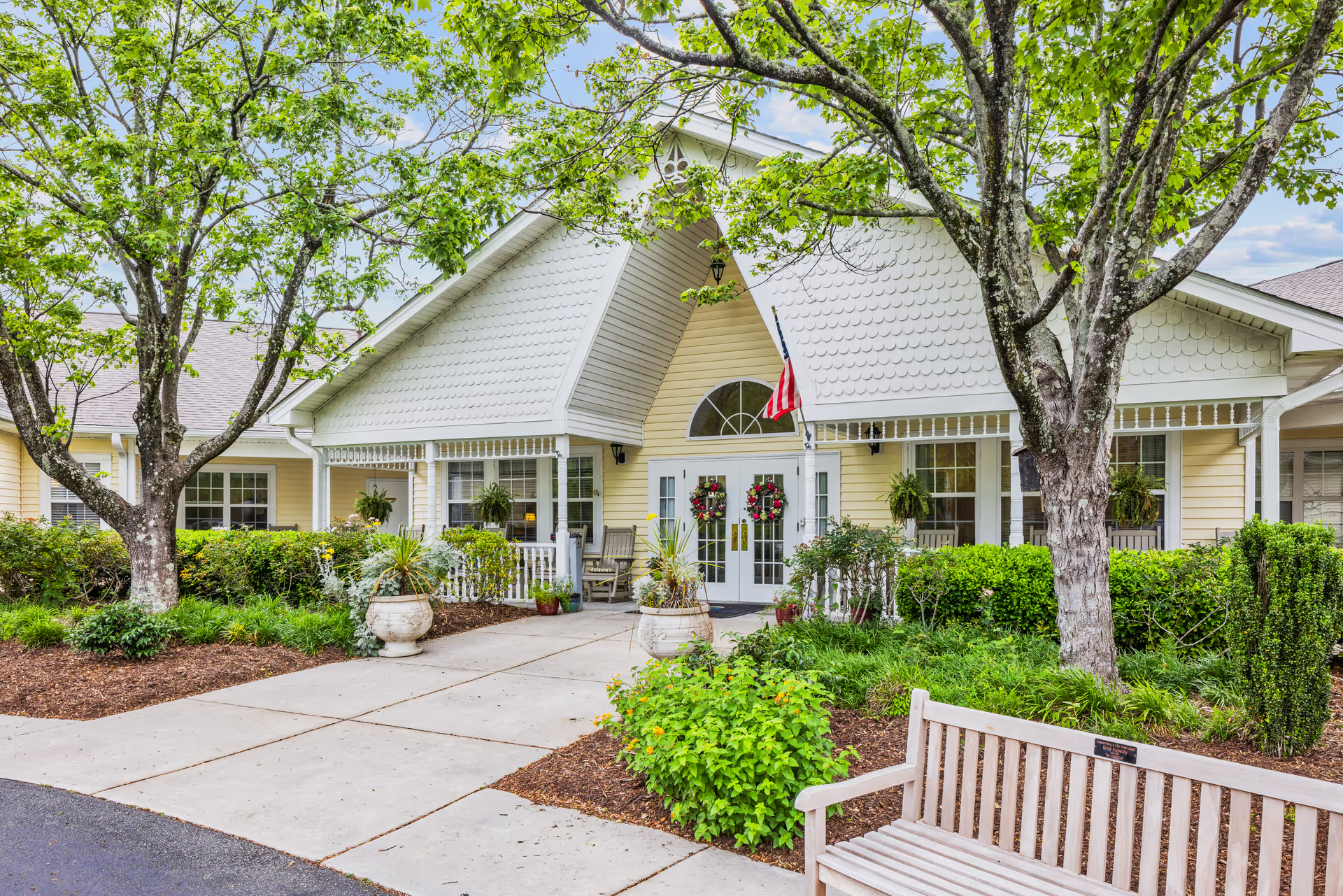
Overall impression: Champions Assisted Living presents as a well-appointed, home-like community with a substantial number of positive remarks about caregiving and resident life, alongside recurring operational and logistical issues. Many families described strong, compassionate nursing and caregiving teams, clear communication from administration, and an engaged activities staff that appears to enhance social interactions and overall resident satisfaction. The facility's decor and cleanliness are frequently noted as strengths, and several accounts describe measurable improvement in residents' quality of life after moving in.
Care and staff: The caregiving staff — nurses, CNAs and resident assistants — are consistently described as caring, responsive, and attentive. Reviewers specifically complimented nursing competence, effective emergency response, and available physician support. At the same time, there are operational concerns that have clinical implications: reviewers noted gaps in assistance with certain medical devices (for example, oxygen concentrators) and raised questions about staff-safety practices. These items suggest generally strong day-to-day caregiving but occasional lapses in clinical support and workplace safety protocols that warrant clarification during a tour.
Dining and activities: Food quality receives generally favorable comments, and the community offers a range of activities that appear to foster social engagement. However, the dining model—small, pod-style dining areas—limits communal dining capacity and some reviewers wanted a broader dining experience and more varied social dining opportunities. Activity programming is often characterized as lively and beneficial to social interaction, though a few accounts lacked specific detail; prospective families should ask for current activity schedules and sample menus.
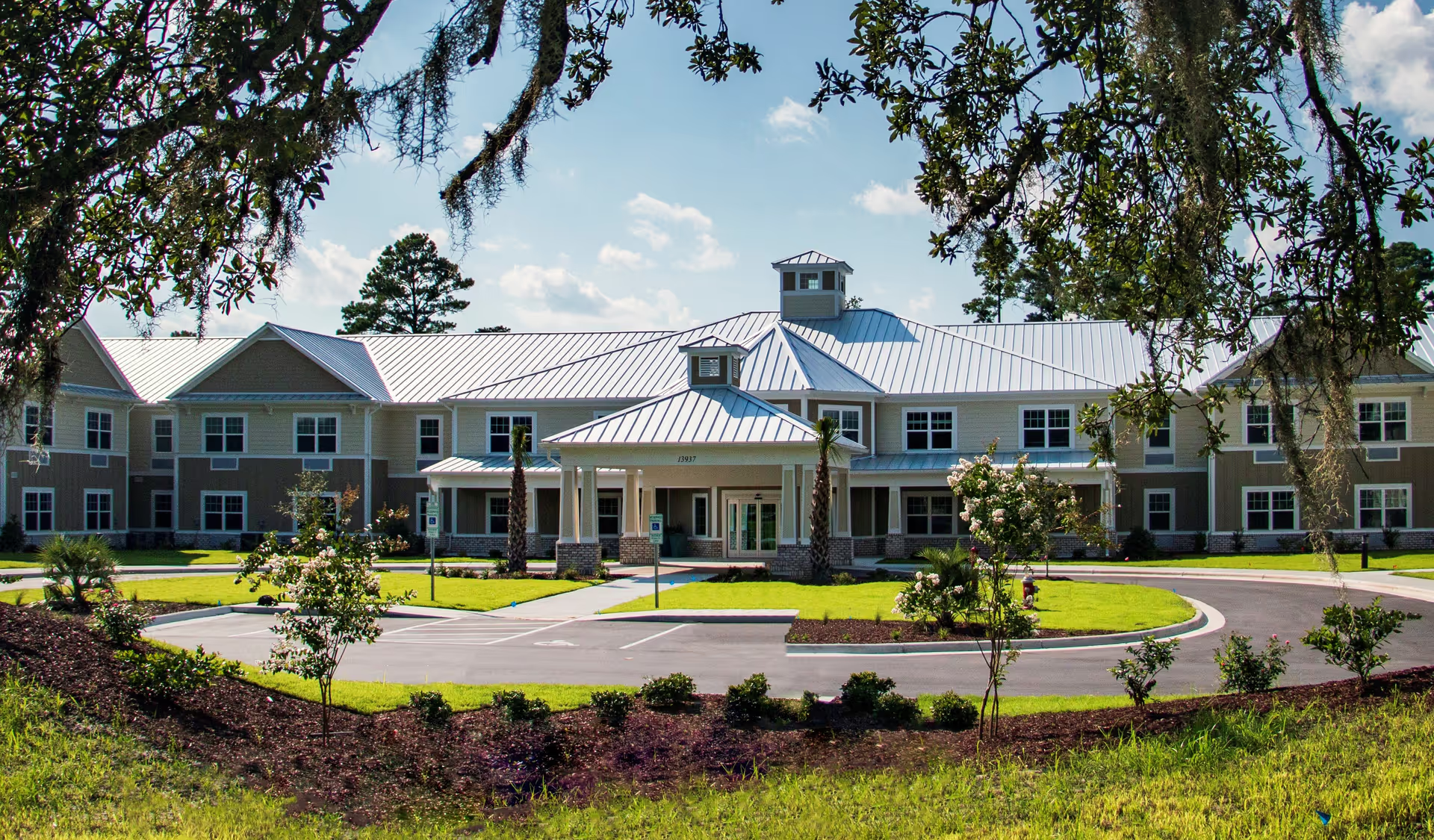
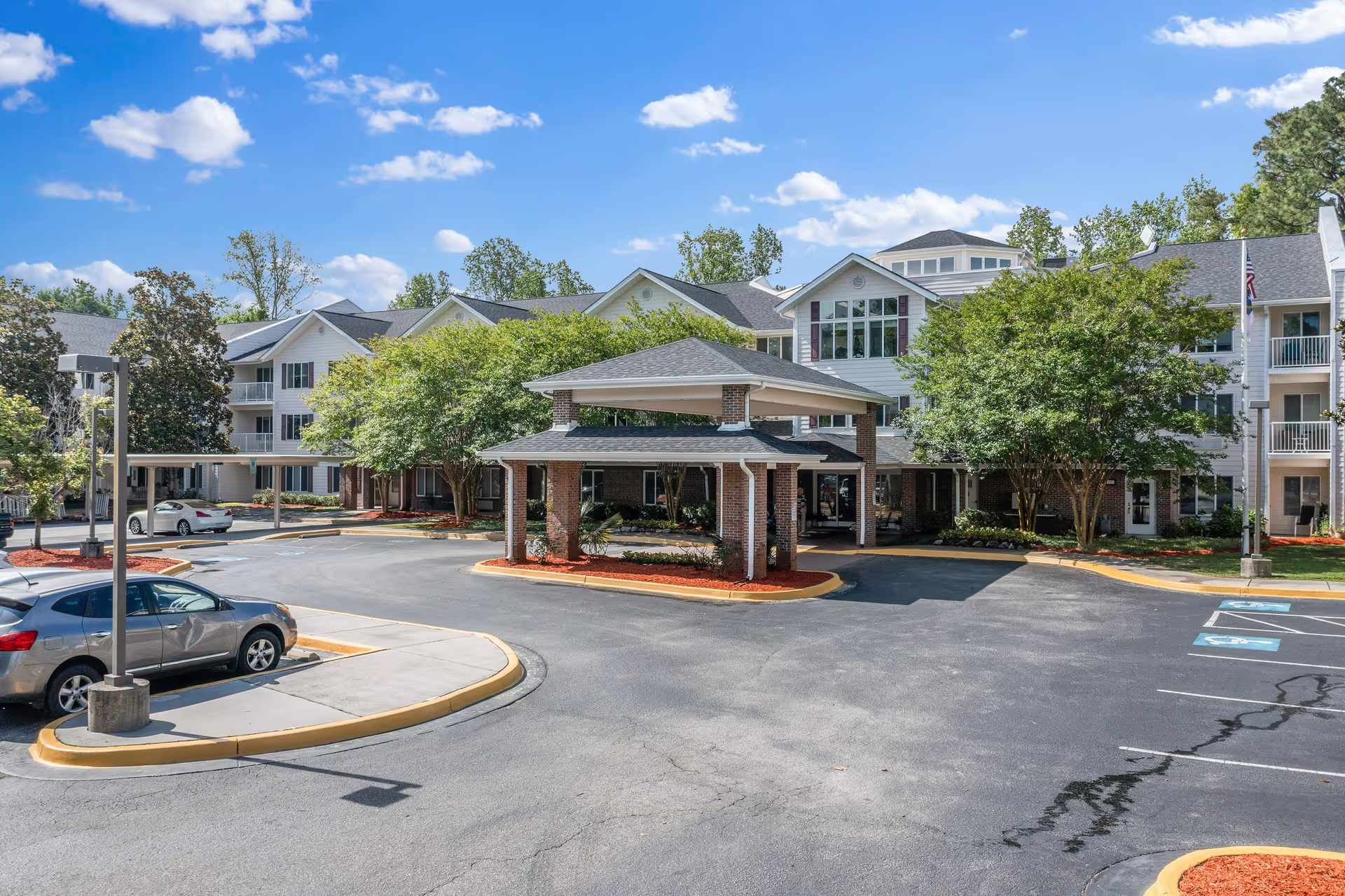
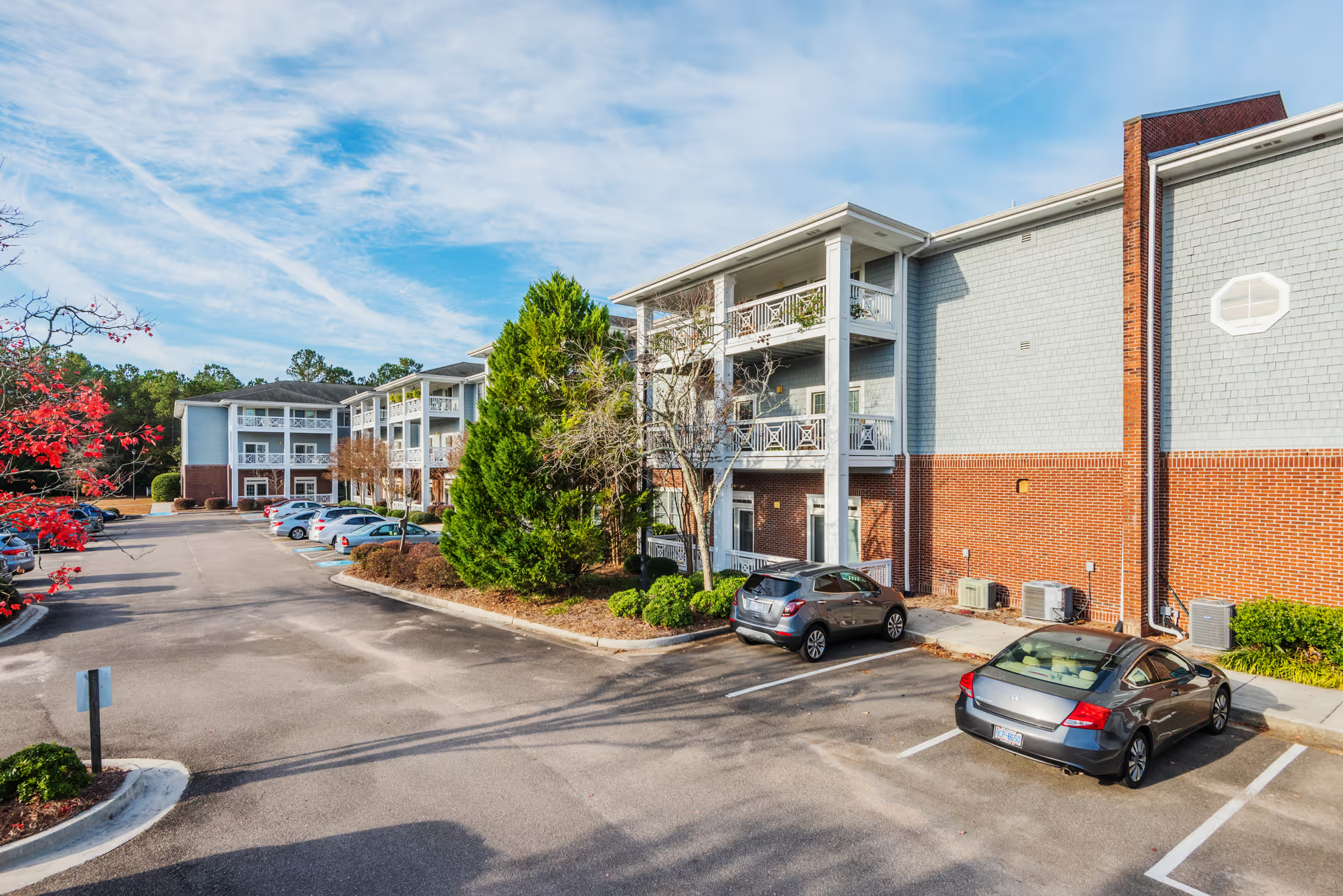
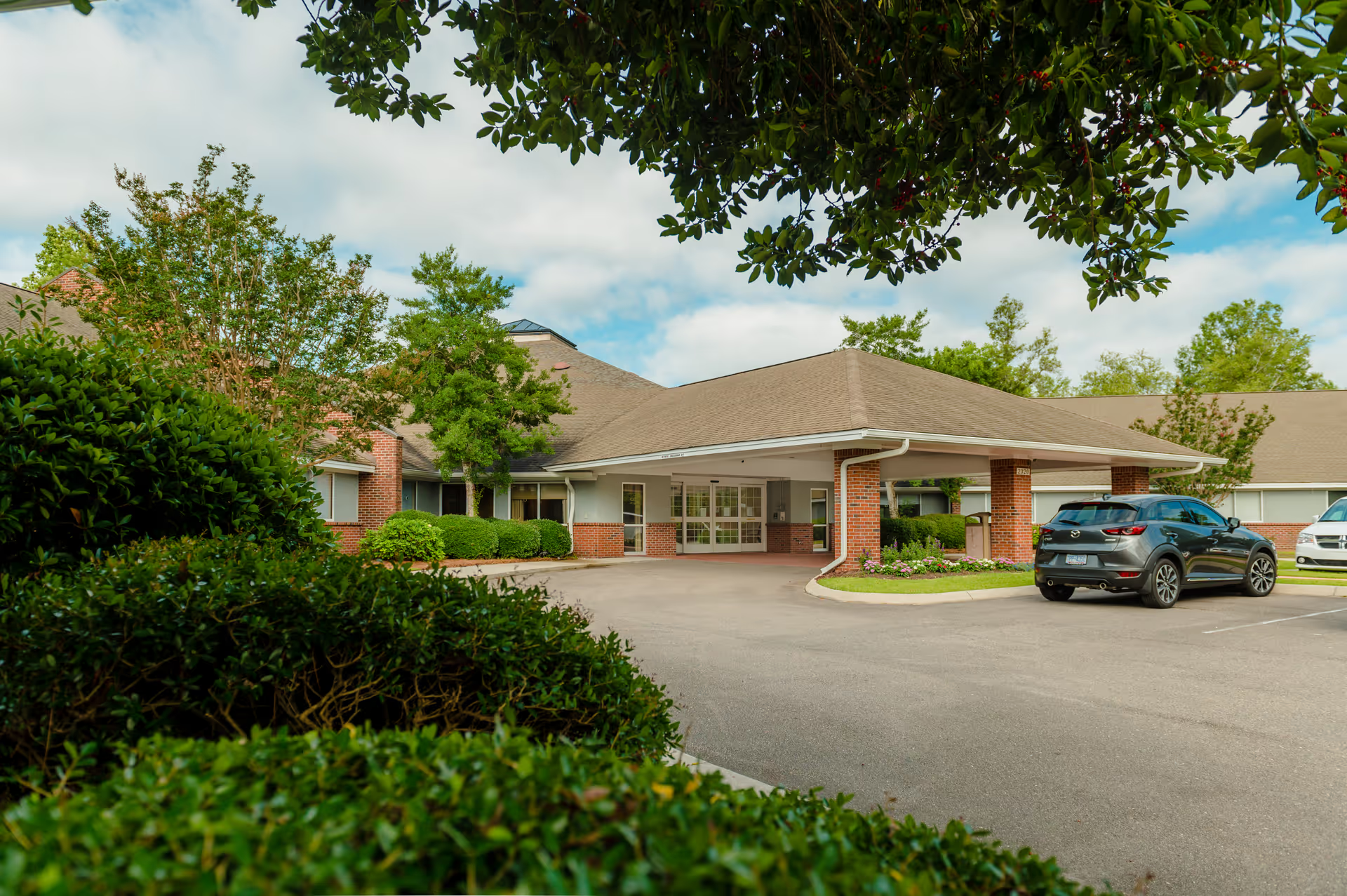
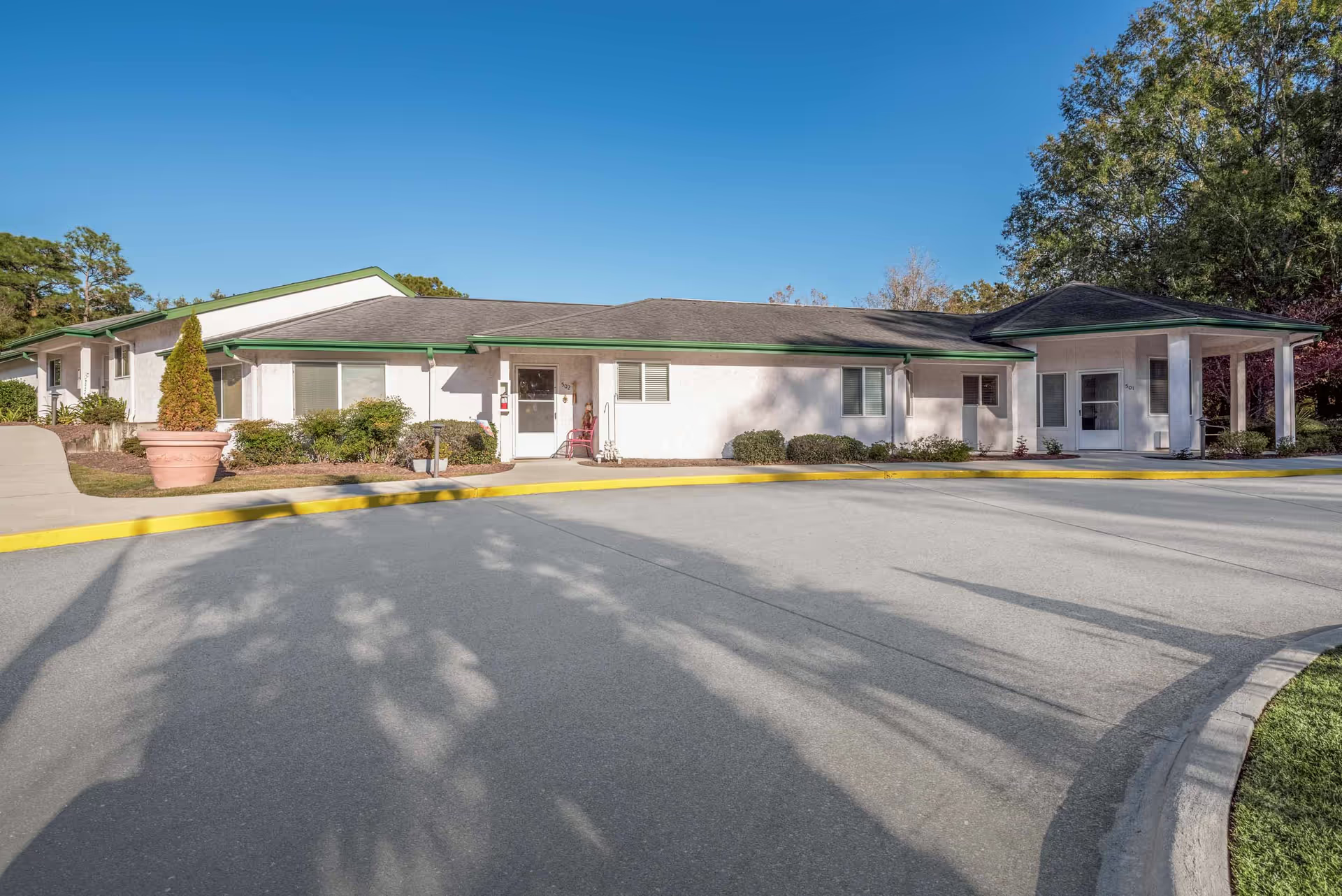
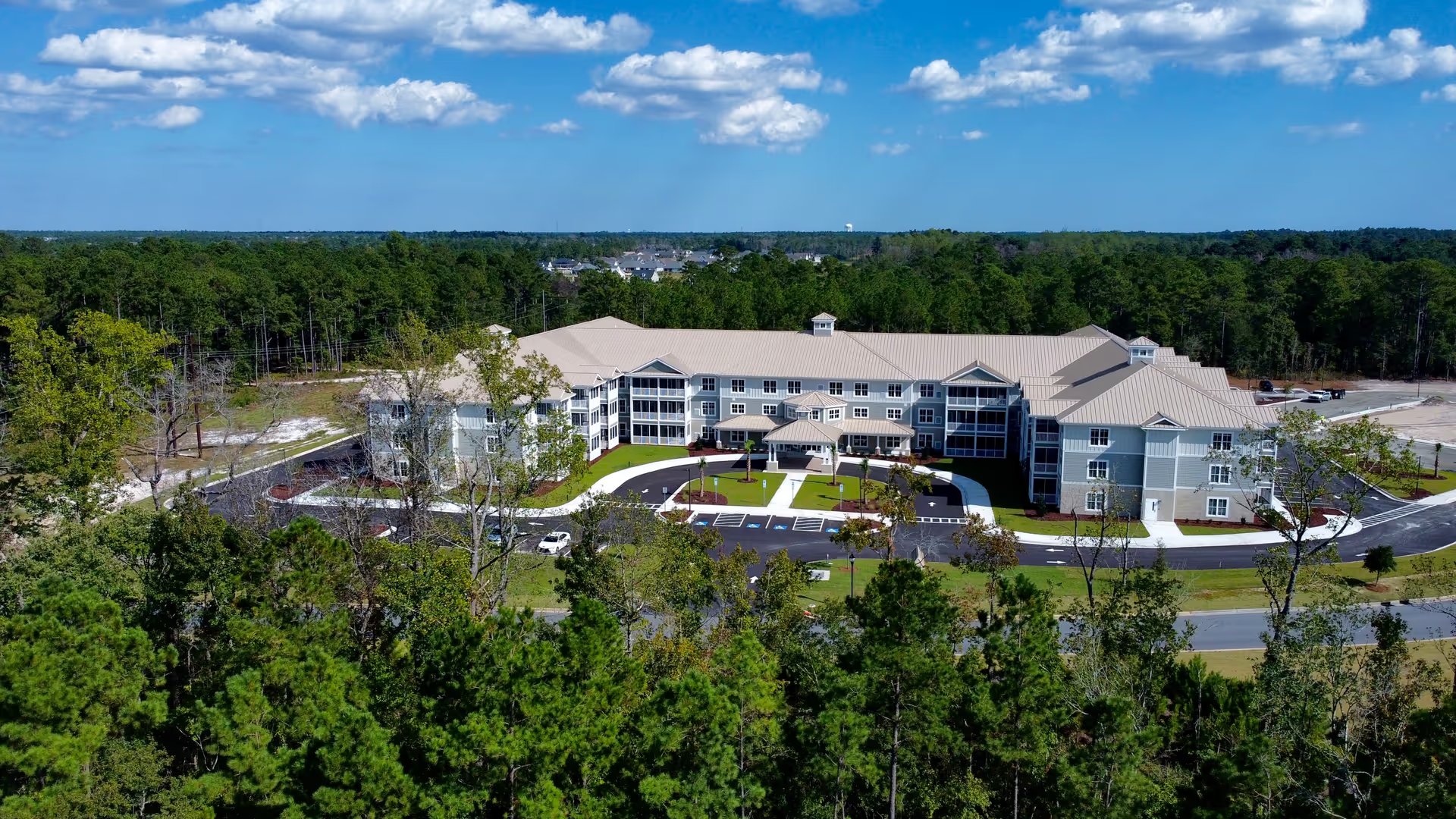
Facilities and logistics: The building and apartments are frequently described as attractive and well-maintained. Reviewers also pointed out practical issues: a hodgepodge layout with confusing floor access and wayfinding, ongoing construction that can disrupt daily life, and location convenience that varies by family. These physical and logistical factors can affect daily navigation and visitor access and should be assessed in person.
Management and operations: Administrative responsiveness and a strong on-site administrator were noted as strengths; many families felt well-informed and supported. Conversely, reviewers mentioned organizational disorganization at times—examples include inconsistent tour staffing knowledge, unclear referral pathways to specialized units (e.g., memory-care referrals), and what was described as uneven operational coordination. Cost is another recurrent theme: the community is considered expensive by some families, even though non-profit ownership was identified as a positive by others.
Notable patterns and recommendations: The dominant pattern is a community with strong interpersonal care and an engaging social environment, tempered by facility-level operational and logistical shortcomings. Prospective residents and families should prioritize in-person visits to evaluate wayfinding, ask about current construction timelines, request written policies on clinical support for medical equipment, inquire about staff-safety protocols and staff training, confirm details of referral processes between care levels, and review all fees and contract terms. These targeted questions will help reconcile the facility’s evident caregiving strengths with the operational issues highlighted in feedback.