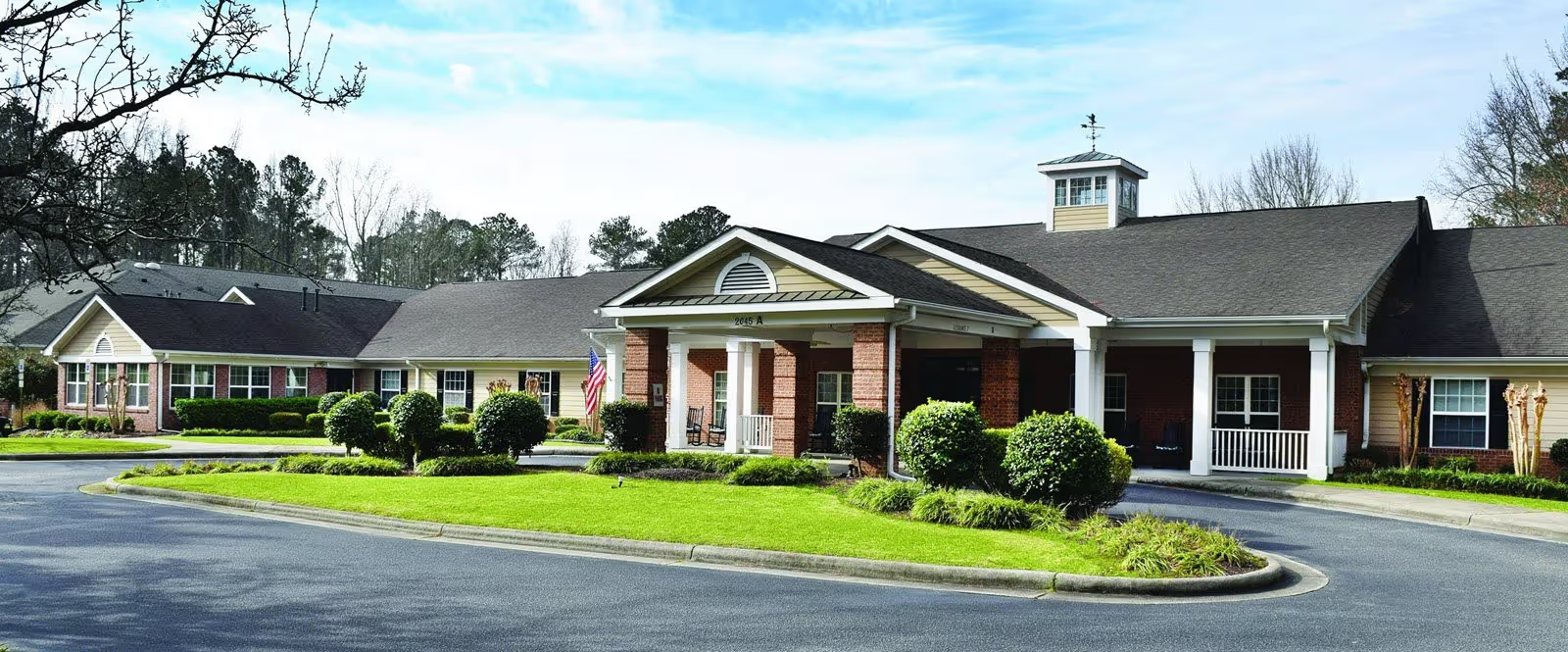
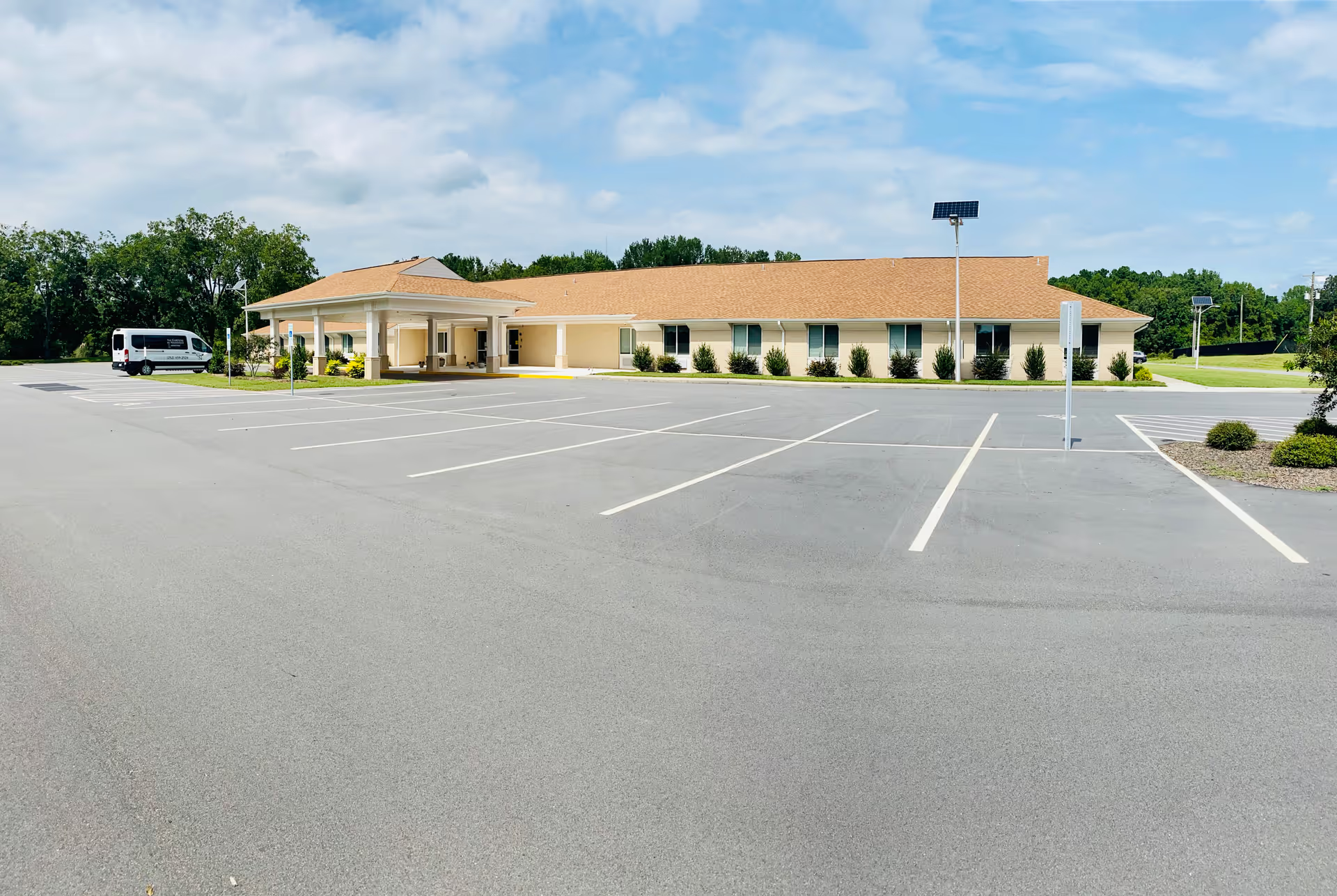
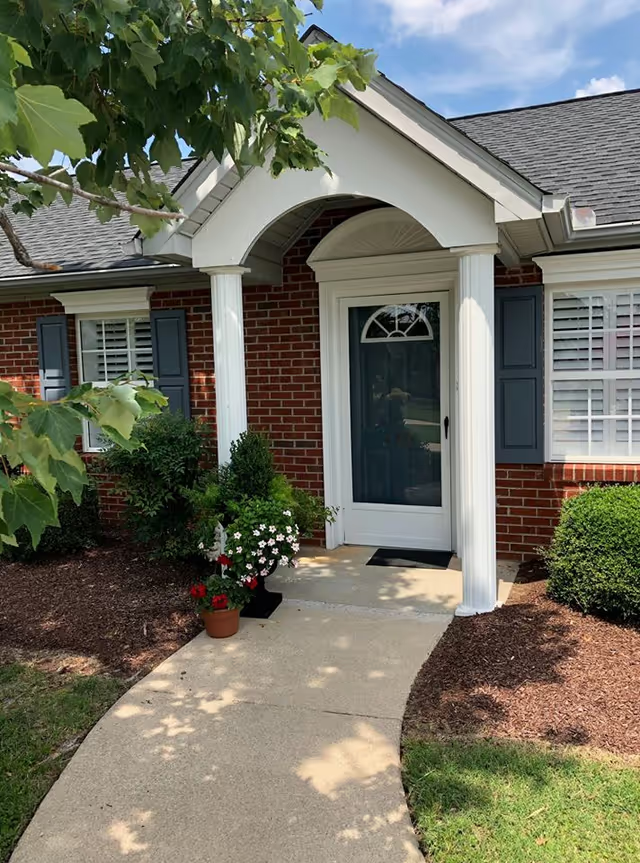
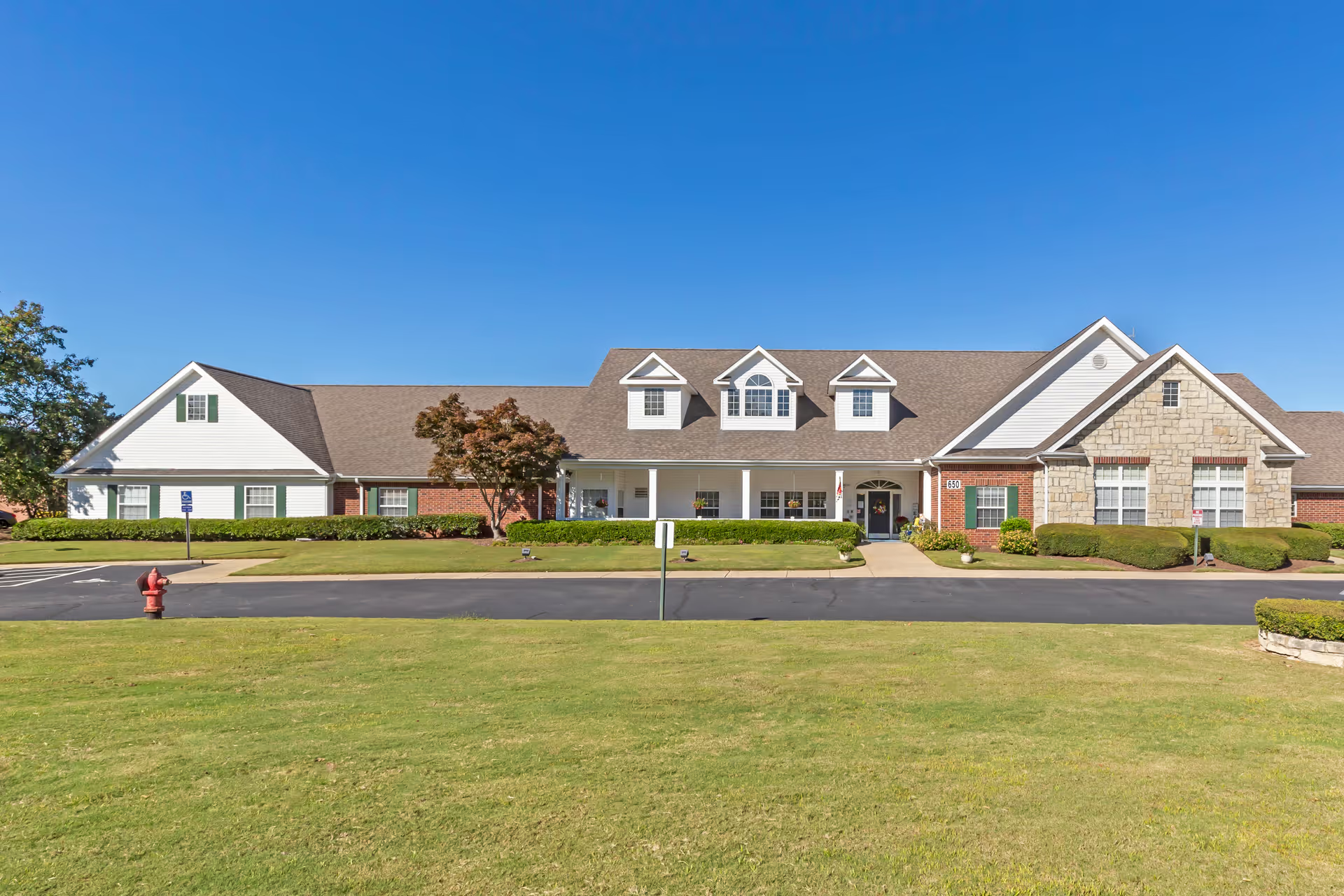
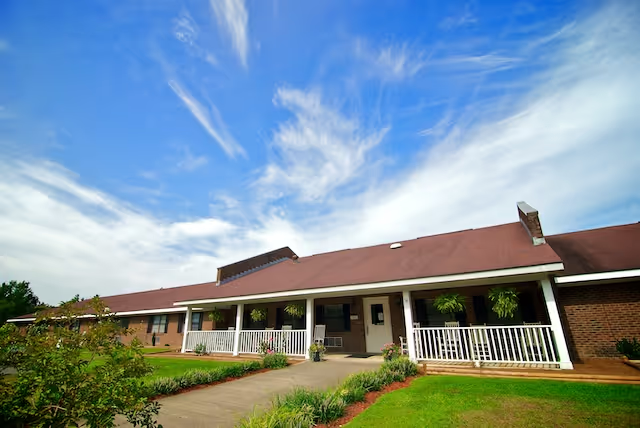
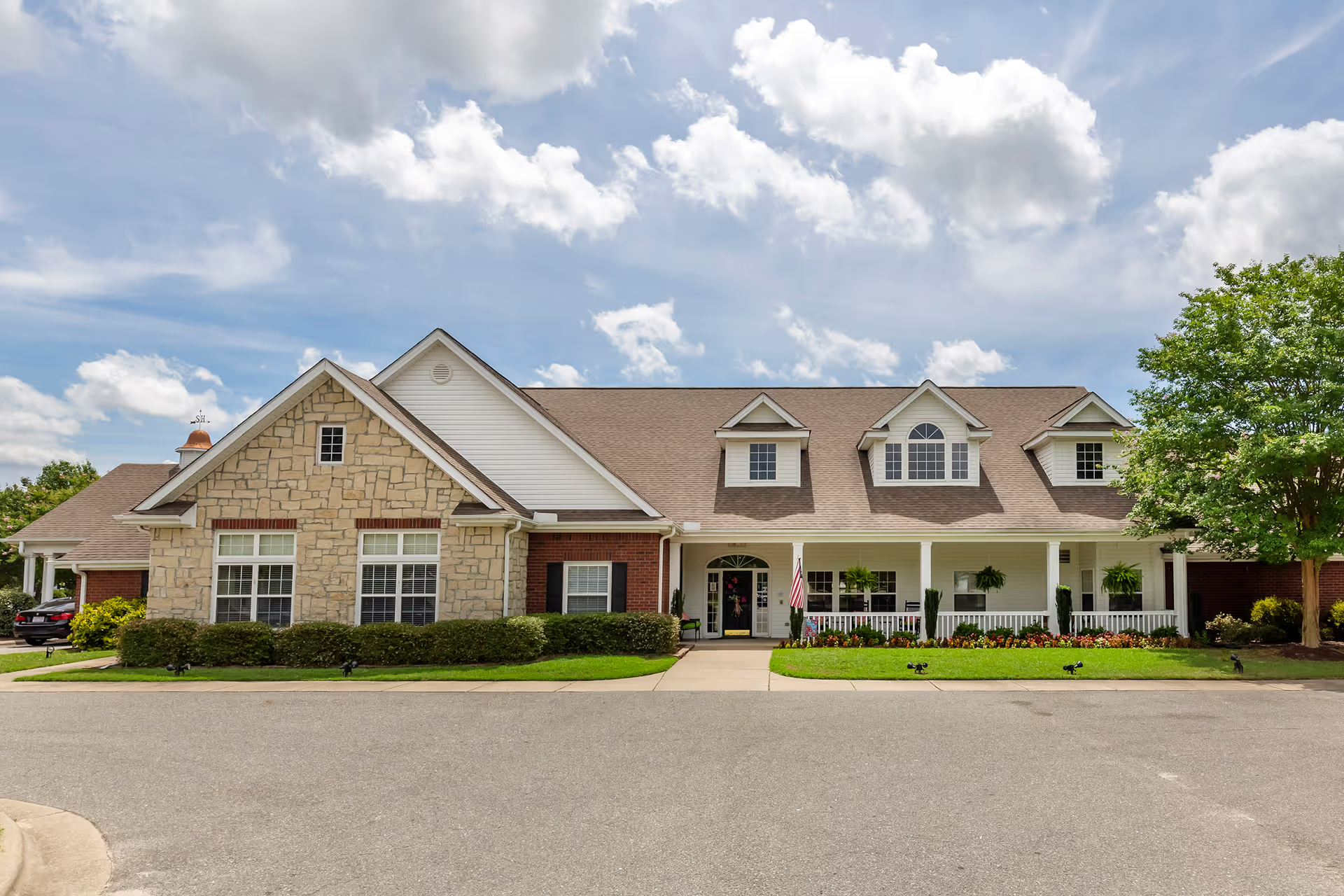
These reviews present a mixed but specific picture. Many comments emphasize strong front-line strengths — staff who are described as caring, friendly and attentive, clean and well-maintained facilities, spacious units, an inviting lobby and active programming. Dining and food service receive frequent praise for taste, accommodation of special diets and personable dining staff. Activity programming and community life are repeatedly cited as engaging, with an active director and a social, vacation-like atmosphere in some units. For families seeking a full continuum of services, the presence of independent, assisted and memory-care options and visible move-in/transition support are positive operational features.
At the same time, several substantive operational concerns emerge. The most serious relate to clinical and medication-management practices: reviewers describe instances that point to weak controls around medication administration and storage and inconsistent oversight between shifts. Relatedly, families reported variability in day-to-day care responsiveness and a reliance on a small number of particularly effective caregivers to maintain quality. Communication gaps — especially the absence of consistent written notification and documentation for clinical events or care-plan changes — are a recurring theme and compound family frustration when issues arise.
Management and policy issues are another notable pattern. Some families cited limited leadership engagement and what they perceived as inconsistent accountability when problems occurred. Concerns about end-of-life care coordination and notification following a resident death were raised and warrant careful inquiry. Financial and contractual clarity is also an operational weakness: reviewers mention unclear billing or move-out procedures and annual rent increases that may affect residents on a fixed income.
For prospective residents and families, the facility offers many attractive features: cleanliness, welcoming communal spaces, robust activities and generally well-regarded dining. However, the operational weaknesses identified suggest it is important to verify specific protocols before committing. Recommended questions include: how medications are stored and administered, what handoff and shift-continuity procedures are in place, how and when families will receive written notifications about clinical changes, staffing ratios for the unit of interest, and detailed financial terms including rent increase policies and move-out rules. Observing a mealtime, attending an activity, speaking with current residents or family members and requesting written copies of key policies will help assess whether the facility’s strengths align with your priorities and whether the operational gaps have been addressed.