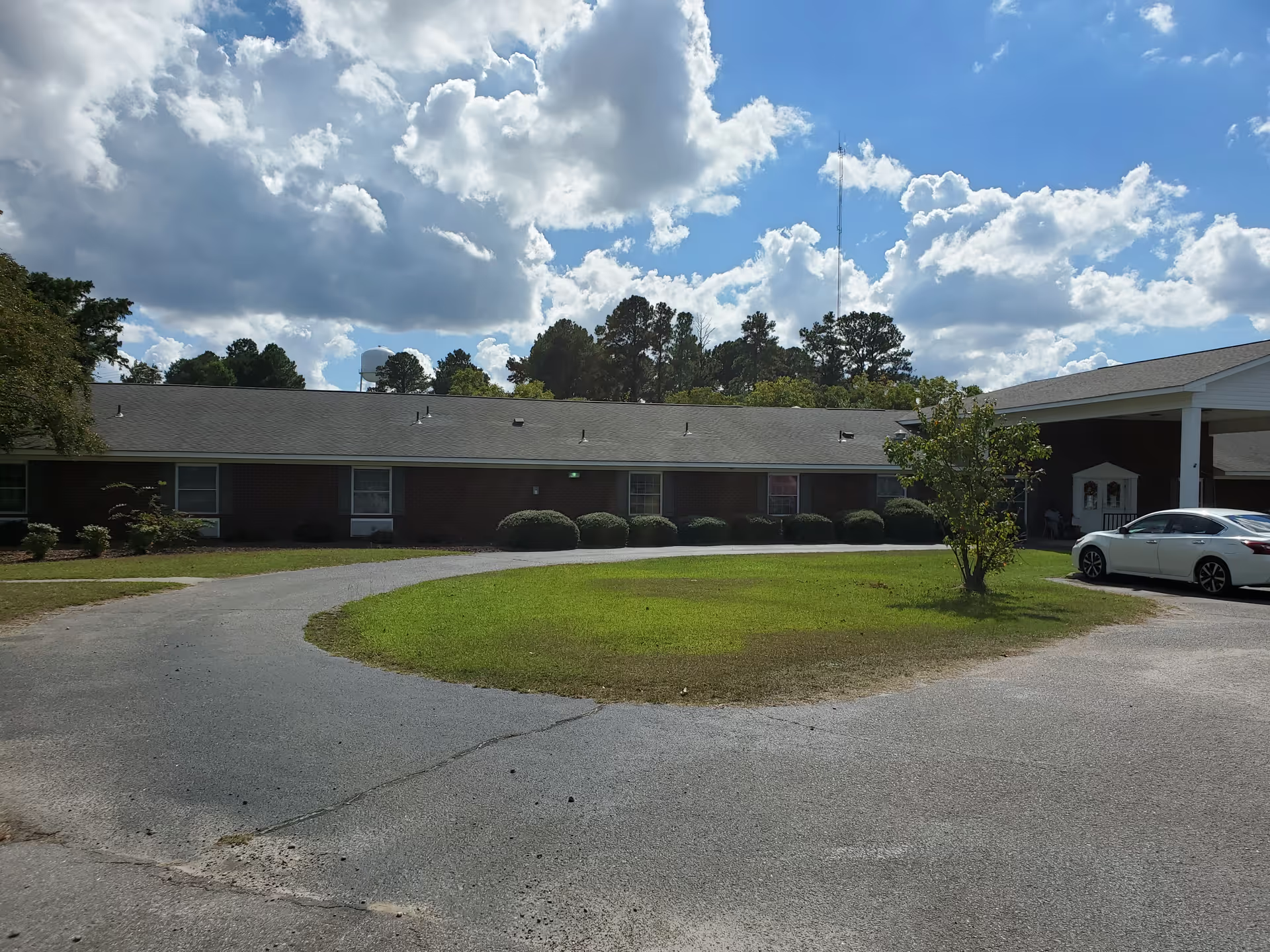
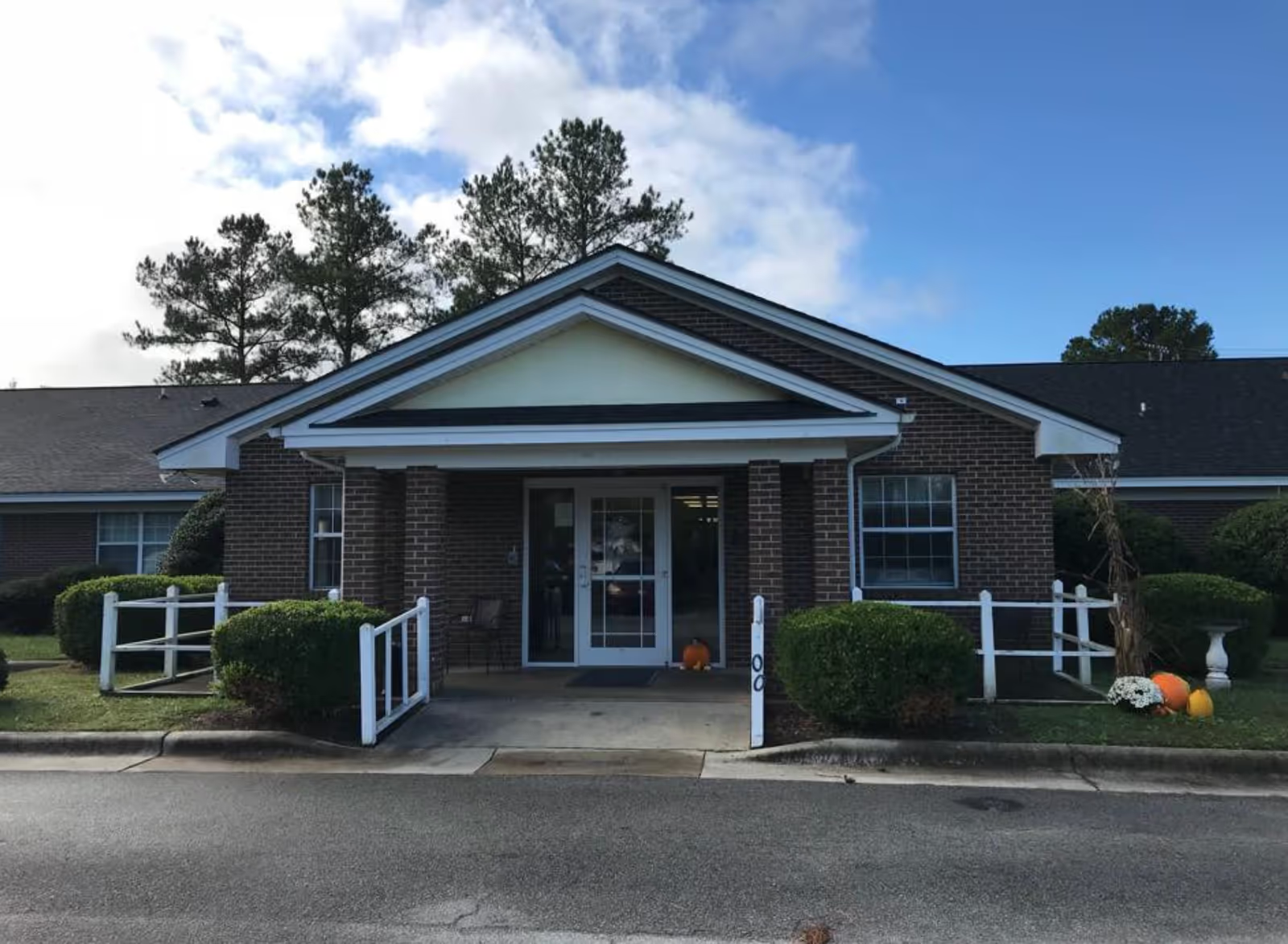
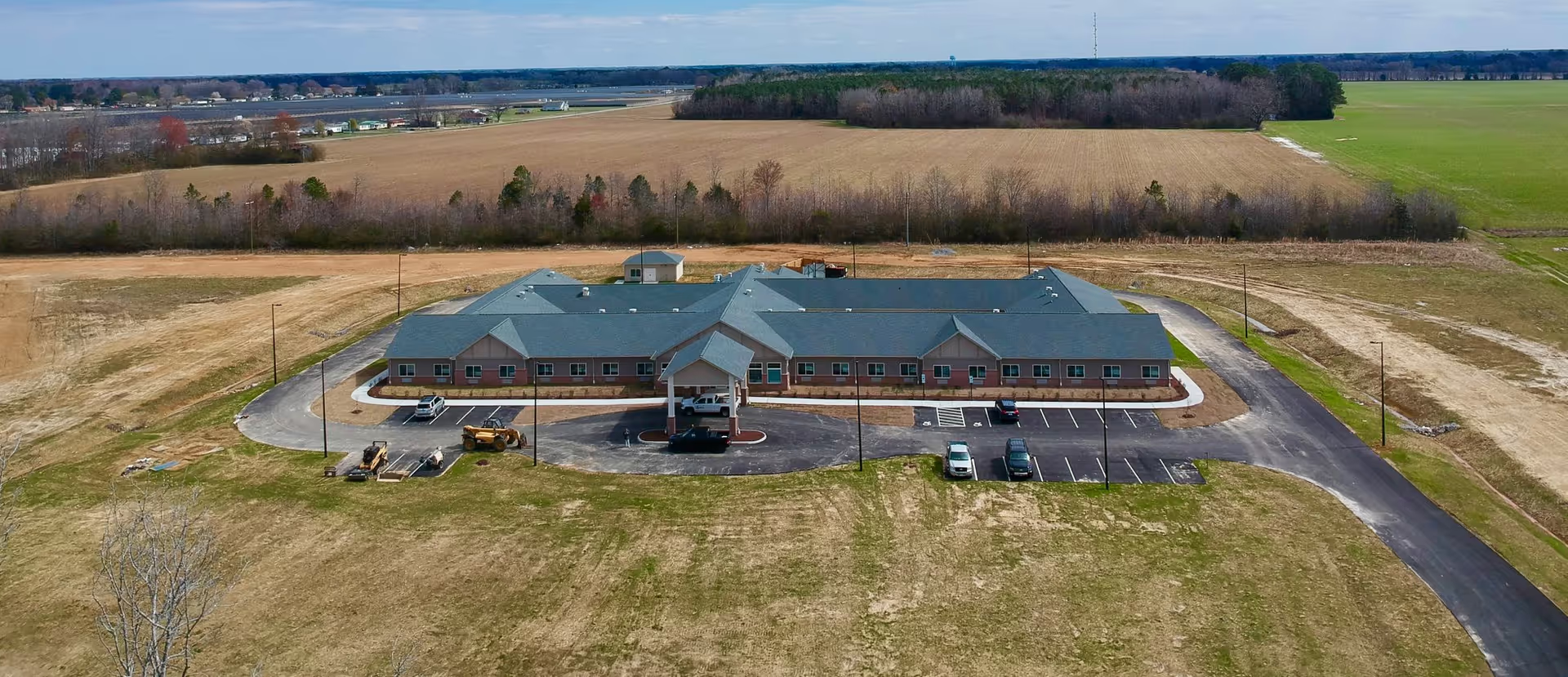
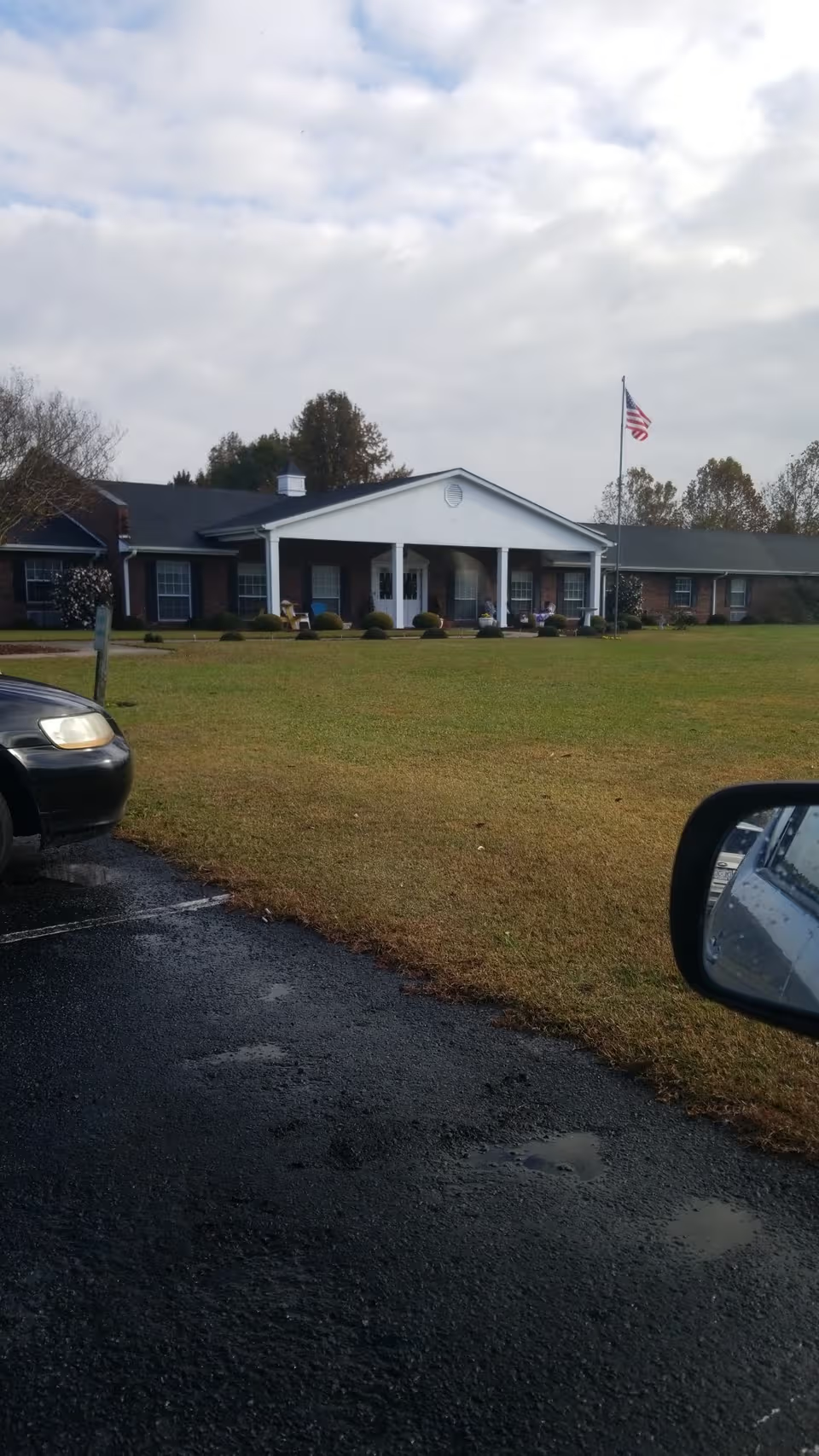
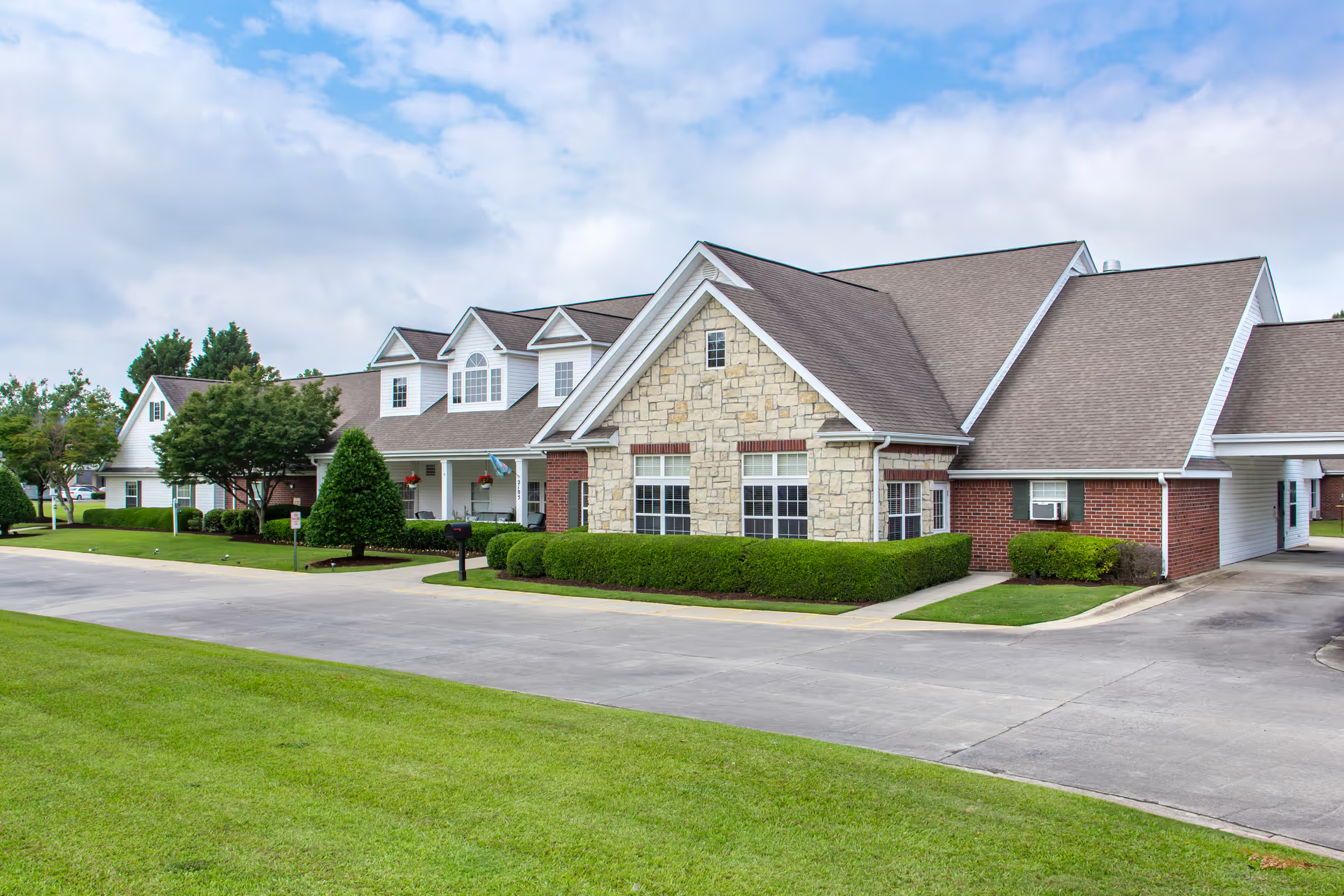
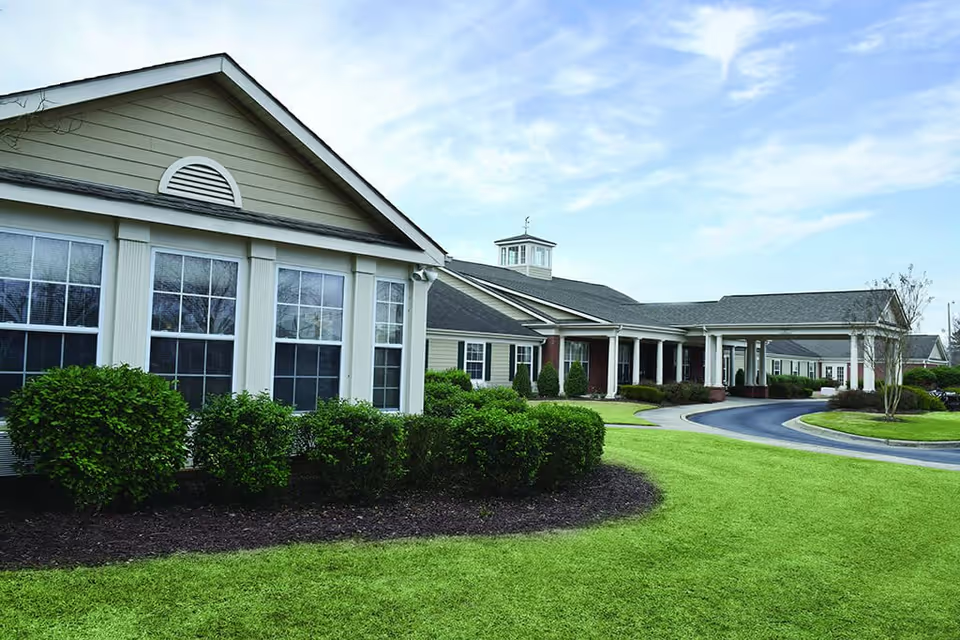
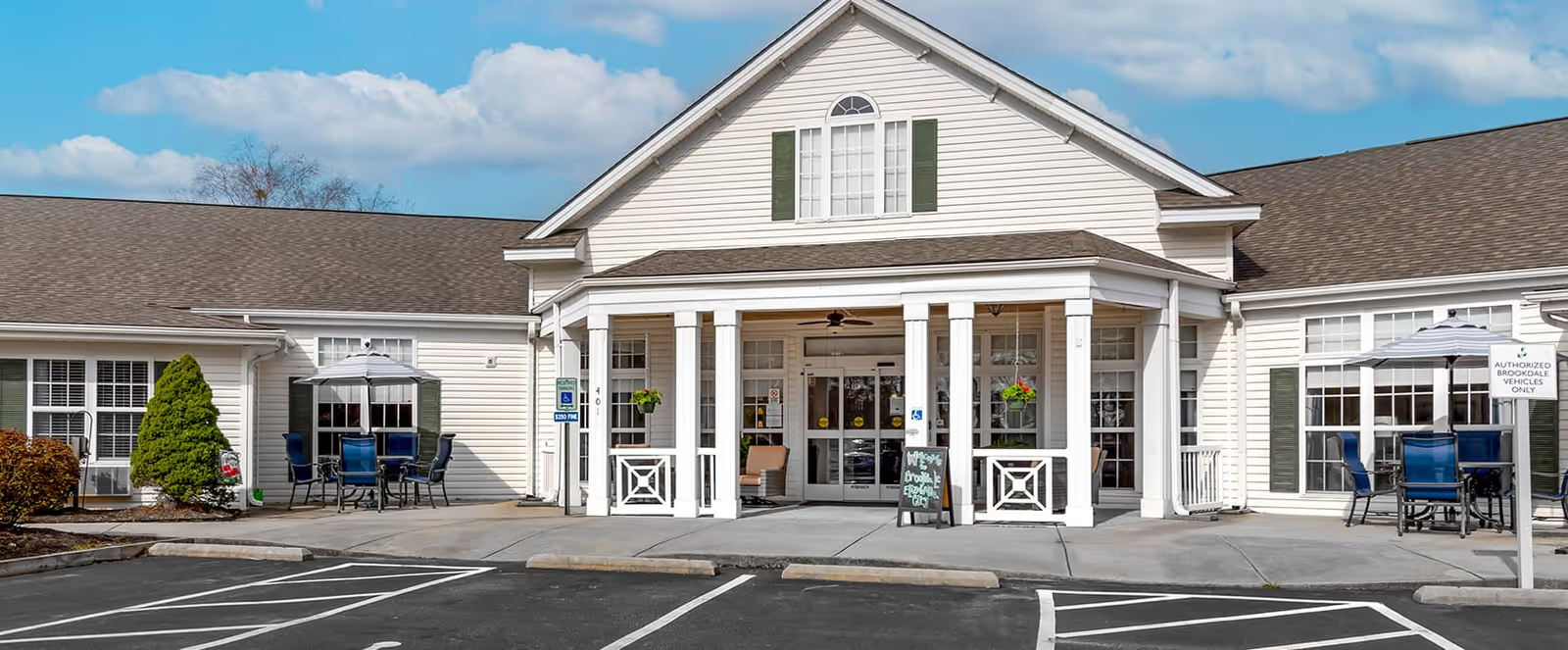
Overall impression: Reviews portray Three Rivers Health & Rehabilitation Center as a facility with notable strengths in rehabilitation and personalized care, combined with a generally clean, well-maintained environment. Many families describe significant clinical improvements — improved mobility, participation in therapy, and even medication reduction — that they attribute to a capable therapy team and attentive clinical staff. The facility’s housekeeping, dining, and physical spaces are frequently characterized as clean, odor-free, and hotel-like, and several accounts highlight single-room options and accommodating meal service.
Care and staff: Clinical care is often praised for its compassion and effectiveness. Nurses, CNAs, and therapists are repeatedly described as kind, communicative, and skilled; reviewers credit the therapy staff with measurable functional gains and timely progress updates. At the same time, there is a contrasting pattern of concerns about responsiveness and staff availability during busy periods. These operational weaknesses manifest as delayed responses to resident requests, phone-access difficulties for families, and reported lapses in timely assistance with toileting and tray setup. Additionally, several reviews indicate issues with fall prevention and transfer safety, suggesting the facility’s approaches to mobility risk and supervision may be inconsistent in practice.
Dining, activities, and facilities: Dining services receive positive comments for food quality and staff flexibility. Janitorial and maintenance teams are credited with keeping common and private areas clean, contributing to an odor-free environment. Activity programming and appointment coordination are also noted as supportive of residents’ social and outpatient needs. Occasional concerns include noise levels in certain areas and variability in the quietness of the environment; prospective residents may wish to evaluate room placement and routine noise-control practices during a visit.
Management and communications: Administrative staff are frequently described as helpful with insurance navigation and discharge planning, and some reviewers emphasize proactive follow-up and assistance arranging home health or outpatient therapy. However, there are operational concerns related to admissions communications, unexplained admission declines, and inconsistent transparency in some interactions. There are isolated allegations of dishonest communication in a few accounts; while these appear uncommon relative to the overall volume of positive feedback, they are notable and may merit clarification during intake conversations.
Notable patterns and guidance: The dominant strengths are rehabilitation effectiveness, compassionate direct-care staff, cleanliness, and supportive administrative follow-through. The primary operational weaknesses are inconsistent responsiveness (including phone access), gaps in fall-prevention and toileting/meal-assistance processes, and uneven staffing availability during peak times. For prospective residents and families, recommended due diligence includes asking about current staffing levels and on-shift supervision, reviewing fall-prevention protocols, confirming how toileting and meal assistance are scheduled, and testing phone/contact responsiveness during the touring and admissions process.