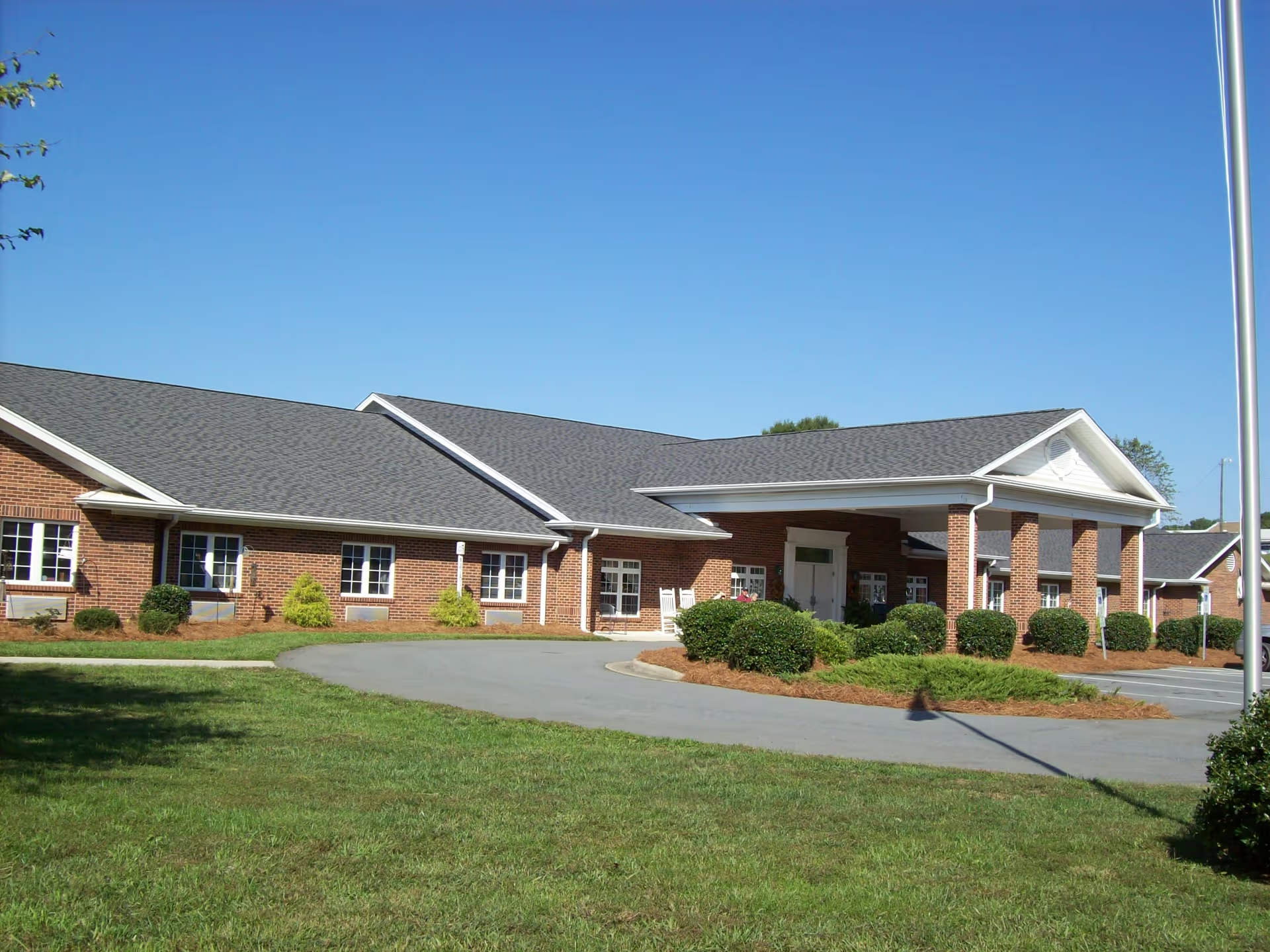
Reviews of Oak Forest Health and Rehabilitation Center present a mixed picture with clear, recurring patterns. The facility receives consistent praise for its therapy program — physical and occupational therapy clinicians are frequently credited with measurable mobility and self-care gains that enable discharge home. Many comments highlight engaged, compassionate direct-care staff and CNAs who form positive relationships with residents; the campus environment, outdoor areas, and activities program (bingo, music, religious services and social events) are also noted as meaningful contributors to resident quality of life.
Concurrently, a substantial portion of feedback identifies operational weaknesses that affect day-to-day care. Staffing instability and frequent use of agency personnel are associated with delayed responses to call bells, inconsistent bathing and incontinence-care schedules, and variability in basic bedside attention. Several accounts indicate medication-timing and documentation problems, which reviewers framed as missed or delayed doses. Wound-care and infection-control processes were also a recurring concern, with families reporting care gaps that affected healing or required escalation.
Communication and administrative processes show a similar split. Positive experiences include hands-on administrators and helpful front-desk reception that facilitated admissions, transportation, and Medicare/discharge coordination. However, other reports describe front-desk and phone failures, slow or unsatisfactory responses to complaints, and billing or financial-administration difficulties. These administrative inconsistencies contribute to family frustration and undermine trust when clinical concerns arise.
Facility and service-level observations are inconsistent across reviews. Many families commend cleanliness, well-kept grounds, and on-site services such as haircuts and laundry, and several highlight good dietary accommodations and balanced meals. Opposing comments cite variable sanitation practices and privacy lapses (for example, doors left open or inadequate supervision), indicating that housekeeping and unit-level oversight may not be uniform. Activity programming and social engagement are generally regarded as strengths and are repeatedly noted as improving residents' emotional well-being.
Taken together, the pattern suggests Oak Forest can provide strong rehabilitative outcomes and a positive social environment when staffing and supervision are stable. The primary risks identified are operational: uneven staffing and supervision, lapses in timely bedside care and medication administration, and inconsistent administrative responsiveness. Prospective residents and families should weigh the facility's proven therapy strengths and community features against these operational variability indicators, ask specific questions about staffing ratios and infection-wound-care protocols, and clarify billing and communication procedures before admission.