Overall impression: Reviews describe a facility that delivers strong clinical rehabilitation and many instances of attentive, compassionate nursing care, with a clean and well-maintained physical environment. Families commonly report measurable functional and cognitive gains for residents who participate in the therapy programs, and several note improved quality of life and reassurance from staff communication and logistical help. Housekeeping and sanitation are frequently cited as strengths, and activity programming and resident social interactions are often described as positive.
Care quality and staff: The Magnolias appears to have a well-developed interdisciplinary care model—nursing, physicians, therapy (PT/OT), dietary, and housekeeping are repeatedly mentioned as coordinated contributors to care. Therapy services receive particularly high marks for skill and outcomes. Nursing and many CNAs are described as attentive and compassionate; these staff members are the reason many families express trust and peace of mind. However, reviewers also describe variability in direct-care performance. Night shifts, agency staff, and some CNAs are described as less consistent in responsiveness and professionalism. There are recurring accounts of slow call-light response times and missed personal-care routines, which indicate uneven execution of daily-care processes.
Clinical oversight and safety: Positive accounts of comprehensive care coexist with serious operational concerns. Several reviews reference medication- and clinical-management problems and transfers to higher-acuity settings; these comments translate to gaps in medication administration controls and clinical oversight in some cases. Safety processes for residents at elevated fall risk are also described as inconsistent, and some families raise concerns about how quickly staff attend to mobility and fall-prevention needs. These items suggest opportunities to strengthen clinical protocols, handoffs, and supervision—especially during off-peak hours.
Dining and activities: Dining receives mixed feedback. Multiple reviewers praised meals that offered choices and found dietary staff responsive; others noted limited variety and average taste. Activities and social programming are generally seen as a positive element, with families appreciating engagement options and a friendly resident community.
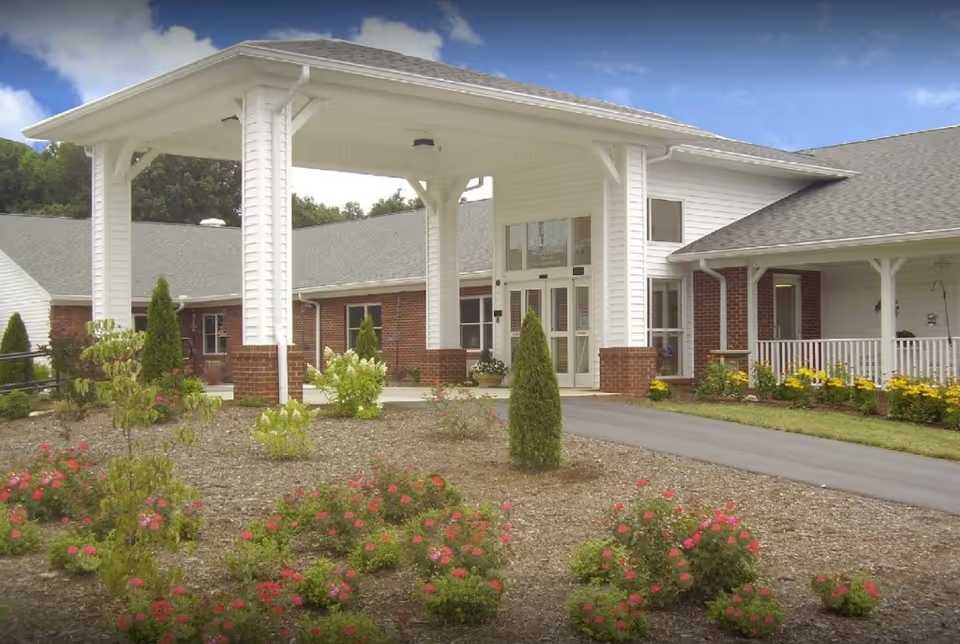
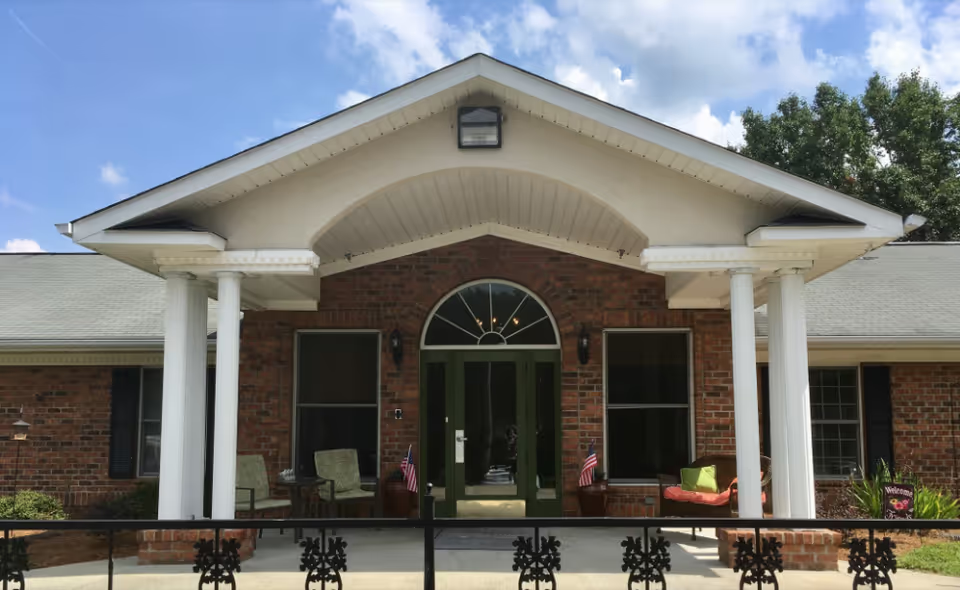
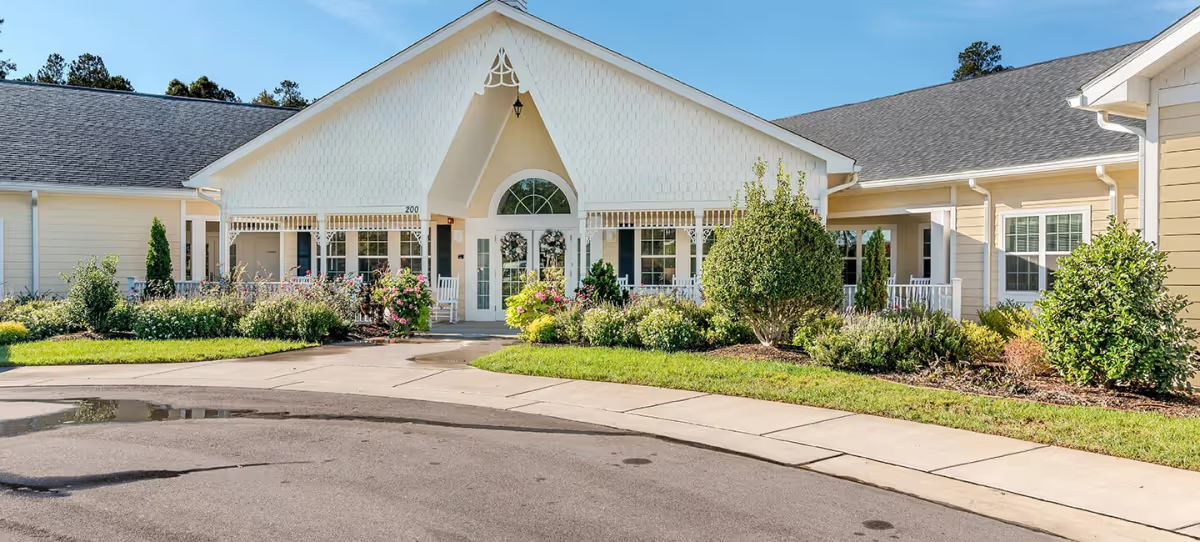
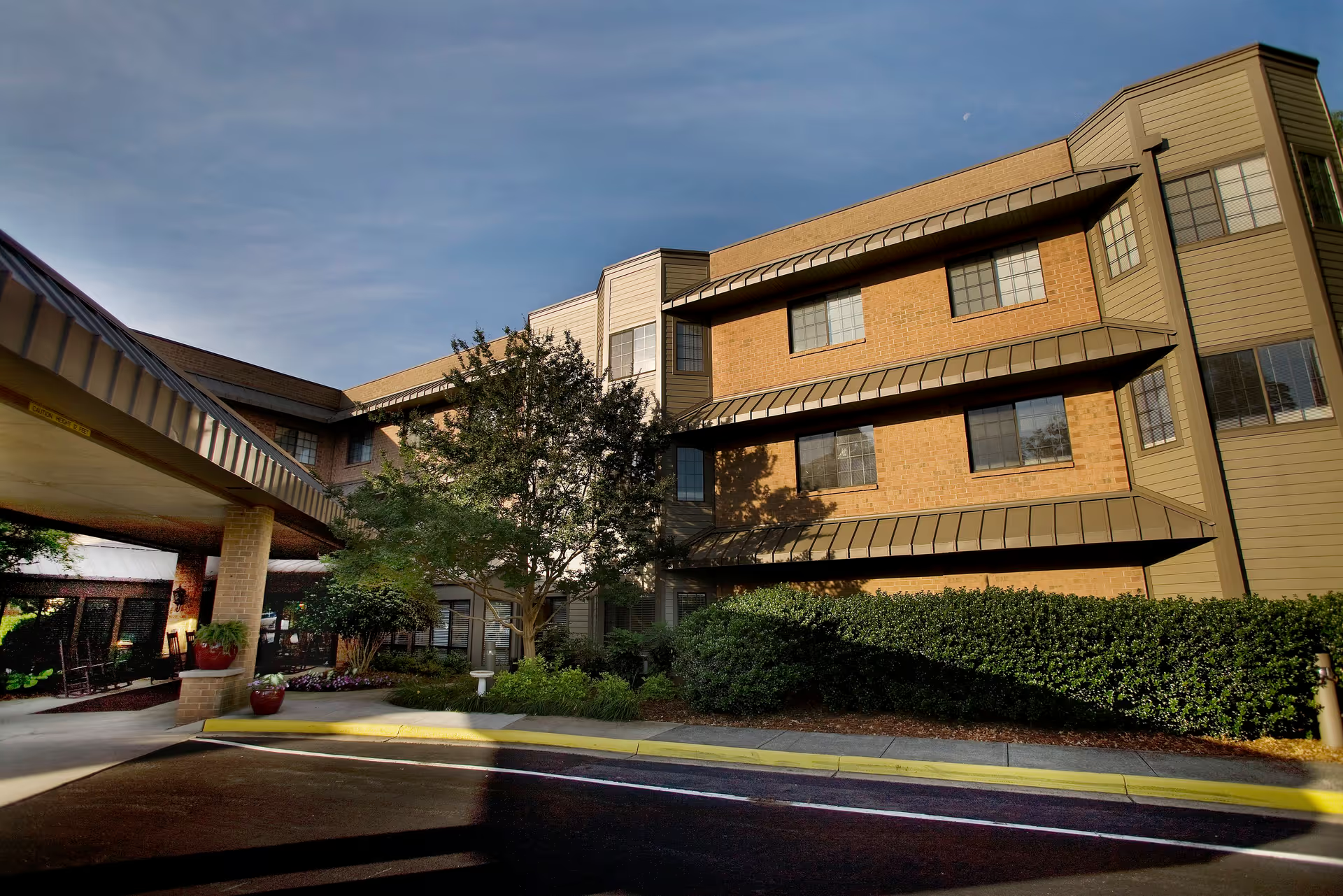
Facilities and operations: The physical plant and housekeeping are frequently commended for cleanliness and sanitation. At the same time, reviewers describe operational issues such as staffing shortages (exacerbated during COVID-related periods), frequent use of agency staff, and communication lapses including an after-hours phone line that can be unreliable. There are also isolated but serious claims about missing resident belongings; these have been framed here as allegations that warrant investigation and improvement to property-security policies.
Notable patterns and considerations: The pattern across reviews is one of high potential and demonstrable strengths—especially in rehabilitation, nursing leadership, and facility upkeep—paired with variability in frontline execution. Prospective families should weigh the facility’s strong therapy and nursing capabilities against reported inconsistencies in staffing, call-response times, personal-care routines, medication oversight, and after-hours communication. If considering The Magnolias, families may wish to ask about current staffing ratios, agency-staff use, call-light response metrics, medication-safety protocols, property-security measures, and how the facility handles clinical escalation and family notification during off hours.