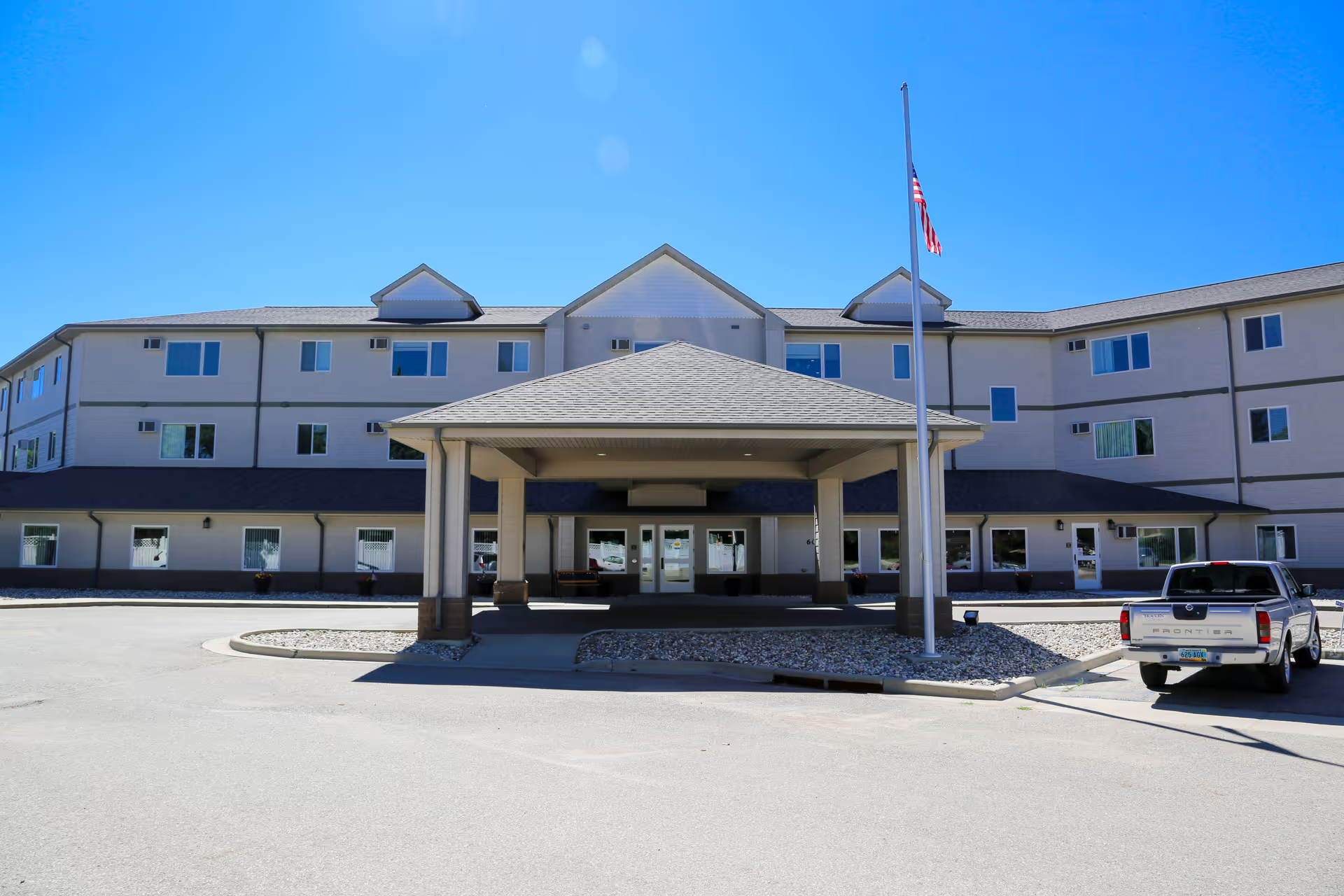
The reviews for Good Samaritan Society – St. Vincent’s present a mixed picture. Several commenters described positive experiences with activities, therapy, and basic accommodations, while other accounts raised operational concerns that affected care continuity and family confidence. Overall, the facility appears to offer meaningful social programming and some solid clinical services, but also exhibits inconsistencies in day-to-day execution.
Care quality is uneven across reviews. Positive notes include competent rehabilitation therapists and instances of measurable improvement for some short-term residents. At the same time, reviewers raised concerns about clinical follow-up: delayed responses to care needs, slow assistance with transfers, wound and infection management gaps, and at least one readmission. These patterns suggest variability in clinical monitoring and escalation processes; some families found they needed to advocate persistently to secure timely interventions.
Staffing and staff conduct emerged as a central theme. Many reviews praised individual nurses and CNAs as caring and friendly, and some families described loving, attentive care. Contrasting accounts described unprofessional tone, snarky attitudes, gossip among staff, and periods when staff appeared overworked or insufficiently present. The combination of perceived staffing shortages and variable staff communication contributed to long call-light response times and delays in assistance.
Dining experiences were also inconsistent. Several reviews commended the food and availability of low‑sodium options, while others described skipped or cold meals and inaccuracies in orders. These indicate weaknesses in meal-service continuity and temperature control that may affect residents who require reliable nutrition and mealtime assistance.
The facility’s common areas and rooms received generally favorable comments: reviewers noted cleanliness, private rooms with basic furnishings and TVs, and an on-site library. However, there were practical concerns about room layout in one account (bathroom access shared or adjacent to a neighbor) that prospective residents should verify in person.
Management and clinical leadership presence was a recurring concern. Families cited limited physician availability and few visible administrative leaders at times, along with uneven hospice coordination for residents at end of life. These issues point to gaps in interdisciplinary communication and care-transition planning rather than isolated clinical errors.
For prospective residents and families: the facility offers strengths in activities, therapy, and general cleanliness, but also shows operational vulnerabilities around staffing, responsiveness, meal service, and clinical follow-through. When evaluating this facility, consider asking for current staffing ratios, typical call‑light response times, infection‑prevention practices, examples of recent therapy outcomes, how hospice transitions are handled, and to observe meal service and a sample room layout. These targeted questions can help determine whether the facility’s strengths align with your care priorities and whether the documented inconsistencies have been addressed.