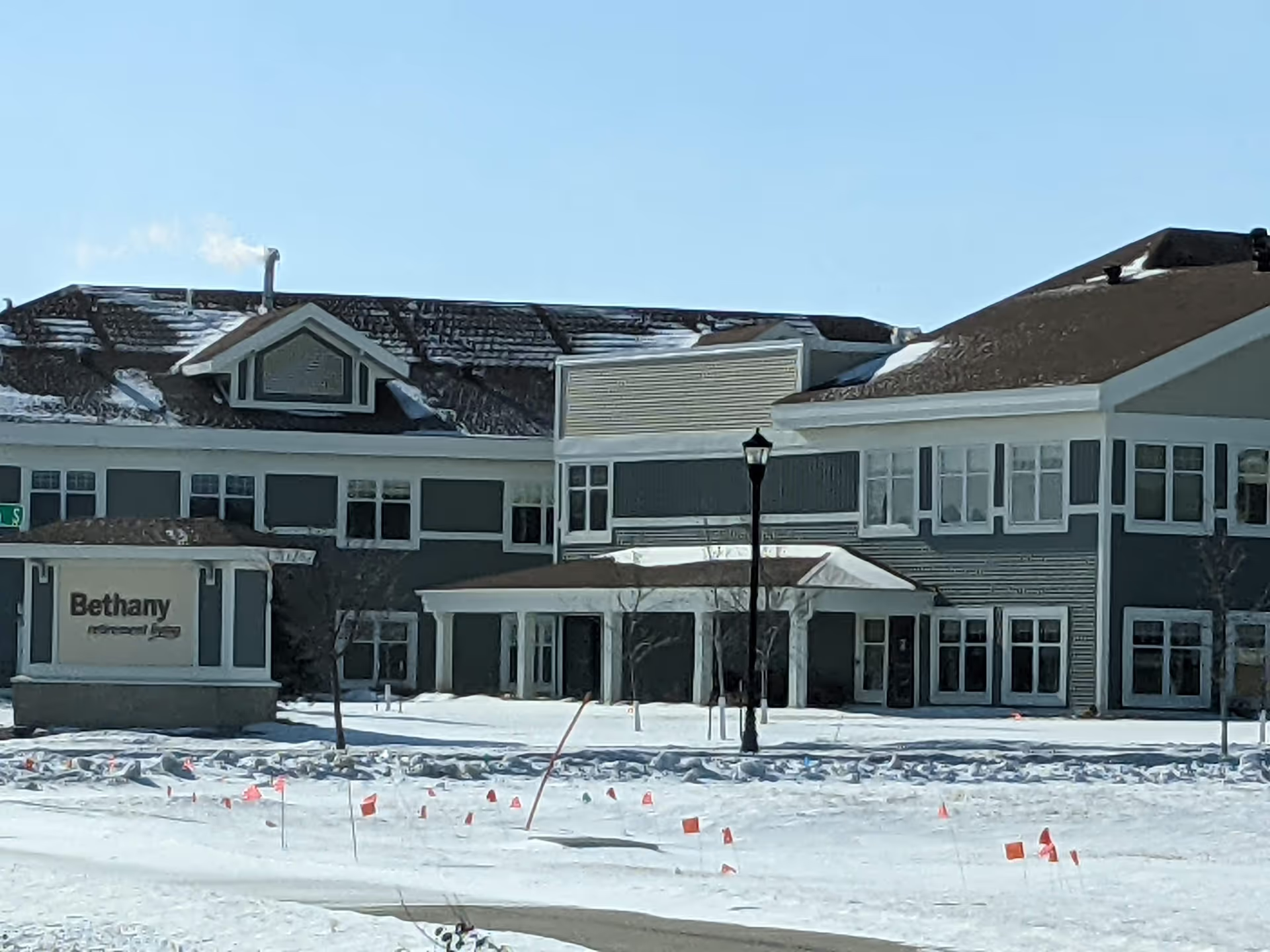
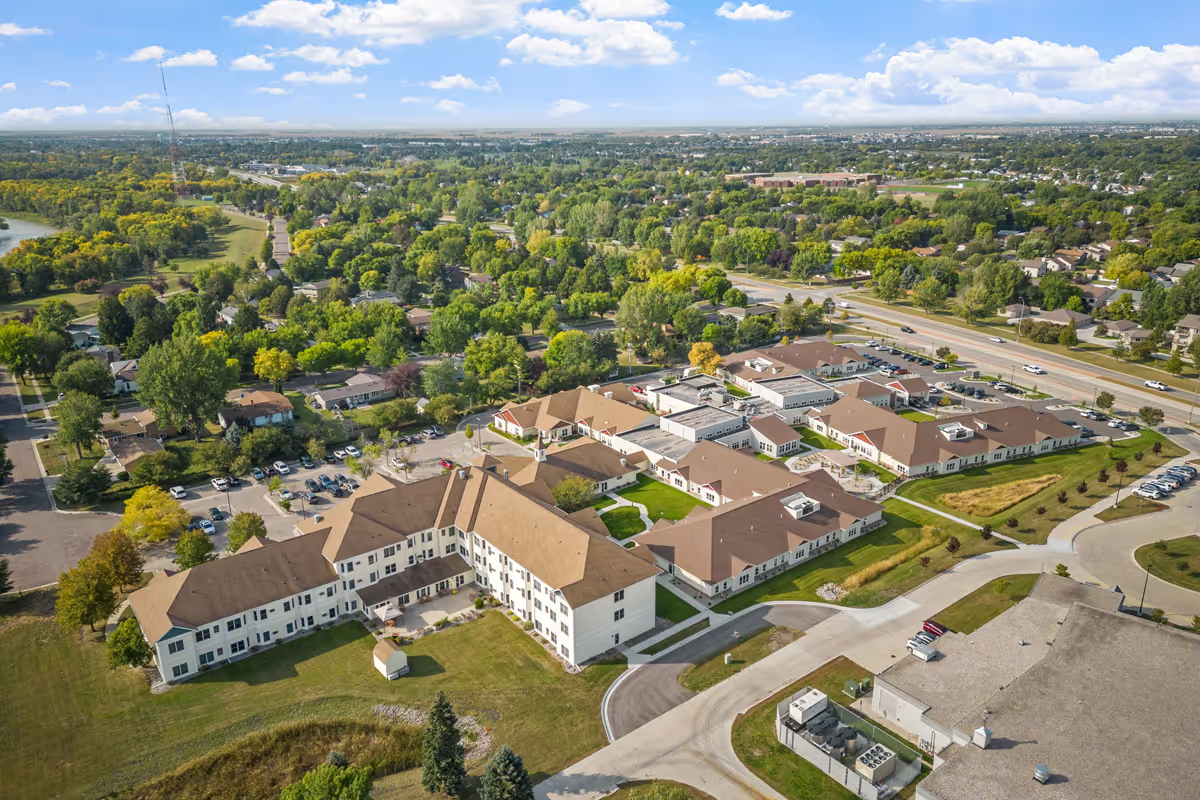
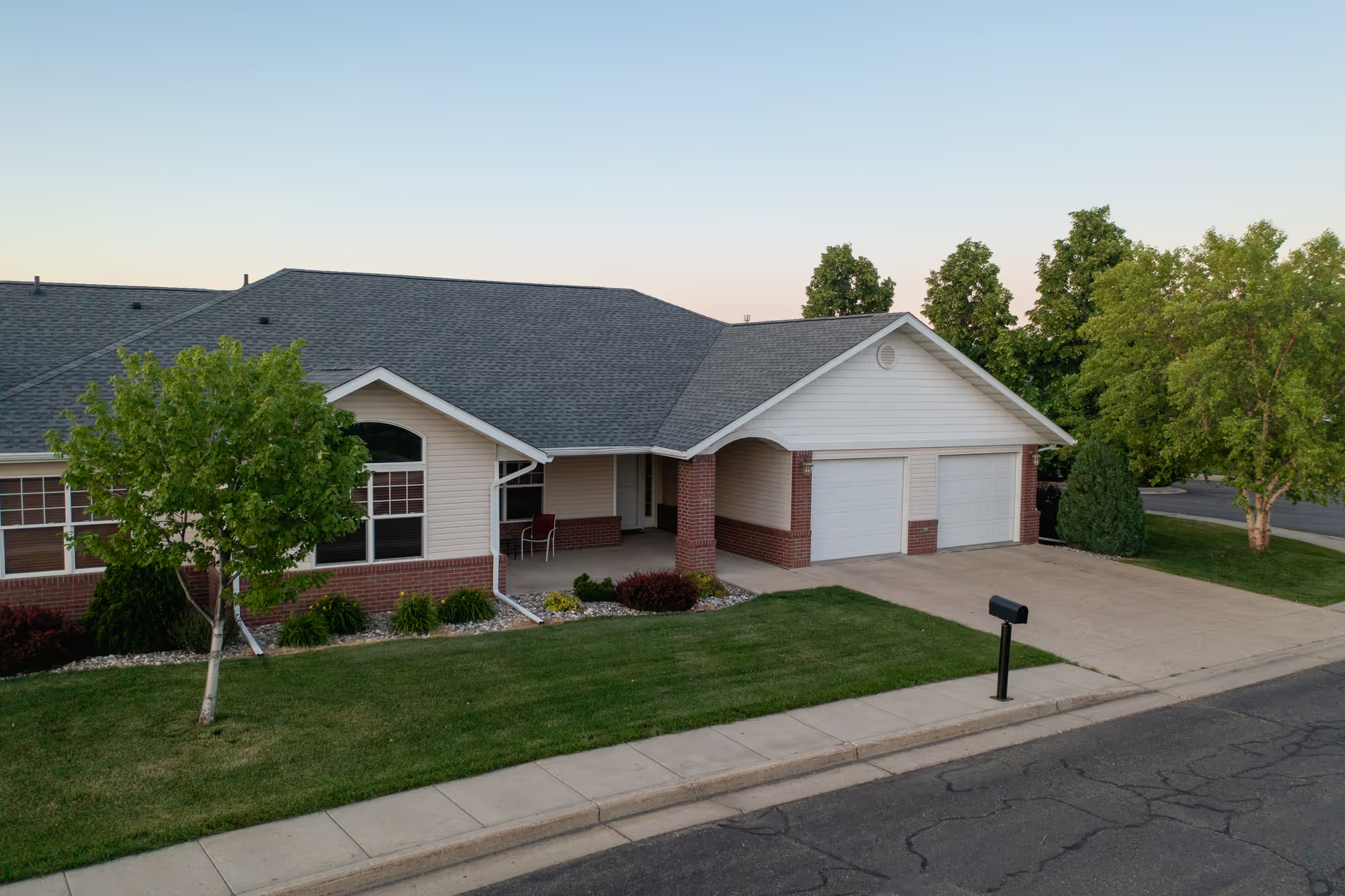
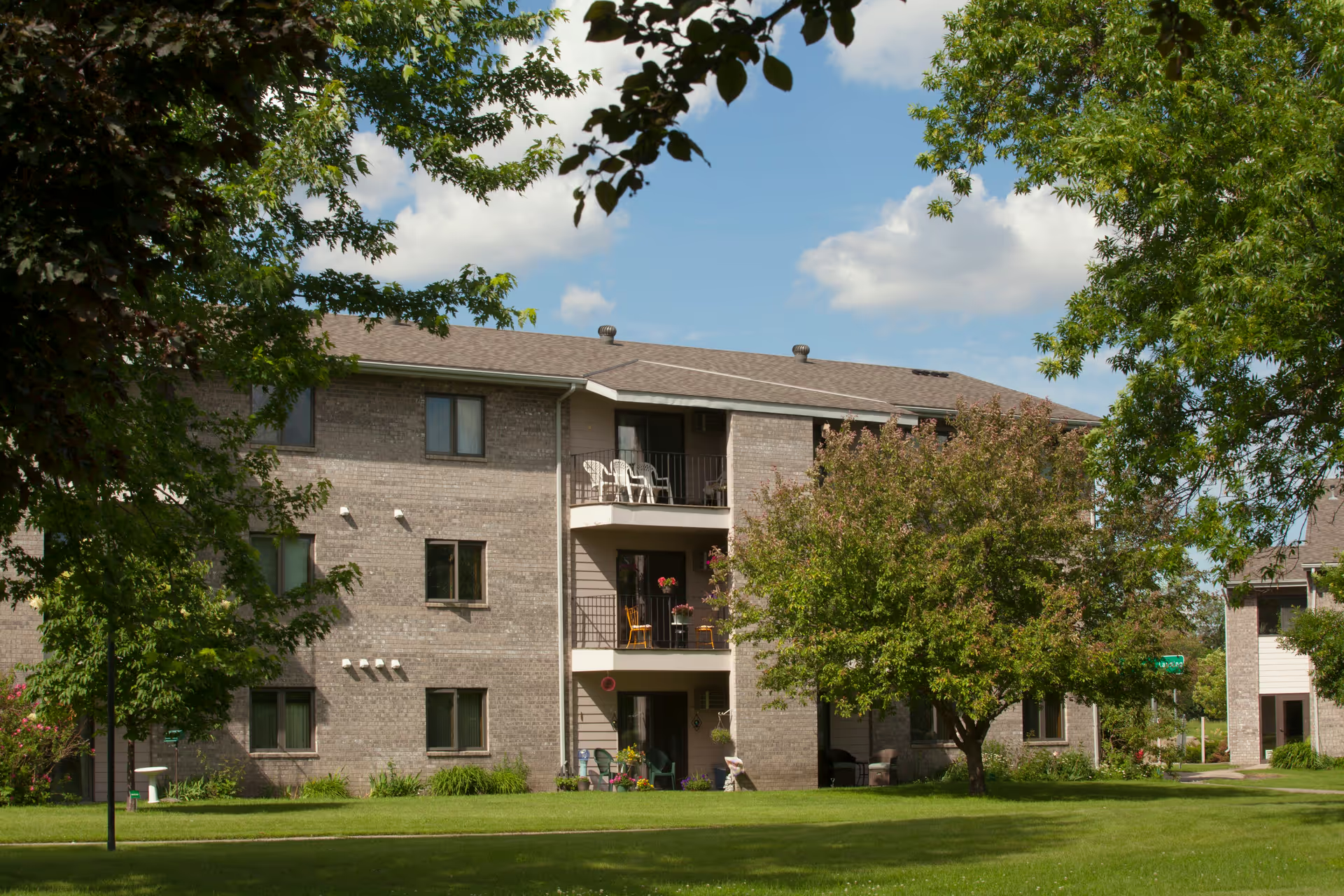
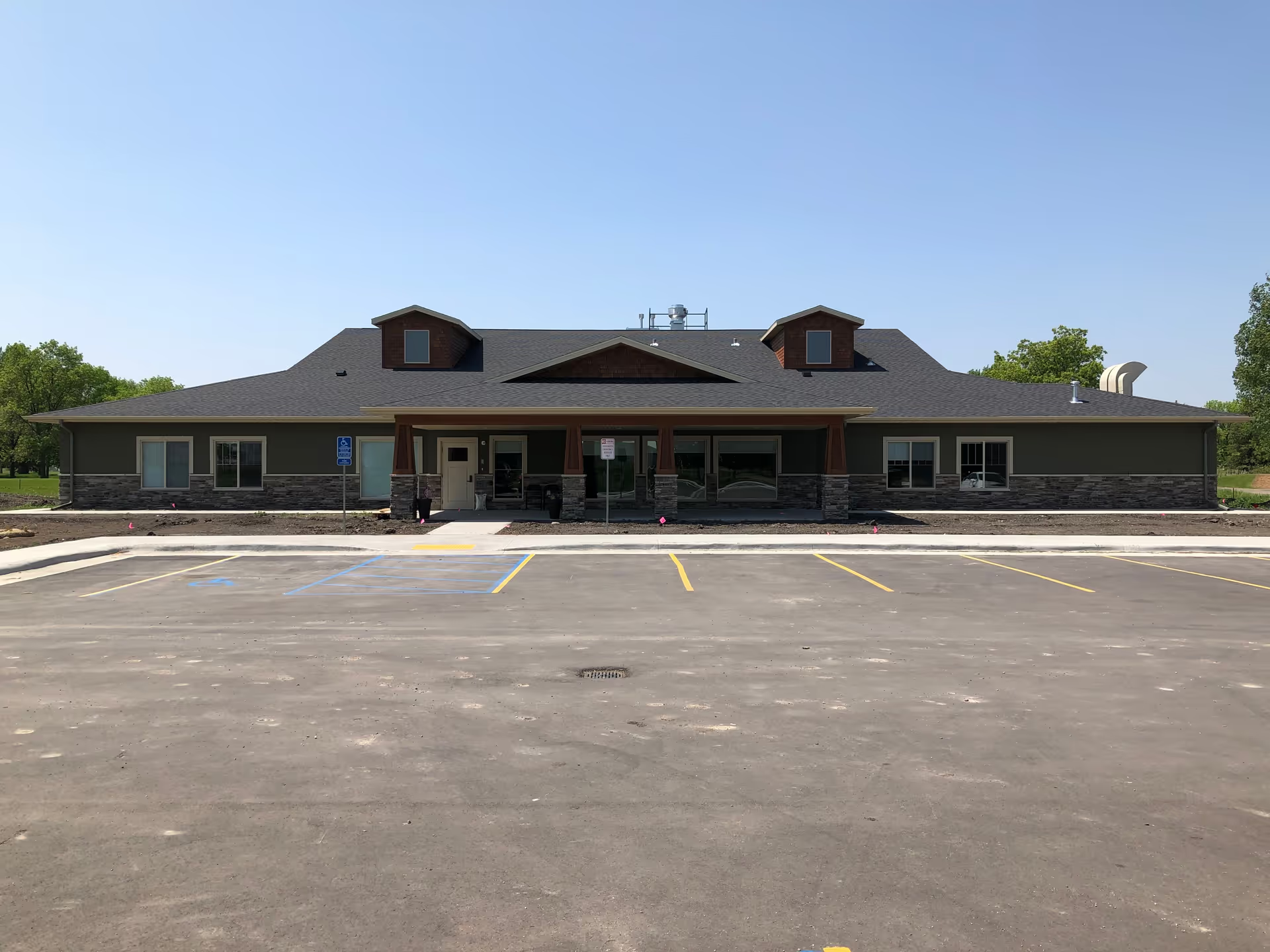
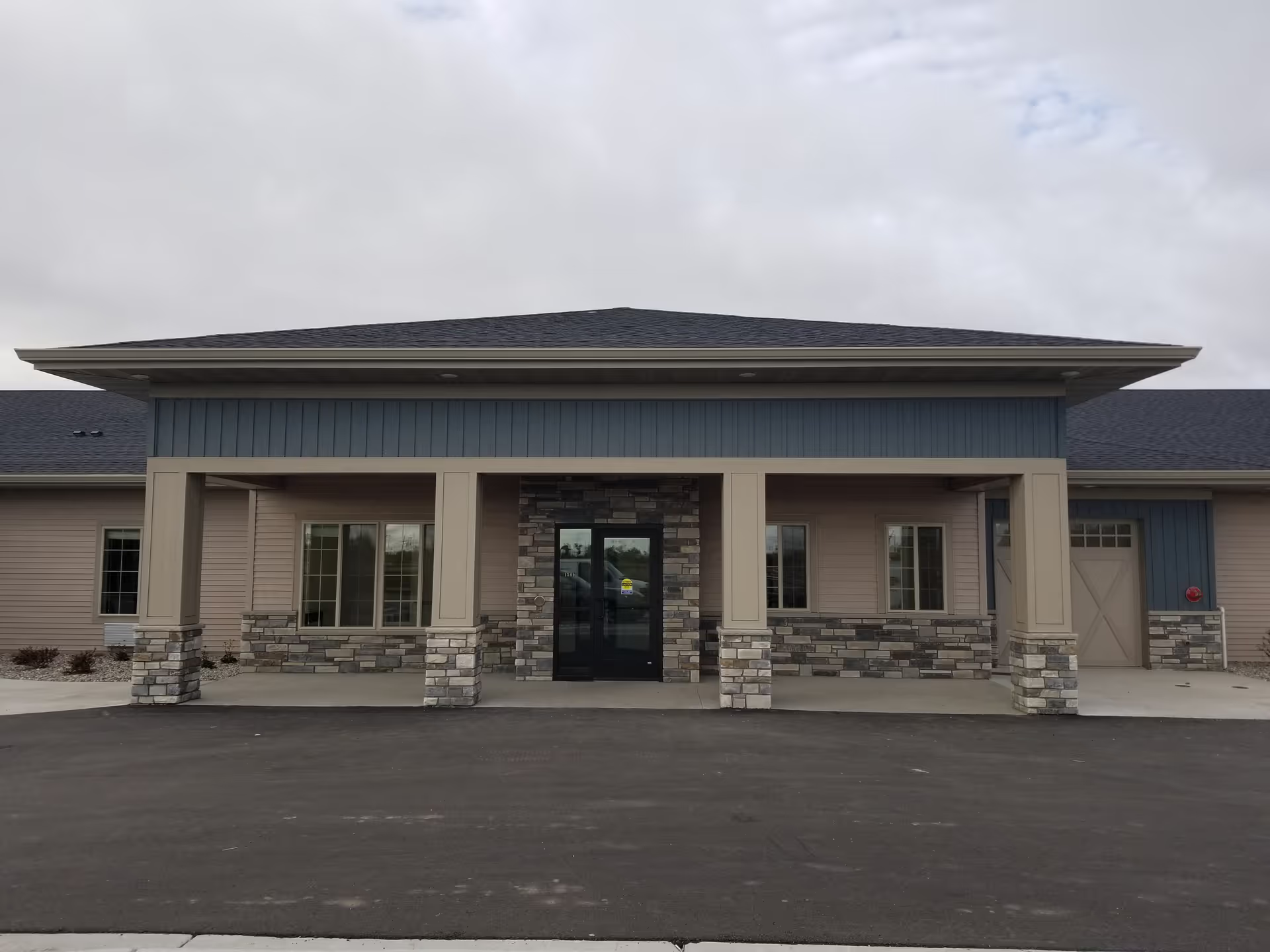
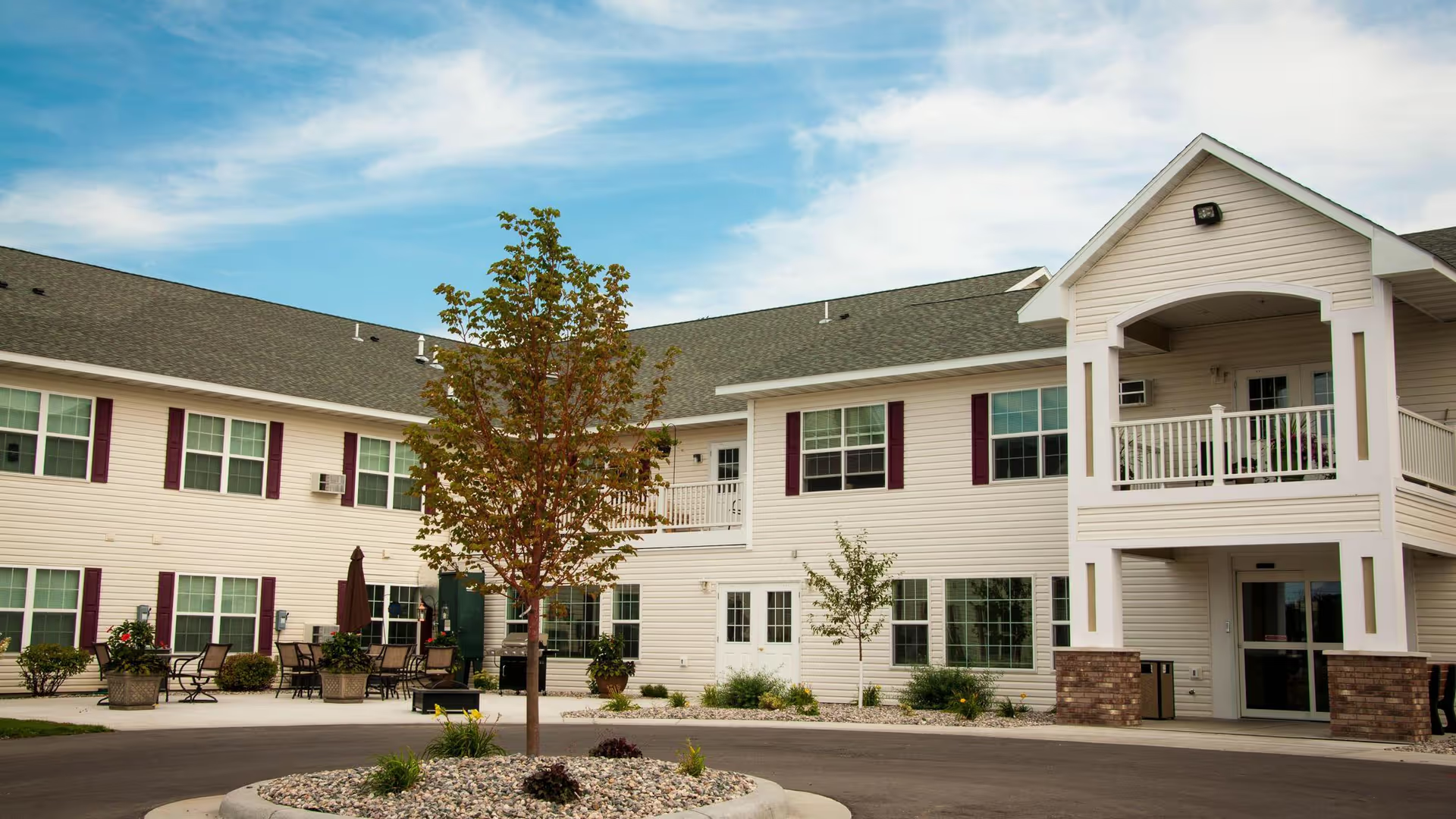
Edgewood Fargo presents a mixed but largely positive picture: many families described a warm, well-kept environment with staff who are familiar and compassionate toward residents. The building and units are often characterized as clean and hotel-like, with roomy apartments, private bathrooms, easy front parking, and an active calendar of programming. Dining quality and a variety of weekly activities receive consistent positive mention, contributing to an atmosphere families describe as homelike and engaging.
Care and staffing are a central theme in the feedback. Numerous accounts praise individual caregivers and nursing staff for respectful, attentive interactions and supportive transition assistance. At the same time, there are recurring concerns about variability in staffing and responsiveness—particularly during weekends and off shifts—and instances where staff appeared distracted by personal devices. These operational issues manifest most clearly in memory-care areas, where reviewers describe a lower consistency of attention and outcomes than in the assisted-living units. Families with residents who require higher-acuity or specialized dementia support should carefully evaluate staffing patterns and observe care during evenings and weekends.
Management and transitions have positive elements and some gaps. Reviewers noted helpful and engaged directors and supportive move-in coordination on several occasions, including community gestures that indicate family involvement. However, there are also reports of move-in timing and coordination problems (for example, late arrivals and delays), suggesting that logistical planning and communication can be uneven. Prospective residents would benefit from asking specific questions about move-in protocols, weekend staffing, and contingency plans for late arrivals.
Overall, Edgewood Fargo appears well suited for residents seeking a clean, active assisted-living environment with convivial staff relationships and good amenities. The primary patterns to investigate further are the consistency of memory-care services, weekend and off-shift staffing levels, and the facility’s capacity to support higher-acuity needs. Families should arrange tours that include off-hour observations and direct conversations with management about staffing ratios, memory-care staffing models, and transition logistics before making placement decisions.