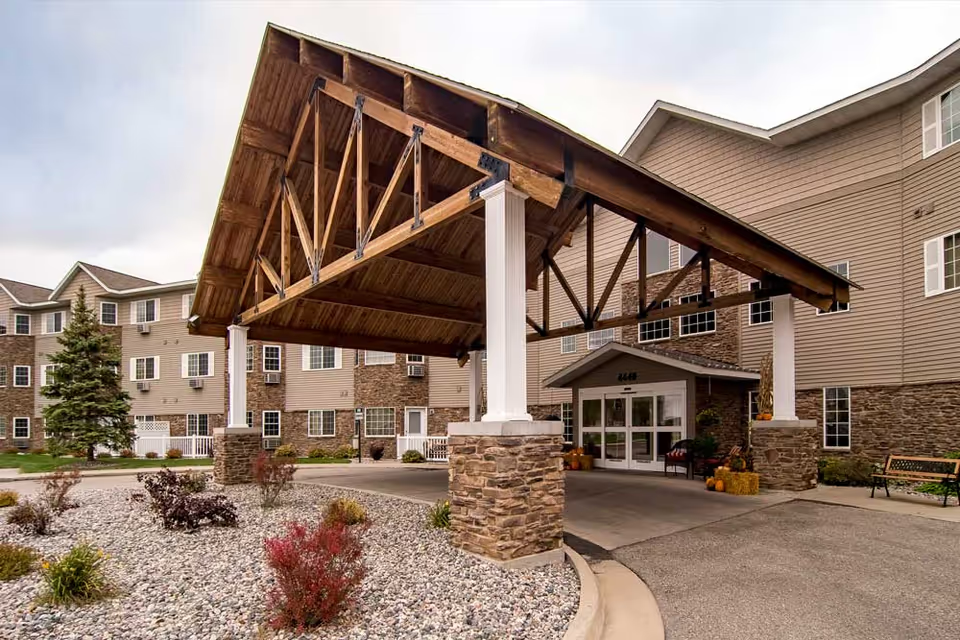
Benedictine Living Community–LaMoure elicits a mixed but clear pattern: many reviewers emphasize a warm, family-style culture with friendly and caring staff, a welcoming administration, and a well-kept facility, while others describe operational and clinical gaps that affect resident safety and clinical outcomes. The social environment and resident engagement are repeatedly cited as strengths; several comments describe an improved living experience for residents and a positive workplace climate for some employees.
Care quality shows both strengths and concerns. Reviewers praise compassionate direct-care interactions and a supportive community that can enhance day-to-day quality of life. At the same time, there are indications of inconsistent clinical practices: lapses in supervision that suggest weaknesses in fall-prevention and resident-monitoring processes, inconsistencies in pain-management protocols, and insufficient oversight of residents' nutrition and weight. These clinical gaps may contribute to adverse outcomes and warrant targeted review of care plans, medication and pain protocols, and nutritional monitoring systems.
Staffing and supervision are a central theme. Positive notes about long-tenured employees and caring staff coexist with reports of high turnover, which can undermine continuity of care. Reviewers point to training and supervision gaps; one serious personnel concern surfaced as an allegation of improper therapist conduct. Management’s approach to accountability and incident follow-up is described as uneven, with calls for clearer transparency and stronger incident-response procedures.
Dining and activities show mixed signals. Appetite and weight-loss concerns indicate the need for closer nutritional assessment and individualized dining interventions for some residents. Conversely, the community atmosphere, engaged residents, and social supports are frequently mentioned as enhancing daily life and contributing to a visitor-friendly environment.
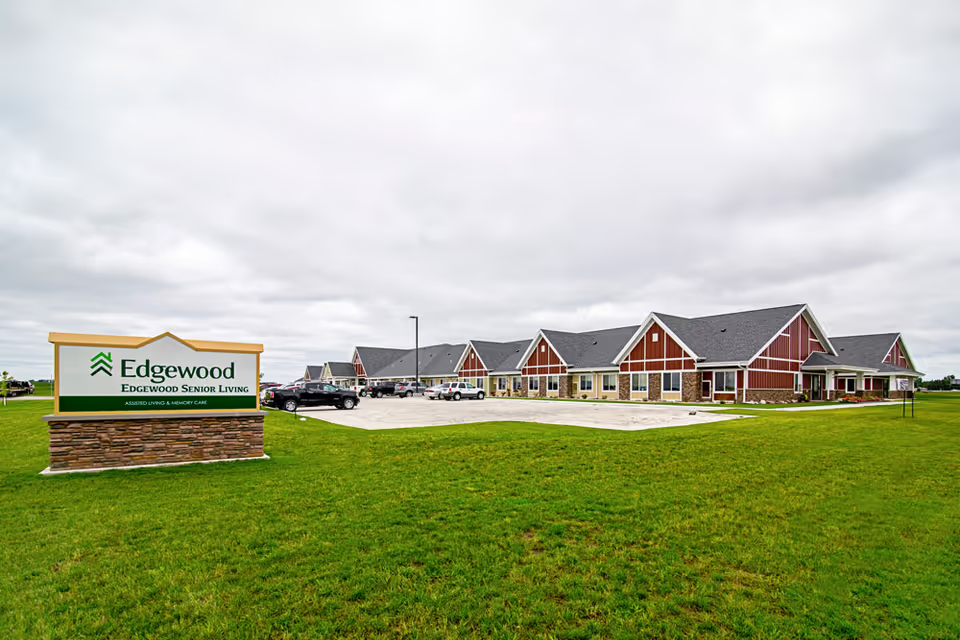
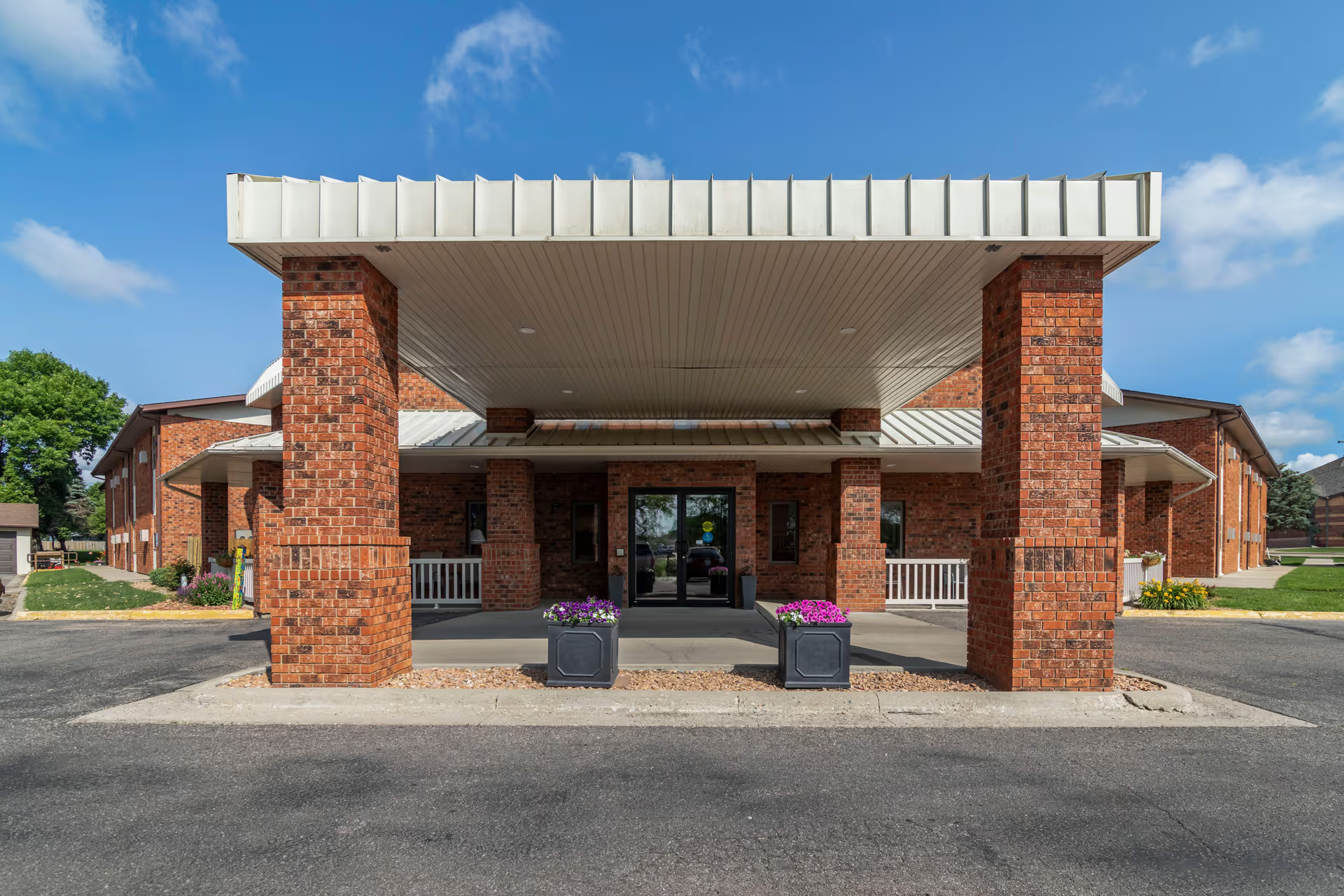
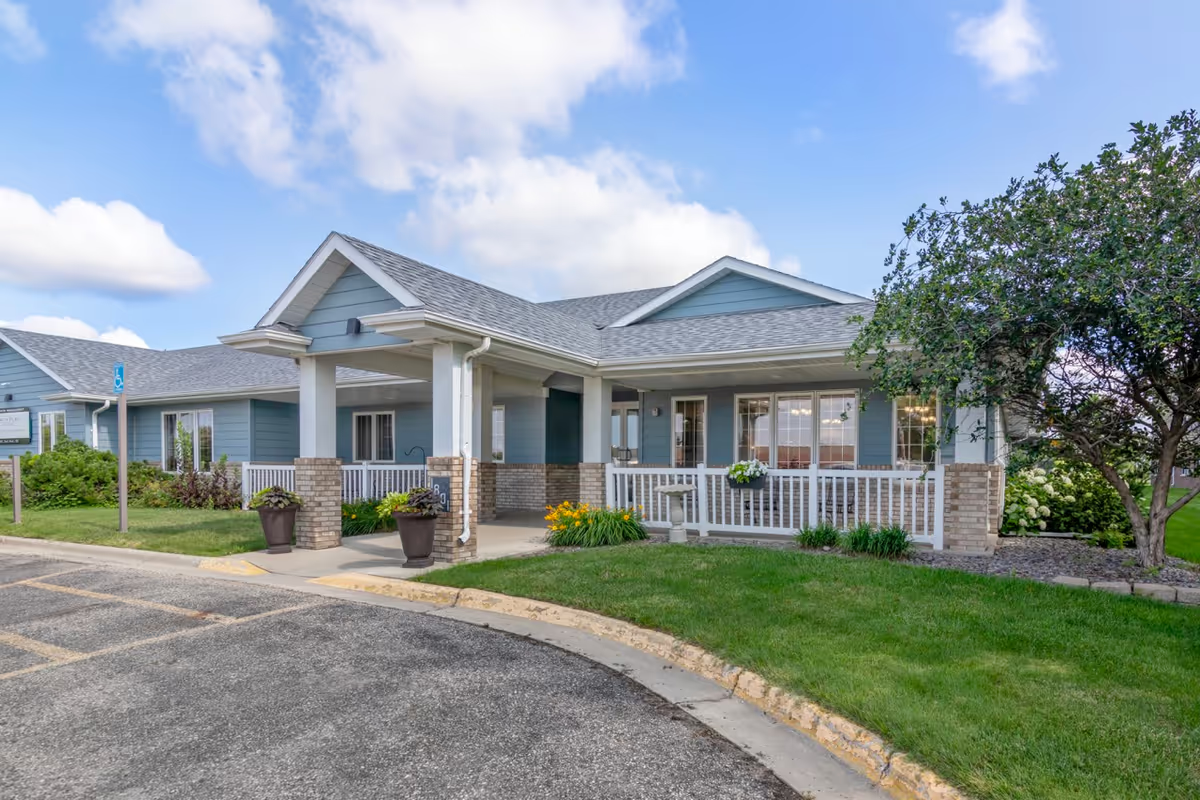
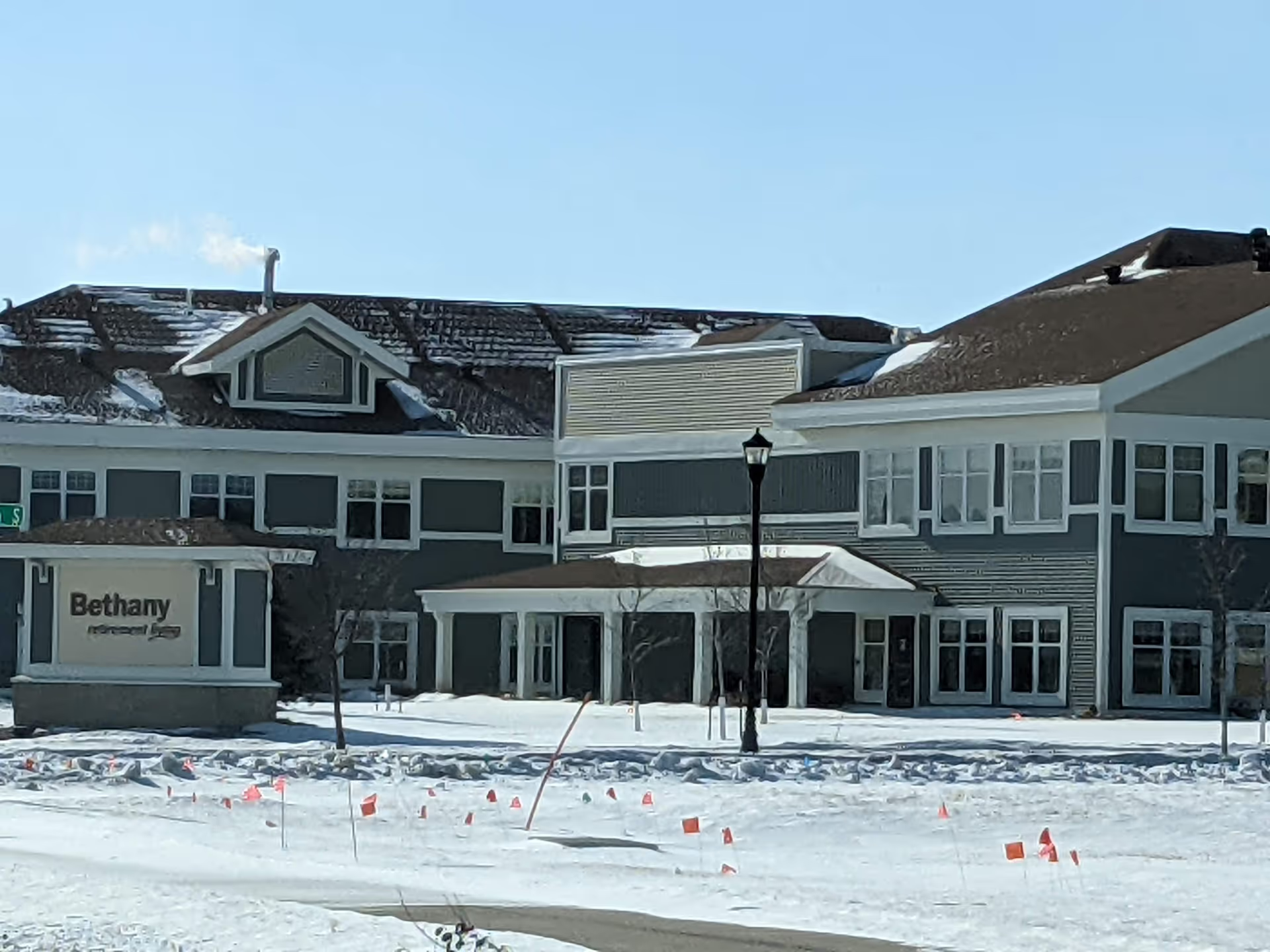
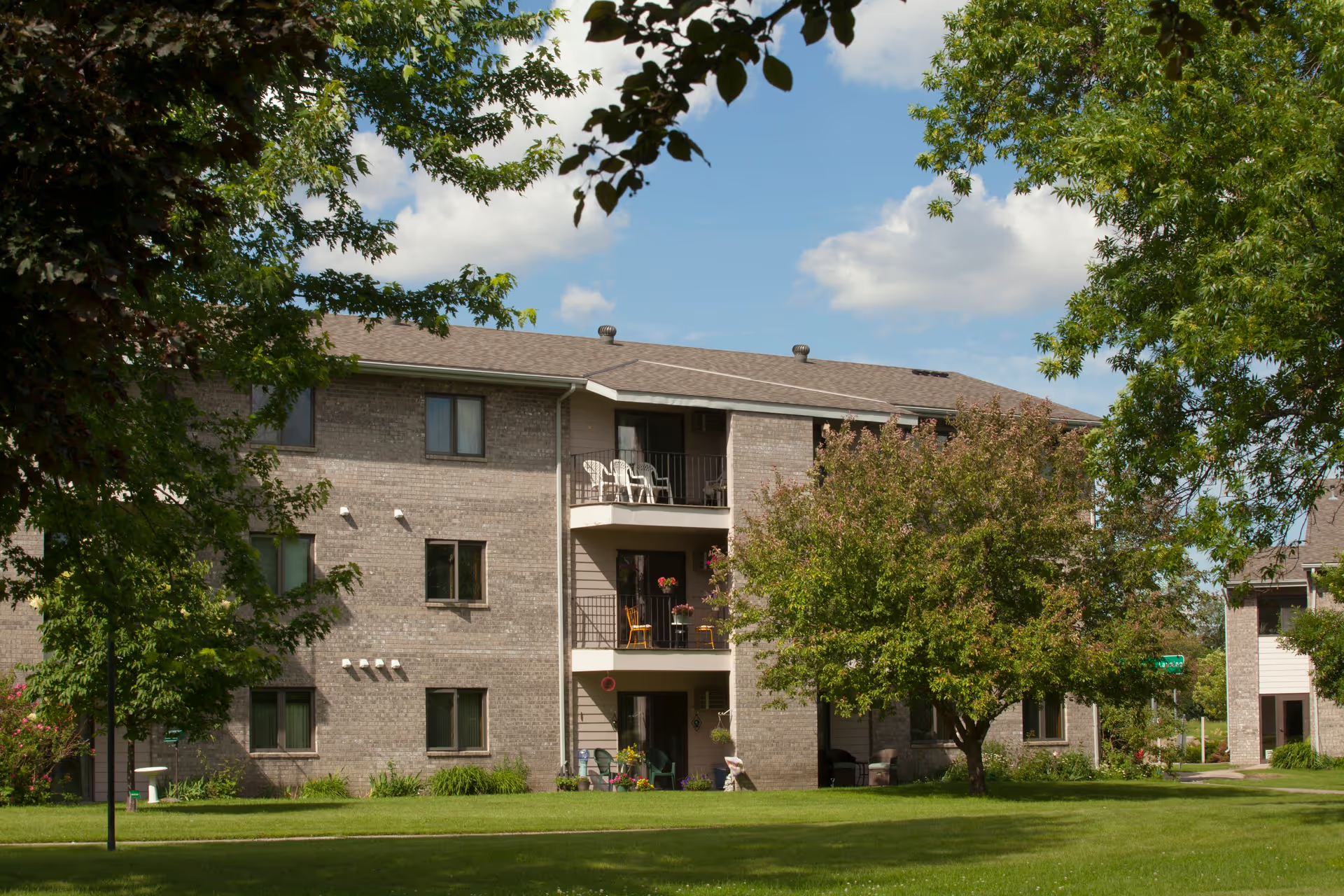
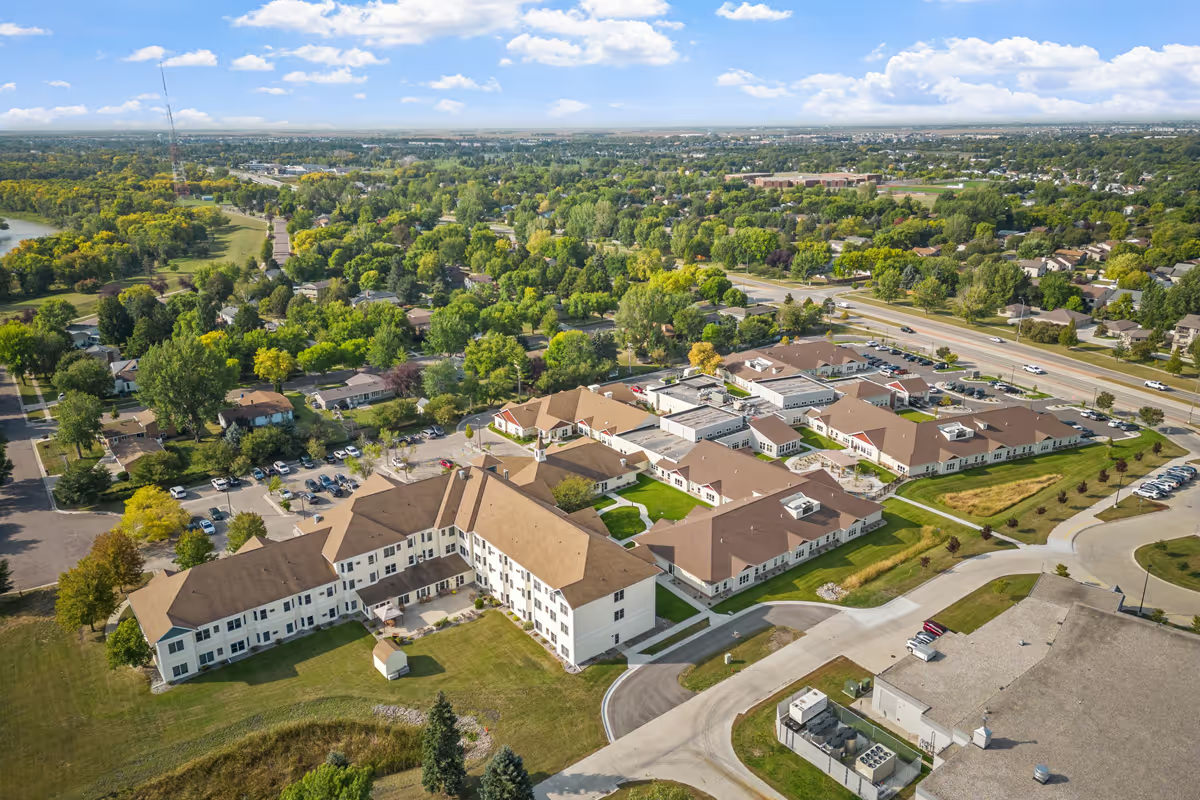
Facilities and management present a similar contrast: the physical environment is described as pleasant and well maintained, and administrative staff are generally viewed as welcoming and approachable. However, families and observers expressed frustration with limited communication and perceived gaps in accountability when clinical or behavioral concerns arise.
Overall, prospective residents and families should weigh the facility’s strong communal and interpersonal qualities against reported operational weaknesses. Recommended topics for inquiry on tours and admissions discussions include staffing levels and turnover, fall-prevention and supervision protocols, pain-management and medication oversight, nutrition and weight-monitoring procedures, staff training and clinical supervision processes, and the facility’s incident-reporting and follow-up practices. These steps can help clarify whether the community’s positive atmosphere is matched by consistent clinical and operational safeguards.