Good Samaritan Society – Sunset Drive elicits strongly mixed impressions: reviewers describe both well-regarded clinical and activity services and significant operational weaknesses. Strengths most often mentioned include a caring, personable direct-care staff, accessible therapy and telehealth options, an active activities program, and generally attractive common areas. Several families praised specific departments — notably therapy and activities — and highlighted convenient services such as regular haircuts and a social atmosphere that many residents enjoy.
Care and staff: Many accounts emphasize compassionate, respectful interactions from front-line caregivers and therapists, with some families describing individualized attention and strong rehabilitation services. At the same time, a recurring operational theme is staffing instability: high turnover and inconsistent shift coverage were linked to delays in attending to call lights and other resident requests. Reviewers raised concerns about staff reliability and the tone of some interactions with family members, and some cited a need for stronger supervisory follow-through on clinical training and accountability.
Dining and activities: The facility’s activities program is a clear asset for many residents — frequent social events, games, and a visible activities director were noted as positive contributors to resident well-being. Dining received mixed comments: several reviewers found meals appealing and well presented, while others described processed food items and occasional food-handling errors. Prospective families should ask about menu planning, special-diet accommodations, and meal-service oversight.
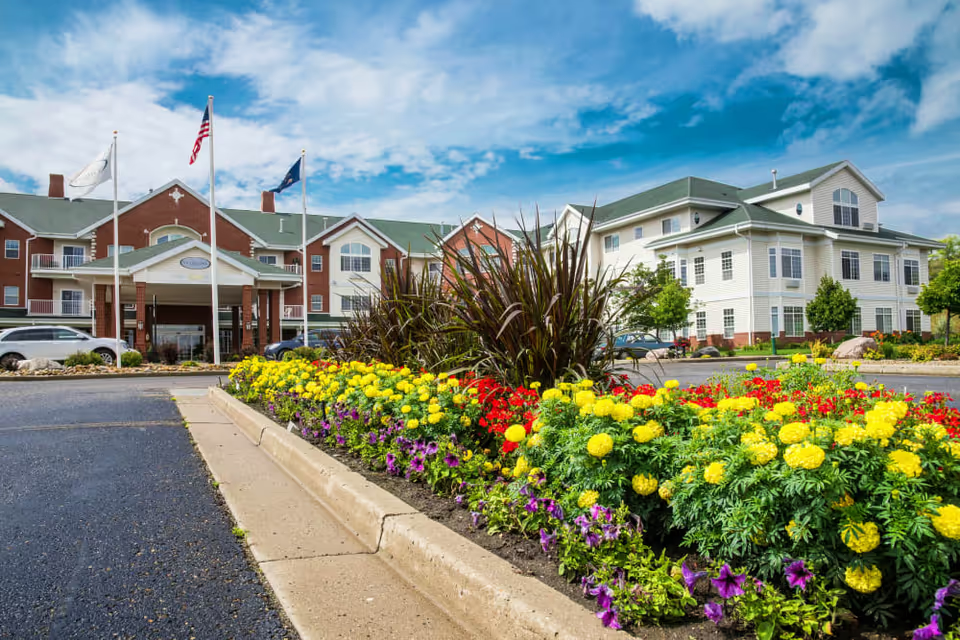
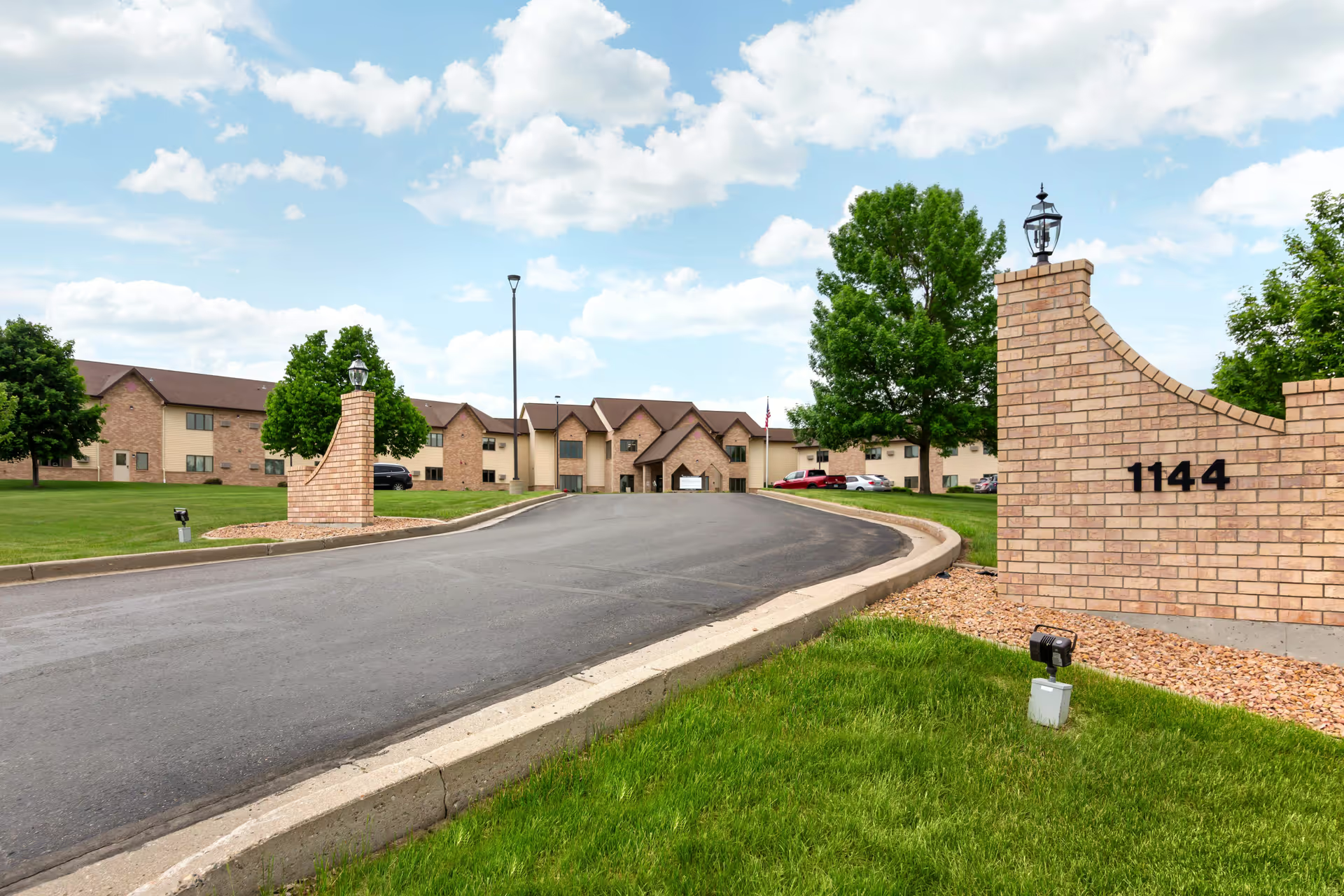
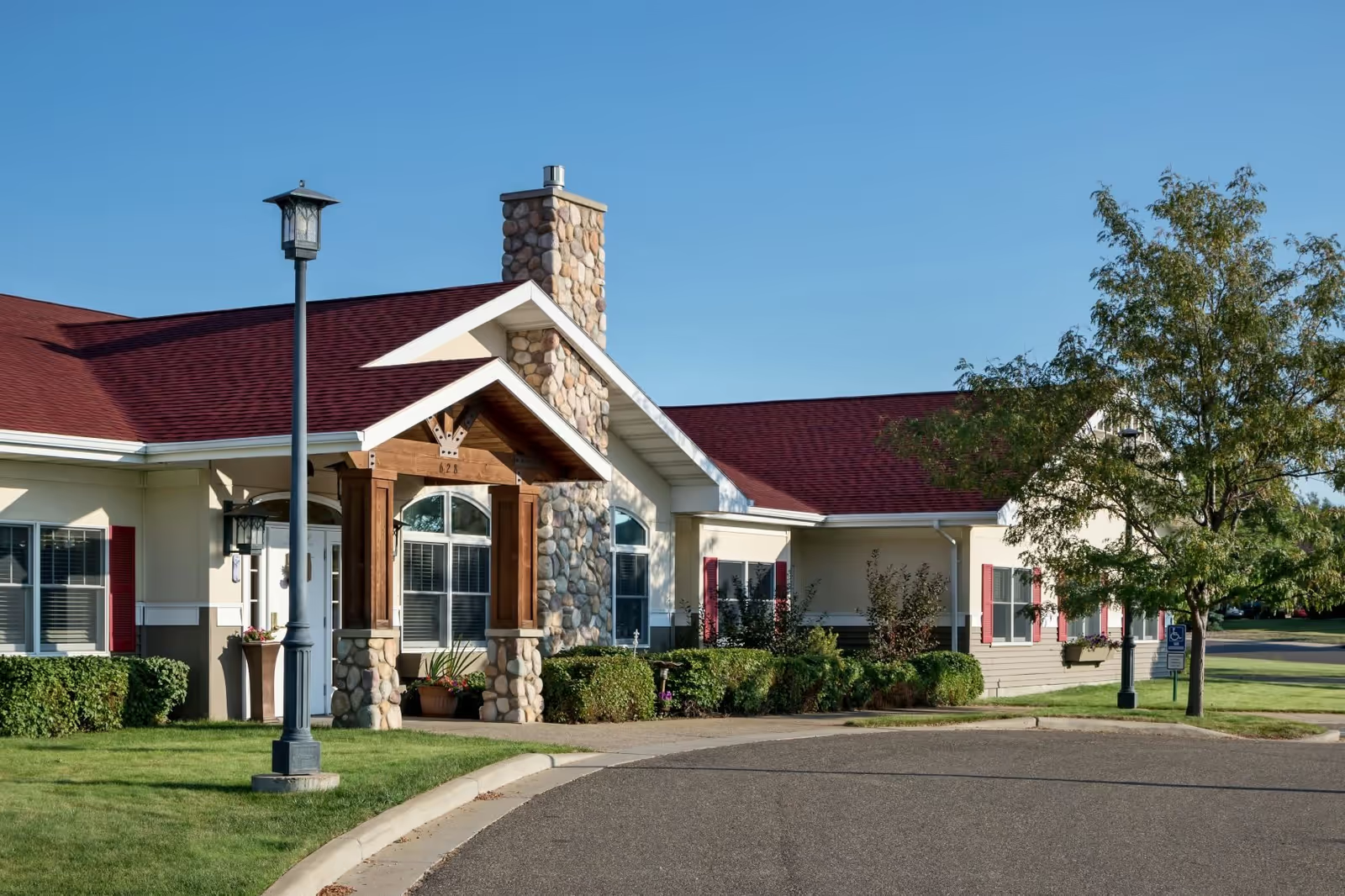
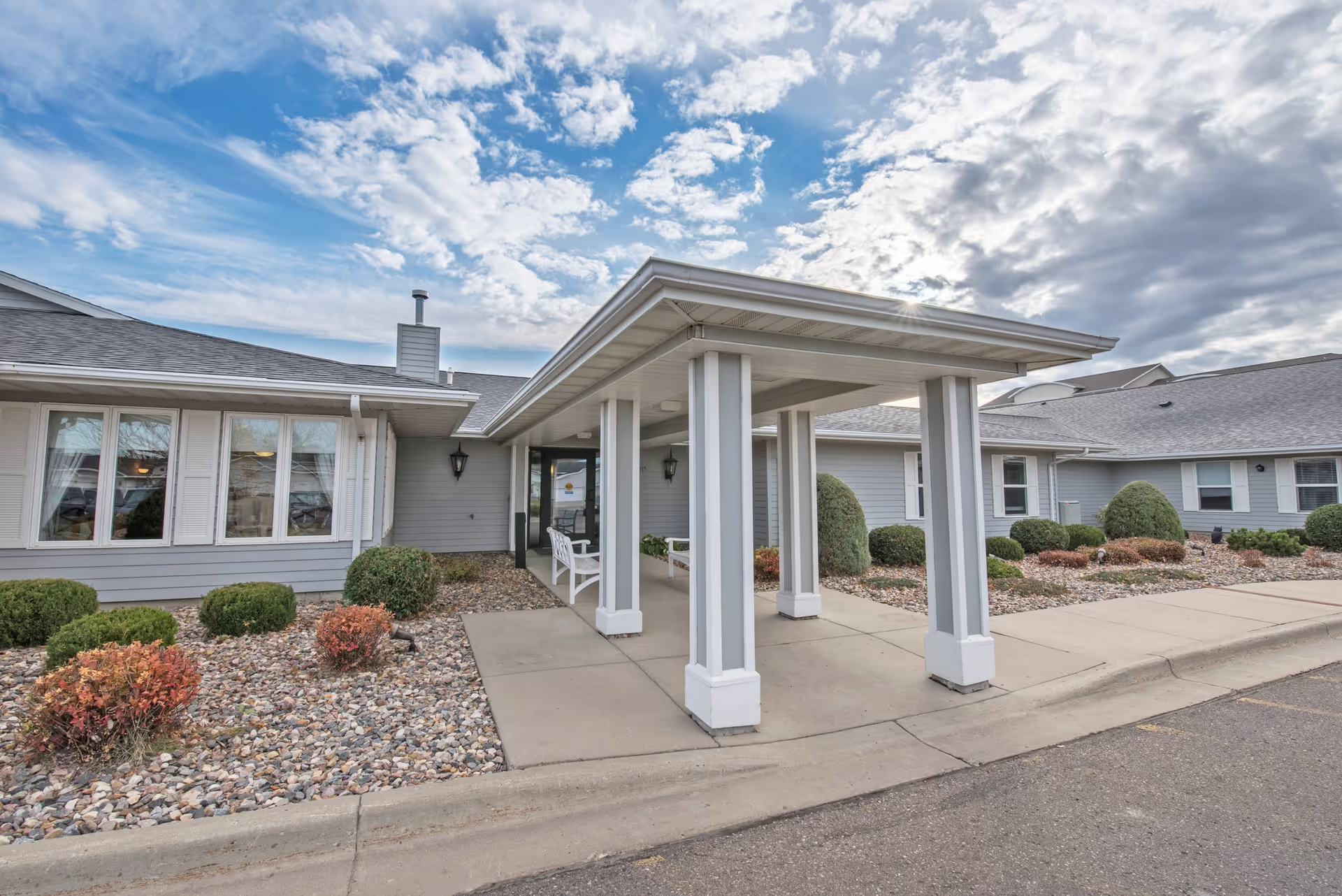
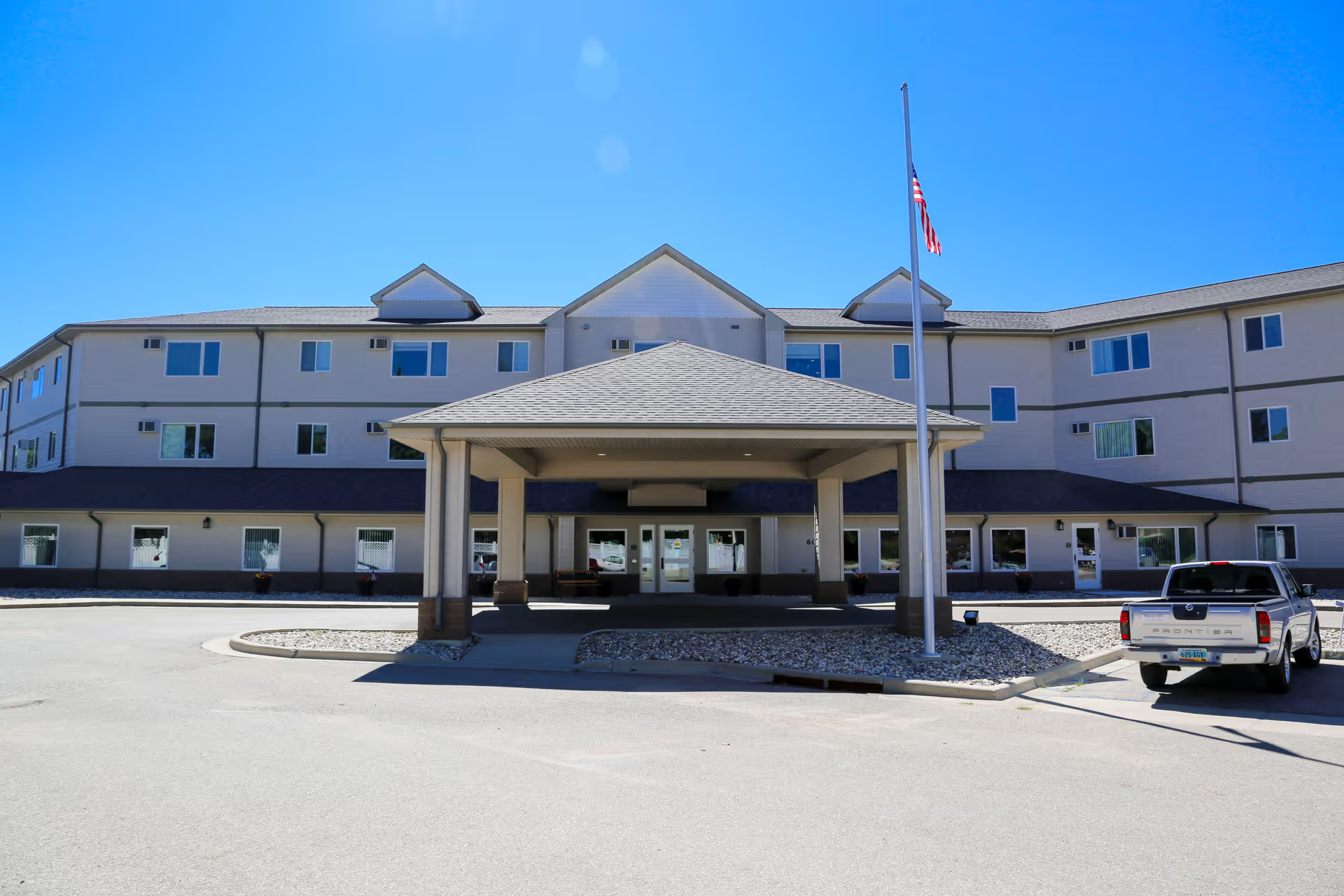
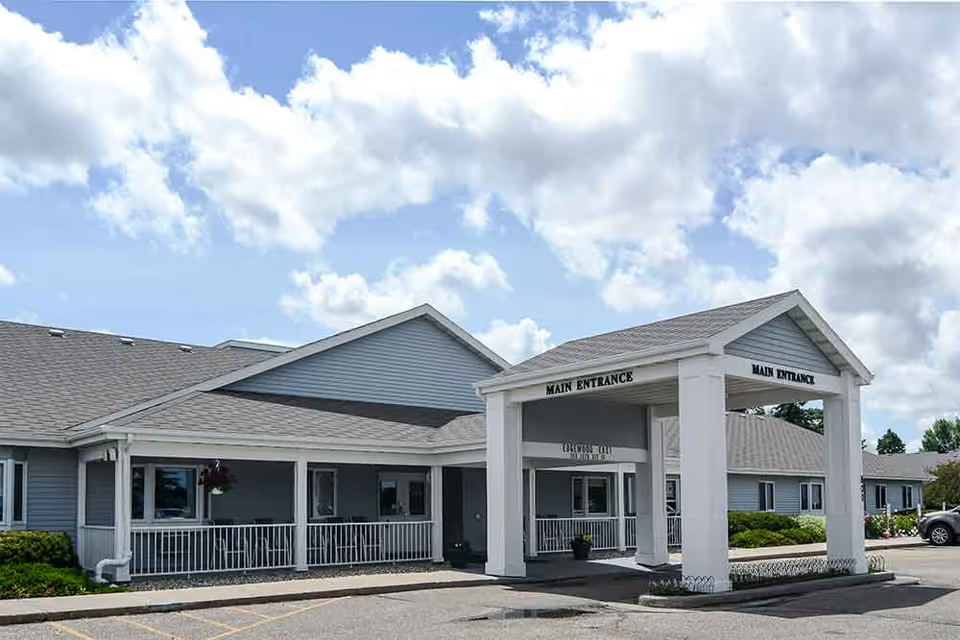
Facilities and housekeeping: The building and common spaces are frequently described as attractive and well maintained; many reviewers called the environment clean and welcoming. However, there are also reports of inconsistent housekeeping outcomes in specific areas (for example, common-area floors and some resident bathrooms) and concerns about room size and temperature control. In short, facility aesthetics are generally good but cleaning consistency appears variable.
Management and communication: Praise for certain staff leaders — particularly in activities and therapy — contrasts with critiques of administrative responsiveness. Reported issues include perceived avoidance by administration, gaps in family communication (including around serious clinical events), and uneven follow-through from social-work or case-management staff. Admissions and billing were also areas of contention for some families who experienced inflexibility or disagreement during the intake process. Finally, a number of reviewers expressed skepticism about the credibility of some online ratings, which may warrant independent verification.
Notable patterns and recommendations: The juxtaposition of strong therapy/activities and concerns about staffing, responsiveness, and communication suggests operational variability that can affect resident experience. Prospective residents and families should request current staffing ratios, turnover metrics, recent inspection reports, fall-prevention protocols, examples of incident-report follow-up, cleaning schedules, therapy frequency, and the facility’s approach to end-of-life communication. Touring during a mealtime and an activities period can help assess dining quality and social engagement firsthand. These targeted inquiries will help clarify whether the facility’s strengths align with an individual resident’s needs and risk profile.