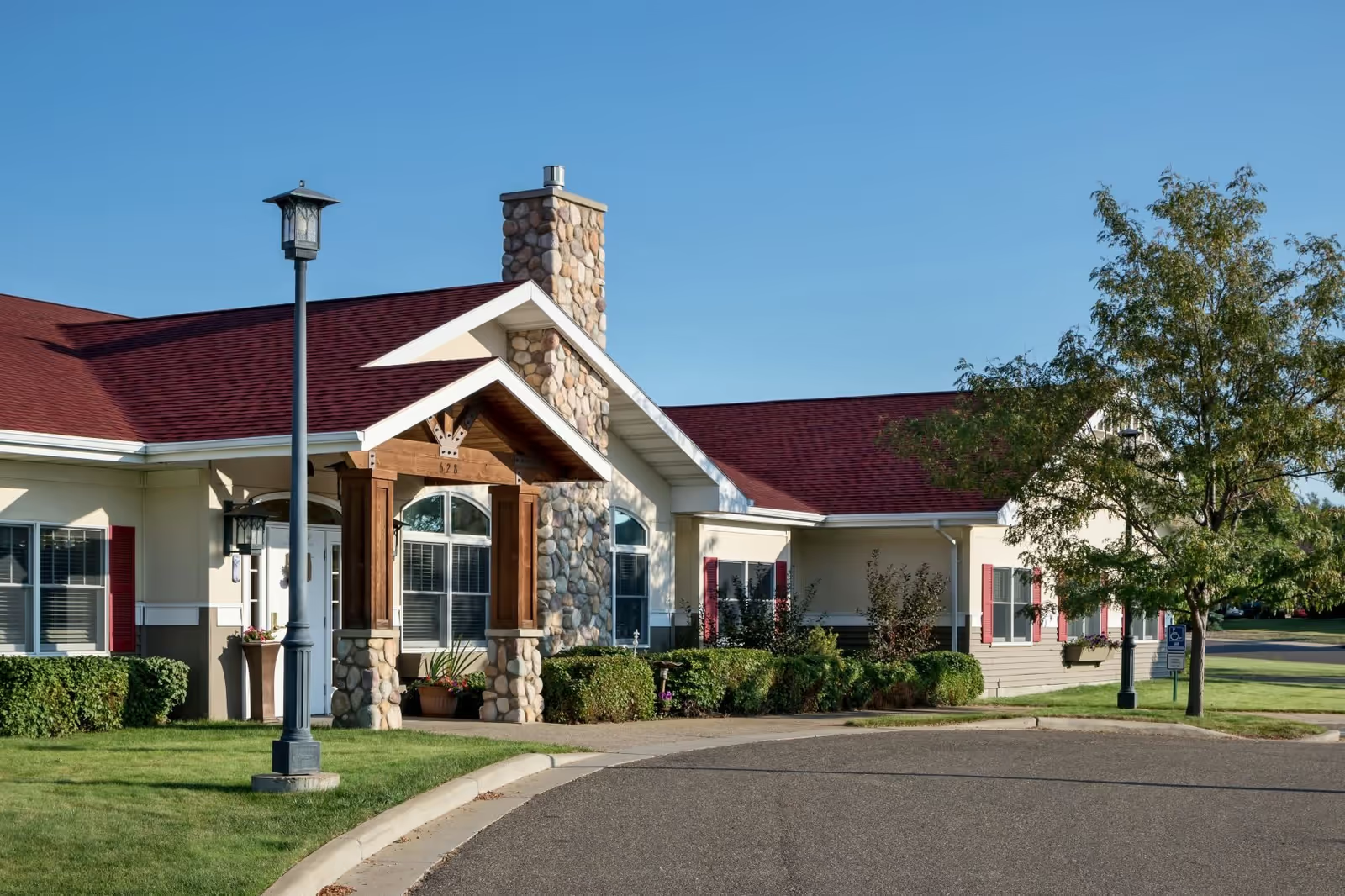
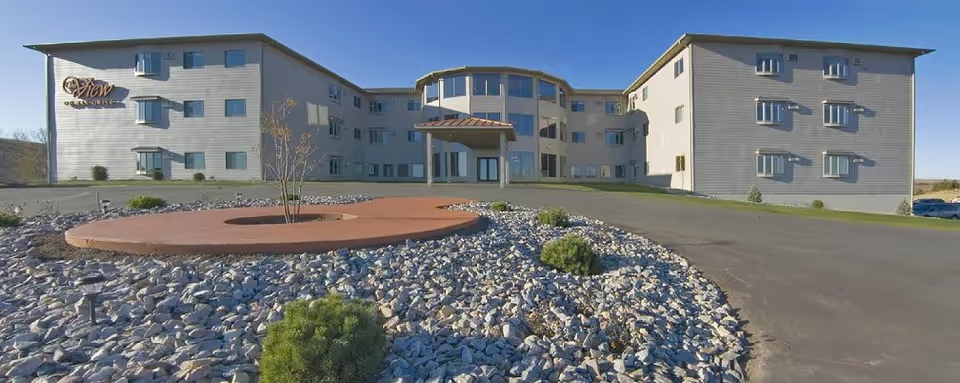
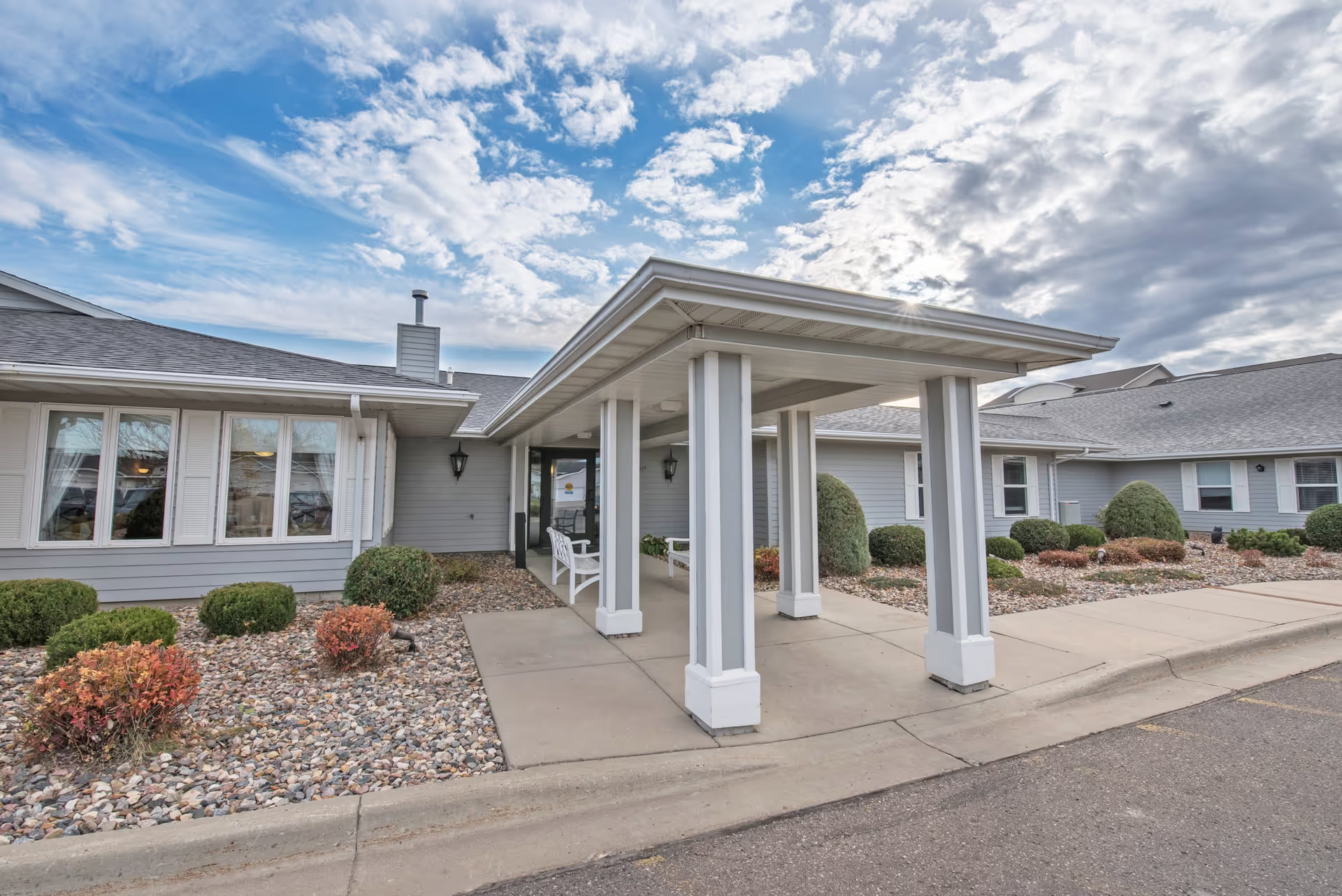
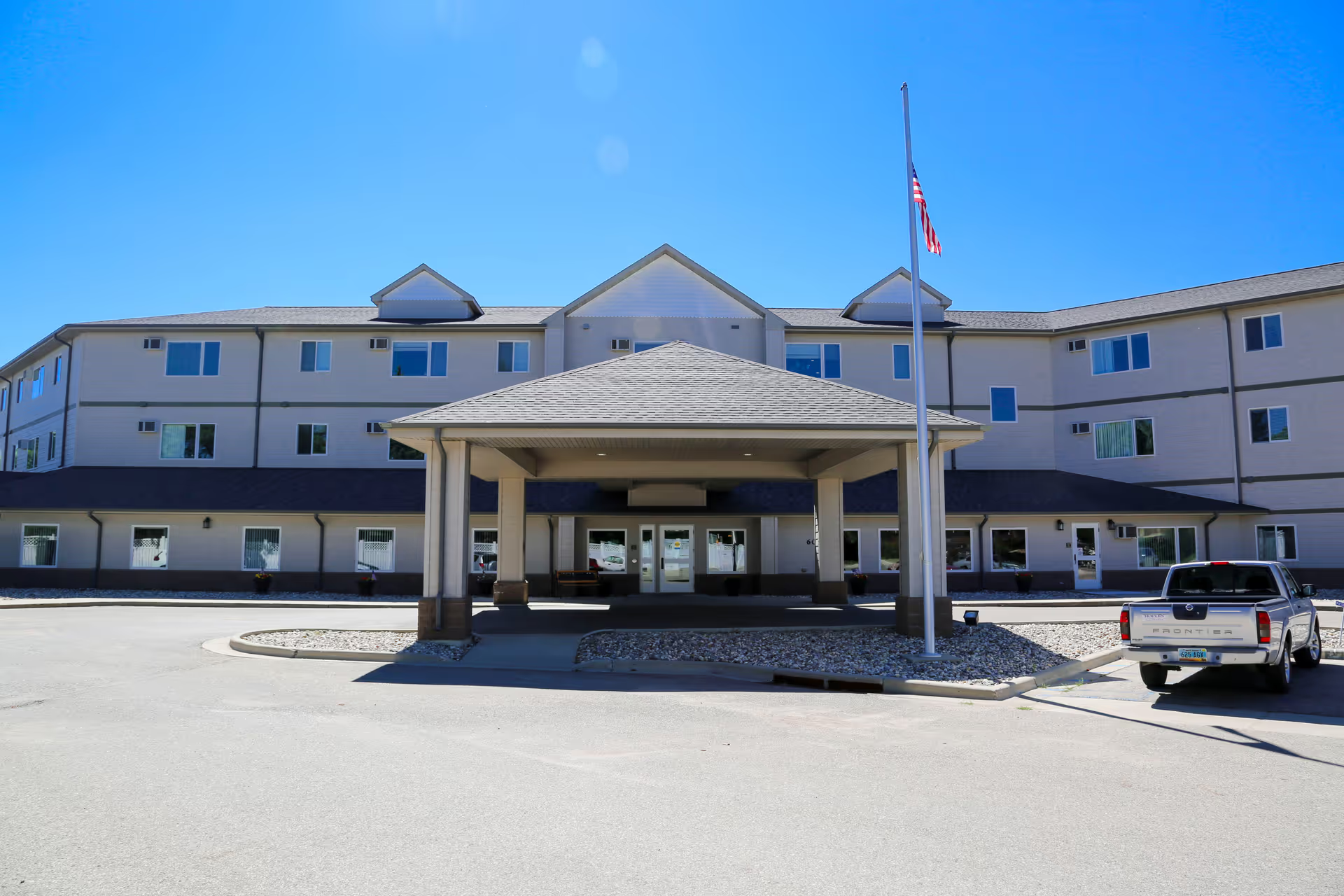
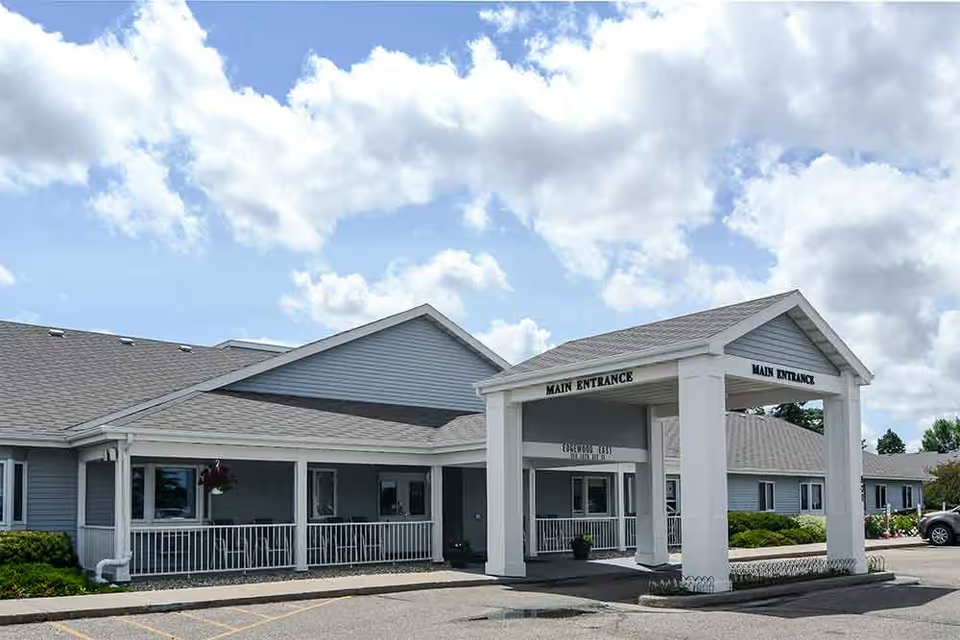
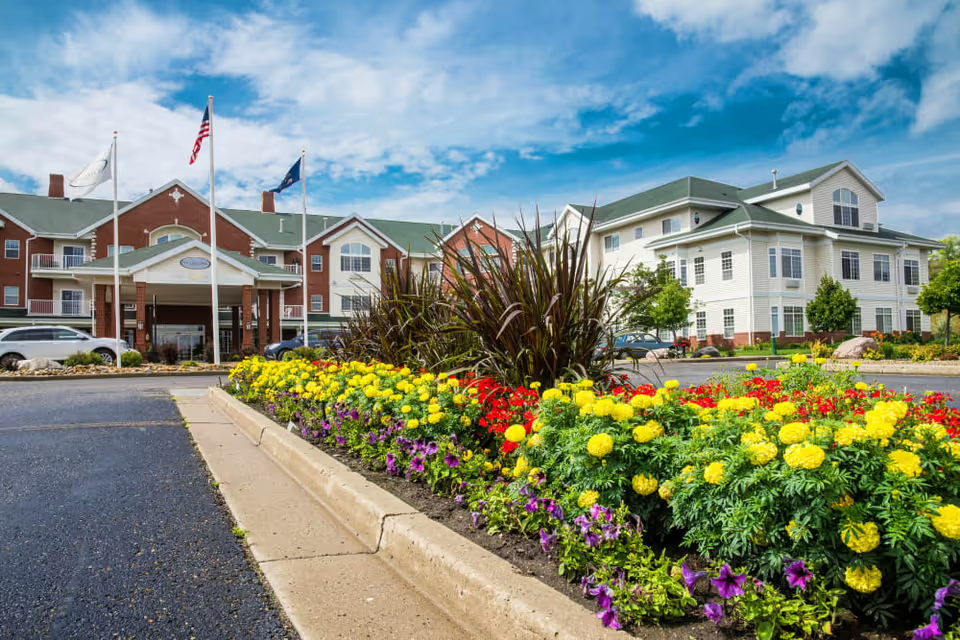
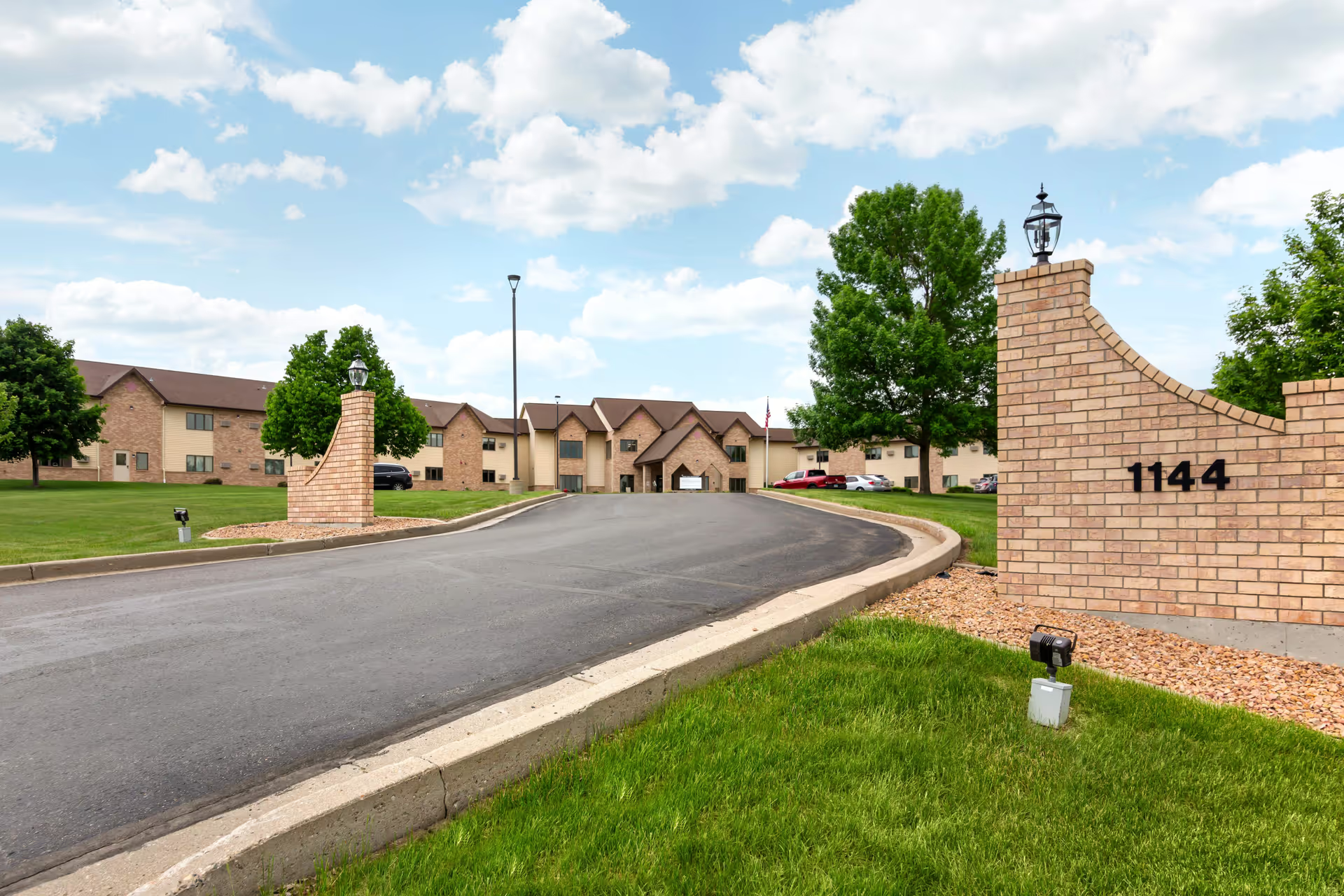
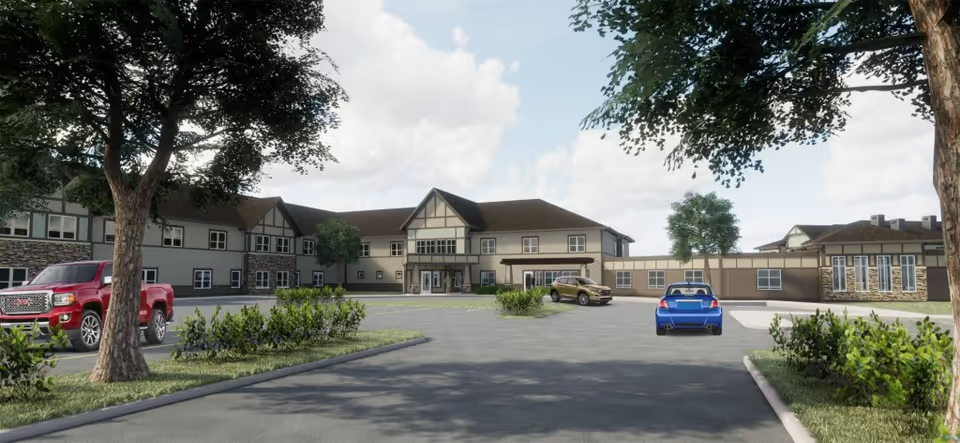
Care quality and facilities: Reviews indicate that the facility presents as clean and well maintained, and that residents generally receive attentive care. Visitors tended to form a positive first impression of the interior and housekeeping. The campus offers on-site outdoor space adequate for safe resident activities and is located in a central, convenient area.
Staff and management: Two contrasting themes appear in the feedback. On one hand, direct-care workers are described as friendly and efficient, and staffing levels for resident care are perceived as sufficient. On the other hand, multiple accounts describe significant workplace-culture problems: favoritism and staff cliques, ongoing interpersonal conflict, and management approaches characterized as unprofessional or punitive. These management issues are associated with staff morale problems and episodes of resignations or dismissals, and reviewers noted reliance on temporary or travel staff as a consequence.
Dining and activities: Review summaries do not provide substantive information about dining services or meal quality. Activity-wise, the property includes outdoor space suitable for safe, outdoor activities; details about organized programming were not mentioned and should be confirmed with the facility.
Operations and access: The facility’s central location and maintained grounds are strengths for resident mobility and family access. A noted operational weakness is limited staffing at the front entrance or reception area, which could affect visitor triage, sign-in procedures, or initial communication.
Notable patterns and considerations: The combination of generally positive care delivery and cleanliness with pronounced internal-staffing and management concerns is the primary pattern in these summaries. For prospective residents and families, useful follow-up questions include: current staff turnover rates, use and supervision of temporary/travel staff, procedures for handling staff conflicts, front-desk coverage hours, and opportunities to observe staff–resident interactions during a visit. Asking the administrator for staffing matrices, retention initiatives, and examples of conflict-resolution or staff-training programs can help assess whether the workplace-culture issues have been addressed and how they might affect continuity of care.