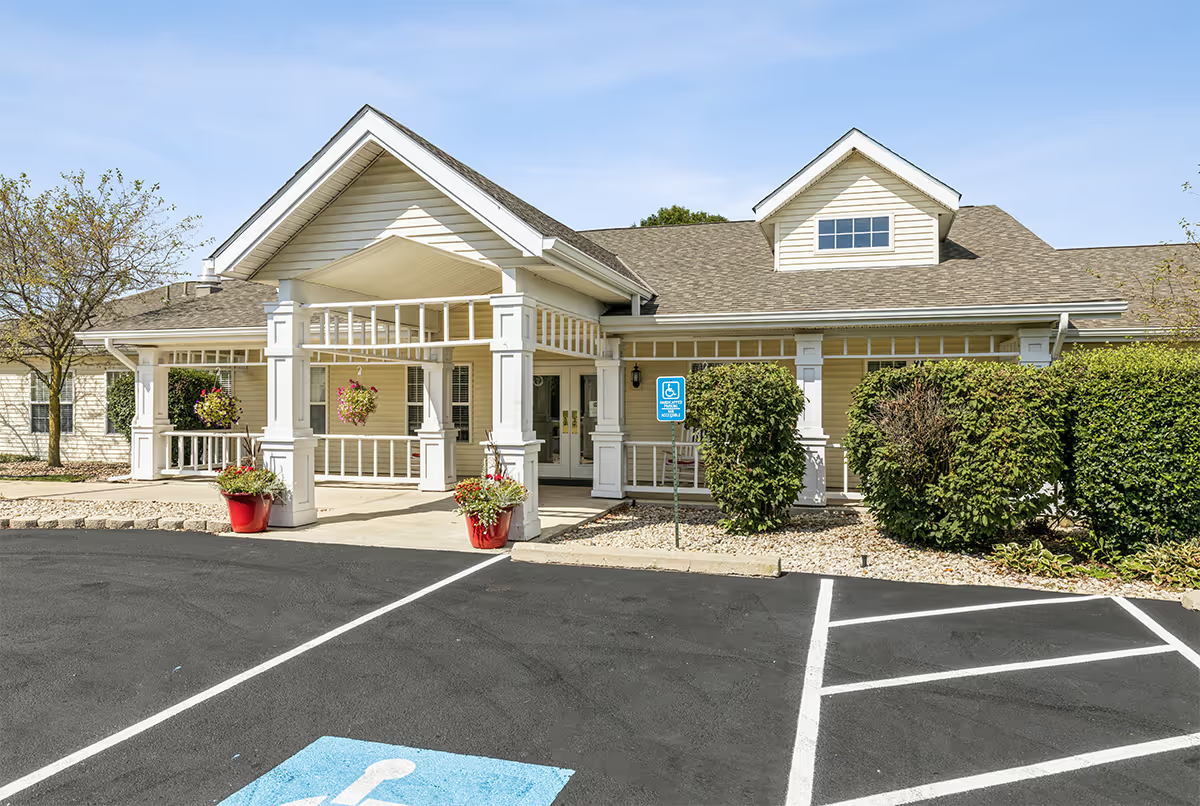
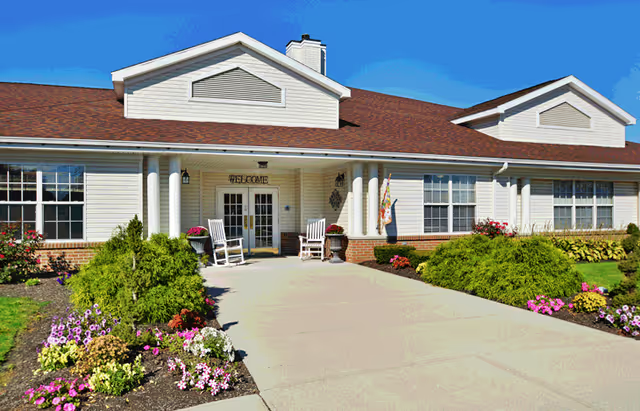
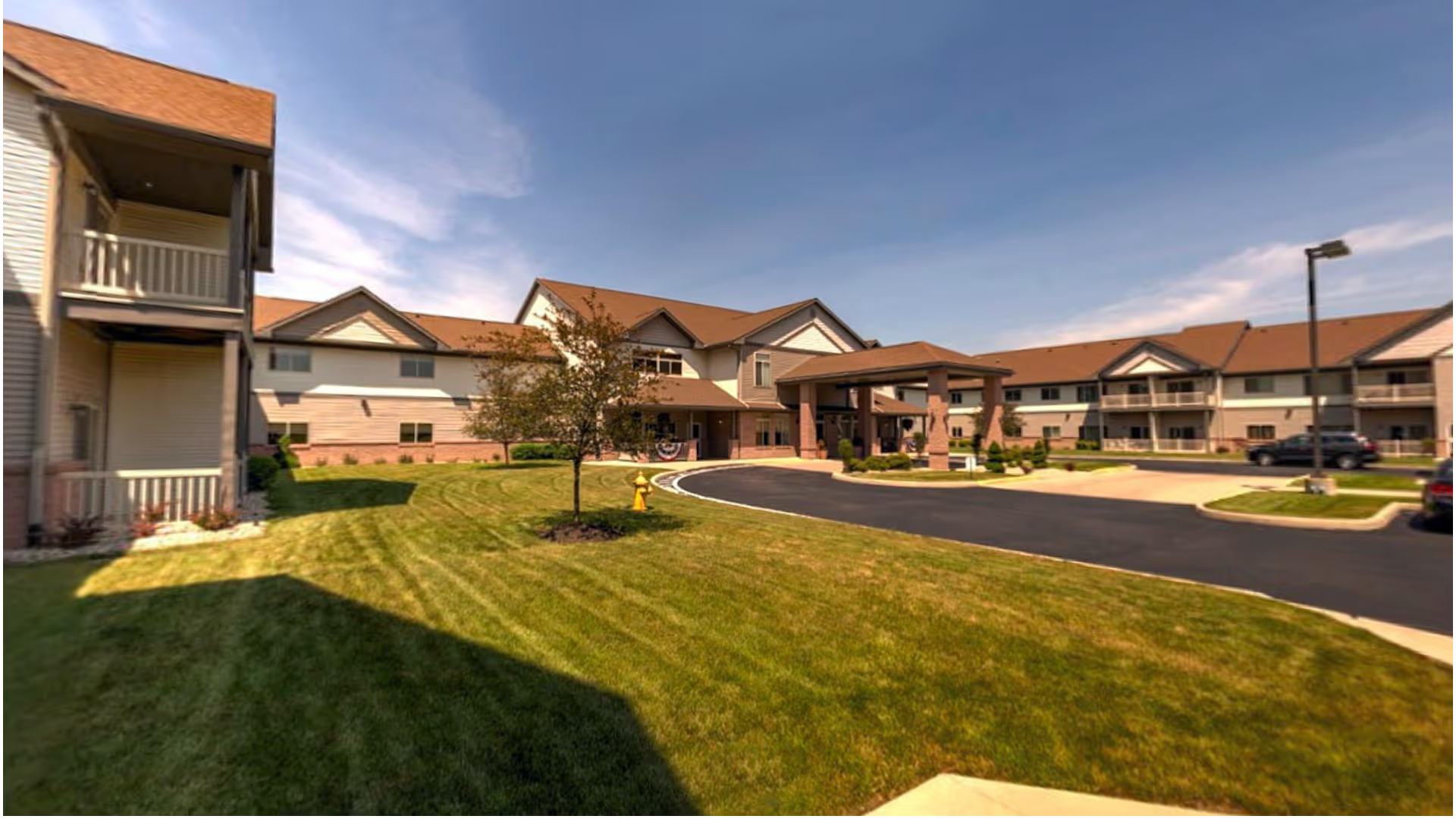
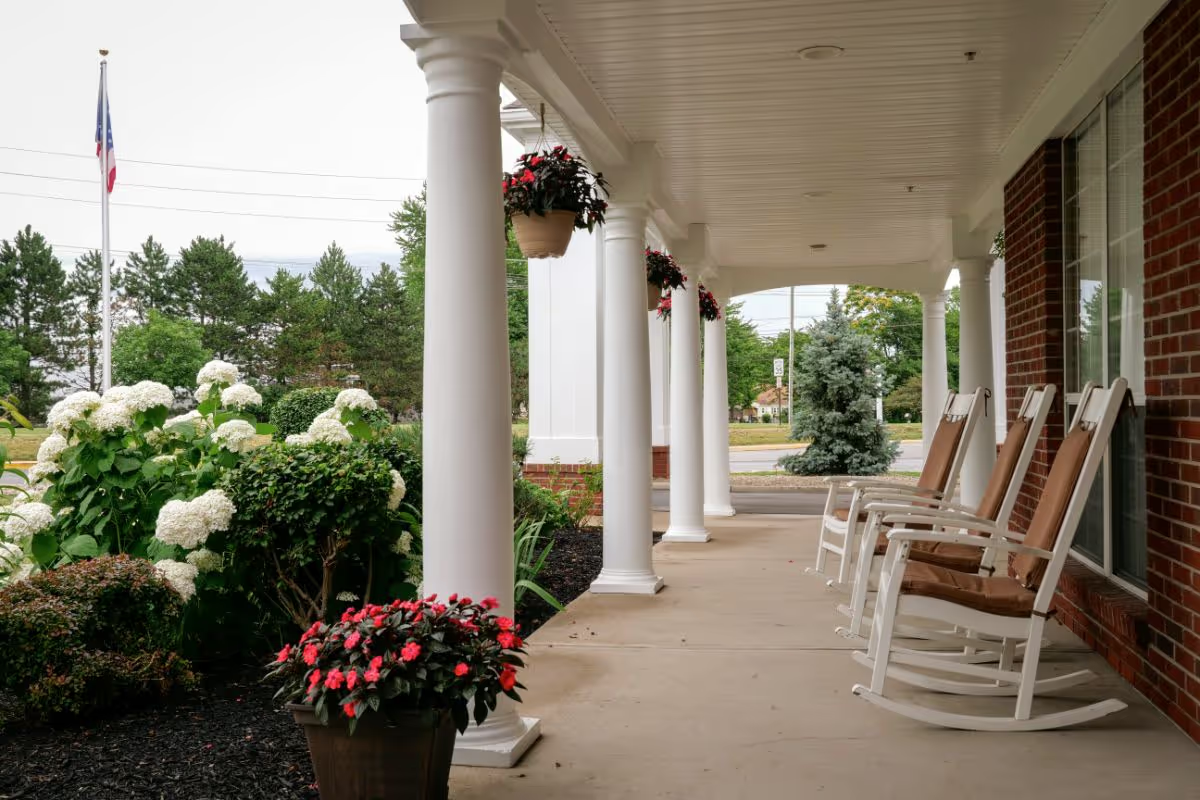
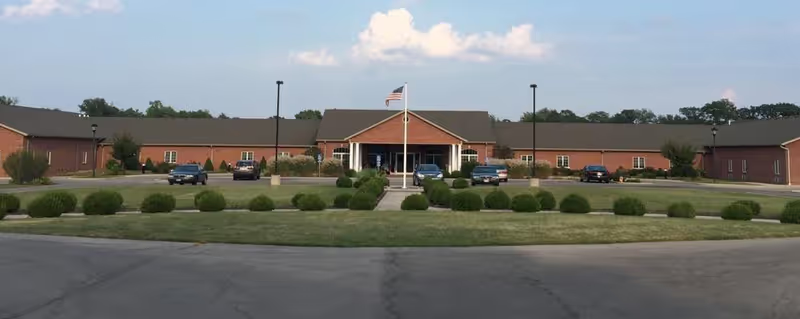
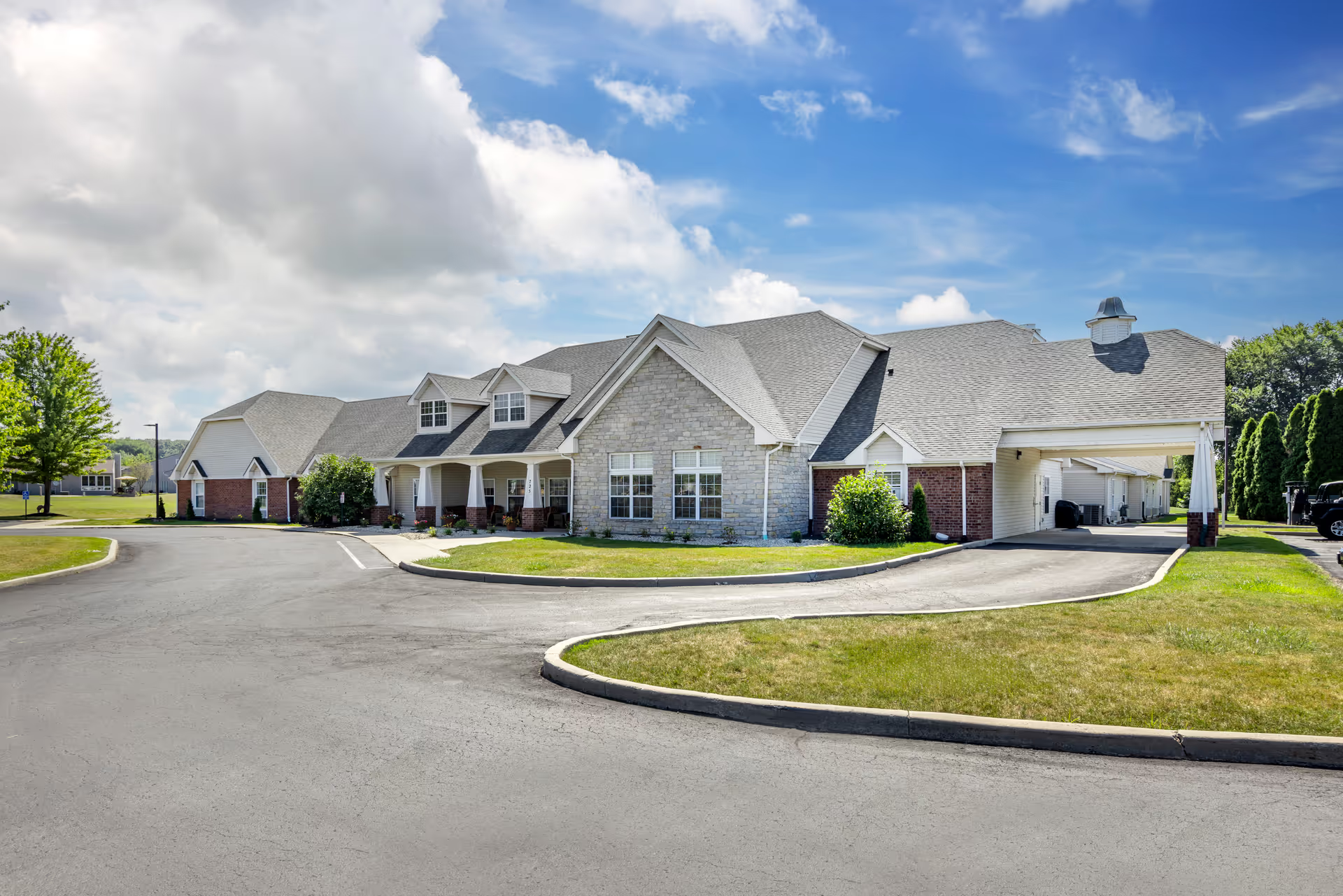
The reviews portray Vancrest of Ada as a facility with notable strengths in rehabilitation and many elements of daily care, but also with several operational inconsistencies that prospective residents and families should weigh. Positive themes include strong, outcome-focused therapy services: multiple accounts describe effective physical and occupational therapy that restored mobility and improved swallowing safety. Reviewers frequently praised staff for being caring, professional, and attentive, and the facility itself is characterized as relatively new, clean, and well maintained with organized admissions and generally clear communication during intake.
At the same time, a number of reviews raise concerns about clinical follow-through and certain nursing processes. Specific cases describe delayed recognition or escalation of acute injuries, challenges in wound-care coordination, and unclear communication about medication dosing; these point to potential gaps in clinical assessment protocols and interdisciplinary handoffs. Nursing responsiveness and staff conduct are described as variable — while many accounts emphasize compassionate caregivers, other reports note rudeness or delays in attention. There are also isolated sanitation and incontinence-care concerns and at least one account indicating unexpected discharge timing, suggesting unevenness in daily-care consistency and discharge planning.
End-of-life and hospice support appears inconsistent across reports. Some reviewers express distress about hospice experiences and the facility’s handling of those needs, indicating an area where policies and staff training might require reinforcement. Therapy quality is generally seen as a major strength, but there is evidence of variability: several reviewers praise outstanding rehabilitation outcomes while at least one reviewer described a poor therapy experience, suggesting that therapy delivery may vary by therapist or unit.
Overall, Vancrest of Ada demonstrates strong points in rehabilitation, staff compassion, and facility upkeep. However, families should investigate clinical escalation pathways, wound and medication management procedures, hospice protocols, and discharge-planning practices during tours and admissions conversations. Asking for details about interdisciplinary communication, on-call medical coverage, wound-care protocols, medication-dosing documentation, and recent examples of discharge coordination will help clarify whether the facility’s operational practices align with a particular resident’s clinical needs.