Across the collected summaries, Blanchard Place is characterized primarily by its strong caregiving culture, cleanliness, and active community life. Families and visitors consistently describe staff as compassionate, professional, and accessible; nursing and office personnel, as well as the activities and admissions teams, receive frequent positive mention. The facility operates with 24/7 onsite staff and offers respite and short-stay options, which many families cited as providing relief and a smoother transition from home care.
Dining and daily supports are generally seen as strengths. The dining program is described as varied and enjoyable, with an established kitchen staff and flexible meal options in some cases. Housekeeping and laundry services are routinely noted as reliable. A few comments indicate variability in meal temperature or occasional quality issues, which suggests periodic inconsistency rather than a pervasive problem.
The activities program and community life are prominent positives. Reviewers note frequent programming—bingo, crafts, music, seasonal events, and intergenerational family nights—led by an engaged activities director. Outdoor amenities such as a courtyard and garden seating, plus indoor common areas and a salon, support social engagement. That said, some residents do not regularly participate, and there are mentions of limited evening and weekend programming, indicating engagement may vary by time of day and by resident preference.
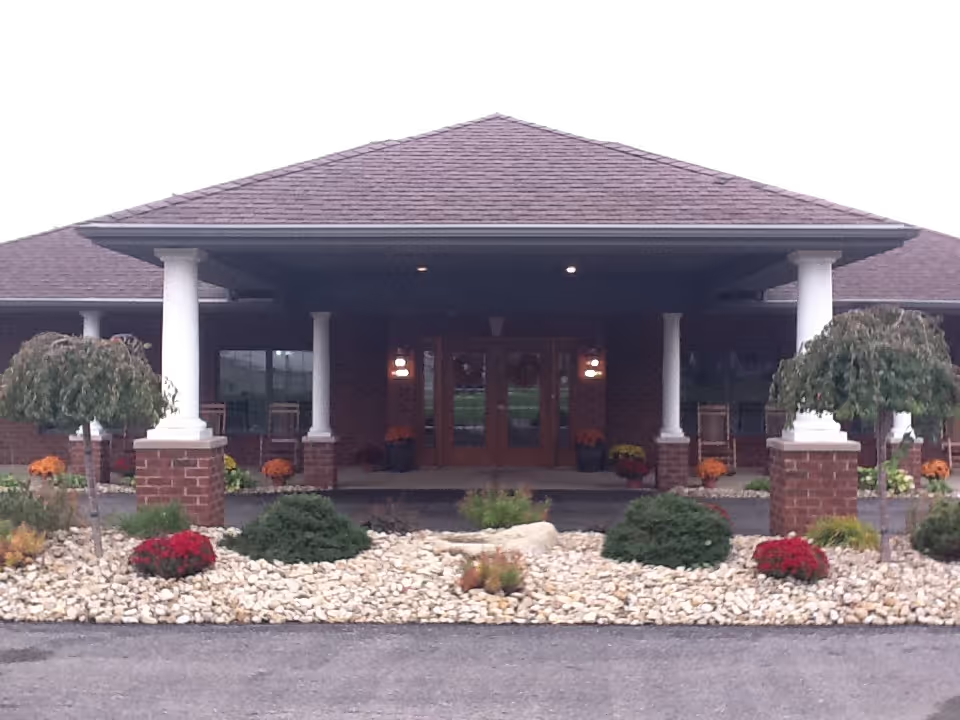
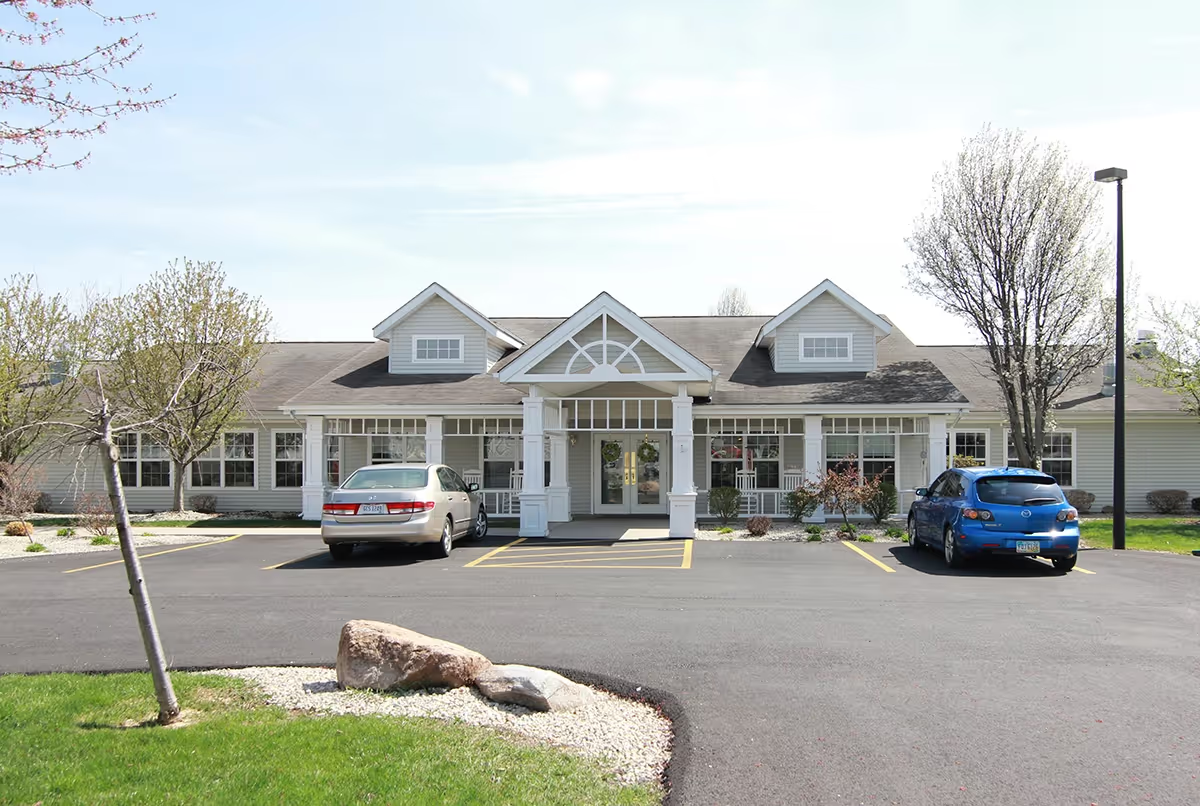
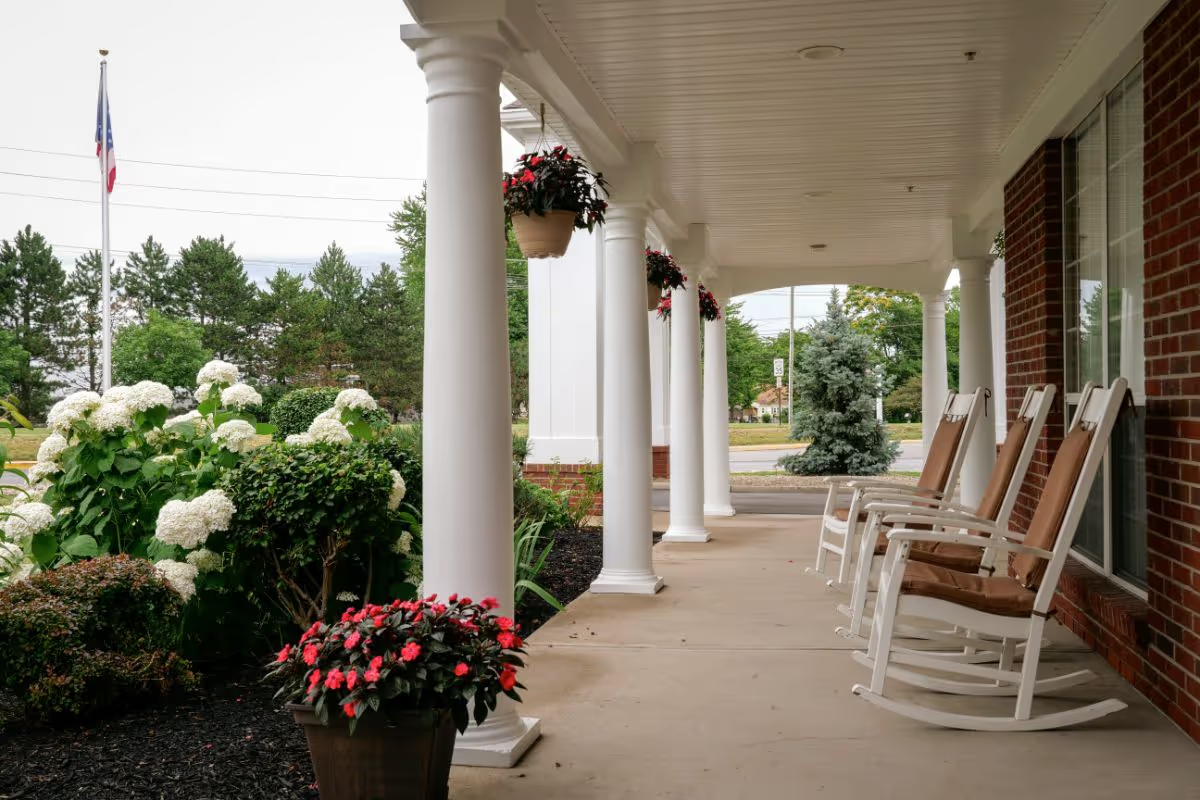
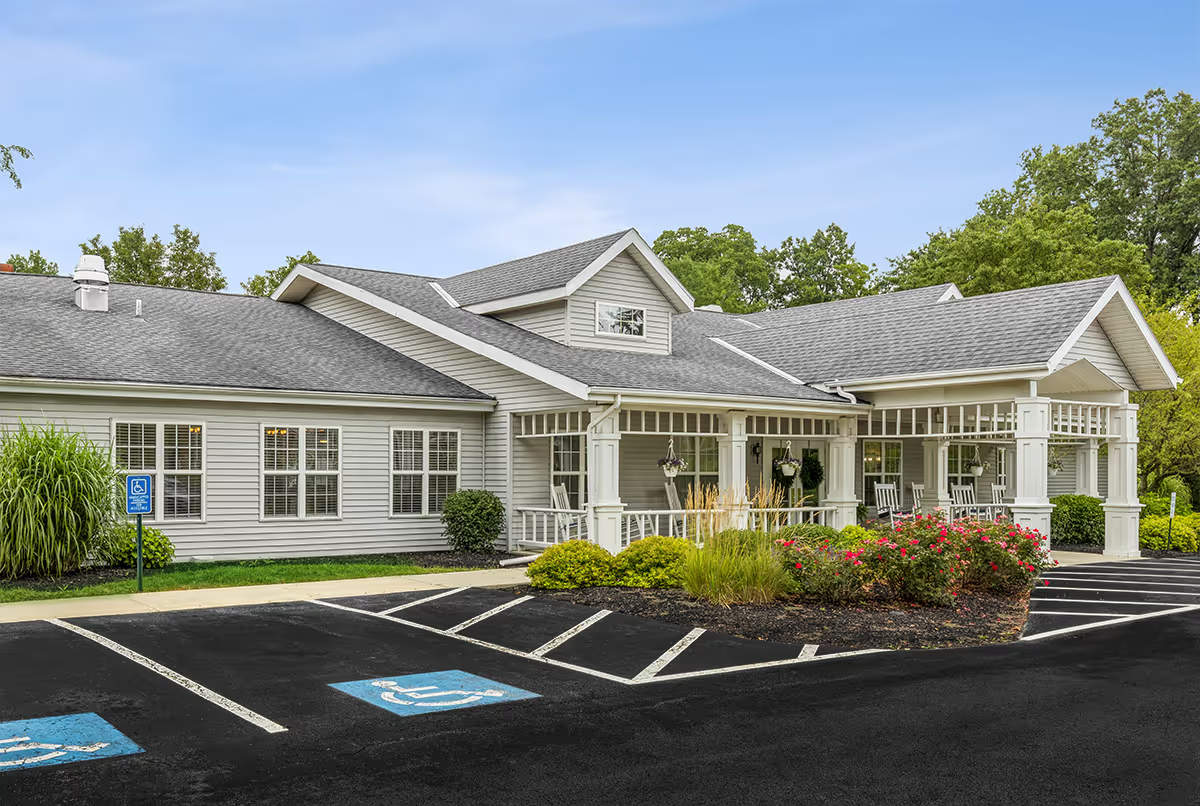
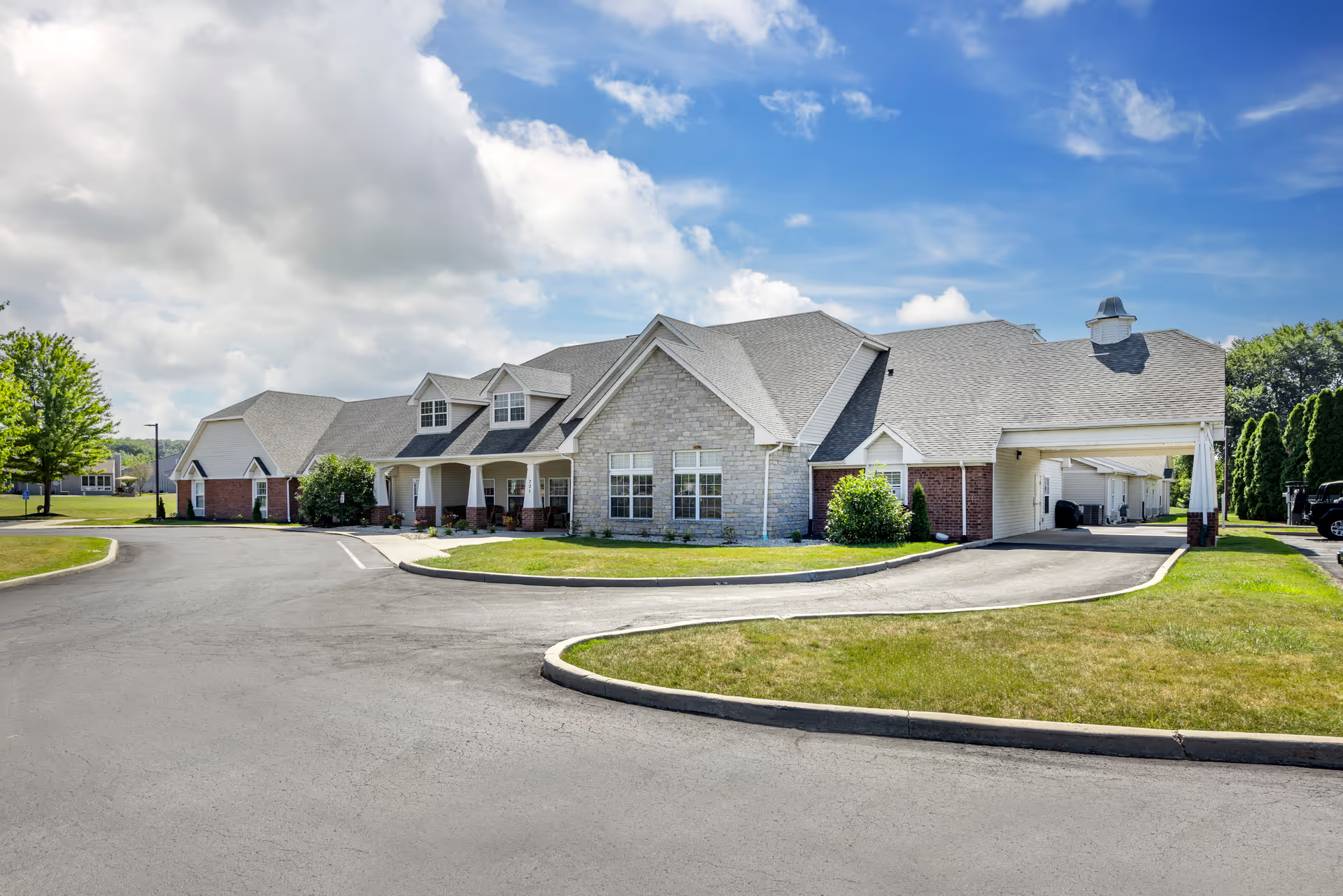
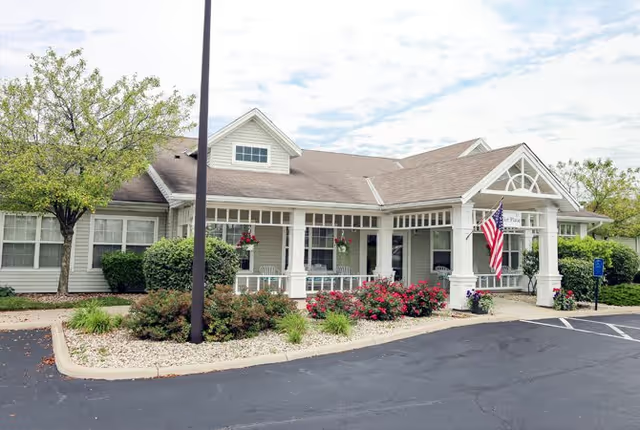
Facility condition and capacity present a mixed picture. Many visitors describe the building as very clean, attractively decorated, and well maintained, contributing to a homelike feel in a smaller community setting. Conversely, a few summaries note older or outdated sections, small room sizes, and limited private-room availability. The campus is secure, with locked and alarmed exits and an ideal neighborhood location noted by several families.
Operational and clinical patterns to note include generally proactive communication from management and staff, frequent family involvement opportunities, and an atmosphere described as family-like. Counterbalancing these strengths are recurring operational themes: staffing shortages or scheduling gaps that can produce longer wait times or uneven coverage, and concerns about the facility's capacity to meet complex memory-care needs. These issues appear as intermittent patterns rather than universal failings, but they are areas a prospective resident or family may wish to explore further during a visit.
In summary, Blanchard Place is portrayed as a small, community-oriented assisted living option with consistently praised staff, active programming, and good basic services. Prospective families should weigh its strong interpersonal care culture and active community life against limitations in room availability, occasional service inconsistencies, and the facility's approach to specialized memory care and off‑hour programming. A focused tour and direct questions about staffing patterns, memory-care capabilities, and specific apartment sizes will help align expectations with resident needs.