Overall impression: Kessler Estates Senior Living is consistently described as a clean, recently renovated, and well-maintained community with a strong emphasis on person-centered caregiving. Reviewers emphasize the facility’s homelike atmosphere, small-community scale, and an engaged staff that families find compassionate and diligent. The combination of assisted living and a secured memory-care neighborhood is frequently noted as a strength for families seeking integrated levels of care.
Care and staff: The dominant theme in reviews is the quality of the caregiving team. Nursing and direct-care staff are characterized as attentive, compassionate, and proactive — with examples of frequent daily checks, timely clinical interventions, and individualized attention. The memory-care area is described as secure and staffed around the clock. Several accounts highlight effective end-of-life support and reassurance to families, suggesting clinical comfort with complex needs in that context. That said, reviewers also describe variability in how consistently information is shared with families and occasional gaps in administrative follow-up.
Clinical services and therapy: The community offers a broad range of on-site clinical services, including physicians, lab draws, podiatry, and in-house physical therapy. Physical therapy and rehab services receive positive comments for effectiveness, particularly for short-term rehab. At the same time, there are indications of variability in therapy intensity or follow-through for some residents; families seeking aggressive or highly structured rehabilitation plans should confirm individualized therapy schedules and expected outcomes during tour/contract discussions.
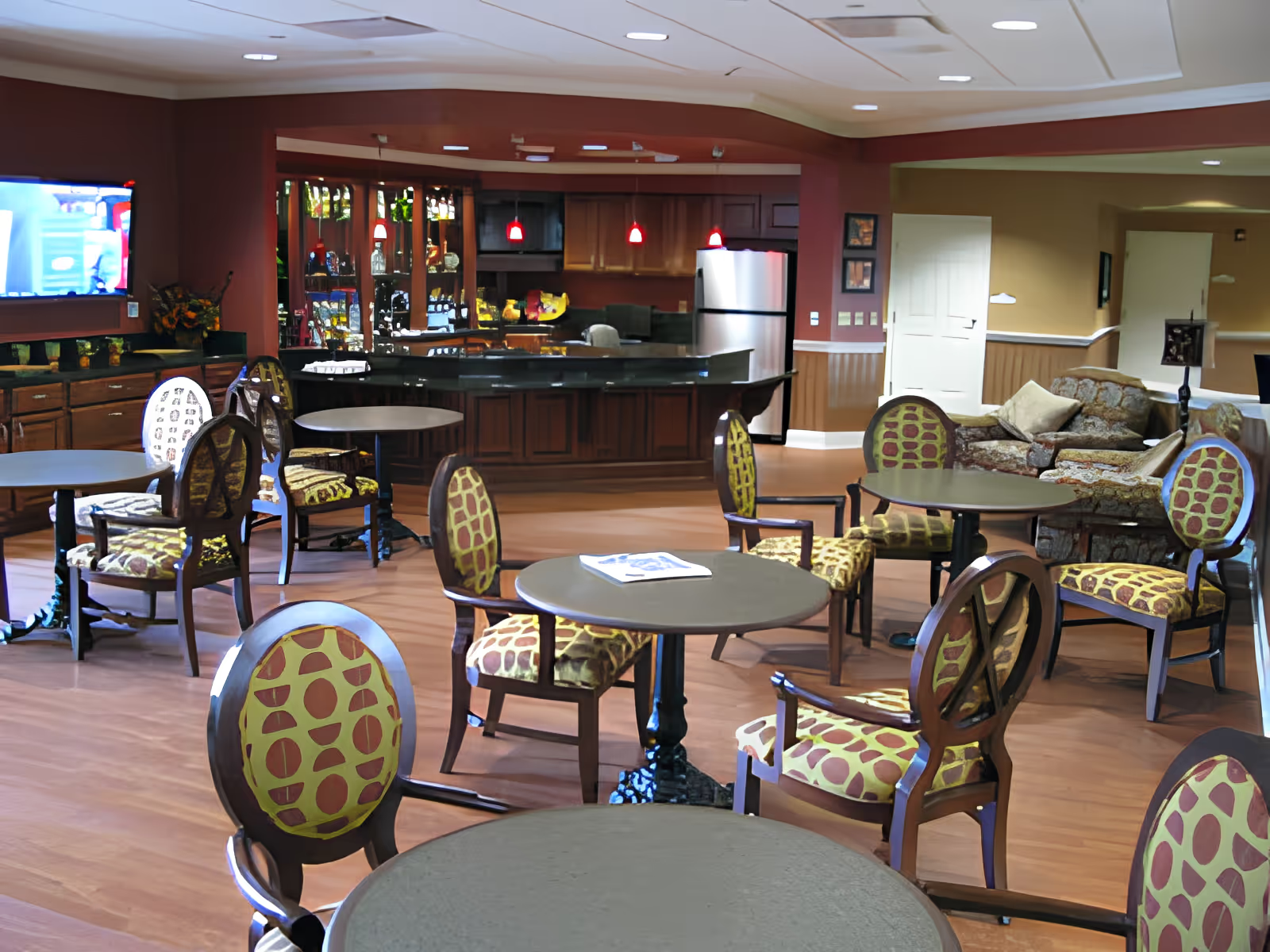
Dining and special-diet needs: Dining is widely viewed positively — meals are described as homemade-style, appealing, and served in a pleasant dining room that encourages socialization. Desserts and meal variety are called out favorably. A recurring operational limitation is the availability of special-diet accommodations: requests for gluten-free or consistently low-sodium options are noted as areas where the kitchen could expand its offerings or communication about options could improve.
Activities and social life: Activity programming is a clear strength. The community maintains a full calendar with daily engagement opportunities, sing-alongs, outings, shopping trips, movies, and volunteer or musical involvement that many residents enjoy. The small scale of the community appears to foster peer connections and table-based socialization. A pattern that emerges is occasional repetition in specific activities (for example, frequent bingo) — families who prioritize extensive variety in recreational programming should discuss the activity schedule and customization options.
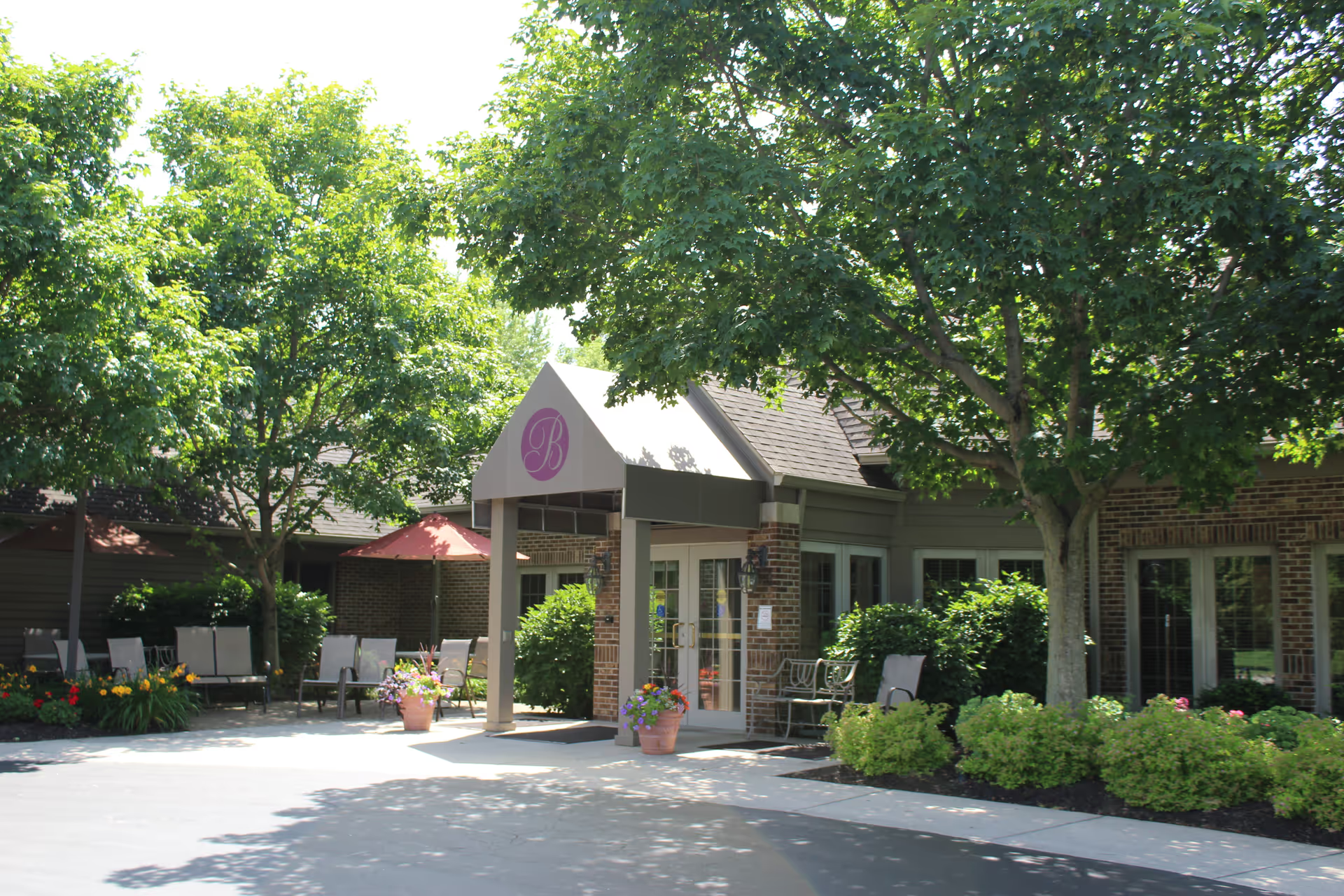
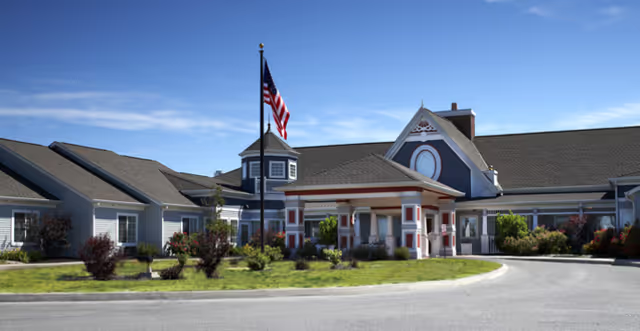
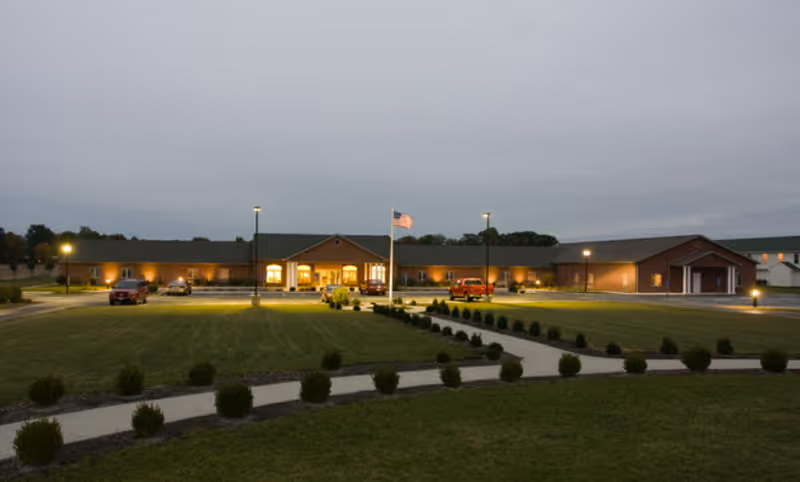
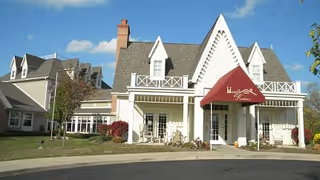
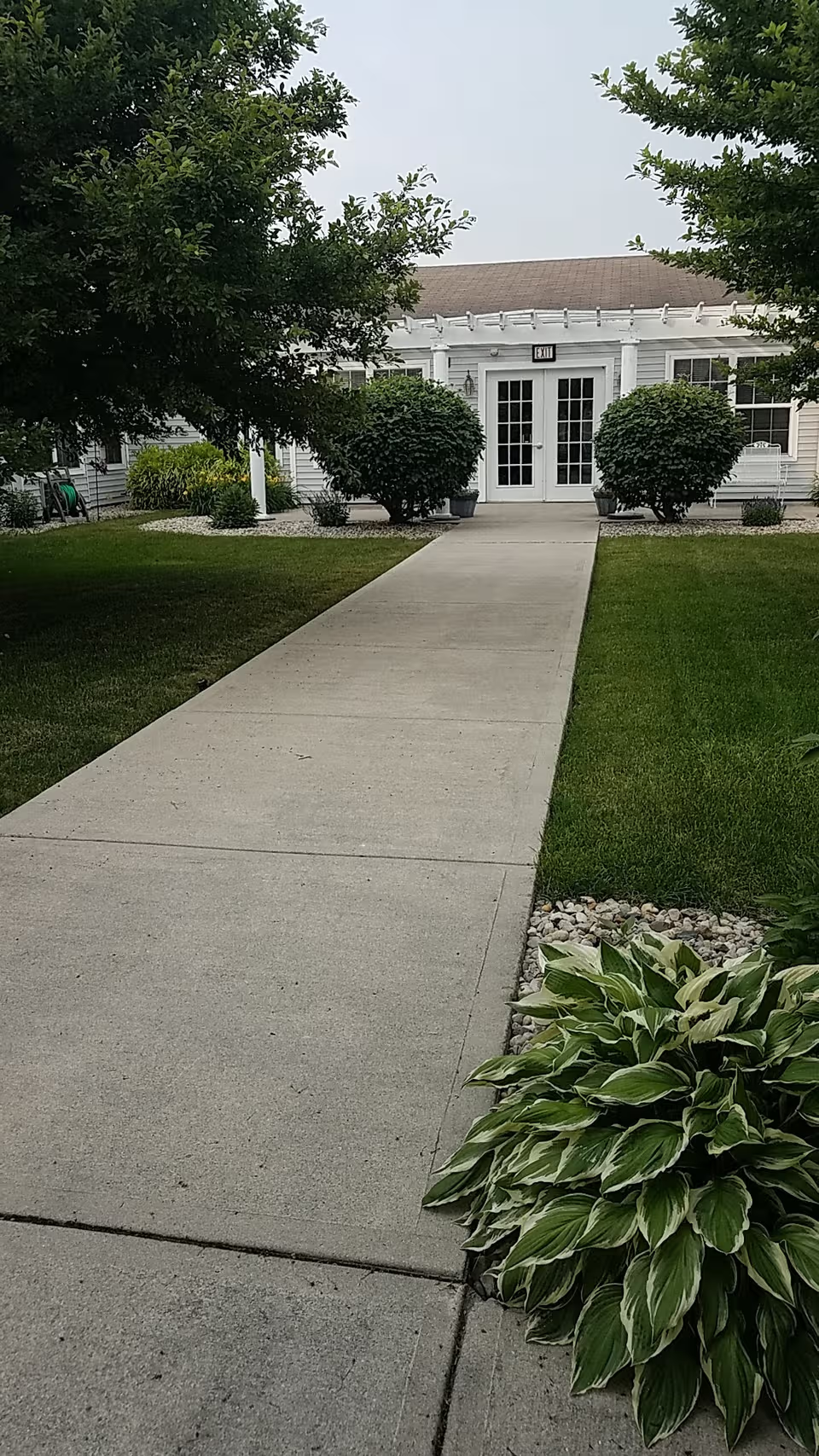
Facilities and amenities: The physical plant is repeatedly described as bright, attractive, and recently renovated. Notable features include secure entry, a landscaped courtyard/garden with pergola and awning improvements, an aviary, gas fireplace and inviting common spaces. On-site amenities such as a beauty shop and pet-friendly policies add to the homelike character. Some apartment configurations (efficiency/studio layouts) have limited in-unit kitchen amenities, which may matter for residents who expect more independent living features.
Management and notable patterns: Administrative staff are often praised for being welcoming and helpful, with many families noting an efficient admission process and open-door management style. However, a consistent operational concern is communication: families reported inconsistent follow-up after tours and occasional lapses in notifying relatives about changes to a resident’s status or care plans. Cost is another recurring pattern — several comments indicate that pricing is higher than some nearby alternatives and that families should review fee structures and value carefully. Overall, the dominant pattern is of a well-kept, clinically capable community with strong relational care; prospective families should confirm dietary accommodations, therapy plans, and communication practices during their visit to ensure alignment with specific needs.