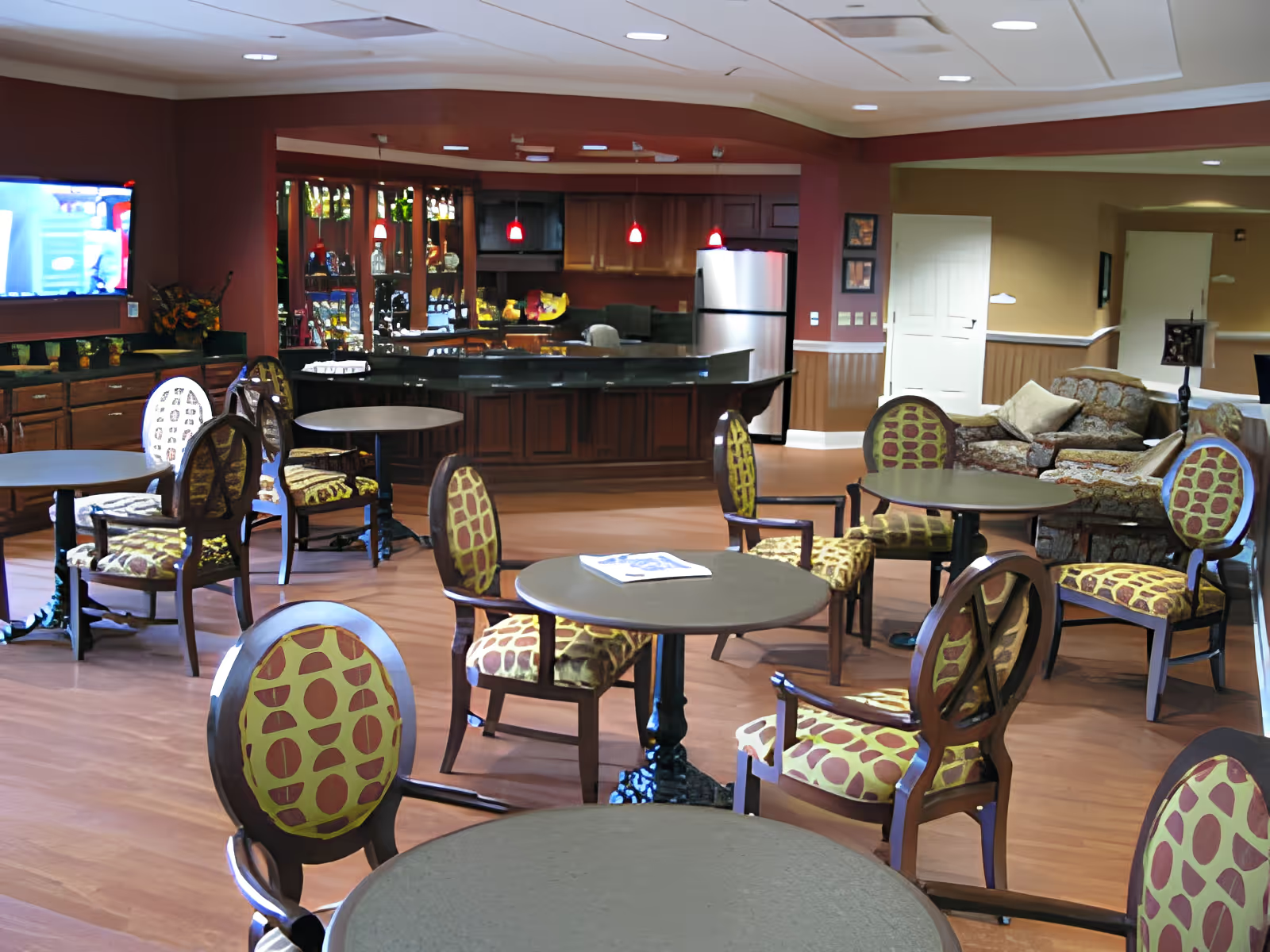
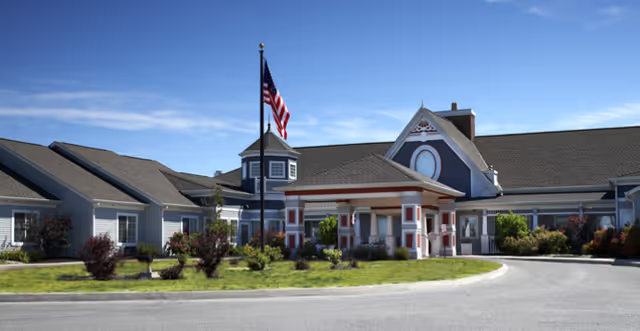
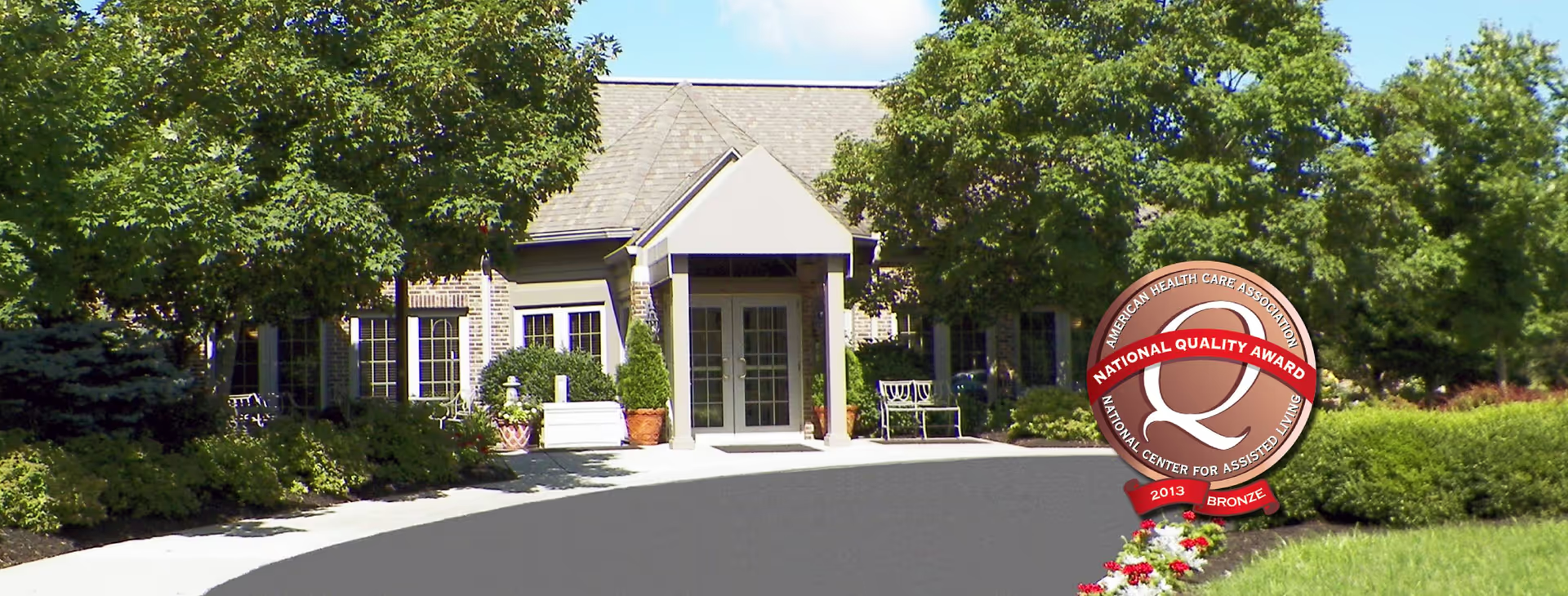
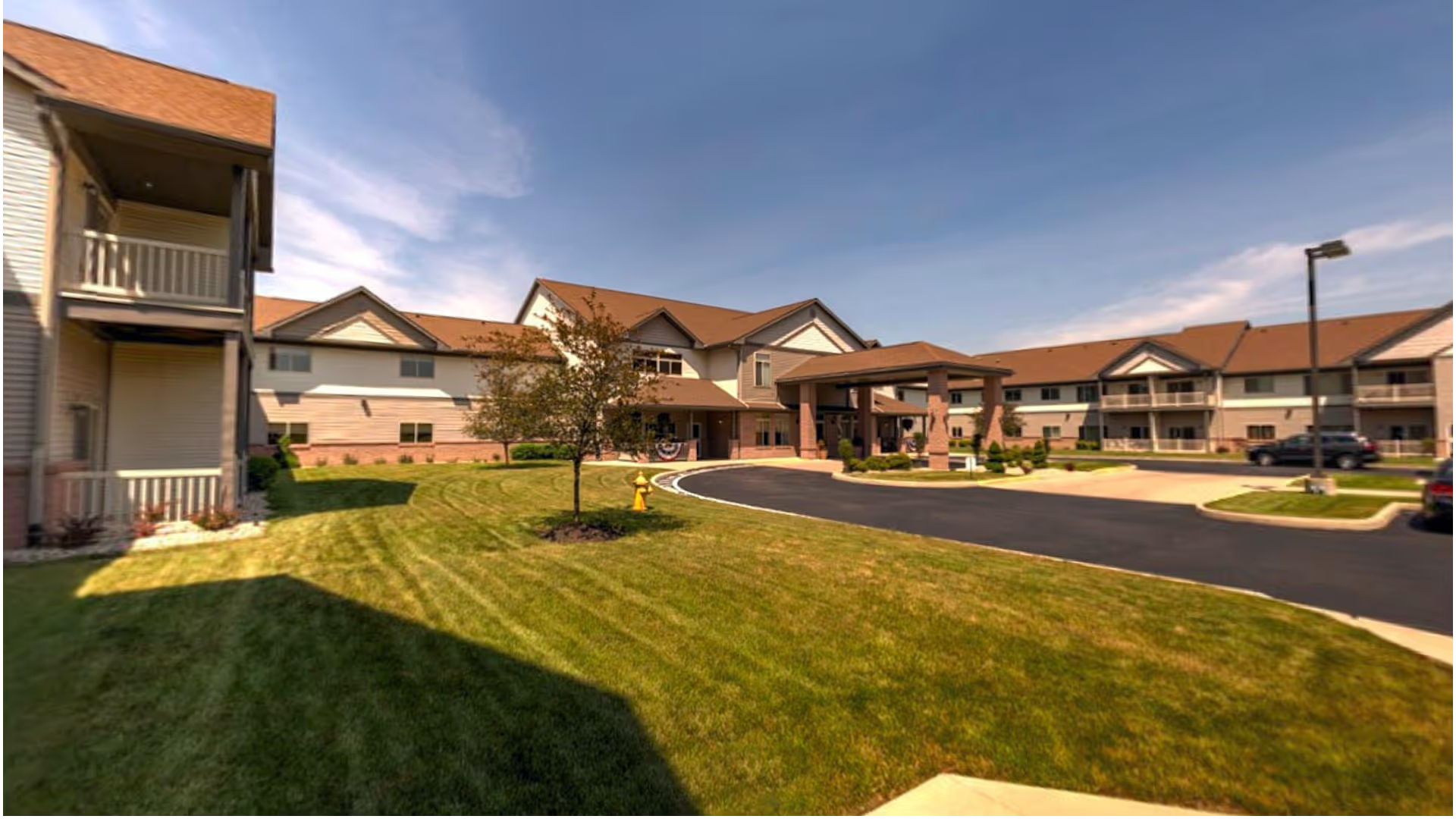
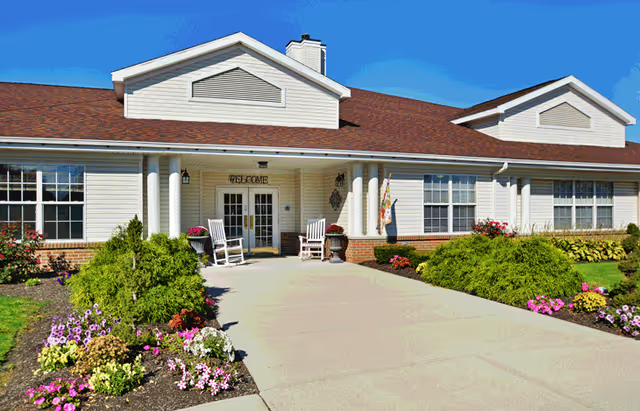
Trustwell Living at Miller Place presents a largely positive environment in many areas while showing clear operational vulnerabilities in others. The facility is frequently described as clean, bright, and well kept, with attractive common areas, a courtyard garden, and private rooms that support privacy and comfort. Families and residents commonly praise the move-in process, emergency admissions handling, and the helpfulness of maintenance and admissions staff.
Direct care and staffing elicit mixed impressions. Many reviewers emphasize compassionate, family-style caregiving, attentive CNAs, and staff who go above and beyond; these strengths are tied to strong social outcomes, resident engagement, and families' peace of mind. However, a pattern of inconsistent staffing levels, high turnover, and staff burnout is also described. These operational weaknesses are linked to gaps in clinical oversight (including medication management) and delays in attending to personal-care needs. A small but consequential set of accounts describes transfers to higher levels of care after clinical concerns, which points to the importance of asking about wound-prevention, monitoring, and escalation protocols during tours.
Dining and nourishment are generally seen as a positive by many residents — with several mentions of enjoyable meals, a responsive chef, and pleasant dining experiences — but other families report inconsistent food quality, small portion sizes, limited evening snacks, and frequent chef turnover. These mixed impressions suggest variability in meal execution and continuity. Prospective families should clarify meal schedules, portioning, and how dietary needs and preferences are accommodated.
Activity programming and social life are consistent strengths: the community offers diverse, resident-focused programming (crafts such as leatherwork, cardio drumming, outings, live music, and themed family nights), proactive activity staff, and opportunities for residents to form friendships. That said, some families noted discontinuation or reduction of events (for example, family nights) at times, indicating occasional scheduling discontinuities.
Management and administration receive both praise and criticism. Several reviewers describe responsive leadership and improvements after administrative changes, while others raise serious concerns about management practices, including communication lapses, billing or documentation irregularities, and an administrative tone described as money-driven. Communication with families about incidents and clinical changes is an inconsistent area: some families feel well informed, whereas others report unanswered emails and delayed notifications. Cost is also a recurring theme; as a private-pay facility, pricing and recent price changes have prompted questions about value and transparency.
Overall, Miller Place offers many of the amenities and person-centered elements families seek — a homelike environment, active programming, and caring frontline staff — but there are operational risks tied to staffing stability, clinical oversight, meal consistency, and administrative transparency. For prospective residents and families, recommended due diligence includes confirming current staffing ratios and turnover, reviewing medication-administration and wound-prevention protocols, asking for examples of family communication practices and incident notification procedures, clarifying meal policies and portioning, and verifying billing and documentation practices before making a placement decision.