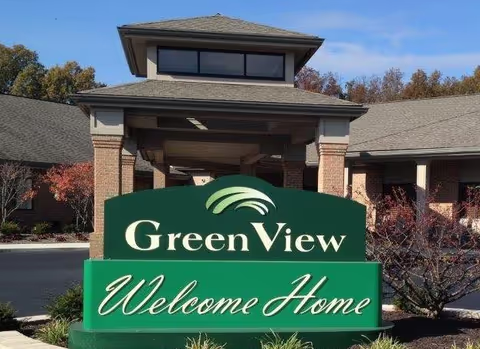
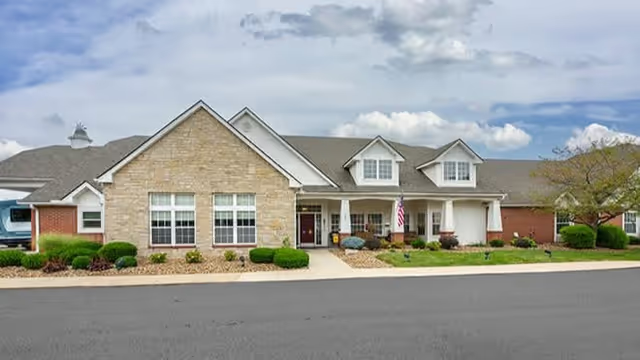
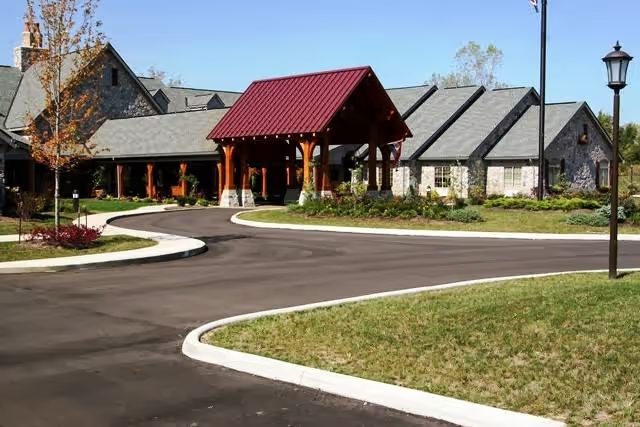
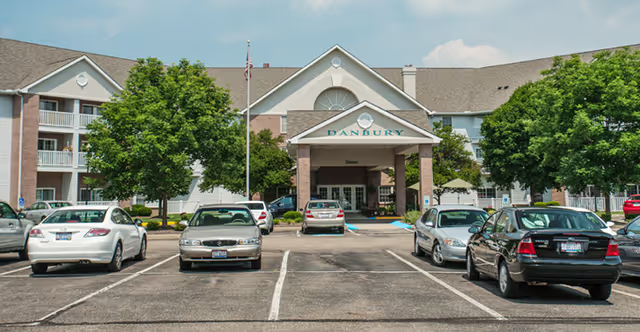
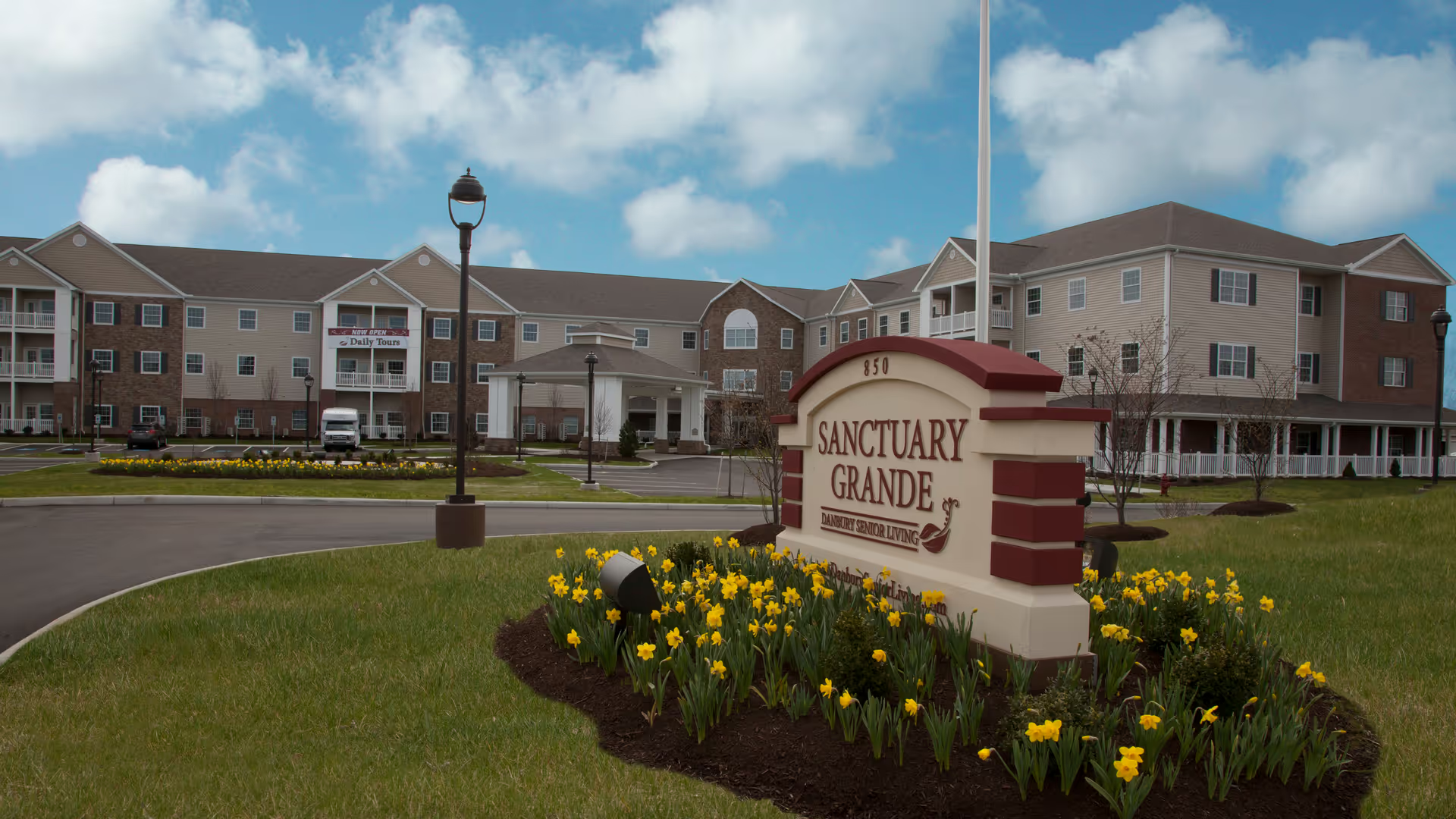
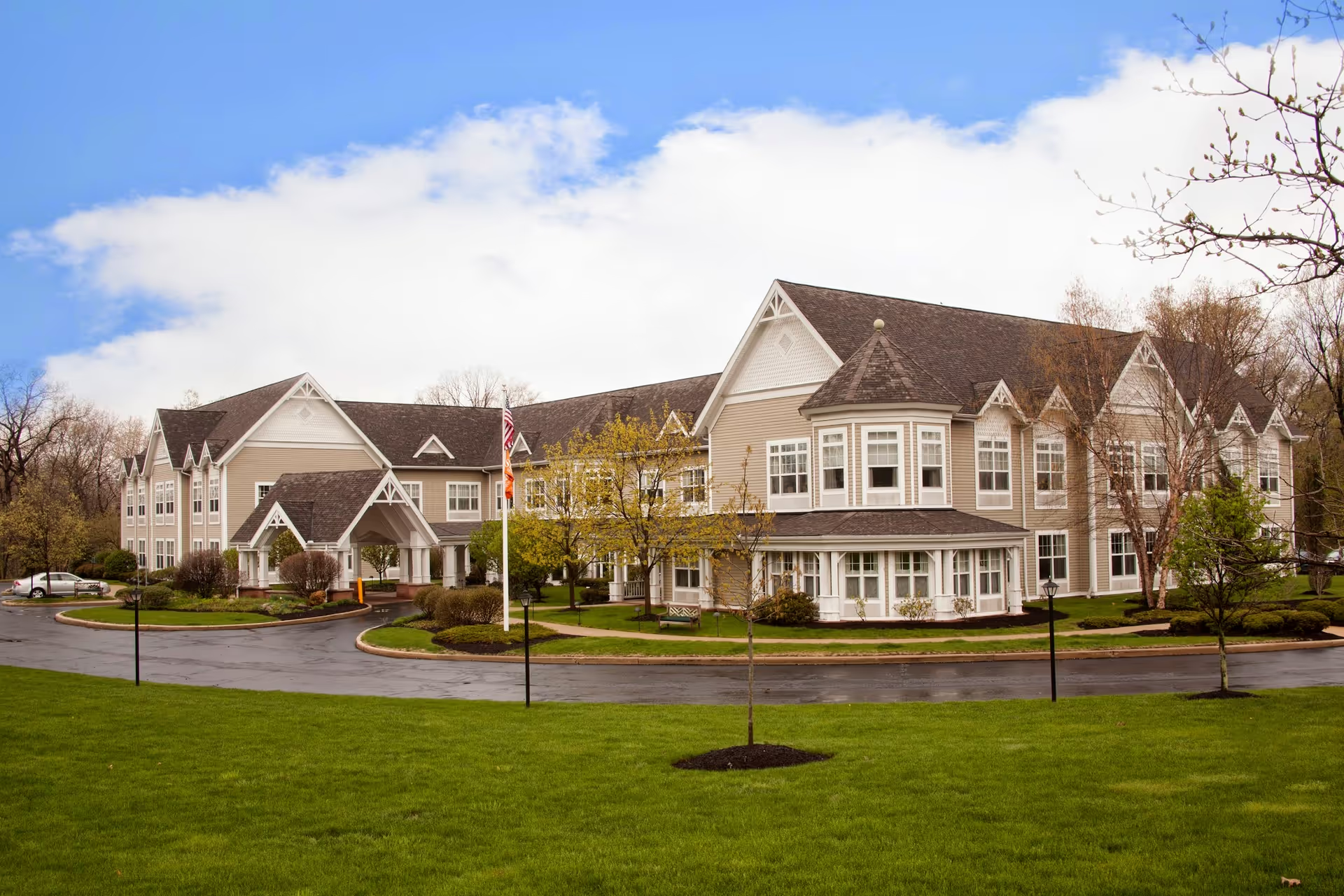
Green Village Skilled Nursing & Rehabilitation is frequently described as a modern, attractive facility with private en-suite rooms, pleasant outdoor spaces, and well-equipped on-site rehabilitation services. Many families and residents praised the therapy departments (physical, occupational, and speech therapy), noting effective rehab outcomes and staff who help patients return home. Social-work and administrative staff were singled out positively in a number of accounts for assistance with care coordination and Medicaid navigation.
Care-quality accounts are highly mixed. Positive reports describe compassionate nurses and STNAs, attentive therapists, and solid end-of-life/hospice care. However, a sizable number of accounts raise operational concerns that affect clinical safety and daily comfort. The principal clinical issues cluster around medication management (missed, delayed, or incorrect doses), inconsistent wound-care practices, and irregular hygiene and bathing schedules. Reviewers linked many of these problems to staffing shortages and slow responses to call lights or assistance requests, with particular pressure reported during weekends or off-hours.
Sanitation and housekeeping emerged as a recurrent theme: while some areas and rooms are described as clean and odor-free, others noted bathroom cleaning lapses and broader sanitation concerns. Dining experiences were similarly inconsistent — several families praised fresh, well-portioned meals, while others reported cold or unpalatable food and limited options for therapeutic diets such as low-sodium or diabetic menus. Activity programming and social events were generally viewed positively, contributing to a welcoming atmosphere for many residents.
Staff and management impressions are polarizing. Numerous comments commend individual caregivers, therapists, and a responsive social-work presence; conversely, there are repeated mentions of rude or dismissive communication from some staff, uneven nurse presence, and administrative challenges including billing disputes and disorganized discharge planning. Several families described the need to advocate actively for medications, wound care, or post-discharge services, and a number of accounts describe delays or gaps in arranging home health, IV antibiotics, or follow-up therapy.
Notable patterns for prospective families: the facility excels in environment, amenities, and therapy capability, and many residents benefit from strong individual caregivers and rehabilitation services. At the same time, there is a consistent pattern of operational variability driven largely by staffing levels and care-process reliability. Before placement, families may wish to confirm current staffing ratios and weekend coverage, ask about medication-administration safeguards and wound-care protocols, verify dietary accommodations, and get clear, written plans for discharge and post-acute coordination. For high-acuity or medication-sensitive residents, clarify clinical oversight and escalation procedures to ensure the facility can meet those needs consistently.