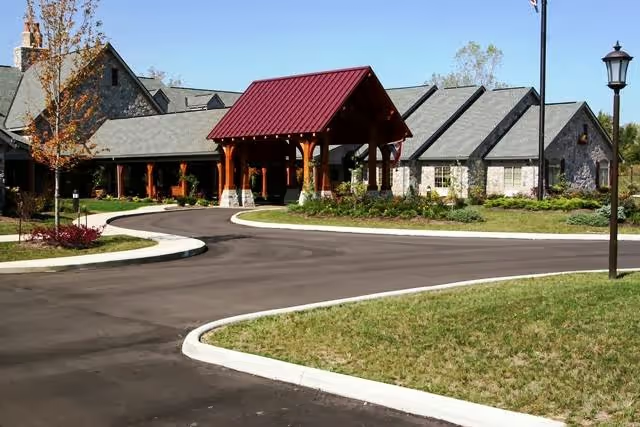
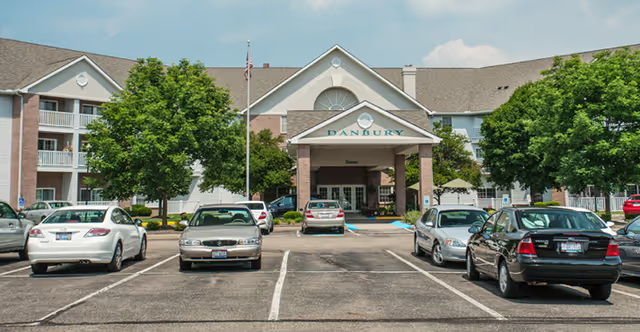
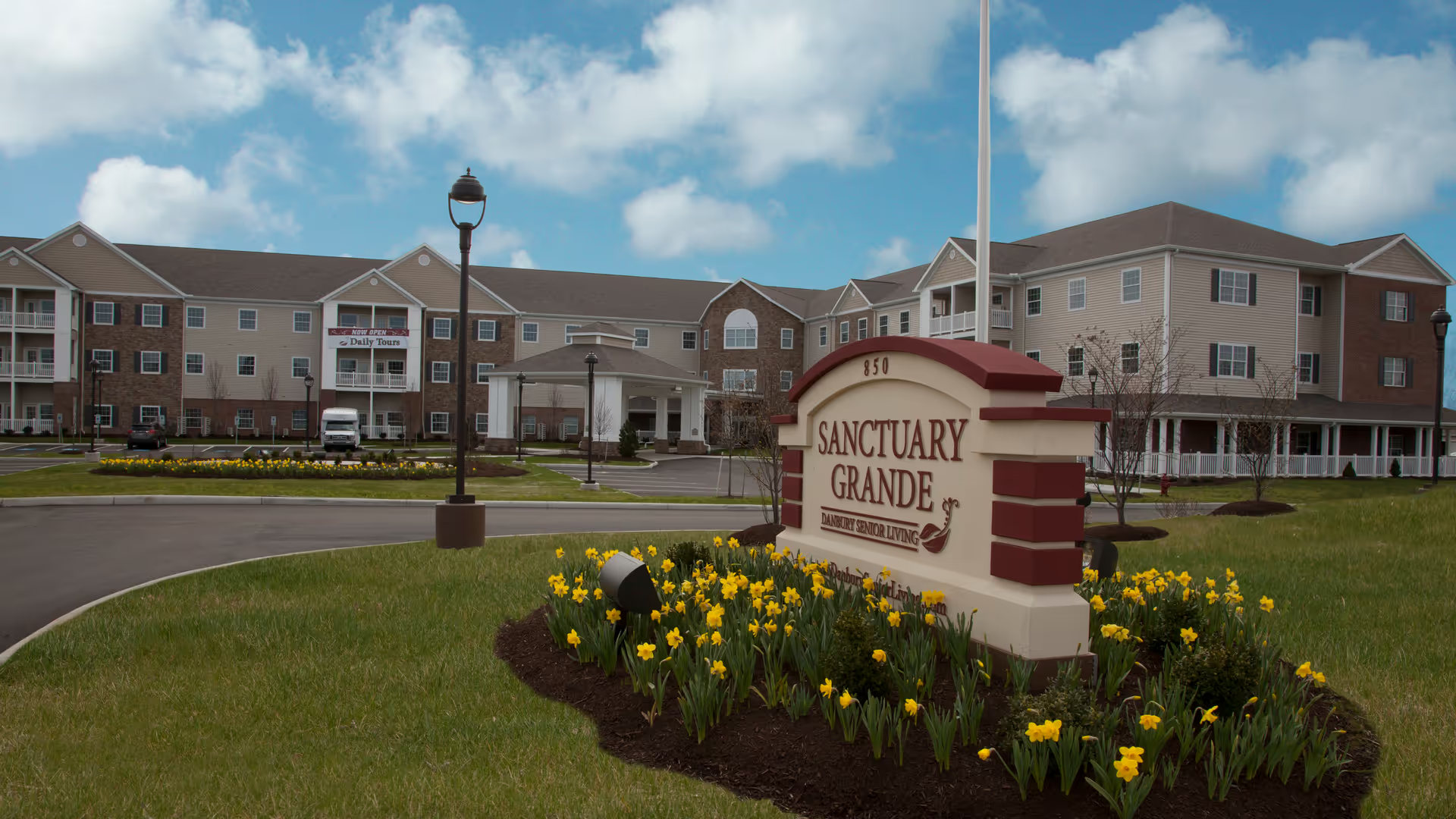
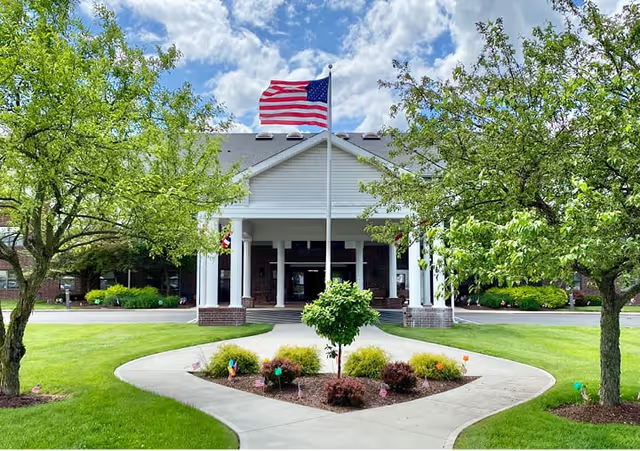
Overview: Reviews for The Village of St. Edward at Green are predominantly positive regarding the physical plant, daily programming, and many aspects of frontline caregiving. The community is described as a newly constructed, spacious, and well-maintained building with attractive interiors and a convenient location. Reviewers repeatedly highlight a strong activities program — including music therapy and therapy-dog visits — and the memory-care neighborhood is organized into small units (14 residents per side), which reviewers framed as supportive of calm, focused care. The community is reported to accept Medicaid and to have had effective infection-control measures during the COVID period.
Care quality and nursing: Many families praise individual nursing staff and caregivers for compassion, knowledge, and responsiveness; some reviewers specifically credited nursing staff with improving residents’ mood and engagement. The memory-care design and structured activities appear to support residents with cognitive impairment. However, there is a notable contrast in the record: alongside positive endorsements are isolated criticisms characterizing care as poor. This pattern suggests variability in care experience; prospective families should verify current staffing levels, staff turnover, and clinical oversight during a visit and by checking state inspection or staffing reports.
Staff and management: Frontline staff are frequently described as friendly and helpful, and several reviewers said staff interactions contributed to a sense of safety and peace of mind. At the same time, at least one review referenced negative workplace conditions. That discrepancy points to potential workplace-culture or morale issues that can affect consistency of care. When evaluating the community, ask management about staff retention, training programs, and supervision practices to understand whether positive staff–resident interactions are consistent across shifts and units.
Activities and dining: Activities are a clear strength: reviewers mention varied programming, music therapy, and animal-assisted visits that appear to be meaningful for resident engagement. Dining quality and menu details are not frequently discussed in the available summaries, creating limited visibility into meal quality, portioning, and special-diet accommodations. Families should request menus, sample meals, and information about dietary services and chef or dietitian involvement during visits.
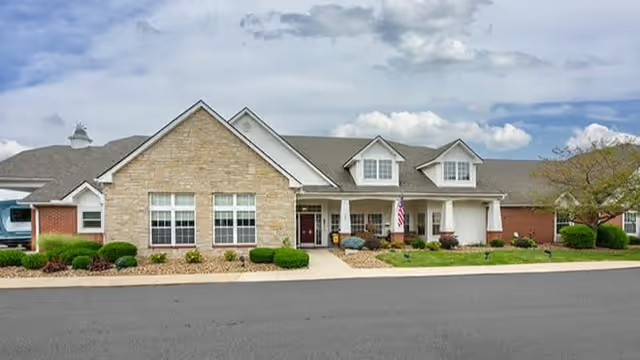
Facilities, operations, and cost: The facility’s new construction and upkeep are consistently praised, and the small memory-care neighborhoods are a positive operational feature for some families. The community’s acceptance of Medicaid increases accessibility for eligible residents. Pricing, however, is described as relatively expensive, and reviewers recommend clarifying which services are included in base fees and which are add-ons. Before committing, confirm contract terms, ancillary fees, and financial policies with admissions and billing.
Notable patterns and recommendations: Overall impression from the reviews is of a high-quality, well-appointed community with strong programming and many compassionate caregivers, tempered by some indications of inconsistency in care and at least one comment raising workplace-culture concerns. For a balanced evaluation, visit at different times of day, meet nursing leadership, review staffing ratios and turnover statistics, sample meals, and speak with current family members if possible. Also review recent inspection reports and ask for a written summary of infection-control practices and emergency procedures to confirm operational expectations align with the positive aspects cited by many families.