Overall impression: Reviews present a mixed but consistent pattern: many families and residents praise the staff’s compassion, the facility’s peaceful setting, and the availability of therapies and social programming, while a separate set of concerns centers on operational reliability, cleanliness in certain private spaces, and management consistency. The facility shows strengths in direct-care engagement and in creating a homelike communal environment, but also exhibits recurring process and oversight weaknesses that prospective families should evaluate.
Care and staff: Numerous comments highlight compassionate, attentive caregivers, aides who spend time with residents, and nursing staff who communicate about health changes. Rehabilitation services and access to a staff physician were credited in positive accounts. However, staffing appears inconsistent: reviewers describe frequent turnover, periods when staff are stretched thin, and variability in punctuality and responsiveness. There are also reports that some staff interactions have an inconsistent tone; while many encounters are described as kind and professional, others are described as brusque or unhelpful. Medication administration patterns were a recurrent operational concern, with references to delayed or irregular scheduling that warrant careful inquiry.
Dining and clinical accommodations: Feedback on food is mixed. Some reviewers described satisfactory meals and timely service, while others reported repetitive menus, a carbohydrate-heavy rotation, and limited flexibility for therapeutic or dietary restrictions (including diabetes-management needs). Several families felt kitchen staff did not consistently accommodate special requests. Prospective residents with specific nutritional or glycemic-control needs should confirm menu options, substitution policies, and how dietary requests are handled.
Activities and memory-care programming: The facility is frequently credited for an active calendar—music, singing groups, crafts, movies, and social games are commonly cited—and the dementia unit receives specific praise for tailored, therapeutic activities. At the same time, a few reviewers felt Alzheimer’s-area offerings were less robust in certain units, indicating program intensity may vary across the building. If memory care is a priority, ask about daily schedules and staff training specific to dementia support.
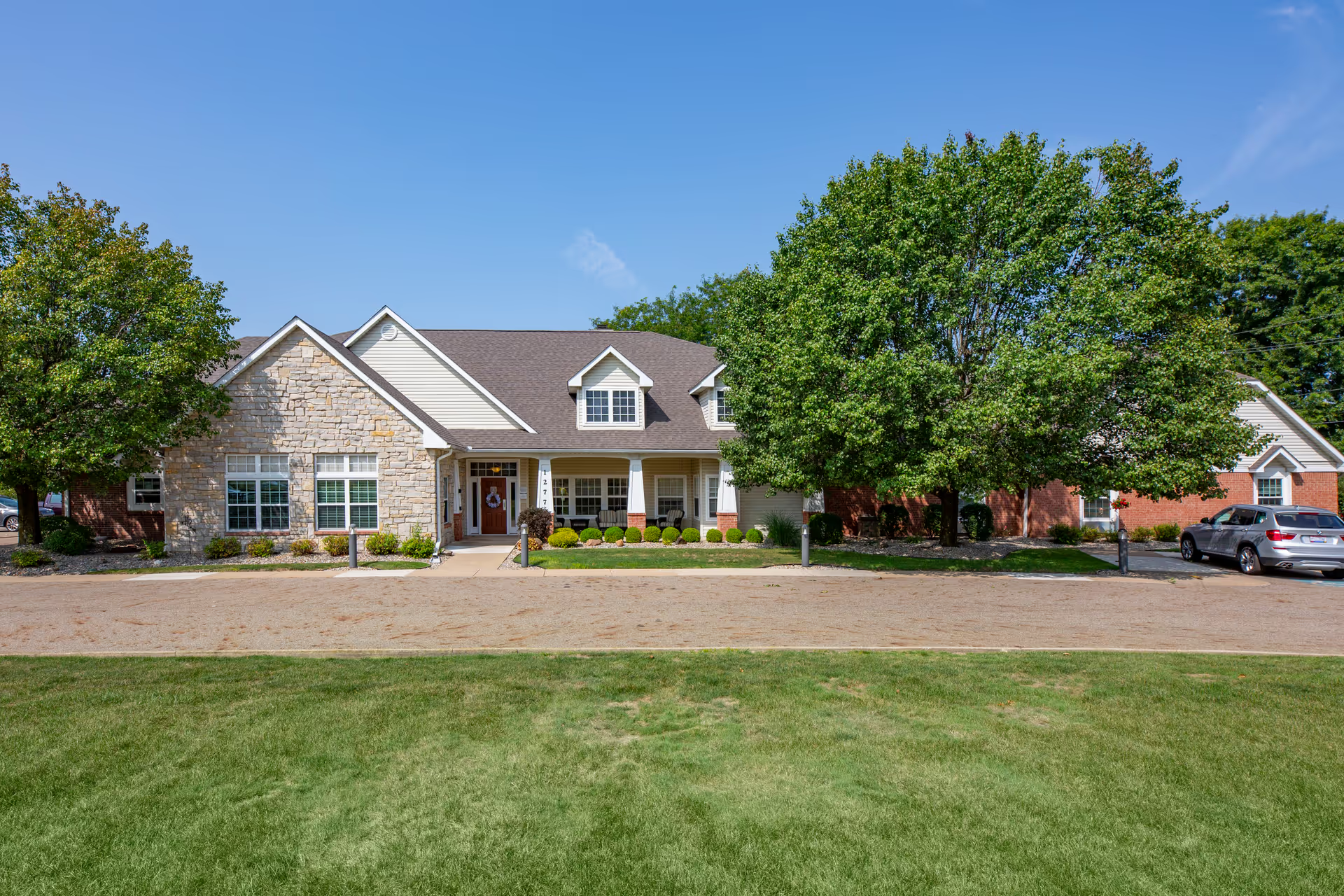
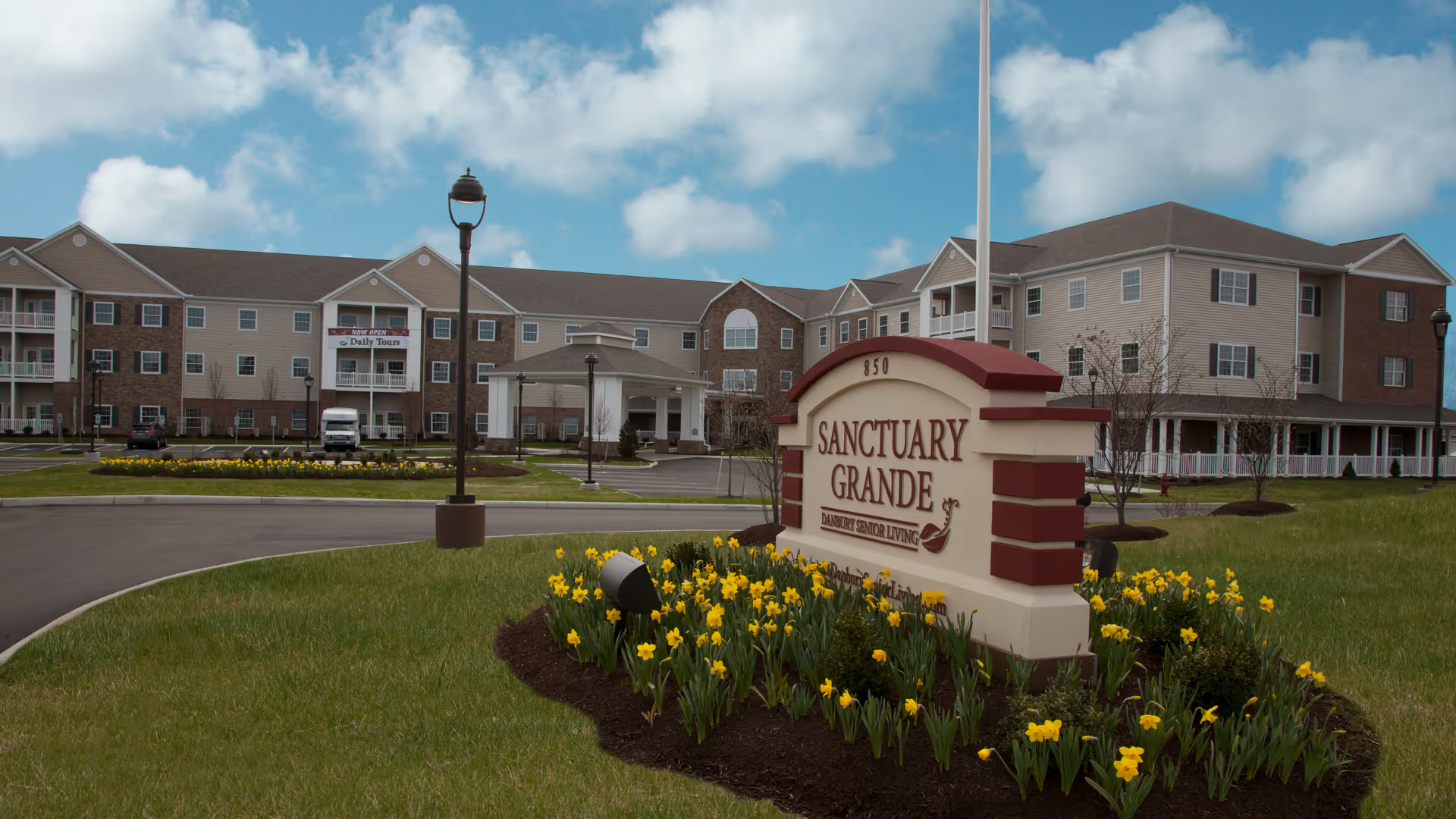
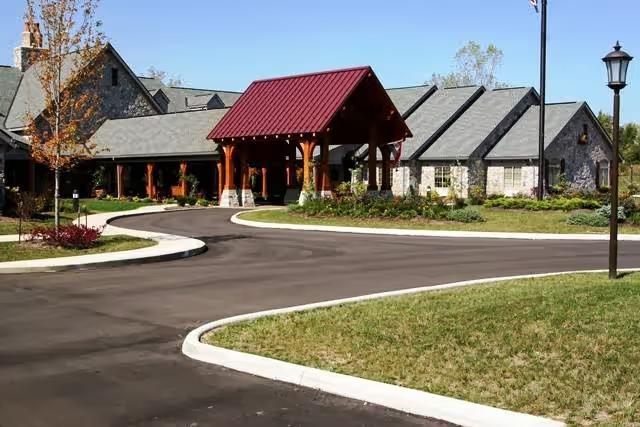
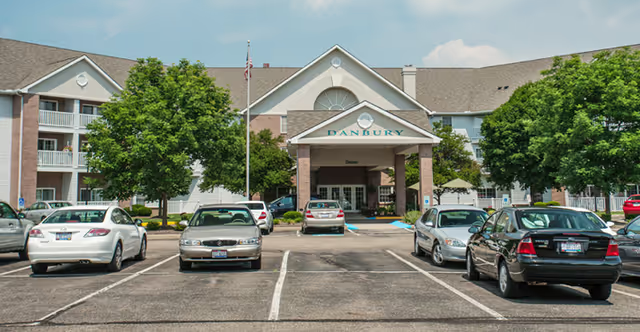
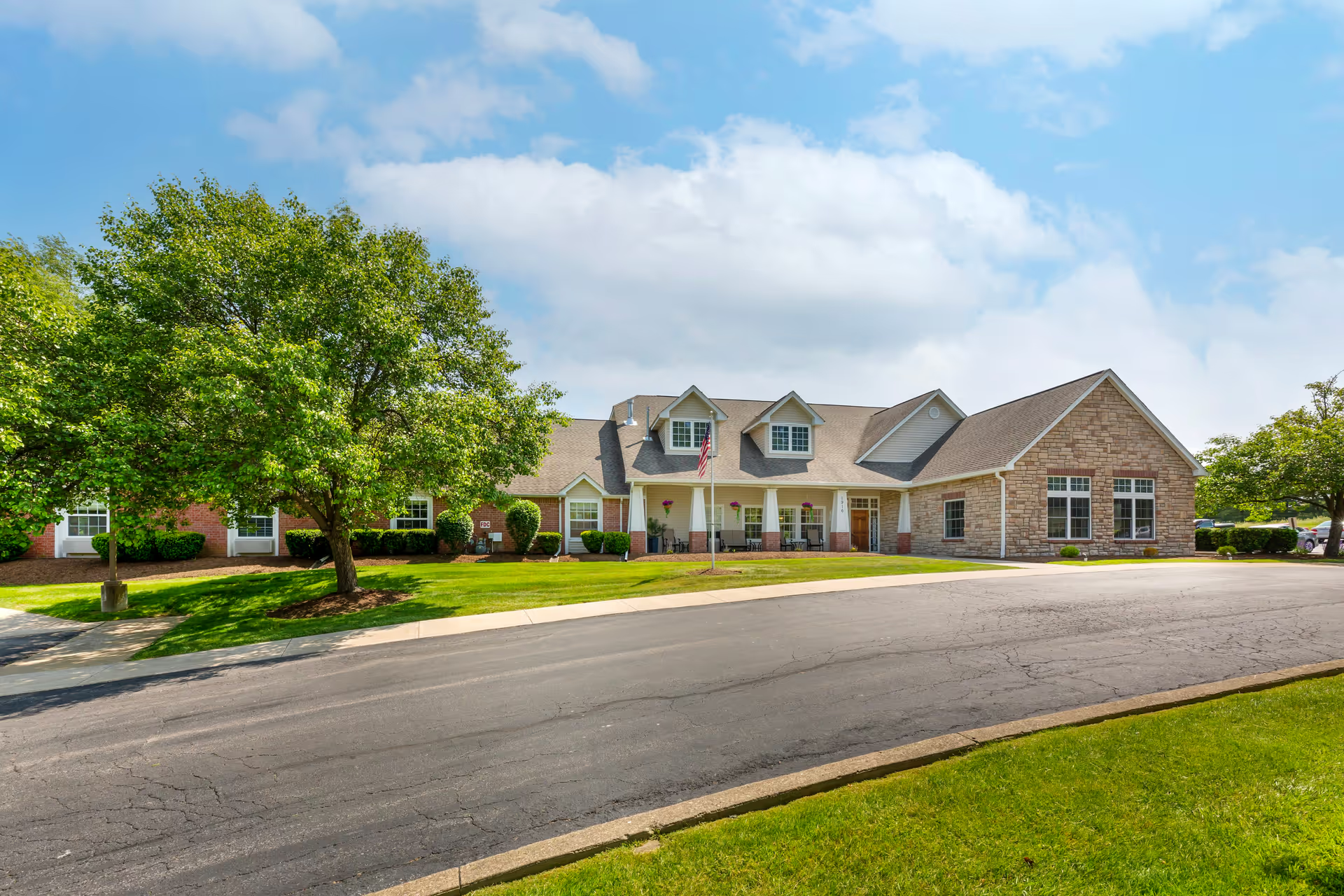
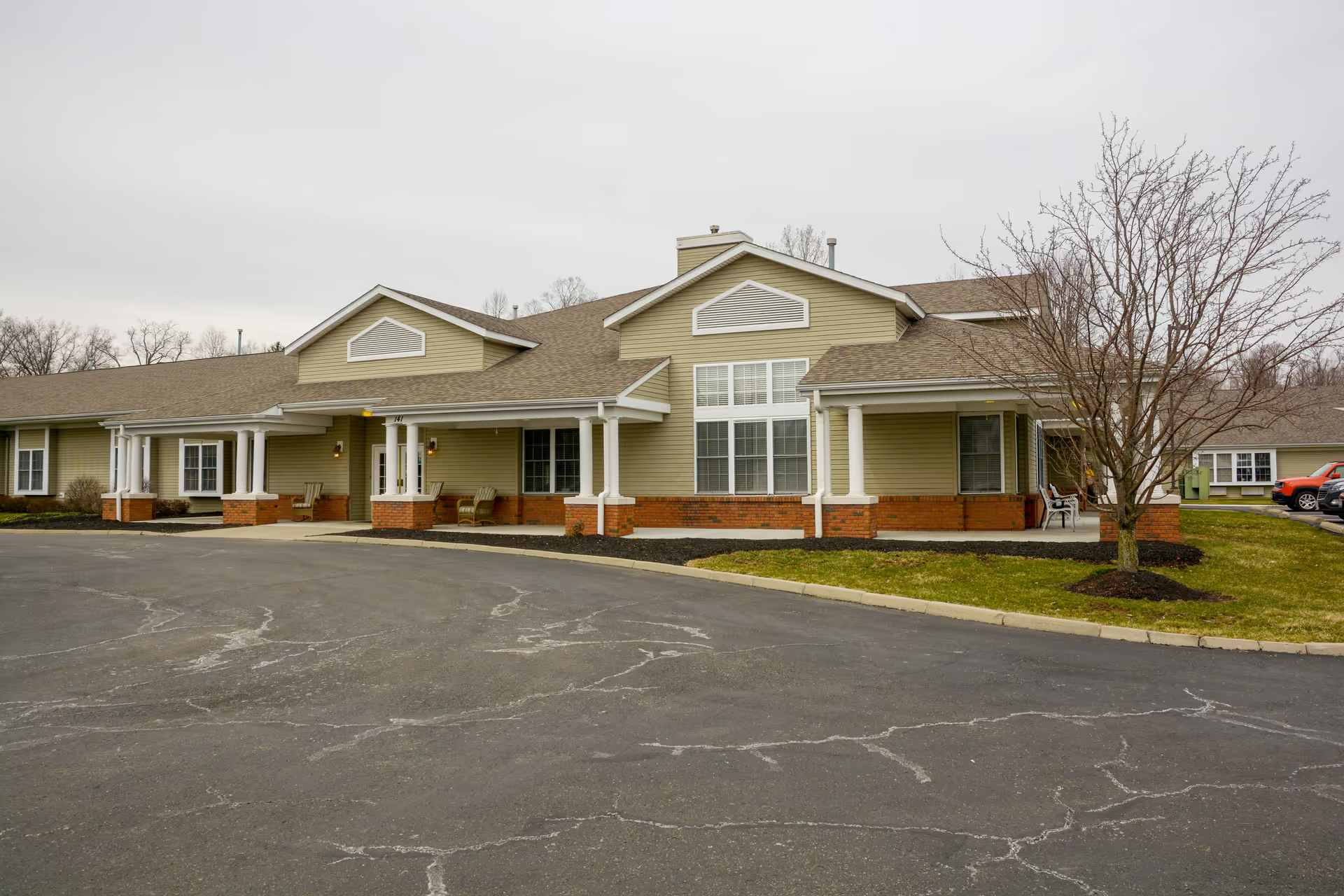
Facilities and housekeeping: The campus exterior and common areas are described as attractive, quiet, and well-kept, with secure entry and multiple seating areas. Yet there are operational concerns about cleanliness and sanitation in some resident rooms and bathrooms, and occasional odor concerns in hallways. Several accounts describe problems during move-in transitions—rooms left insufficiently prepared, delayed housekeeping responses, and issues with laundry handling (missing items or mix-ups). There are also comments about aging rooms and a need for cosmetic updates and clearer individual climate controls.
Management and oversight: Admissions coordination receives positive mention for being helpful and communicative in some cases, but family communication and responsiveness from management are not uniformly reliable. Multiple reviewers reported problems escalating issues or obtaining timely remediation. There are also one or two serious procedural concerns raised about inspection practices; these are noteworthy and should prompt verification with regulatory records and the ombudsman where appropriate.
Patterns and recommendation: The reviews form a polarized pattern—many families report excellent, reassuring care and a warm, small‑community feel, while others describe significant operational lapses that materially affect resident comfort and safety. This suggests the facility can provide high-quality care but may have variability depending on unit, shift, or timing. Prospective residents and families should tour at different times of day, inspect the specific room they would occupy, ask about staffing ratios and recent turnover, review medication-administration protocols, confirm dietary accommodation procedures, and inquire about recent inspection history and corrective actions. Follow-up conversations with the admissions team and current resident families can help gauge consistency before making a placement decision.