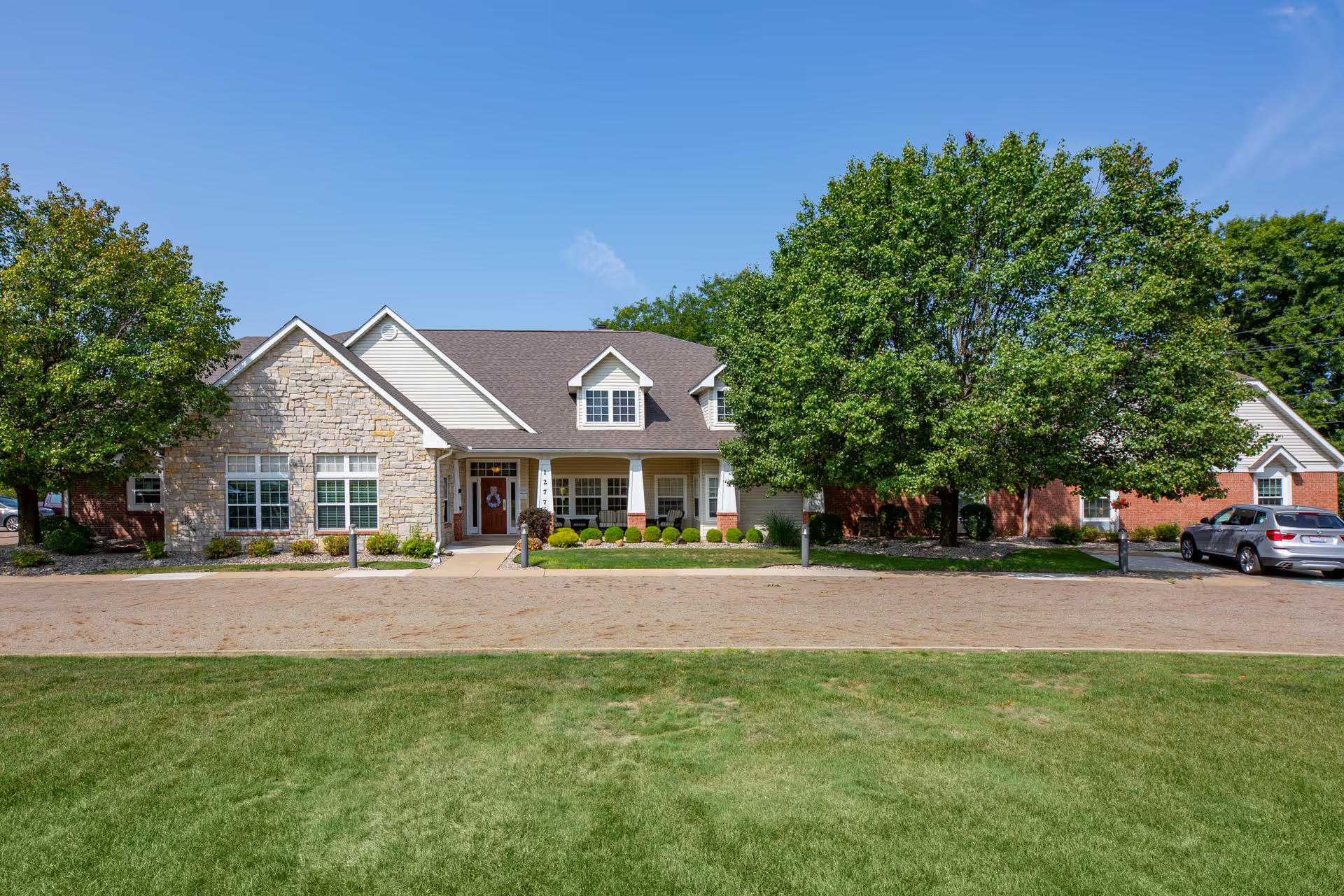
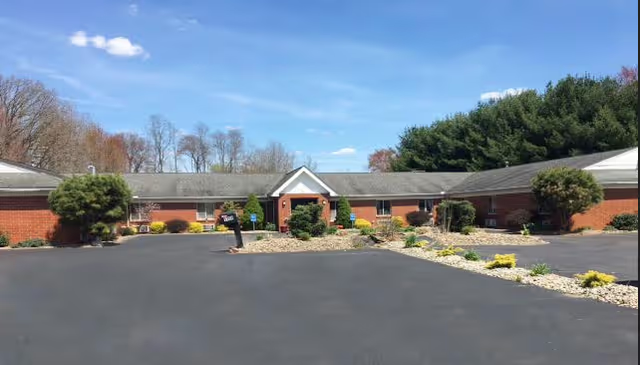
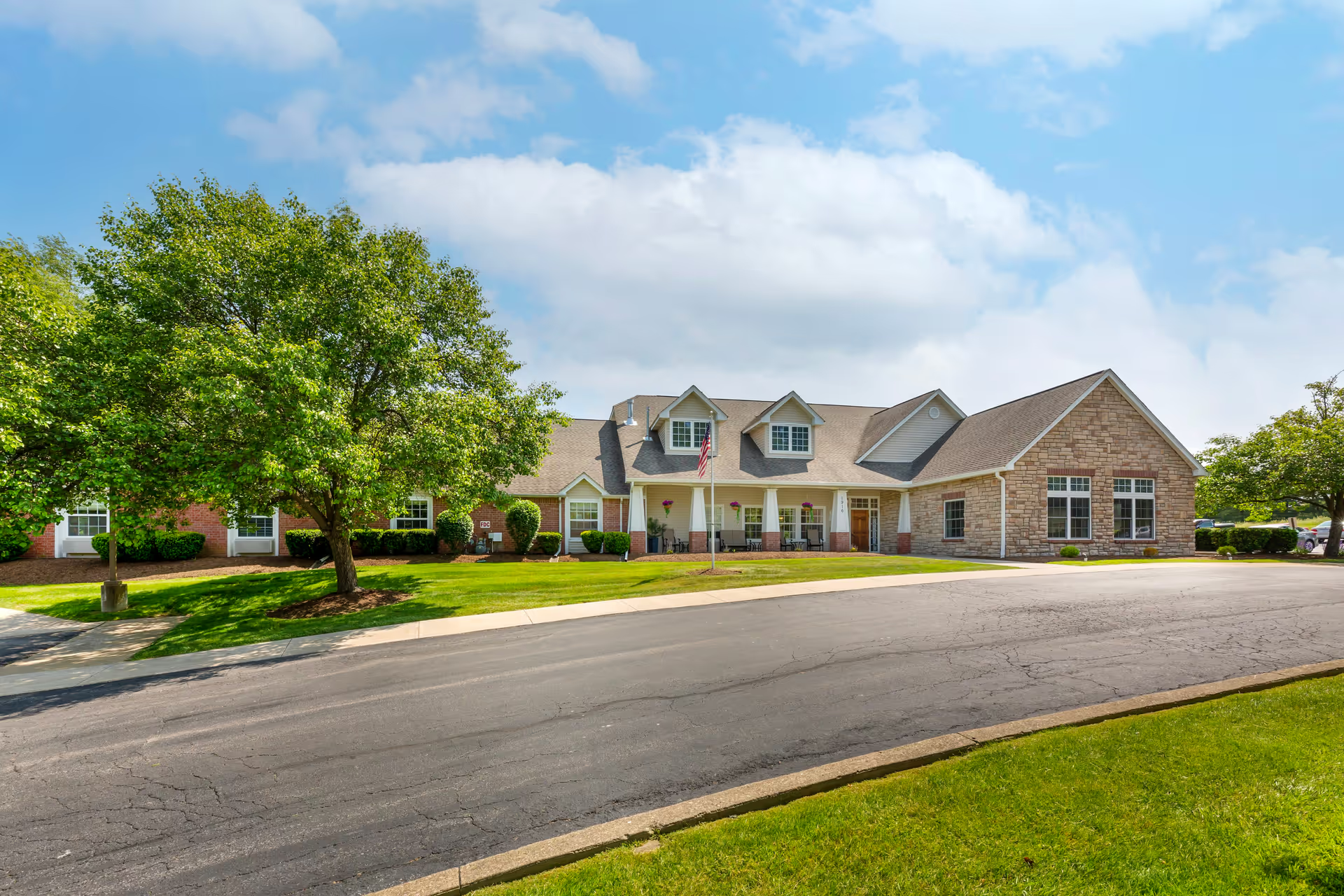
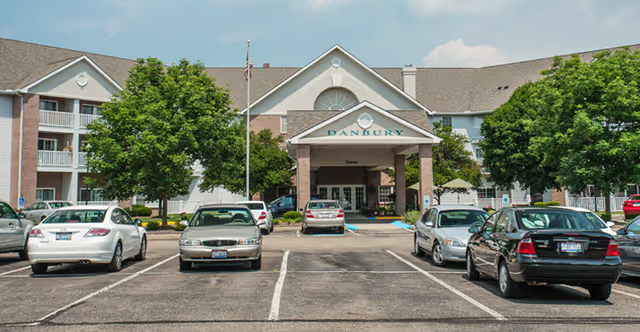
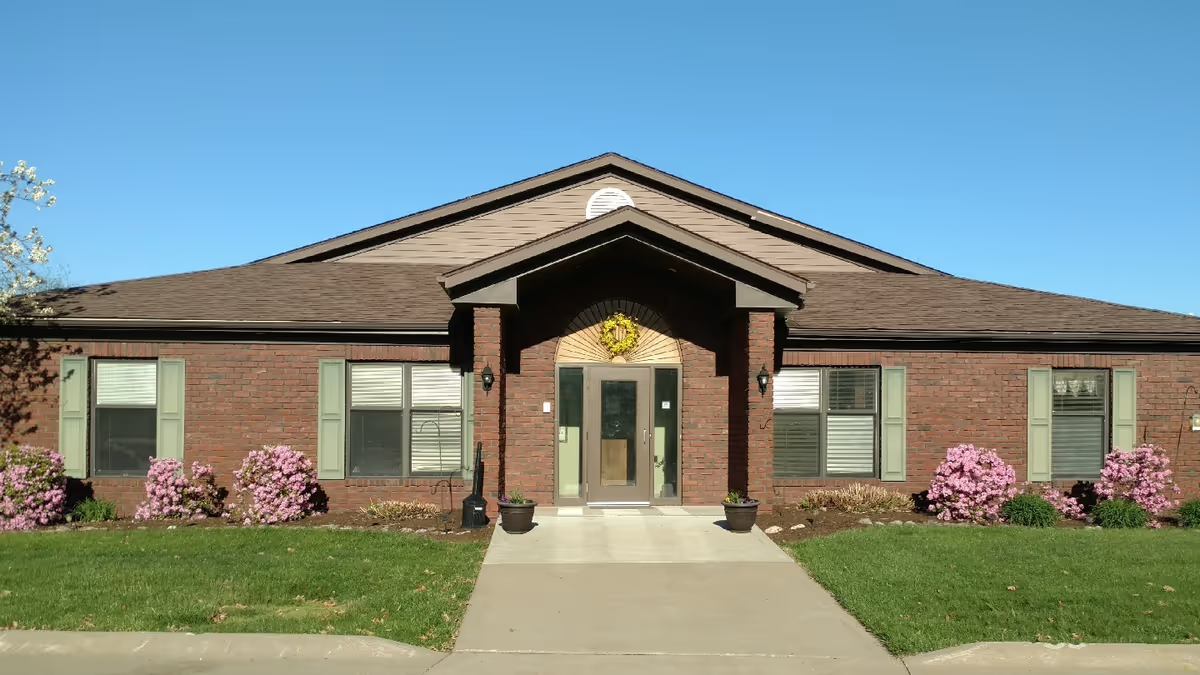
Bel Air Senior Living Community is described across reviews as a small, home-like facility with a strong emphasis on compassionate, individualized care and rehabilitation services. Families and residents frequently praise the caregiving team for personal attention, frequent updates, and emotional warmth; specific caregivers and nurses receive repeated commendations. The facility’s scale and renovated, clean interior contribute to a family-oriented atmosphere that many find comforting. Its location in a residential area and accessible sidewalks also come through as positives.
Activity programming and social opportunities are consistently highlighted. The activity director organizes a broad mix of on-site events (bingo, painting, baking, socials, movie nights, exercise) and off-site outings (shopping and dining trips, occasional bus excursions). Transportation for local trips is available, and staff-led outings are a prominent benefit for residents who remain mobile and engaged.
Dining receives mixed but generally favorable commentary: reviewers note multiple meal choices and home-cooked options, and some families describe good food and attentive dining staff. At the same time, a subset of feedback characterizes meals as institutional-style on occasion, indicating some variability in dining experience.
Facility design and amenities reflect the small-scale model: rooms tend to be compact, and the community uses centralized bathrooms in parts of the building as a safety measure to reduce fall risk. Common areas, patios, and exercise/movie rooms are present and generally well maintained, though reviewers point to specific maintenance needs (furniture repairs) and limited outdoor shelter at smoking/patio areas.
Operationally, two pattern-level concerns recur. First, several reviewers identify inconsistent staffing levels and periods when assistance is delayed (for example, call lights not promptly answered), and staff workload is described as heavy at times. Second, there are concerns related to clinical-incident handling and medication/emergency response, which in some accounts led to hospital transfers; these indicate potential gaps in on-site clinical protocols and family communication during critical events. Relatedly, families note unevenness in staff tone and in the facility’s responsiveness to complaints or requests for remediation.
Cost and ancillary services also surface as considerations: some residents face extra fees for certain phone services or amenity upgrades, which can strain fixed-income households. Prospective residents and families should also assess room size and bathroom arrangement, verify clinical and emergency response procedures, clarify fee structures, and ask about current staffing patterns and recent maintenance/upgrade plans.
Overall, Bel Air presents as a small, community-focused option with strong strengths in personal caregiving, rehabilitation, and engagement programming. Those strengths are balanced by operational areas to probe further on a tour — notably staffing consistency, clinical response protocols, room layout and bathroom availability, maintenance plans, and total cost of residency including ancillary fees.