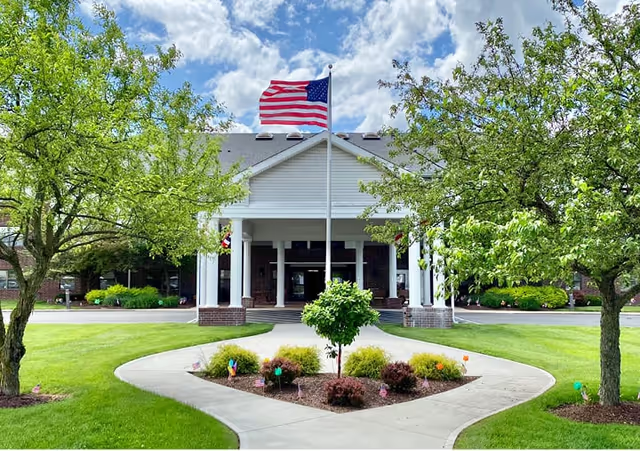
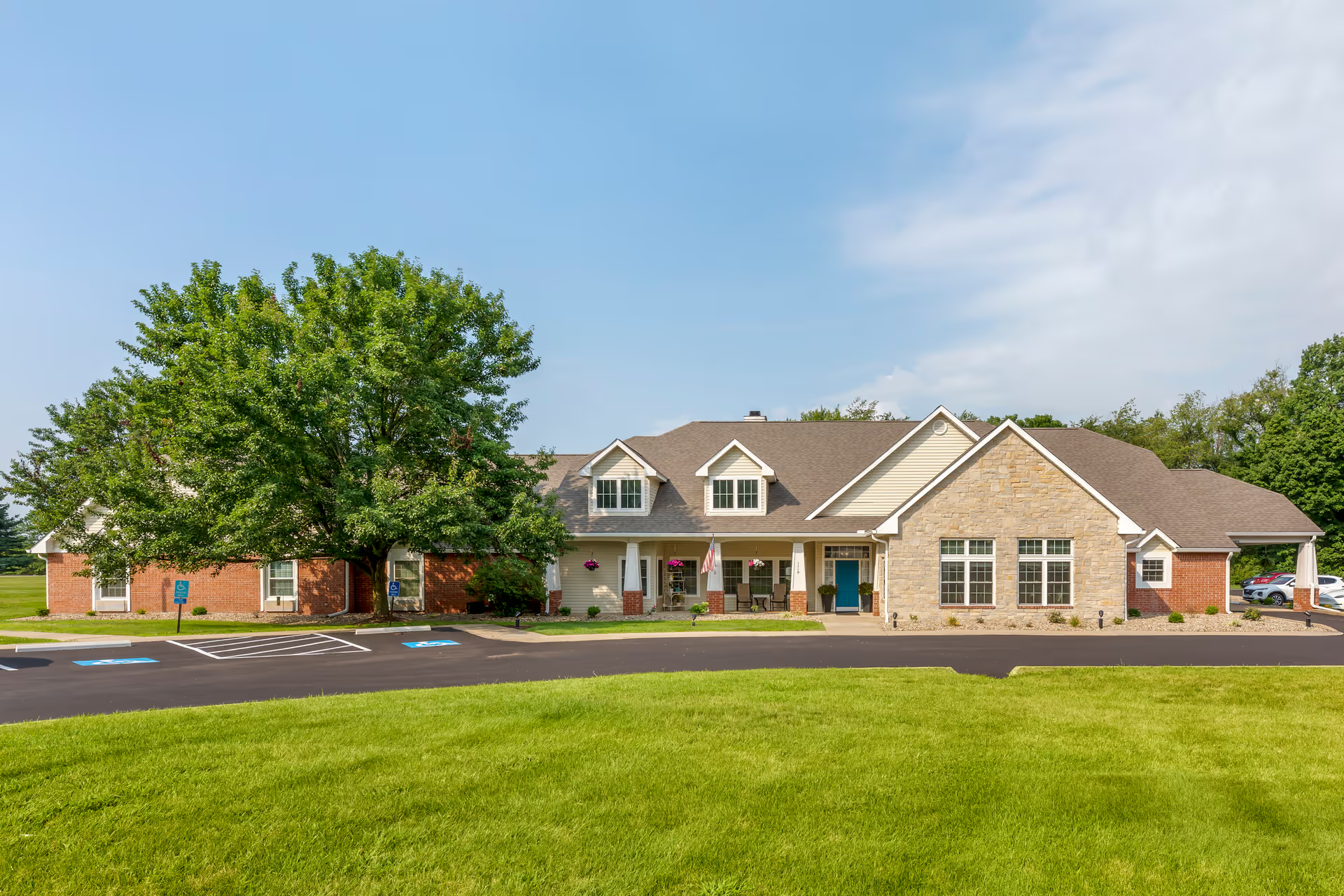
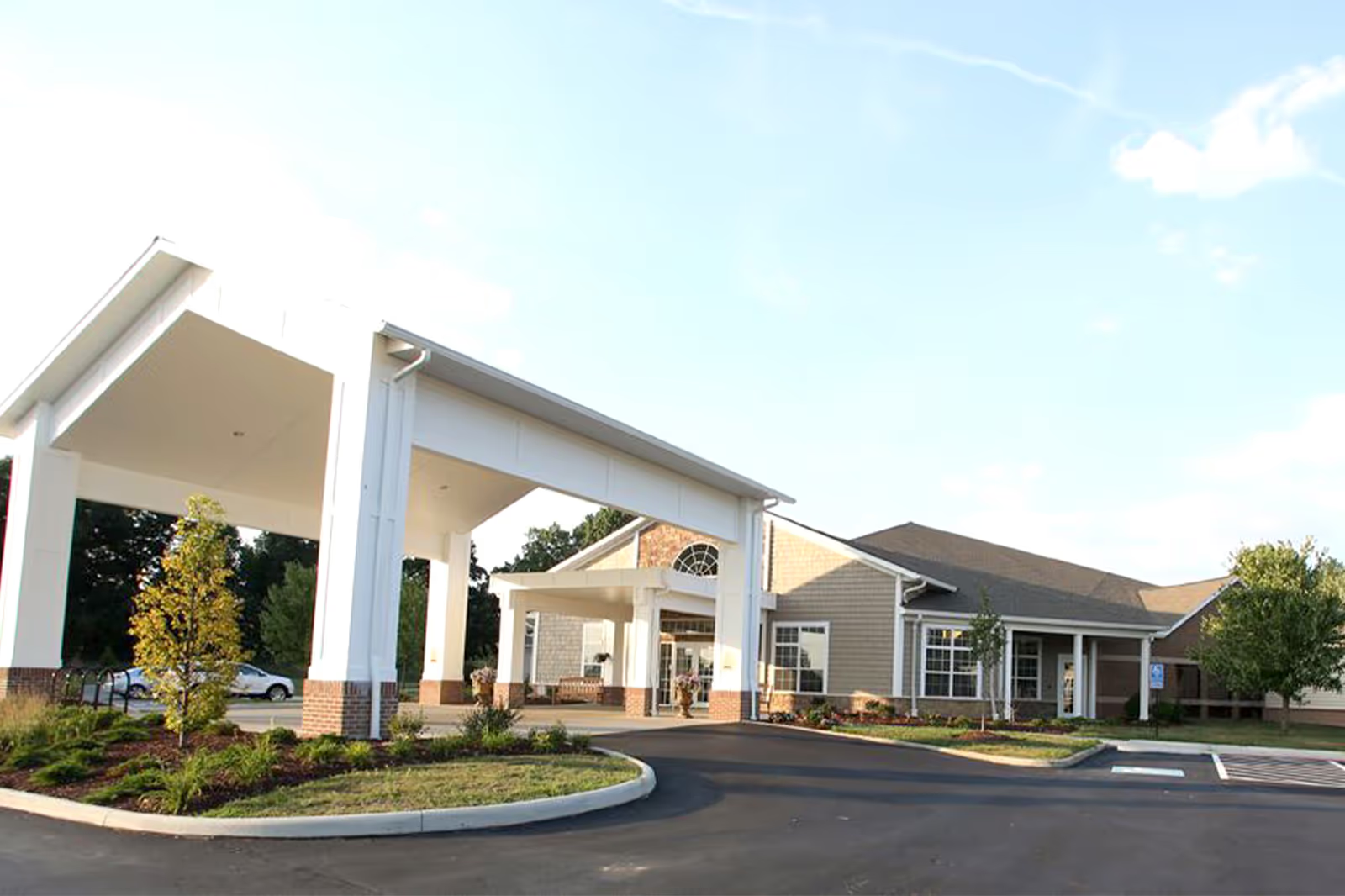
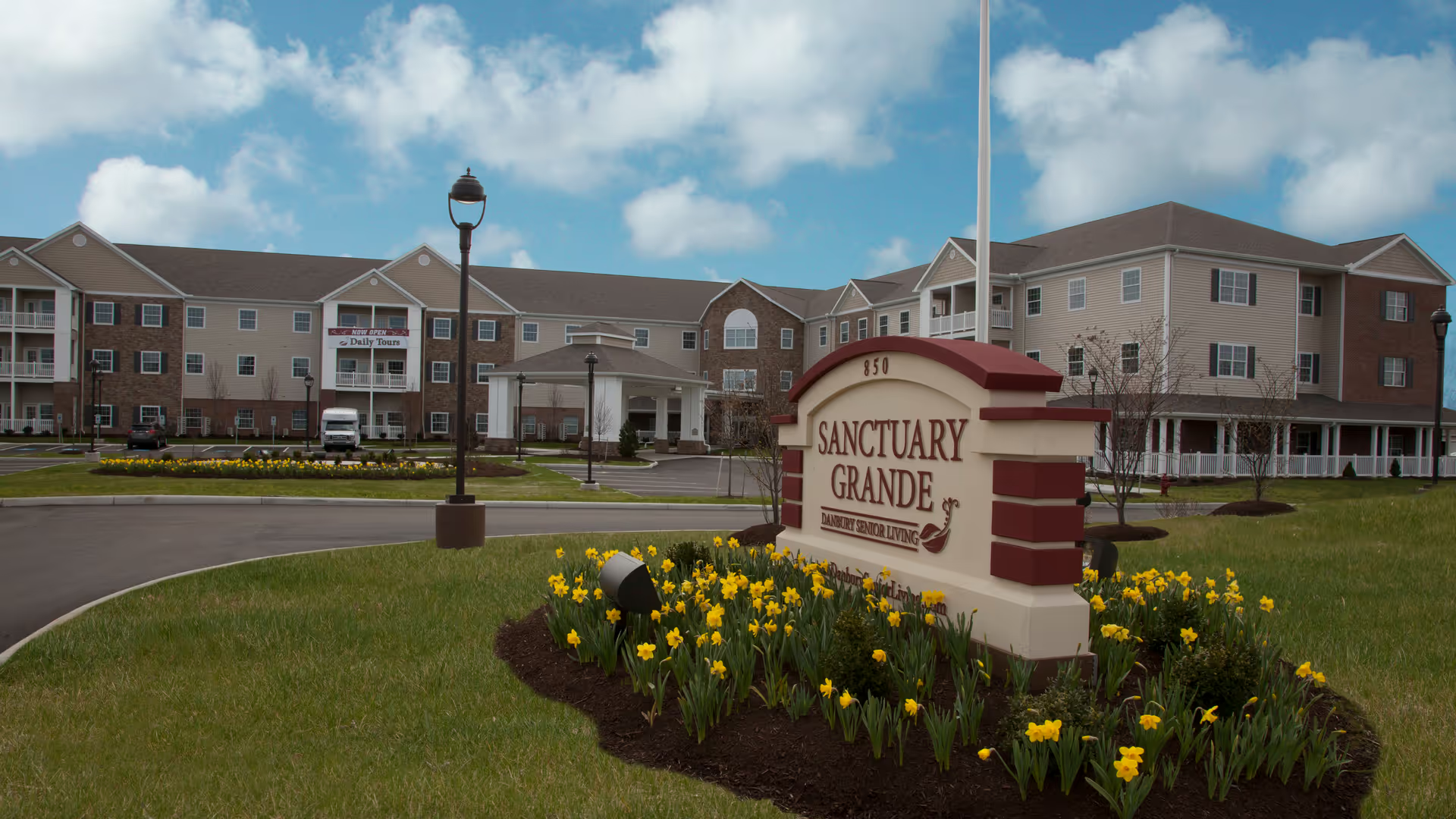
Allay Senior Care of Meyers Lake presents as a small, memory-care–focused community with many families praising its compassionate, individualized approach. A repeated strength is the staff’s person-centered demeanor: caregivers and administrators are described as attentive, kind, and willing to accommodate family preferences. The facility’s small scale and two-building layout contribute to a home-like atmosphere, closer resident relationships, frequent one-on-one attention, and easy family engagement. The admissions and administrative team is frequently singled out for proactive communication and hands-on assistance, including support for virtual visits and facilitating family presence during end-of-life periods.
Care quality is generally characterized by strong dementia-appropriate practices and active efforts to preserve dignity and engagement. Families note effective activity programming (music therapy, crafts, outings, monthly family nights, and volunteer/group events) and consistent efforts to stimulate residents at varying ability levels. Visiting clinicians and an on-call doctor arrangement are reported, and many families describe improved mood, reduced agitation, and better nutrition in that context. The campus’ outdoor spaces — a gated courtyard, patio and park-like setting — are viewed as important assets for residents’ mobility and socialization.
Notwithstanding these positives, reviews indicate operational weaknesses that prospective families should weigh. Several comments point to limited on-site nursing coverage and uneven clinical oversight, with instances of aides taking on medication tasks that reviewers felt exceeded their scope. These experiences translate into facility-level concerns about medication administration processes, clinical monitoring (for example, blood-glucose checks), and overall nursing availability, particularly overnight. Relatedly, staff shortages and aide turnover are cited as recurring issues that affect consistency of care and the training/supervision of direct-care personnel.
Food-service impressions are mixed: the community provides three meals and snacks and some families praise meals, but others describe variable quality and use of prepackaged items. Physical plant considerations are similarly mixed. The exterior and outdoor areas are frequently praised, while interior space is described as older or constrained in places — small rooms, limited restroom access in some areas, and occasional cleanliness or odor concerns during understaffed shifts. A few serious individual allegations were made about medication security and impaired staff behavior; those reports suggest the importance of verifying current staffing practices and regulatory history during a tour.
In sum, Allay Senior Care of Meyers Lake appears to offer strong, empathetic memory-care services in a small, community-oriented setting with active programming and engaged administration. Prospective residents and families should balance those strengths against operational caveats: confirm present nursing coverage, medication-management protocols, staff training and turnover rates, meal-service formats, and space/layout needs during an in-person visit. Asking for recent staffing rosters, medication administration policies, infection-control records, and a walk-through of typical resident rooms and common areas can help clarify whether the community matches a family’s clinical and lifestyle expectations.