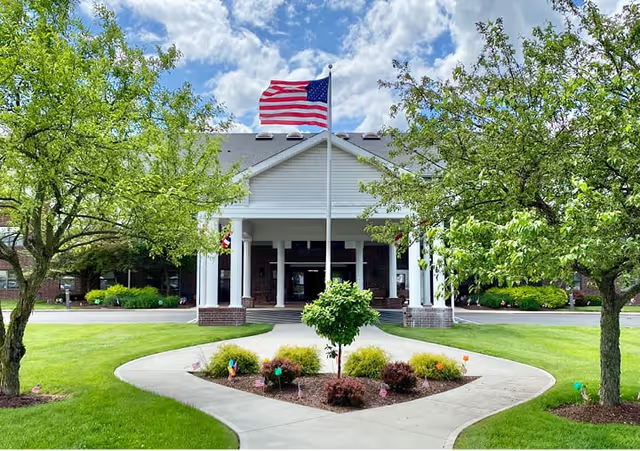
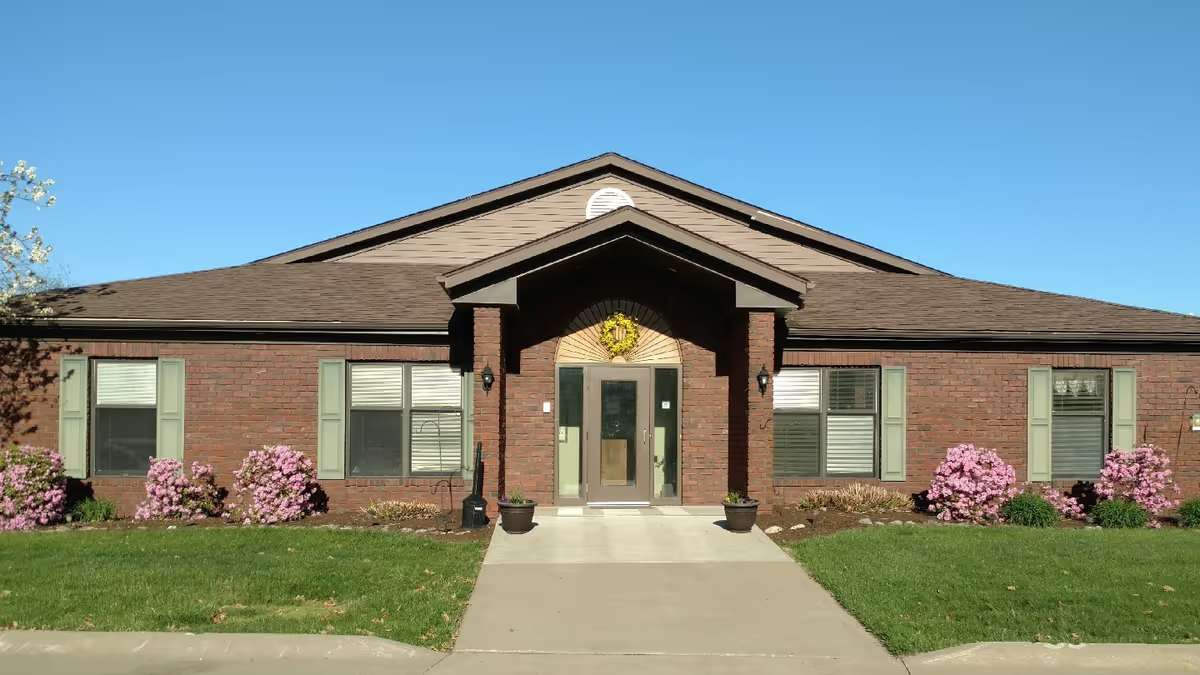
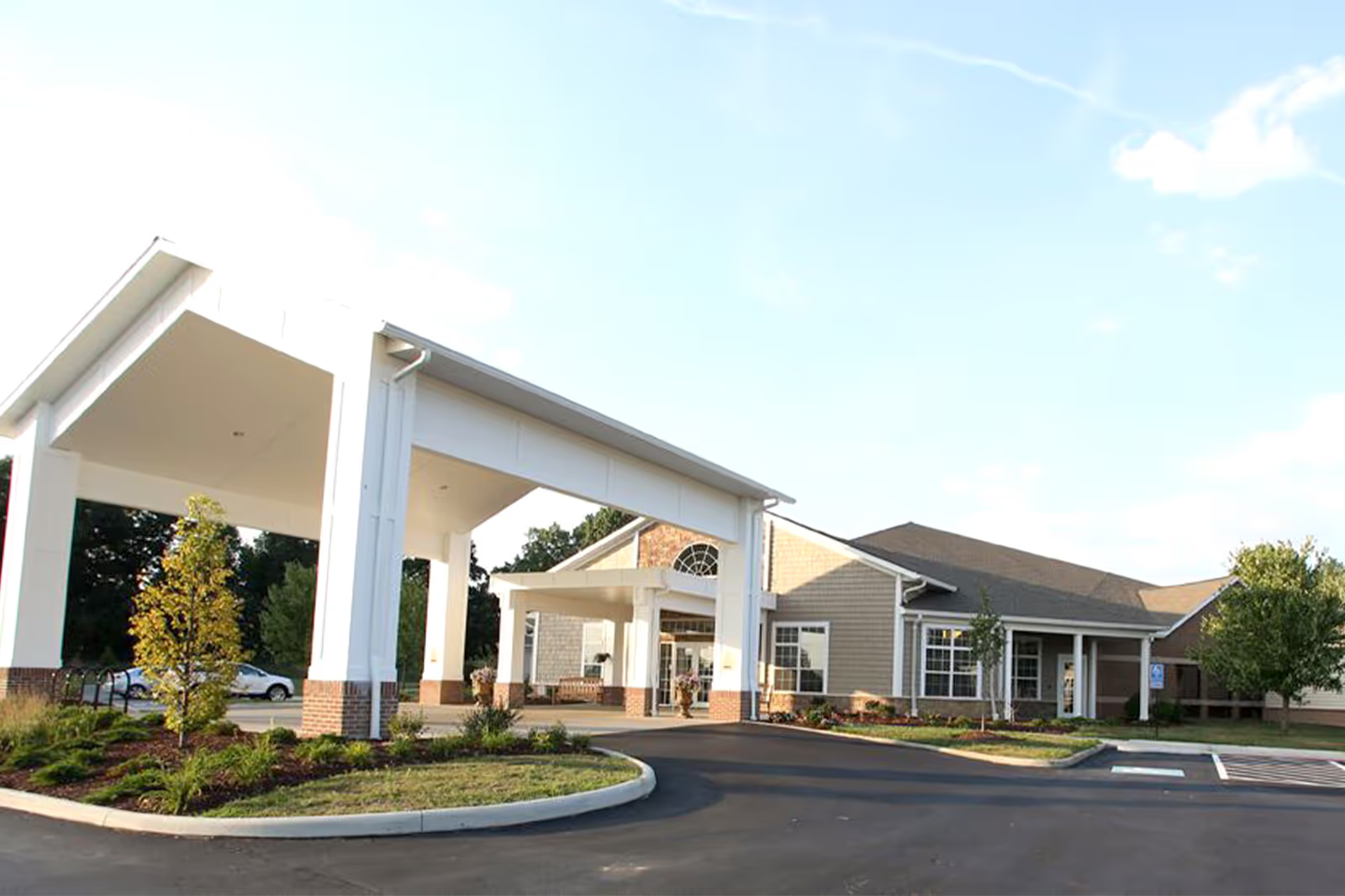
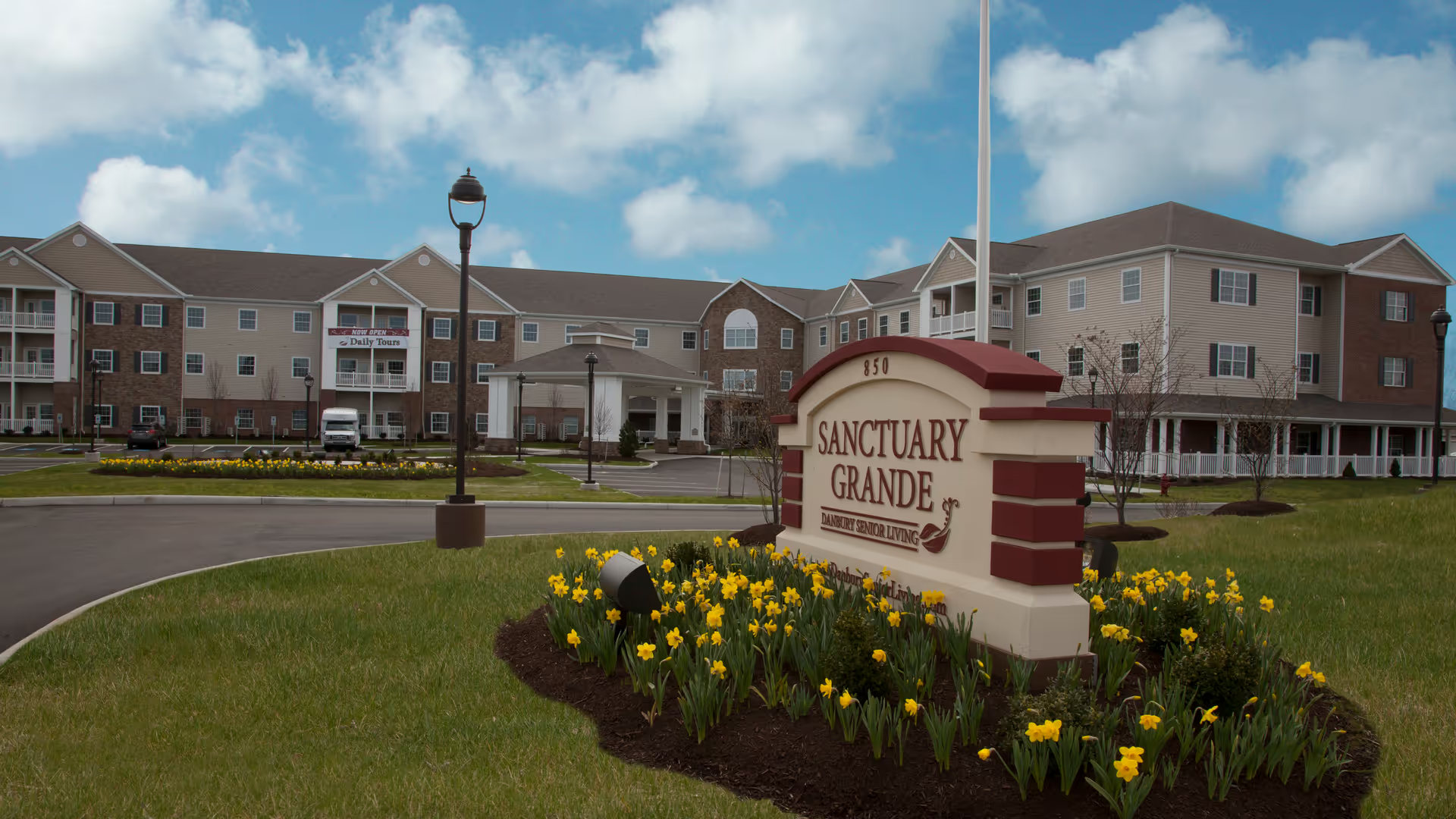
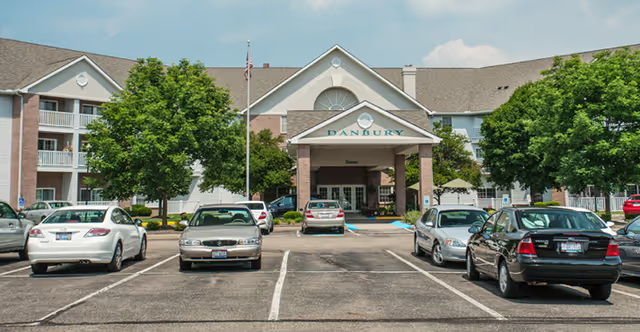
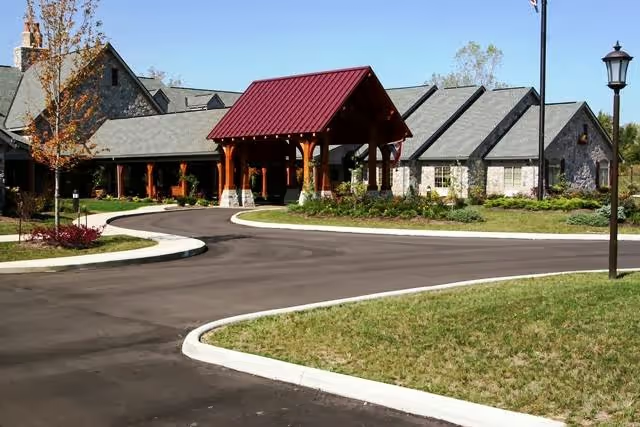
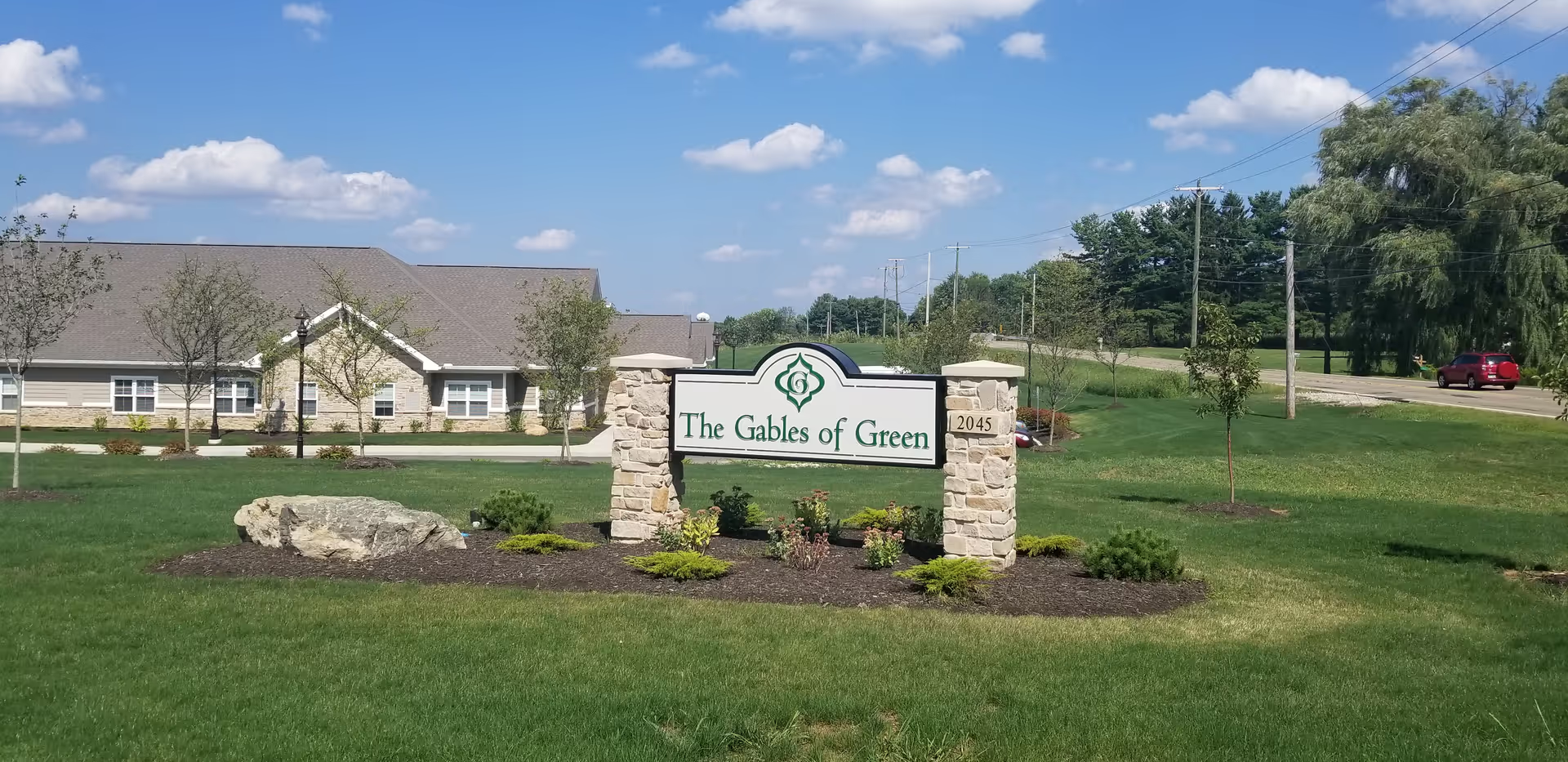
Brookdale Canton is portrayed consistently as a small, single-story assisted living community with a home-like feel, strong cleanliness standards, and a high degree of personal attention from staff. Reviewers emphasize the advantages of the facility’s size: easier navigation, a close-knit resident population, and continuity of caregivers. The facility’s physical layout — a central courtyard, sunroom and garden plots — is frequently cited as a positive feature that supports resident orientation, outdoor access and light exposure.
Care quality and staffing are generally described as strengths. Families frequently note attentive, affectionate staff and consistent caregivers who know residents’ preferences and medical needs. On-site clinical resources such as 24/7 nursing coverage, therapy services, periodic physician visits and rehab support are available, which supports residents with routine medical and rehabilitative needs. That said, the community appears to have limits when it comes to very high-acuity or advanced memory-care needs; several accounts indicate the setting is better suited to assisted living than to more intensive dementia or end-of-life care.
Dining experiences receive mixed but largely positive comments. Many reviewers praise freshly prepared meals and accommodating kitchen staff; others describe inconsistent meal quality depending on cook turnover or menu changes. The community offers both communal dining and in-room meal options, and the dining area is described as bright and well-furnished. Families should expect variability in individual taste preferences and occasional menu adjustments.
Activities and social programming are active relative to the community’s scale: daily offerings include bingo, card games, crafts, exercise classes (including chair Zumba), puzzle tables, music programs and some offsite lunches or casino trips. The small population supports frequent in-house events and social interaction but also limits the breadth of programming. Several reviewers expressed a desire for more offsite outings and a wider variety of activities, noting that some programs appear targeted toward particular demographics.
Facilities are described as clean and well-kept, with apartment-style units that can be personalized and often include kitchenettes or small kitchen areas. Units vary in size and reviewers frequently mention that some floorplans are compact; prospective residents should evaluate unit square footage relative to furniture and mobility needs. Security measures such as keypad entry and locked exits are in place and are viewed positively for resident safety.
Management and communication receive generally favorable remarks: staff and executives are described as responsive, accommodating and family-oriented, with many examples of proactive problem resolution. However, a minority of accounts point to occasional lapses in follow-up, variable nurse communication, and times when additional aides would have been helpful. Cost and contract considerations also appear: reviewers note annual cost increases and occasional affordability concerns.
Notable patterns for prospective residents and families: Brookdale Canton tends to work best for people who value a smaller, community-oriented environment with consistent staff, on-site clinical support for routine needs, and active in-house programming. It may be less suitable for those requiring intensive memory-care services, larger living spaces, or a high volume of offsite programming. Families should clarify expectations about overnight routines, activity variety, meal preferences, and contract escalation clauses during touring and the move-in process.