LSS The Good Shepherd Skilled Nursing and Rehabilitation receives many strong endorsements for clinical rehabilitation, therapy services, and compassionate bedside care. Families frequently praise the therapy teams (PT/OT/speech) for measurable mobility and functional gains, note effective respiratory and trach/vent support, and credit social work and care coordinators for facilitating successful discharges and transfers home. Several accounts highlight attentive aides and nurses who provide frequent updates and a family-style atmosphere, as well as positive experiences with hospice and end-of-life care.
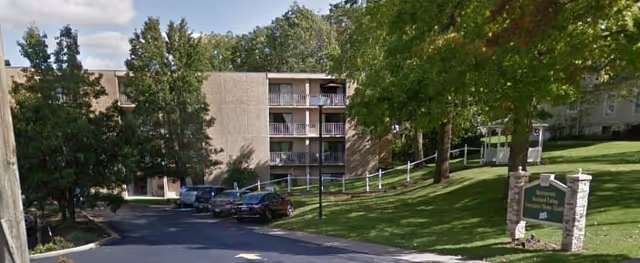
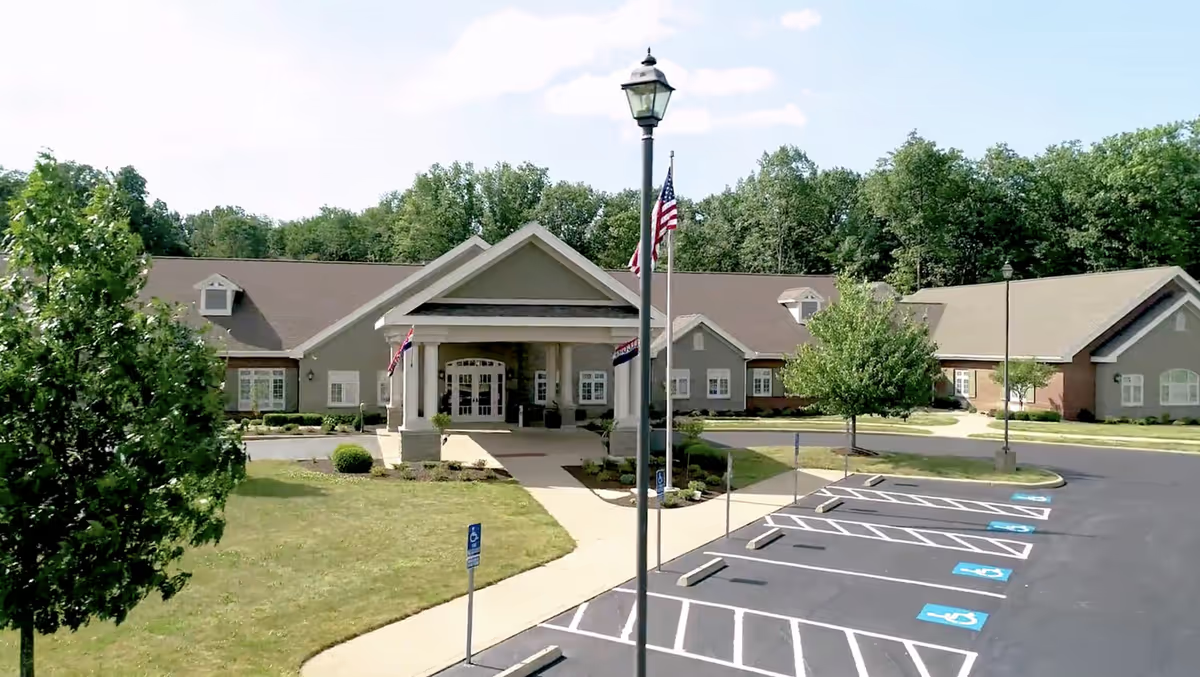
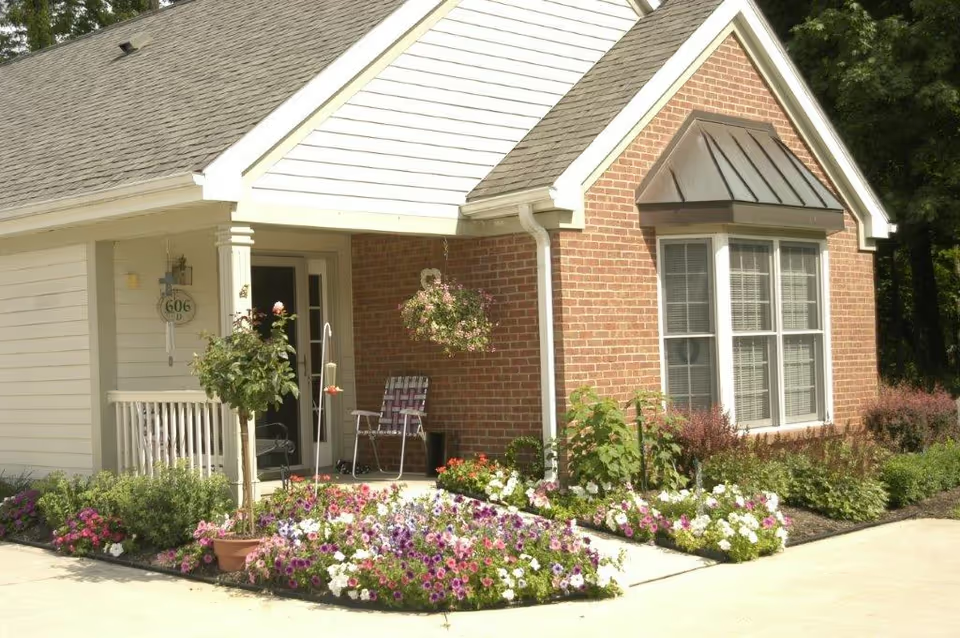
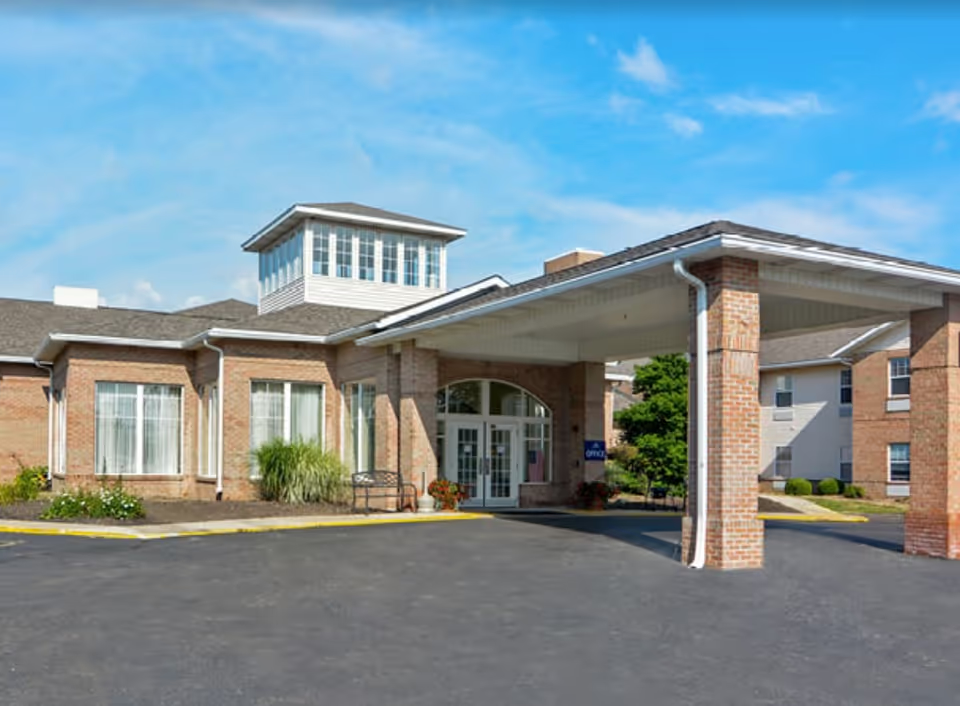
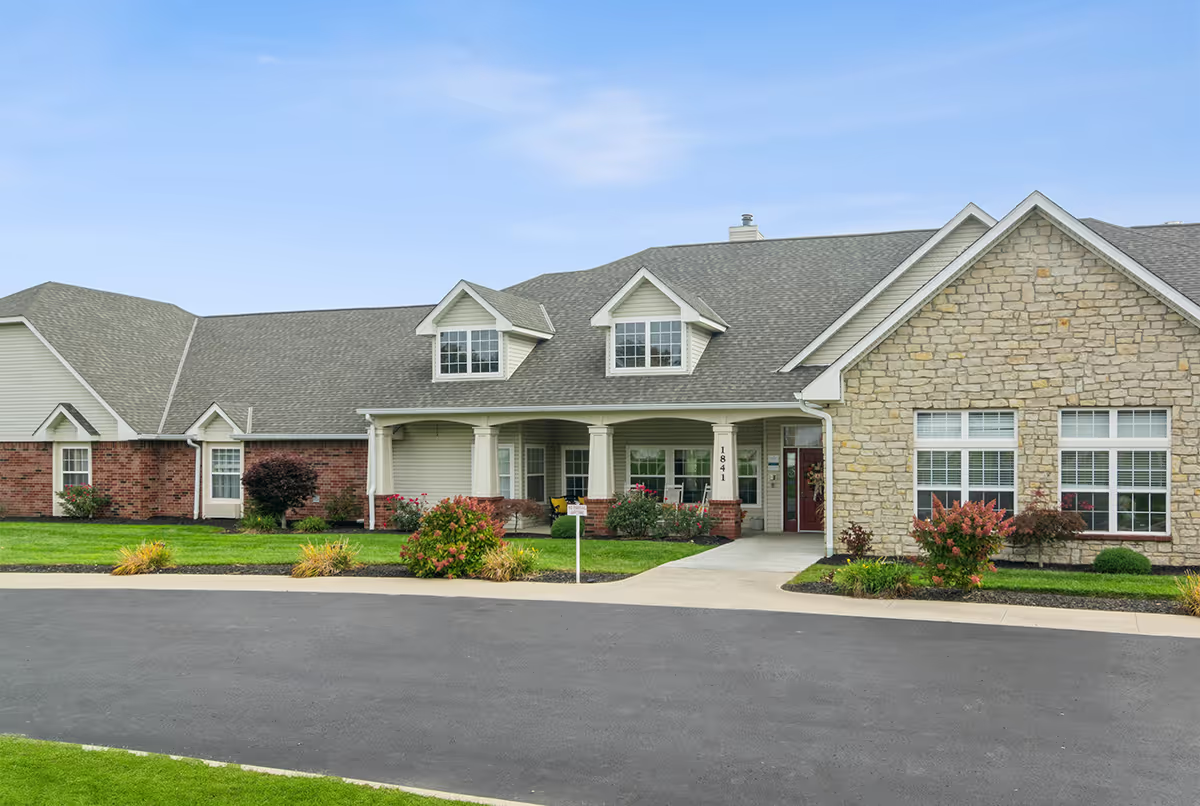
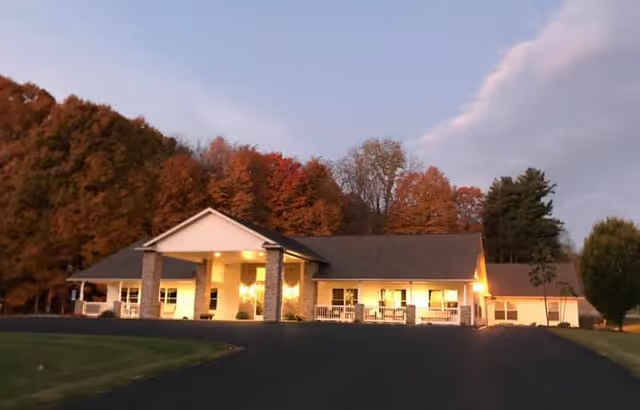
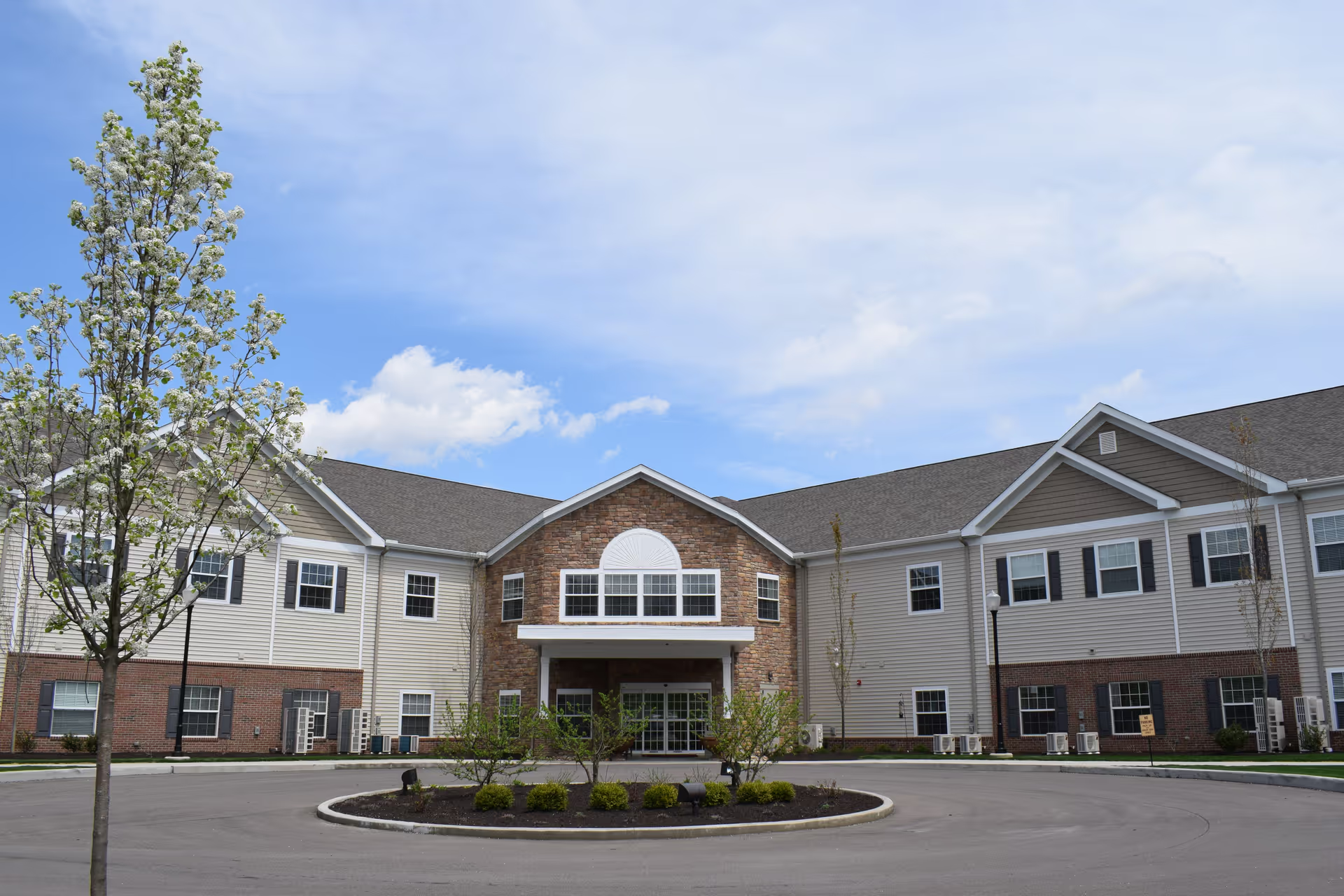
Dining, activities, and the physical environment are repeatedly cited as positives. Reviewers describe generally nutritious, well-liked meals, a range of activities that support social engagement, convenient facility navigation, and clean, well-maintained common areas. Additional clinical resources such as on-site dialysis and knowledgeable respiratory therapists add to the facility’s strengths for residents with complex needs.
At the same time, the reviews reveal operational inconsistencies that prospective residents and families should consider. While many staff are described as compassionate and skilled, there are recurring remarks about variable professionalism among frontline caregivers and supervisory staff; this variability appears to affect resident experience across different units and shifts. Related concerns include documentation inaccuracies and limited on-site availability of physicians and nurse practitioners, which can complicate care coordination and raise questions about clinical oversight.
Other patterns include delays in responsiveness to resident needs, selective cleanliness and odor-control problems in certain areas, and occasional environmental safety and maintenance issues. Several accounts raise concerns about medication and behavior-management practices, including use of sedating medications to manage behaviors, and describe instances of a racially discriminatory atmosphere that made some families and residents uncomfortable. Management communication and the tone of responses to family complaints are also noted as areas needing improvement, and references to staff turnover or morale challenges suggest staffing instability that may affect consistency of care.
In summary, the facility demonstrates clear strengths in rehabilitation, therapy outcomes, family communication, and compassionate end-of-life care. However, those strengths coexist with operational weaknesses—primarily variability in staff professionalism, gaps in clinical oversight and documentation, and intermittent cleanliness, safety, and cultural-sensitivity concerns. Families considering this facility should arrange an in-person tour that includes observation of staff–resident interactions across shifts, inquiries about physician/NP coverage and medication practices, review of care-plan and documentation procedures, and checks of unit-level cleanliness and safety measures before making a placement decision.