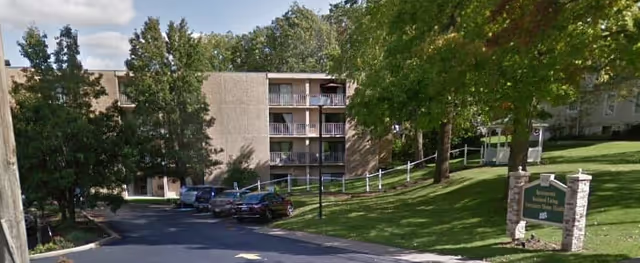
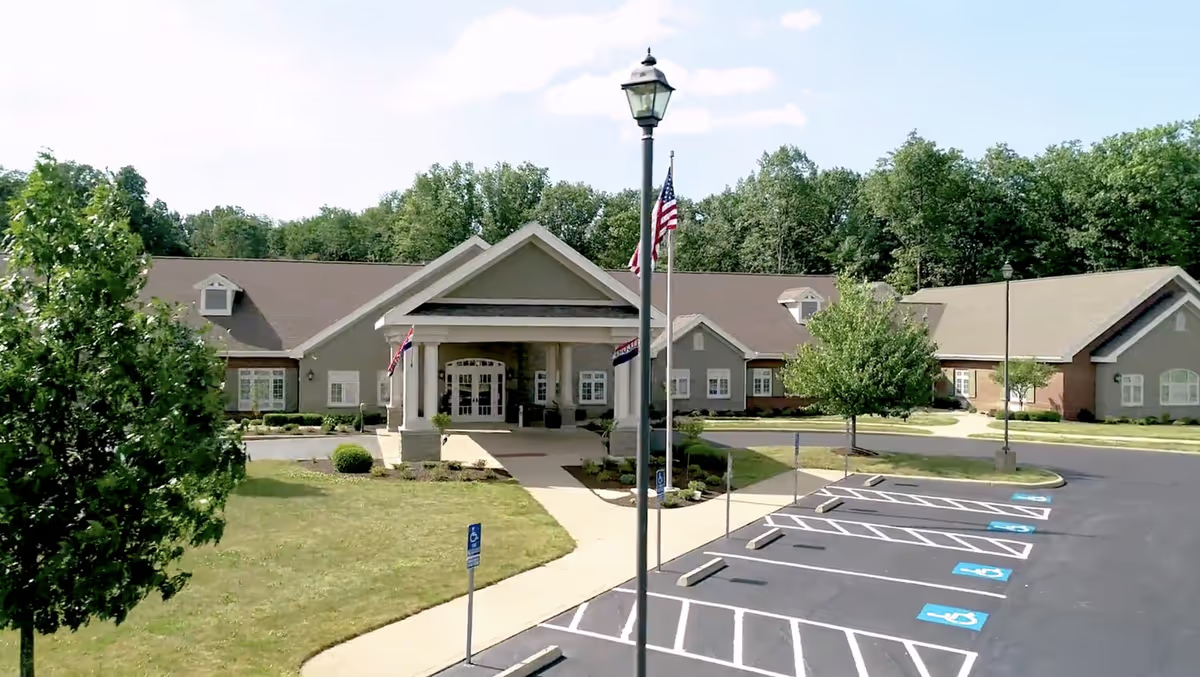
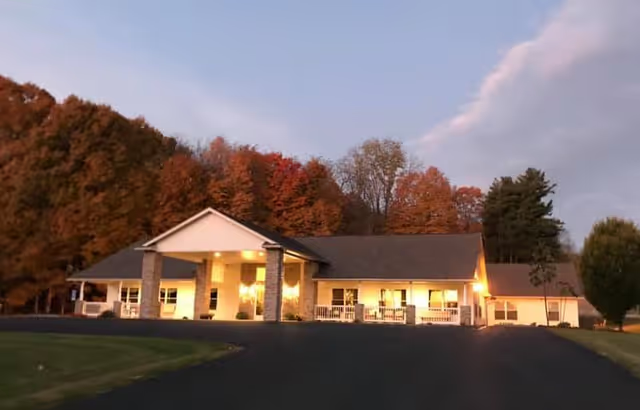
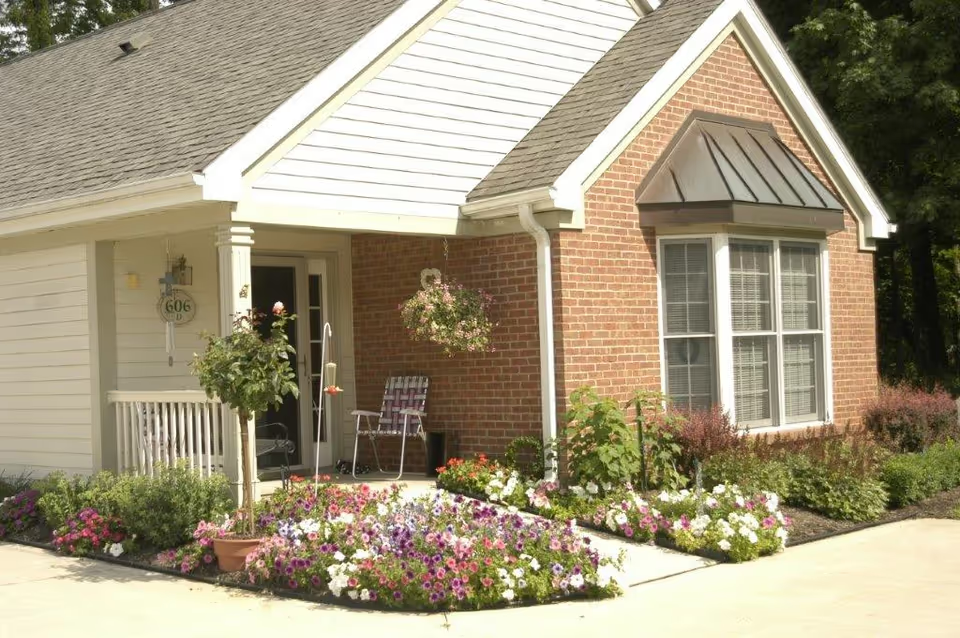
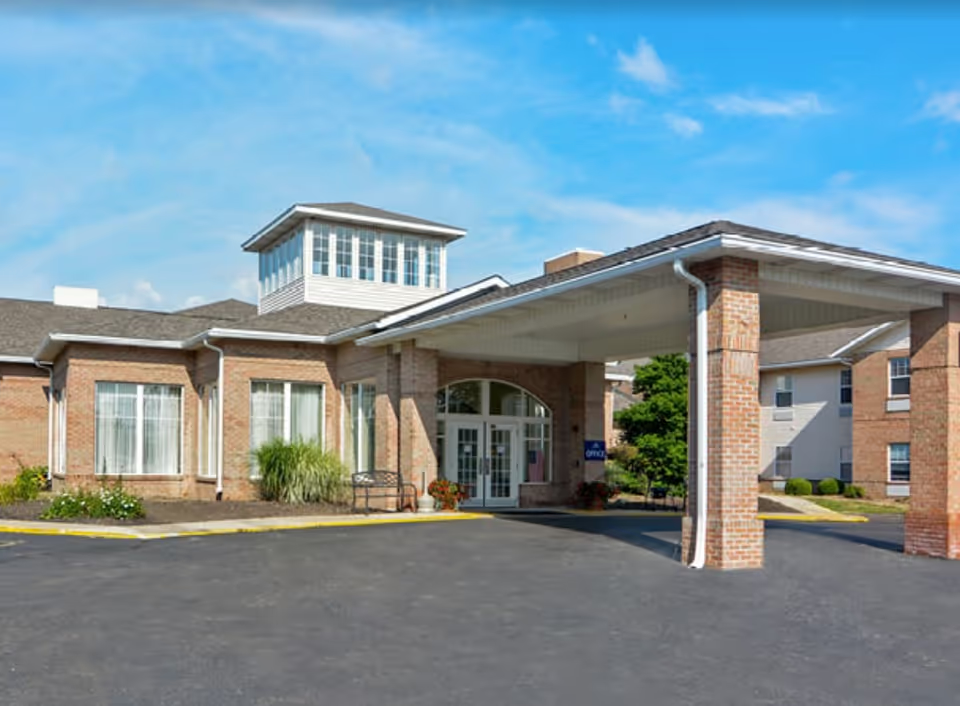
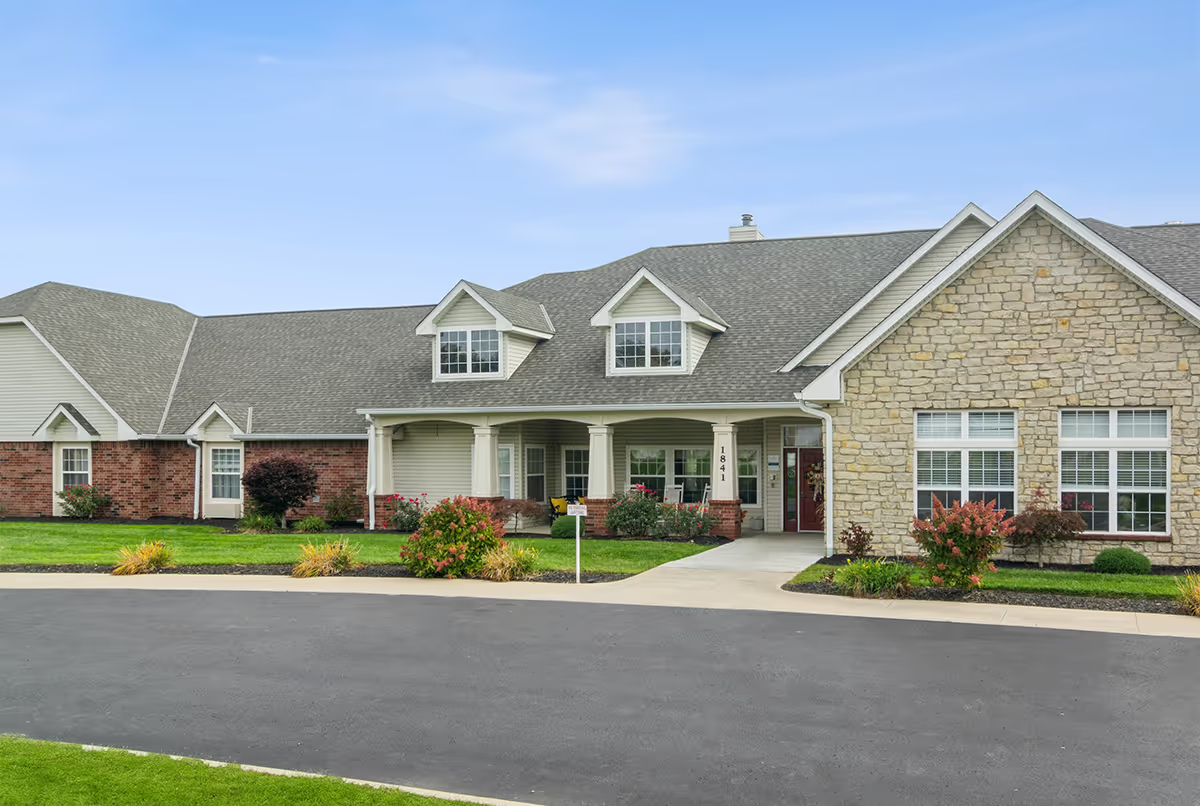
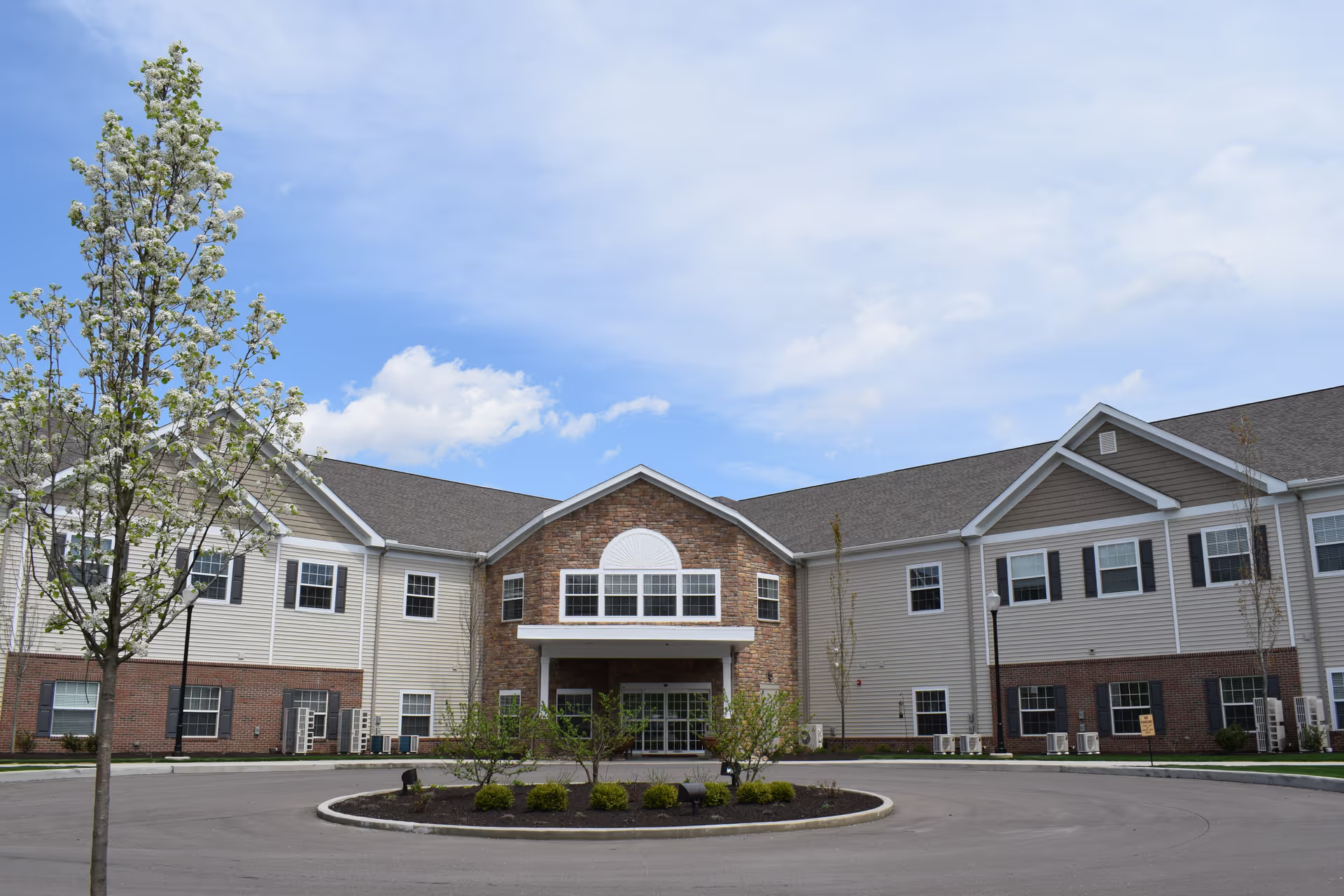
Overall impression Lutheran Village of Ashland is described as a well-maintained, recently renovated senior living community with an attractive campus, usable outdoor spaces and independent-living suites that include practical in-unit features (walk-in showers, microwave, refrigerator). Reviewers emphasize a strong institutional emphasis on resident engagement and a broad menu of activities, and families frequently characterize the environment as caring and home-like.
Care and staff Care quality and staff engagement are the facility's most consistently noted strengths. Families describe nursing staff who provide active clinical monitoring, frequent health updates, and responsive follow-up, including coordination with hospice when appropriate. Reviewers singled out proactive communication (regular updates, photo sharing, and creative ways to keep residents connected during infection-control periods) as a distinguishing practice. At the same time, some accounts point to variability in day-to-day attentiveness and slower responsiveness at certain times, particularly on weekends, suggesting uneven staffing coverage across shifts.
Dining and activities Dining services are presented positively: three meals daily, a communal dining room, occasional family-dining options, and small extras (cookies, juice) were appreciated. The community appears to offer a broad and diverse activities calendar—exercise, crafts, gardening, ping-pong, bingo, movies, music therapy, manicures, and outings—with some activities included and others available for an additional fee. Residents and families report meaningful social interaction and engagement opportunities that support mood and quality of life.
Facilities and amenities Physical facilities receive favorable comments for cleanliness, aesthetics, and recent renovations. Apartment sizes are described as comfortable for independent living, and practical amenities (on-site laundry, window fixtures for plants or feeders, and parking for personal vehicles) are in place. The community is positioned as an independent/assisted living option rather than a skilled-nursing provider: there is no on-site skilled nursing unit and capacity for advanced dementia or Alzheimer’s care is limited.
Management and operational patterns Family-facing communication and individualized attention are frequently praised, with multiple examples of staff going beyond baseline responsibilities during health events. However, reviewers also identify operational gaps: an uneven orientation/onboarding experience for new residents, occasional weekend staffing shortages, and ancillary fees for certain activities. Cost is a recurring consideration—monthly fees are described as relatively high—so prospective residents should weigh amenities and staffing levels against price.
Notable patterns and advice for families The overall pattern in reviews suggests a community well-suited for independent or early assisted-living residents who value social programming, aesthetic surroundings, and responsive nursing oversight for routine clinical needs. Families seeking robust, on-site skilled nursing or care for advanced dementia should verify clinical capabilities and transitions of care before committing. Prospective residents and families would benefit from confirming weekend staffing ratios, the specifics of the move-in orientation process, which activities carry extra fees, and the availability of higher-acuity care when needed.