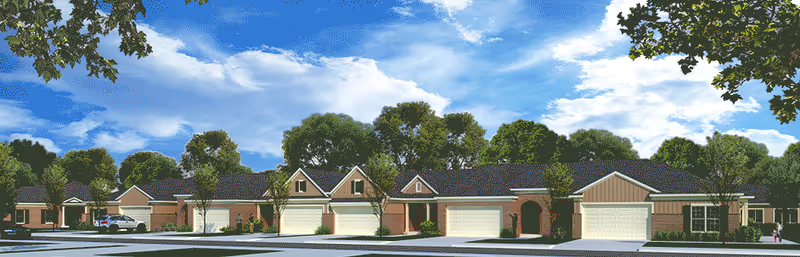
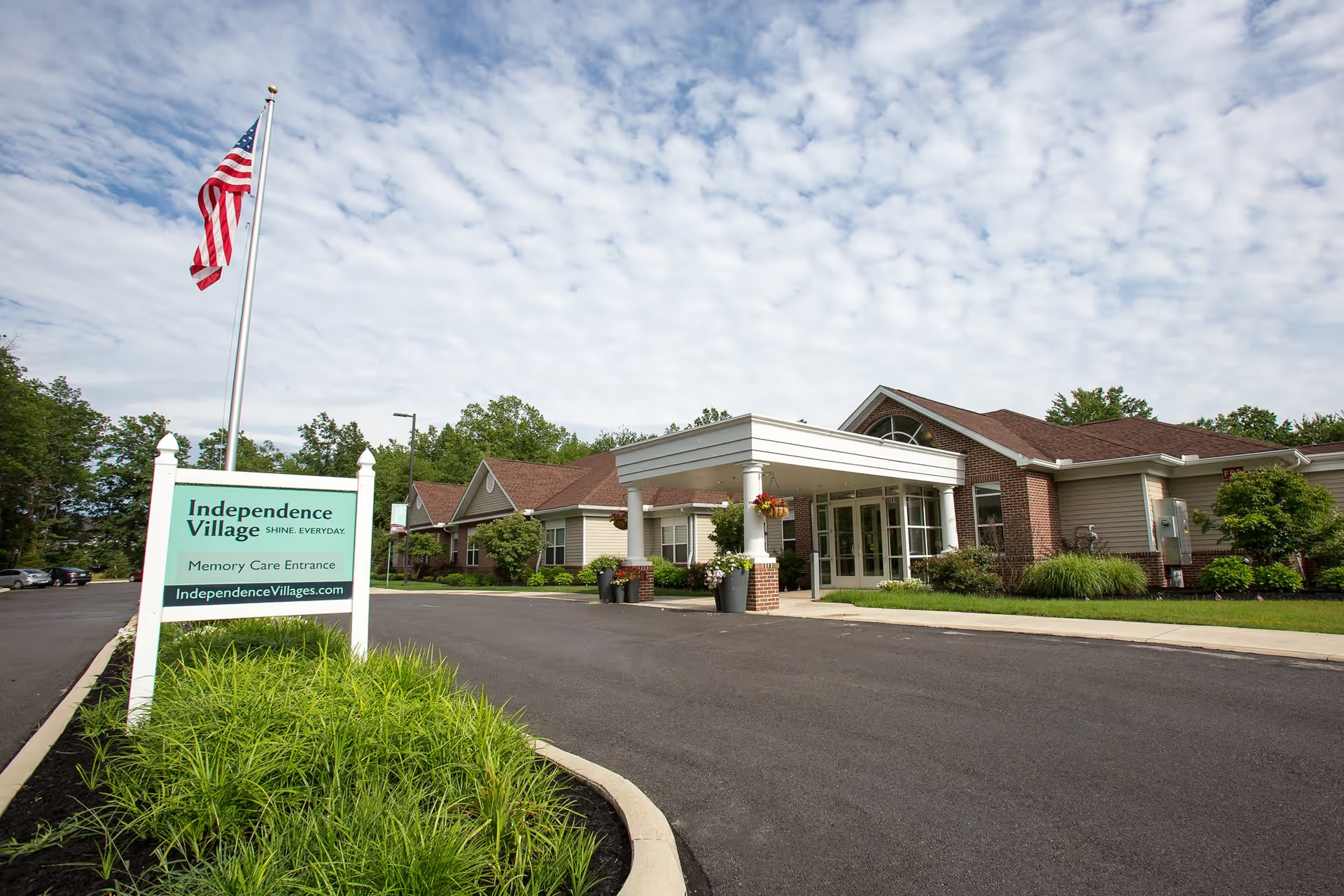
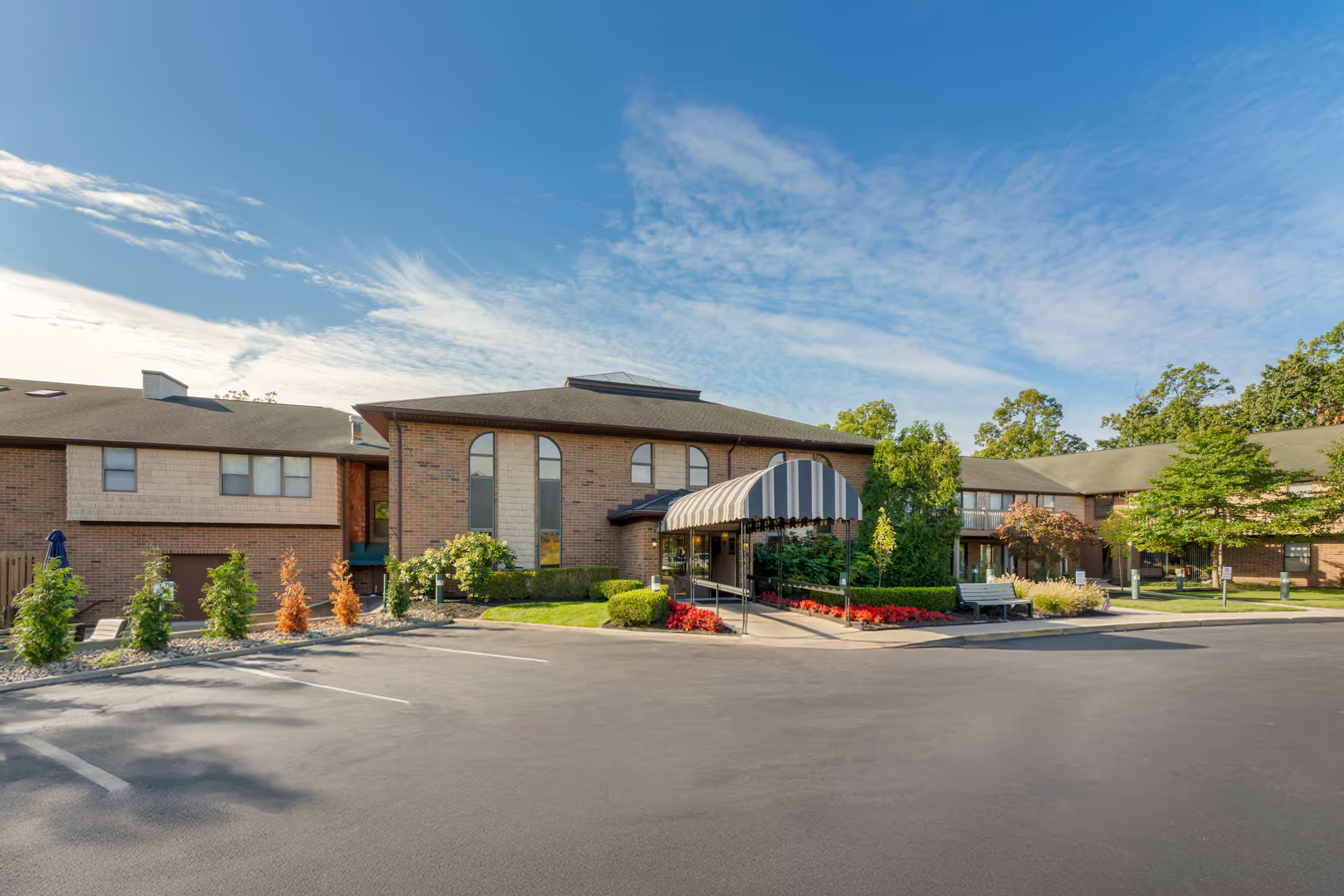
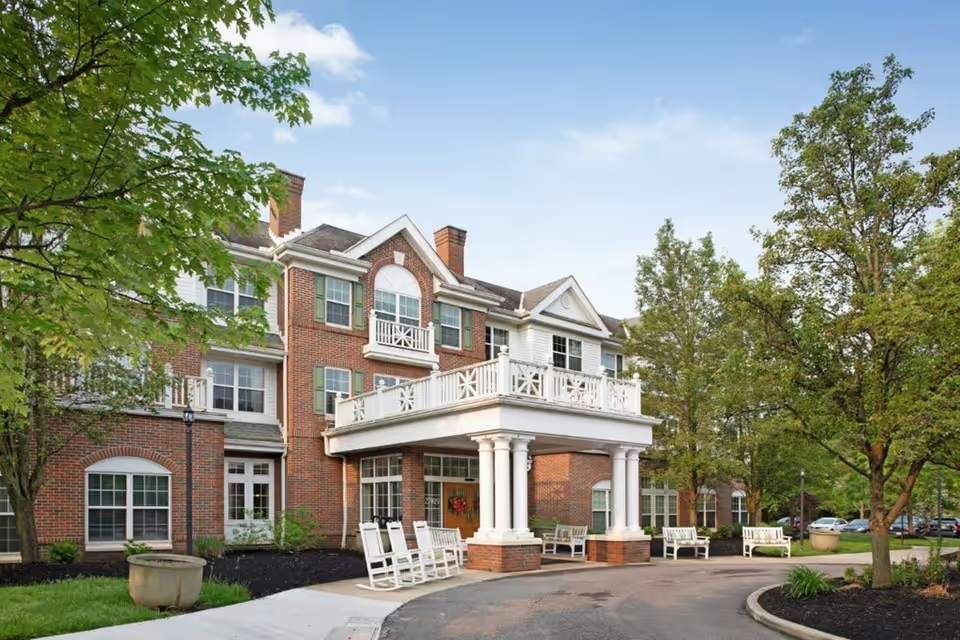
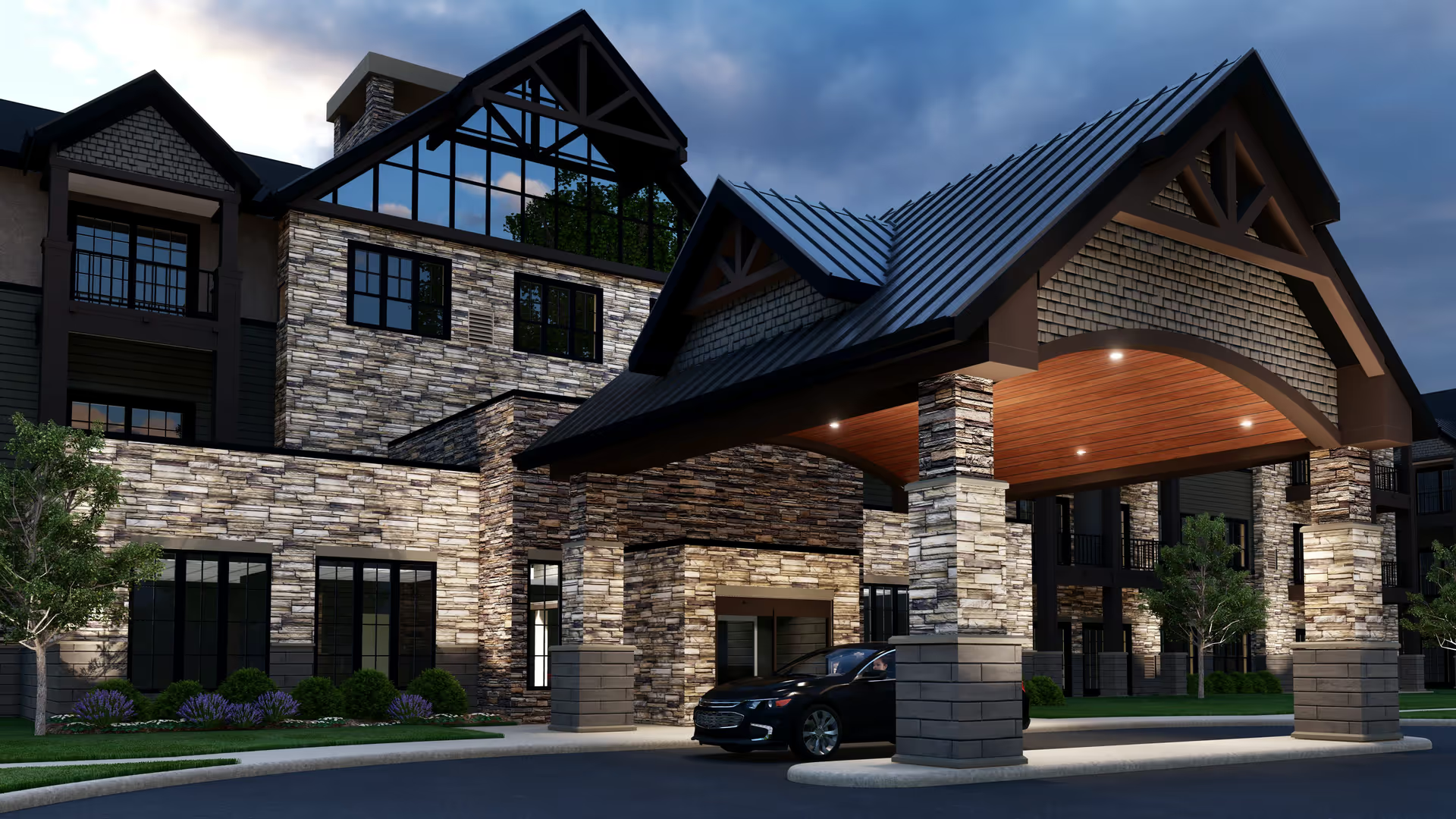
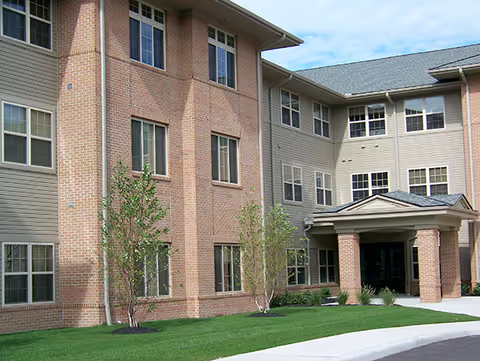
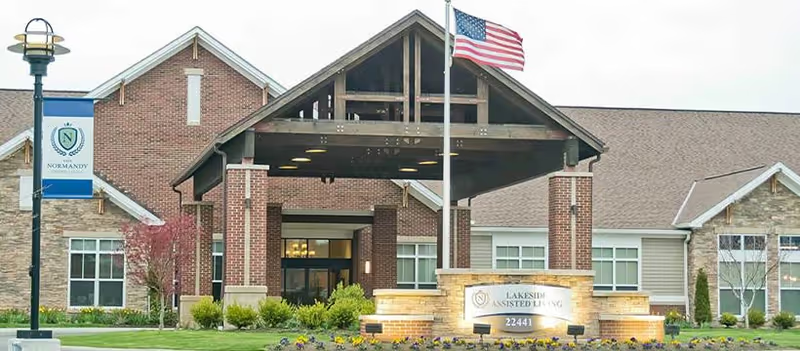
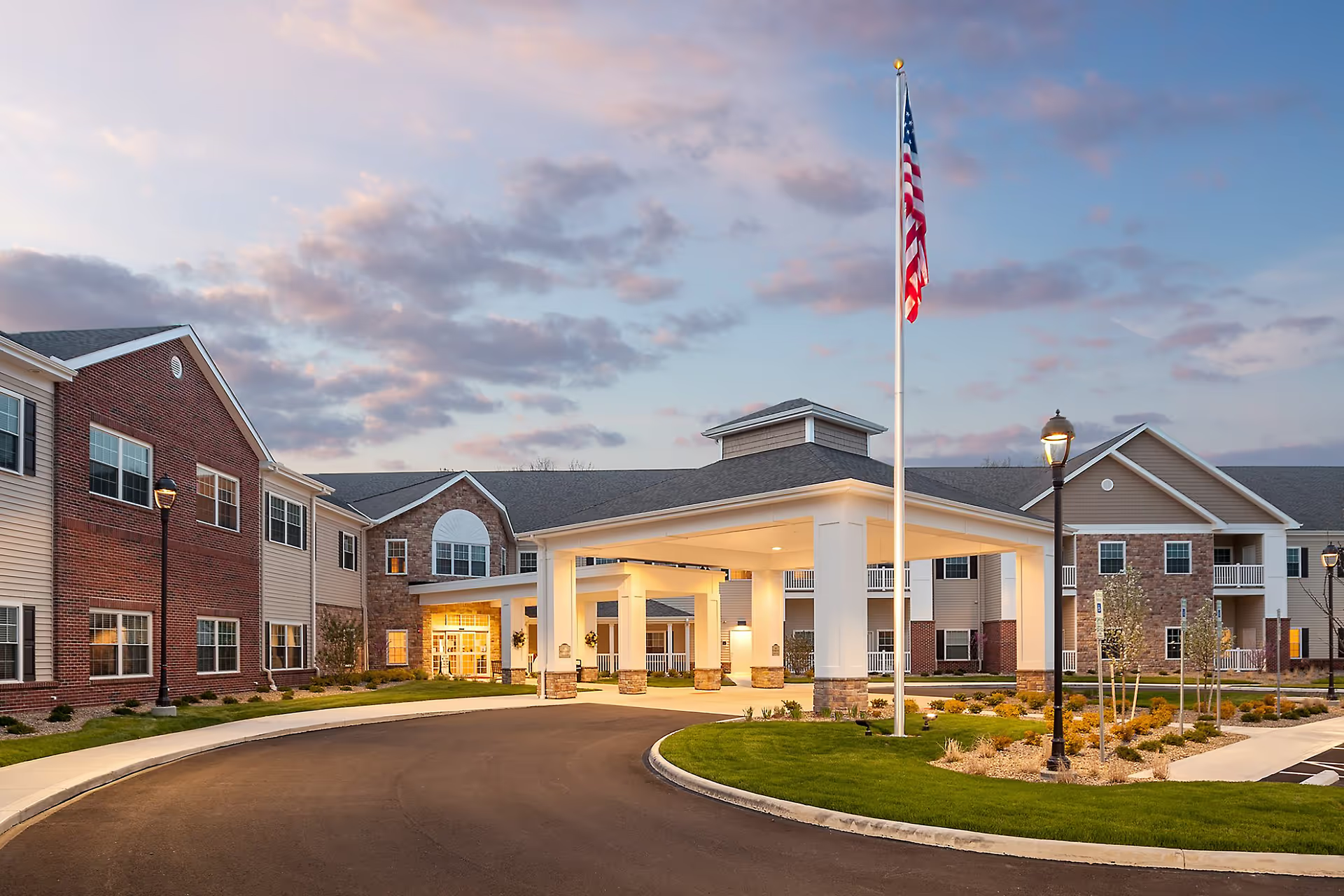
The Ganzhorn Suites presents as a newly built, thoughtfully designed memory‑care community with many families praising its physical environment and programming. Common positives include a modern, home‑like interior, well‑maintained courtyards, and communal spaces that promote social interaction. The facility’s specialized memory‑care programming, including a Memory Loss Empowerment Group and other structured enrichment, is frequently highlighted as beneficial; reviewers often note that residents experience increased social engagement, improved mood, and reduced anxiety after moving in.
Care and staffing impressions are mixed but clustered. Numerous families describe compassionate, attentive caregivers, clear communication from front‑office staff, and a visible nurse‑manager presence that provides reassurance and timely clinical availability. Personalized attention, improved hygiene, and positive hospice transitions were also cited as strengths. Conversely, a subset of reviewers raised significant clinical and operational concerns: inconsistent staffing levels relative to expectations, medication‑management gaps that in at least one case required hospital care, and incidents pointing to weaknesses in fall‑prevention and transfer safety. Several families reported delays in personal‑care assistance, including toileting help, and expressed concern about hydration and responsiveness at critical moments.
Dining and activities are generally seen as strengths. Meals are described as appealing and nutritionally appropriate, with positive mentions of tasteful presentation and regular refreshments. Enrichment offerings receive frequent praise for creating a bright, engaging daily rhythm; residents are often described as participating in social events, celebrations, and daytime/evening programming. That said, a few reviewers felt activity delivery was inconsistent across shifts or that their relative received less engagement than expected.
Facility operations and management present a mixed picture. Many families compliment the welcoming reception, cleanliness, and attention to detail from the care teams. At the same time, some reviewers described shortcomings in managerial follow‑through, particularly around dispute resolution and financial matters. There are also concerns about personal‑property controls and room security, including instances of missing items and belongings found elsewhere; one review used stronger language about these incidents. These accounts, paired with the clinical concerns noted above, indicate areas where operational policies and staff training may need reinforcement.
Overall, experiences at The Ganzhorn Suites appear polarized: a substantial number of families report high satisfaction with the environment, compassionate staff, specialized memory care, and quality dining, while a smaller but consequential group describes serious safety and operational issues that affected their loved ones. Prospective residents and families should weigh the facility’s clear strengths in environment and programming against the documented concerns about staffing consistency, medication and incident oversight, property controls, and management responsiveness. When considering placement, visiting multiple times, asking about current staff‑to‑resident ratios, fall‑prevention protocols, medication‑safety procedures, and the facility’s process for handling family complaints and lost‑property incidents would help clarify whether the community’s current operations match individual expectations and care needs.