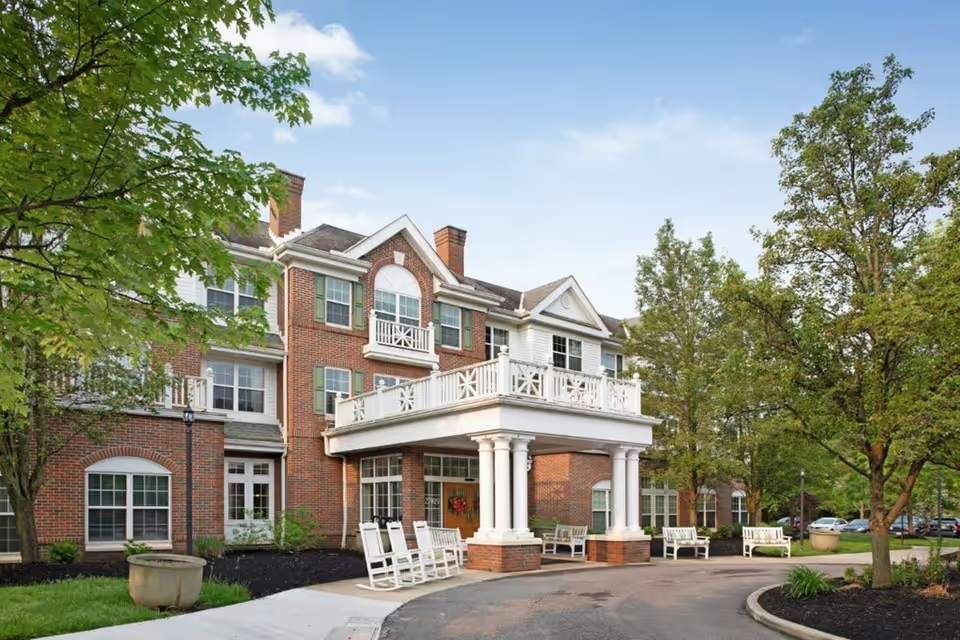
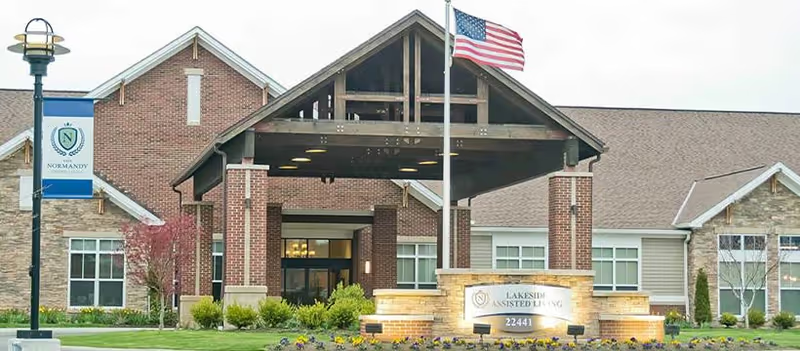
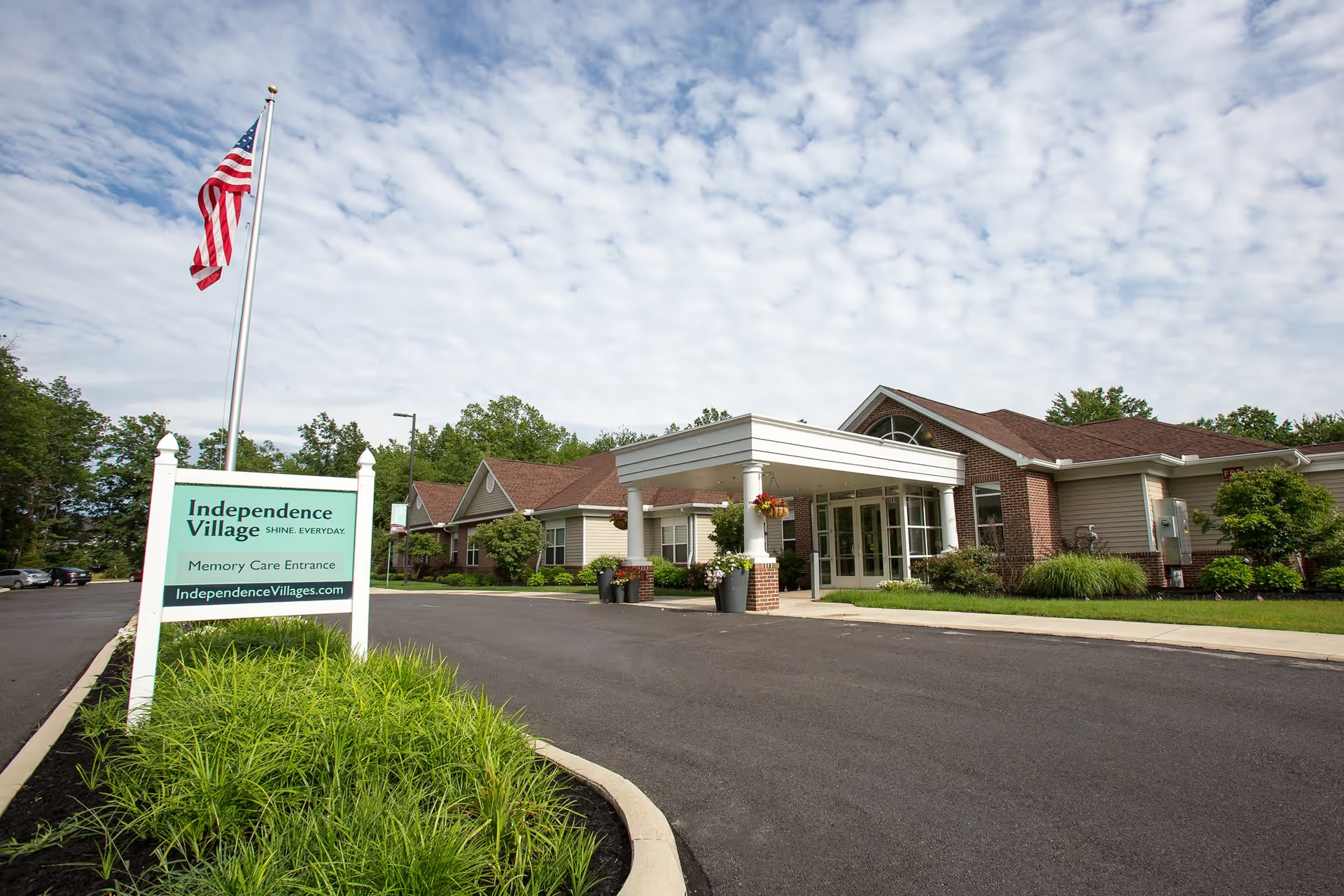
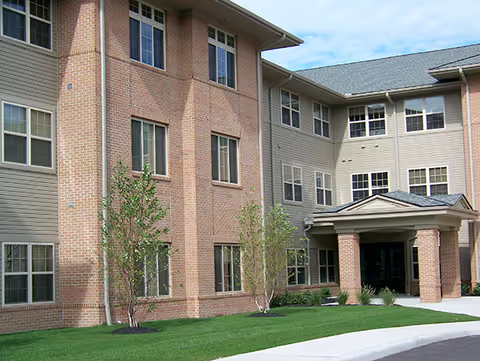
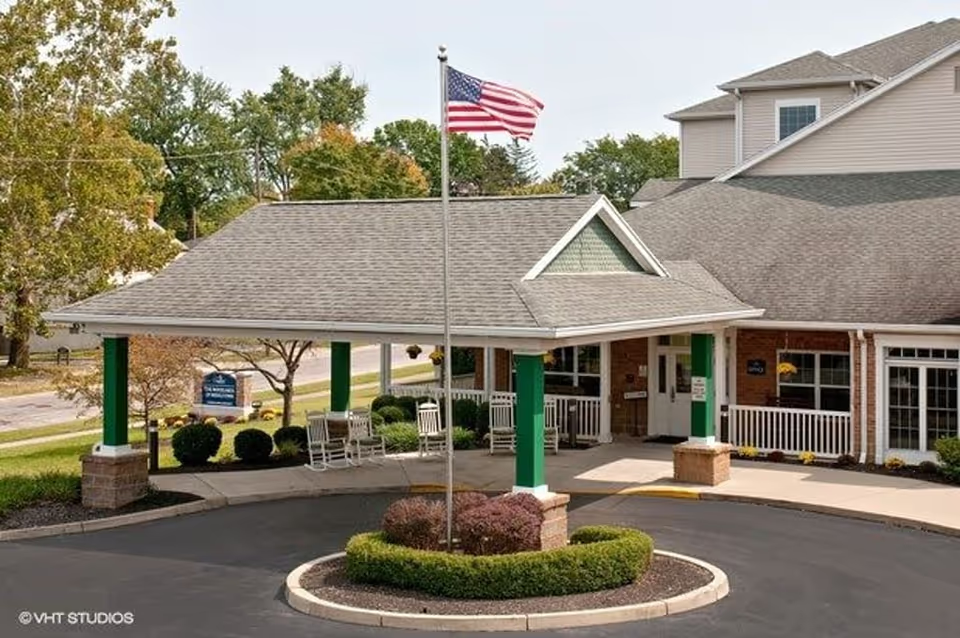
Brookdale Gardens at Westlake is consistently described as an apartment-style assisted living community with attractive wooded grounds and a range of services that support independent and assisted living. Families commonly praise the warm, resident-focused culture, accessible apartments with patios or lofts, and an active calendar of social programs — daily activities, clubs, happy hour, outings and entertainers — that contribute to residents’ quality of life. The dining program and kitchen staff receive frequent positive comments for flavorful meals and desserts, and the presence of on-site rehab and hospice services is noted as a convenience for residents with changing care needs.
Care and staffing are areas with mixed experiences. Many families describe compassionate, attentive caregivers, helpful nursing staff, and effective communication with physicians. At the same time, operational weaknesses appear as inconsistent staffing levels, turnover, and periodic reliance on temporary or agency personnel. These patterns are associated with delays in assistance and, in a subset of accounts, medication-administration problems including late dosing. Prospective families should ask about current staffing ratios, use of agency staff, and medication-safety protocols during their tour.
Dining and activities are generally strengths but show variability. Numerous accounts highlight a chef-led menu, accommodating special meal requests, and an active events calendar that fosters social engagement. Counterbalancing these positives are recurring notes about inconsistency in meal quality, overcooked or undercooked items, runouts at later meal seatings, and occasional delivery or timing delays. Activity programming is robust when staffing permits; however, some families experienced reductions or limitations tied to staffing shortages or pandemic-related restrictions.
Facility upkeep and safeguards warrant careful inquiry. Many reviewers praise cleanliness, housekeeping responsiveness, and well-kept grounds, but others describe sanitation concerns and uneven housekeeping performance in specific units or common areas. There are also multiple accounts indicating weaknesses in vendor management and move-out oversight, with allegations of theft and mishandled move logistics arising from particular move-out events. These point to operational gaps in how outside vendors and residents’ personal property are supervised. Families should confirm vendor policies, insurance/bonding for movers, and procedures for safeguarding personal items.
Management and administration receive both commendation and criticism. The admissions process, tours, and staff who coordinate transitions are frequently described as thoughtful and family-oriented. Conversely, there are examples of billing disputes, inconsistent administrative communication, and occasional lapses in security controls for residents with cognitive impairment. Memory-care capacity and unit security appear inconsistent across accounts; some families describe an active Alzheimer’s program, while others note lack of locked-unit controls or limited dedicated memory-care availability.
Overall, Brookdale Gardens at Westlake presents many features that families value: a caring staff culture, apartment-style living, varied activities, attractive grounds, and an established dining program. However, patterns of inconsistent staffing, operational gaps around medication administration and vendor oversight, and variability in housekeeping and meal service quality introduce trade-offs to consider. Prospective residents and families should tour the community, observe staffing at peak times (mealtimes, med rounds, activity transitions), request recent inspection or staffing reports, and clarify policies on mover/vendor oversight and protection of personal property before deciding.