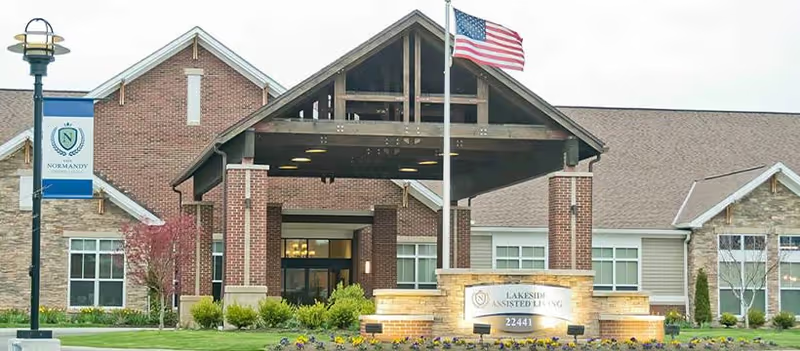
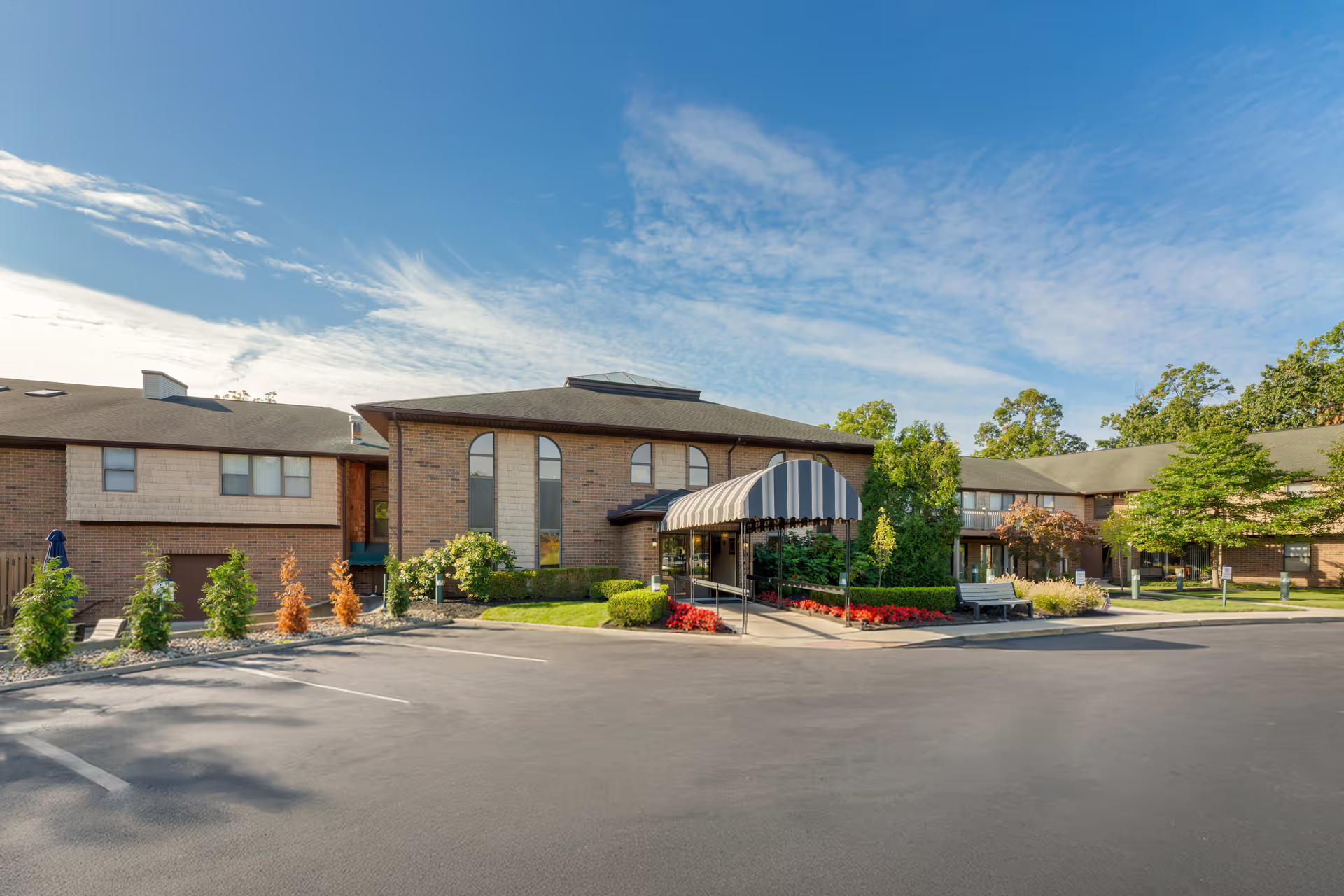
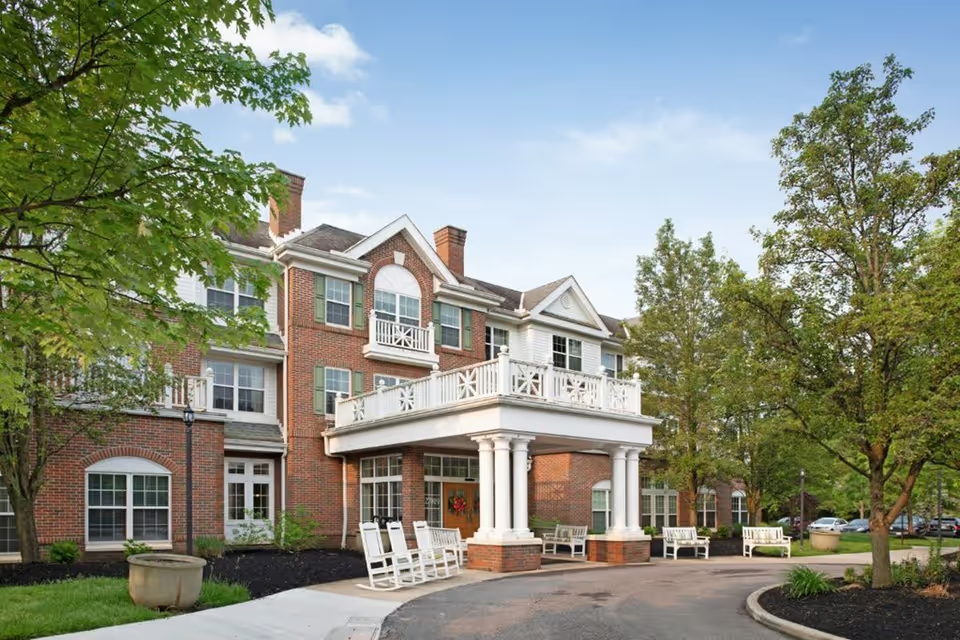
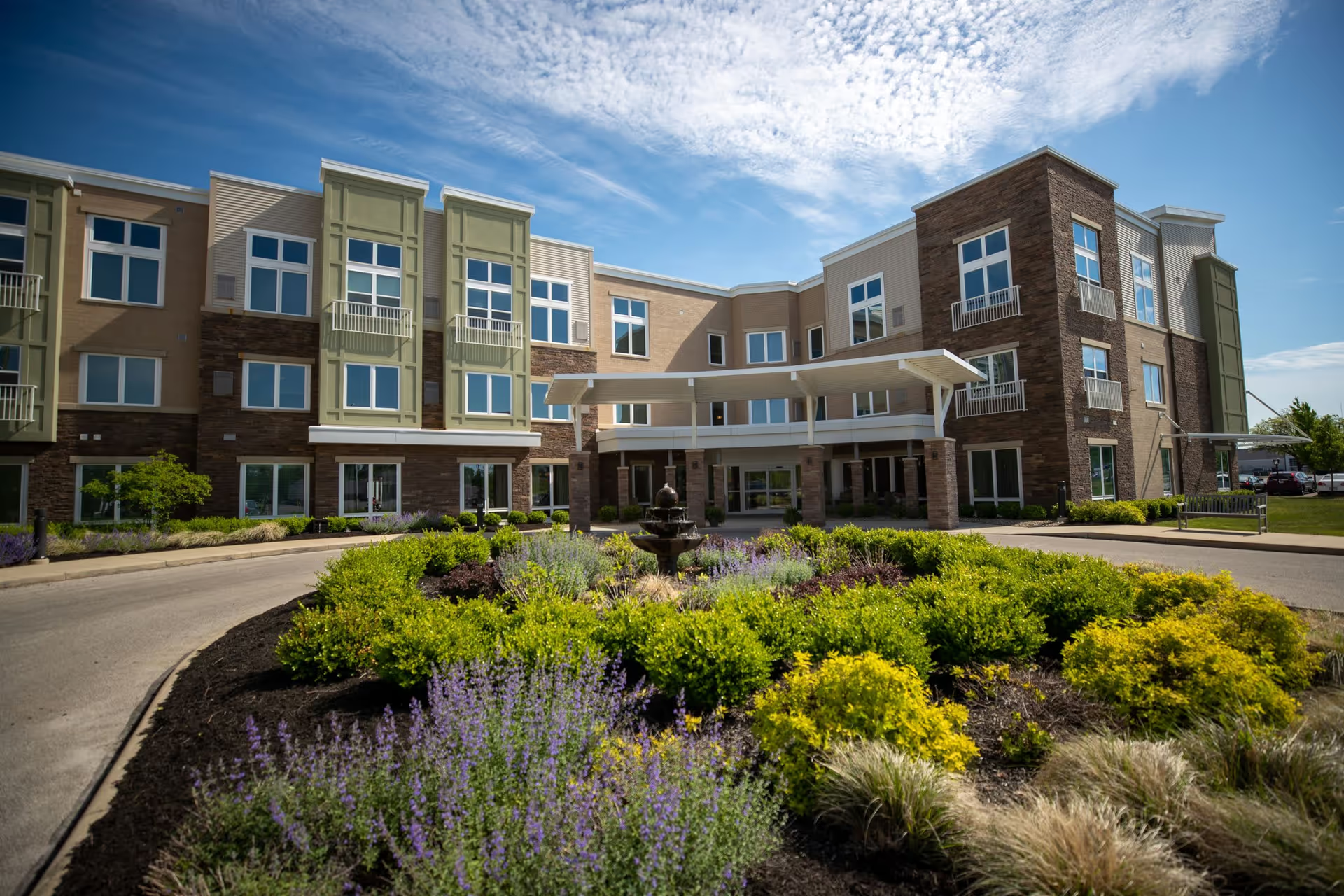
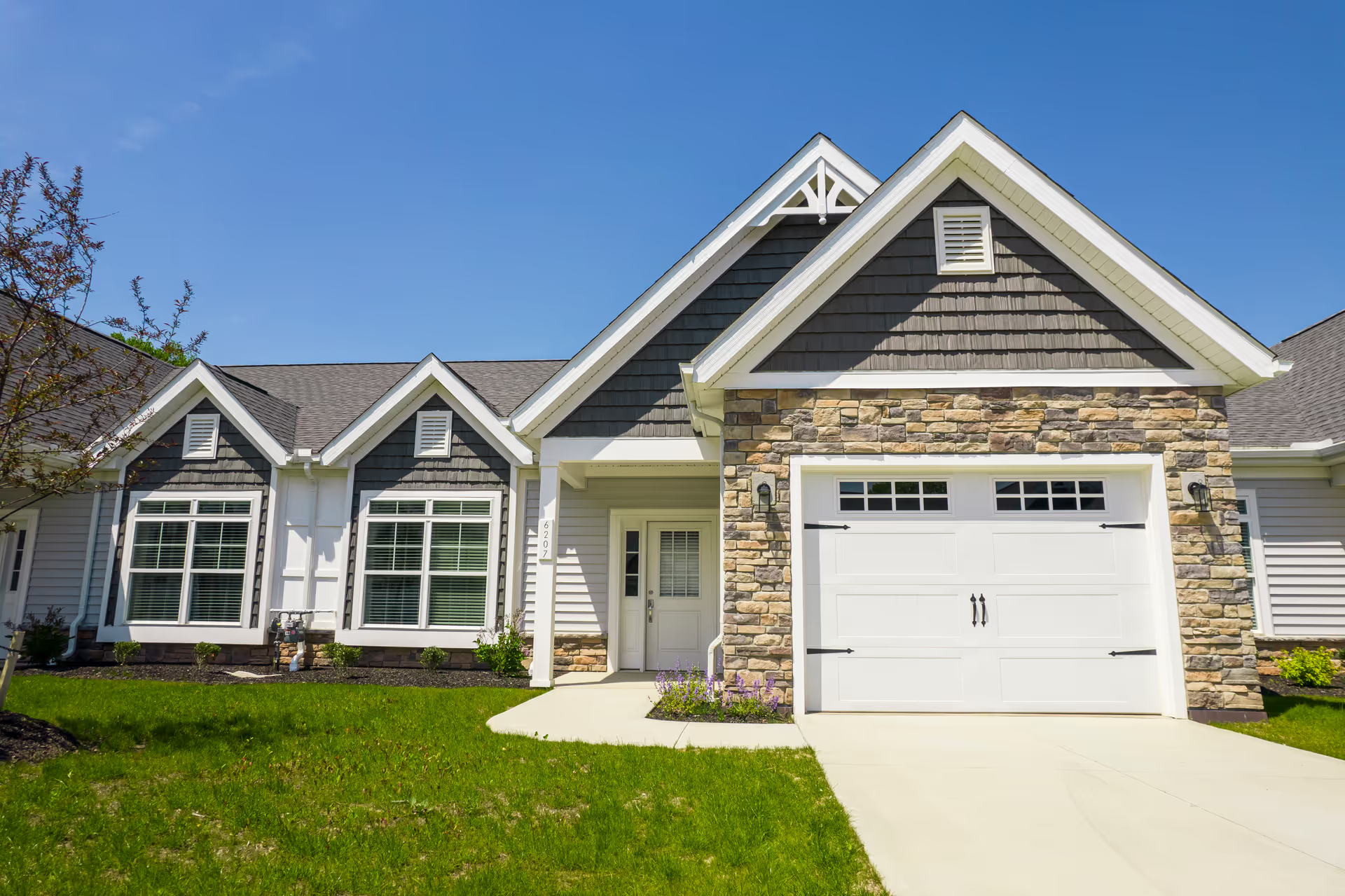
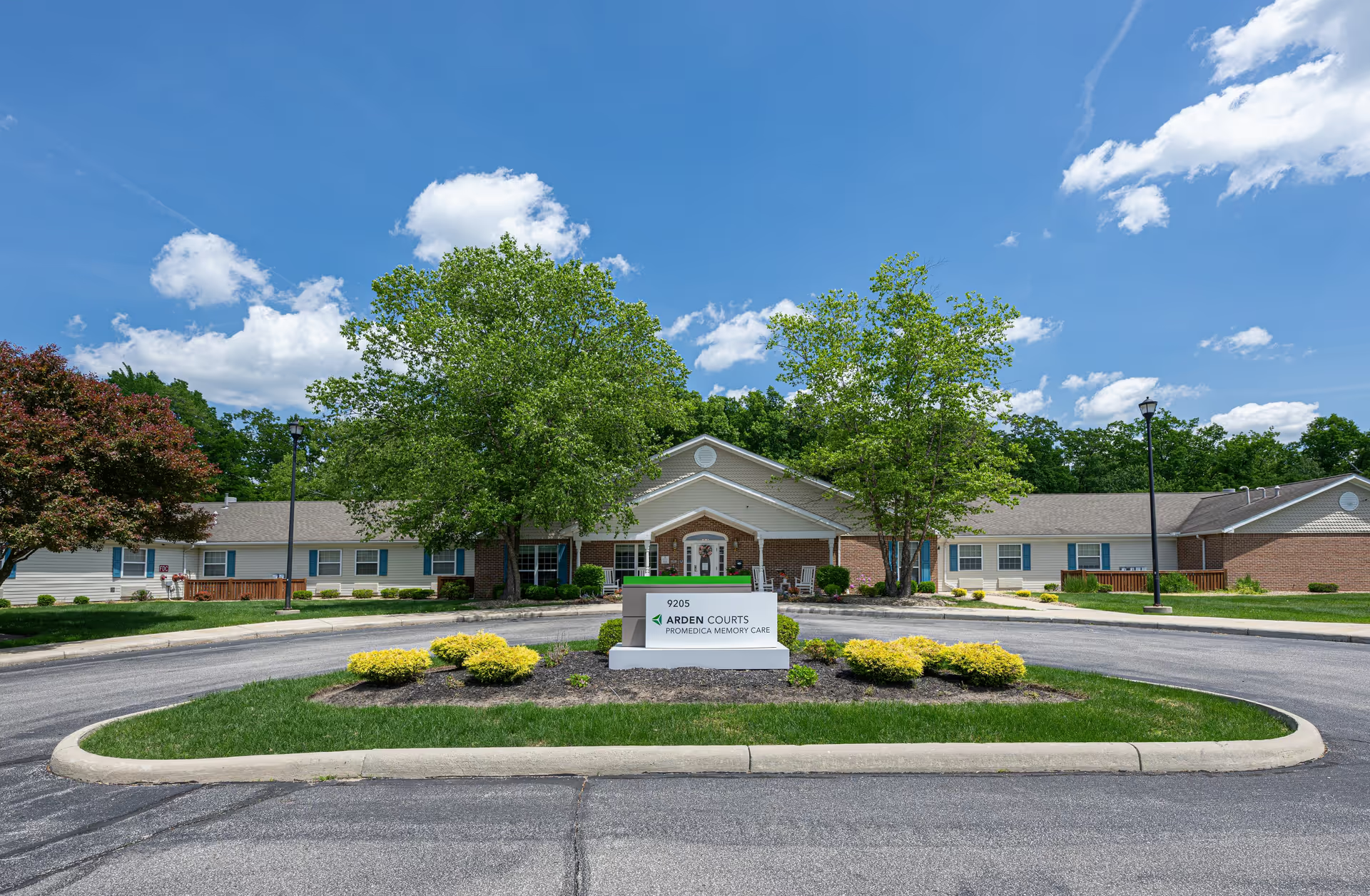
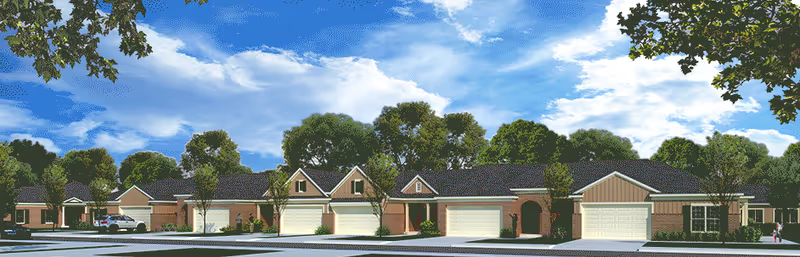
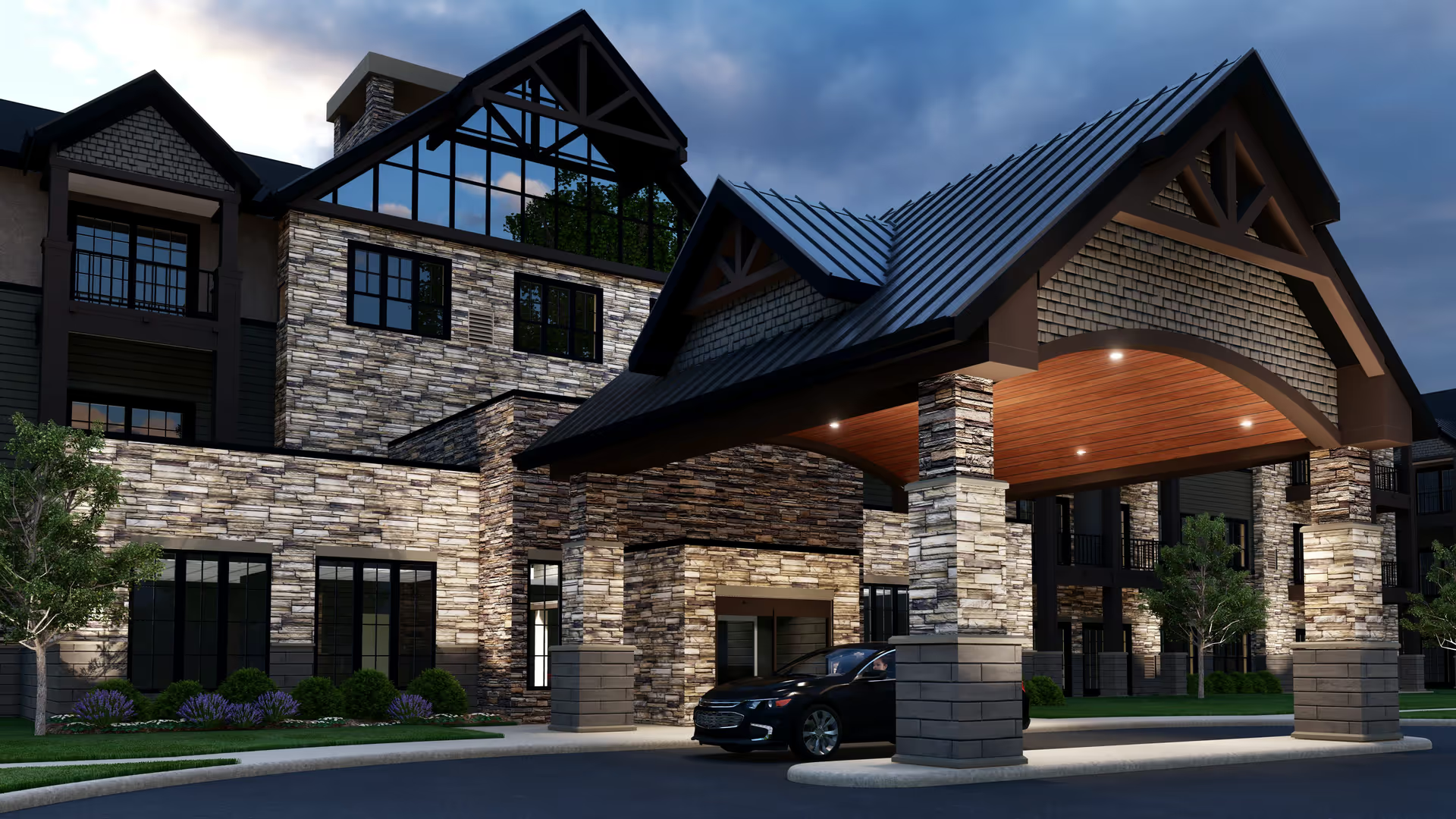
Overall characterization Haven at Lakewood (Bloom at Lakewood in some references) presents as an apartment-style assisted-living community with many features families value: large units with in-unit kitchens and the ability to furnish apartments, regular housekeeping and laundry service, on-site transportation for errands and medical appointments, and a broad activities program. Reviewers commonly describe a warm, home-like lobby and communal dining areas, plus an active calendar (bingo, crafts, Garden Club, Walking Club, live music, movie nights and off-site shopping) that supports social engagement. Several accounts highlight personalized family communication—photos, videos and FaceTime—especially during COVID-related restrictions, and a number of staff members and coordinators received praise for attentive, compassionate care and coordination during transitions.
Care and staff Many families report caring, personable frontline staff and individual employees who go above and beyond (examples include after-hours support and close family communication). At the same time, there is a recurrent pattern of inconsistent staffing and variable staff conduct. Reviews describe periods of short staffing, delayed responses to resident needs, and uneven performance among aides and nurses. There are also recurring concerns about oversight and supervisory follow-through; some families praise specific managers while others describe unresponsiveness from management or ownership. For prospective families this creates a mixed picture: generally strong relationships with individual caregivers but variability in system-level reliability and supervisory consistency.
Clinical and medication-related matters A small number of reviews raise concerns about medication-management practices and clinical oversight. These indicate variability in nursing leadership and in how medication or clinical incidents are handled and communicated to families. These items appear less frequent than general praise for caregiving staff, but they are substantive and worth direct inquiry during a tour (ask about medication administration protocols, nurse coverage, and incident/communication procedures).
Dining and nutrition Dining is described positively by many residents and families: a visible dining room, flexible meal times, off-menu options, vegetarian accommodations, and high points (noted desserts). Others note that food quality can be inconsistent and that some special-diet options carry extra fees. Overall, the dining program provides choice and social dining opportunities, but prospective families should clarify any additional costs for therapeutic or specialty diets and sample meals during a visit.
Activities, social life and amenities The activity program is a clear strength: frequent group events, clubs, therapy dog visits, and scheduled transportation support resident engagement. The facility supports outings and has a regular shuttle for shopping and appointments. Outdoor seating and small garden areas provide outdoor social spaces, though the immediate views from some units are urban/parking-lot oriented rather than scenic. Pet policy allows small dogs and cats for a fee, which supports continuity of pet ownership for residents.
Facility condition and maintenance Physical attributes are mixed. Many residents enjoy large, apartment-style layouts and in-unit appliances. At the same time reviewers note dated interiors in some units (carpeting, older finishes) and recurring maintenance issues: elevator unreliability, occasional delayed repairs, and inconsistencies in common-area cleanliness. Maintenance staff are singled out positively in some accounts, indicating responsive repairs when staffed and prioritized, but the pattern suggests variability in facility upkeep and equipment reliability.
Memory care and suitability The community appears to employ a mixed memory-care/general population model in some areas. Families report that the environment may be confusing or insufficiently specialized for residents with moderate dementia. If memory care is required, families should confirm the model of care, staff training, and environmental design tailored to cognitive impairment before choosing the community.
Notable patterns and recommendations for families - Strengths to confirm on a visit: apartment size and layout, in-unit appliances, activity schedule, transportation availability, emergency call systems, and examples of family communication. Sample a meal and ask about vegetarian or therapeutic diet accommodations and associated fees. - Operational areas to evaluate: current staffing levels and turnover, supervisory and management responsiveness, medication administration procedures, elevator and major-equipment maintenance logs, laundry turnaround time, and cleaning protocols for common areas. - Memory-care considerations: clarify whether memory-care residents are cohorted, staff training specific to dementia, and environmental features that support wayfinding and safety.
Summary assessment Haven at Lakewood offers many features families seek in apartment-style assisted living—spacious units, social programming, transportation, and a generally warm community atmosphere with staff who can be highly supportive. However, there is a consistent signal of variability in operational reliability: staffing consistency, management responsiveness, maintenance, and some aspects of clinical oversight. Prospective residents and families will benefit from an in-person tour that includes meal sampling, meeting the nurse/manager on duty, and direct questions about staffing ratios, medication protocols, laundry timelines, and how memory-care needs are managed.