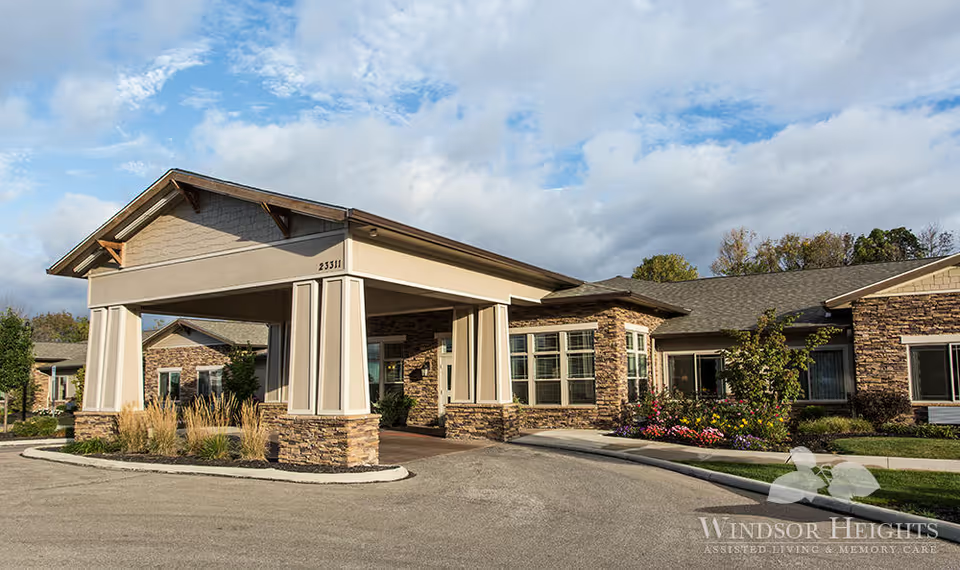
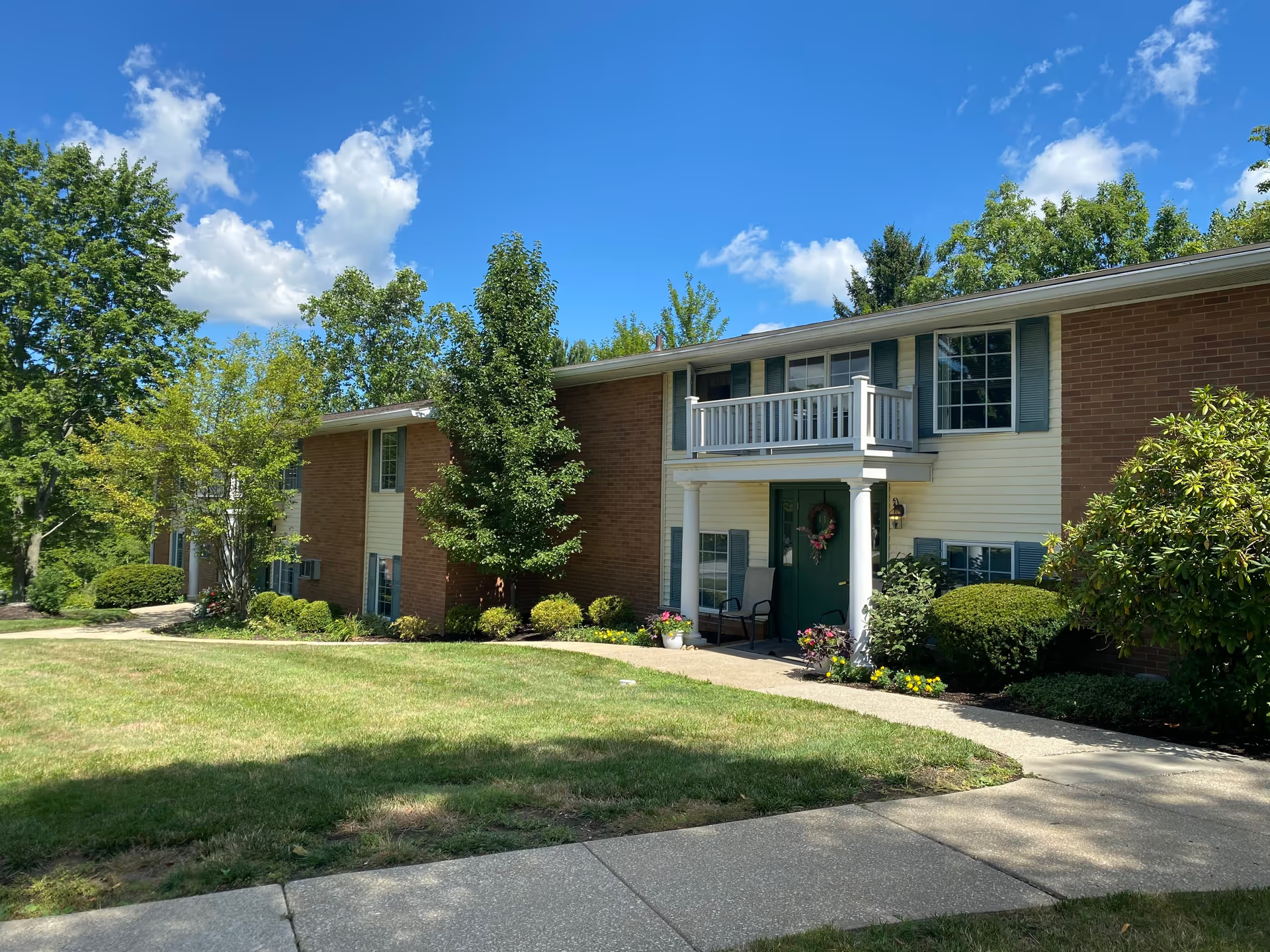
The reviews for Daughters of Miriam Center for Nursing and Rehabilitation present a strongly polarized picture: many families and residents describe high-quality rehabilitation, compassionate bedside nursing, and attentive therapy teams, while others report systemic operational problems that affected safety and continuity of care. Positive accounts frequently cite effective PT/OT/ST services, named nurses and therapists who went above and beyond, an engaging activities program, an attractive entrance and well-kept common areas, and helpful front-desk and transportation staff. Several reviews also describe recent management changes and leadership that have initiated improvements.
Clinical care responses are mixed. On the positive side, reviewers credit specific nurses and the therapy staff with meaningful functional gains and responsive clinical attention. On the negative side, recurring themes include slow or inconsistent call‑button response times, delayed medication administration, and reported problems in wound and IV management. Concerns about transfer technique and patient handling and instances of inconsistent infection-control practices were raised; these point to variability in staff training and supervision rather than a uniform standard of practice across the facility.
Staffing and culture are central drivers of the divergent experiences. Many reviewers describe staff as hardworking and compassionate, yet also overextended — understaffing, high turnover, and uneven weekend coverage are cited repeatedly. This environment appears to produce variability in day‑to‑day care: some shifts and employees earn high praise, while others are described as inattentive or poorly supervised. Several comments also highlight problems with personal-item and laundry management and with staff behavior (for example, excessive phone use during care), which again suggest gaps in operational oversight.
Dining and activities receive generally favorable comments, with the activities director and programs frequently mentioned as strengths and meals described as acceptable to good in many accounts. However, reviewers also note inconsistent meal timing and occasional quality issues, and some families reported missed or delayed meal delivery. The facility’s environment is often described as clean and pleasant in public areas, though sanitation and linen/laundry concerns were reported from some units.
Management, communication, and transitions of care are another area of divergence. Positive reviews reference responsive directors of nursing and helpful discharge teaching; negative reviews describe poor family communication, failures to notify powers of attorney, incomplete admission or preadmission order processing, problematic discharge practices, and missed outside appointments due to transportation or scheduling failures. Some reviews reference regulatory complaints, litigation, and serious incident allegations; those are significant and should be verified through state inspection reports and the long‑term care ombudsman.
Overall, the facility appears capable of delivering strong rehabilitative outcomes and compassionate, individualized care under certain staff and leadership conditions. At the same time, persistent operational weaknesses — most notably staffing instability, inconsistent clinical practice, lapses in laundry/personal-item processes, communication breakdowns, and variable infection-control adherence — create real risks to continuity and safety for some residents. Prospective residents and families should perform direct due diligence: tour the unit(s) where the resident would live, ask about current staffing ratios and turnover, review recent state survey and complaint histories, inquire about weekend coverage and on‑call clinical staffing, clarify discharge and transportation protocols, and request specifics on infection‑control policies and wound/IV management procedures. Checking for documented improvements under current management and confirming named clinical leaders’ availability can help align expectations with the facility’s current operational reality.