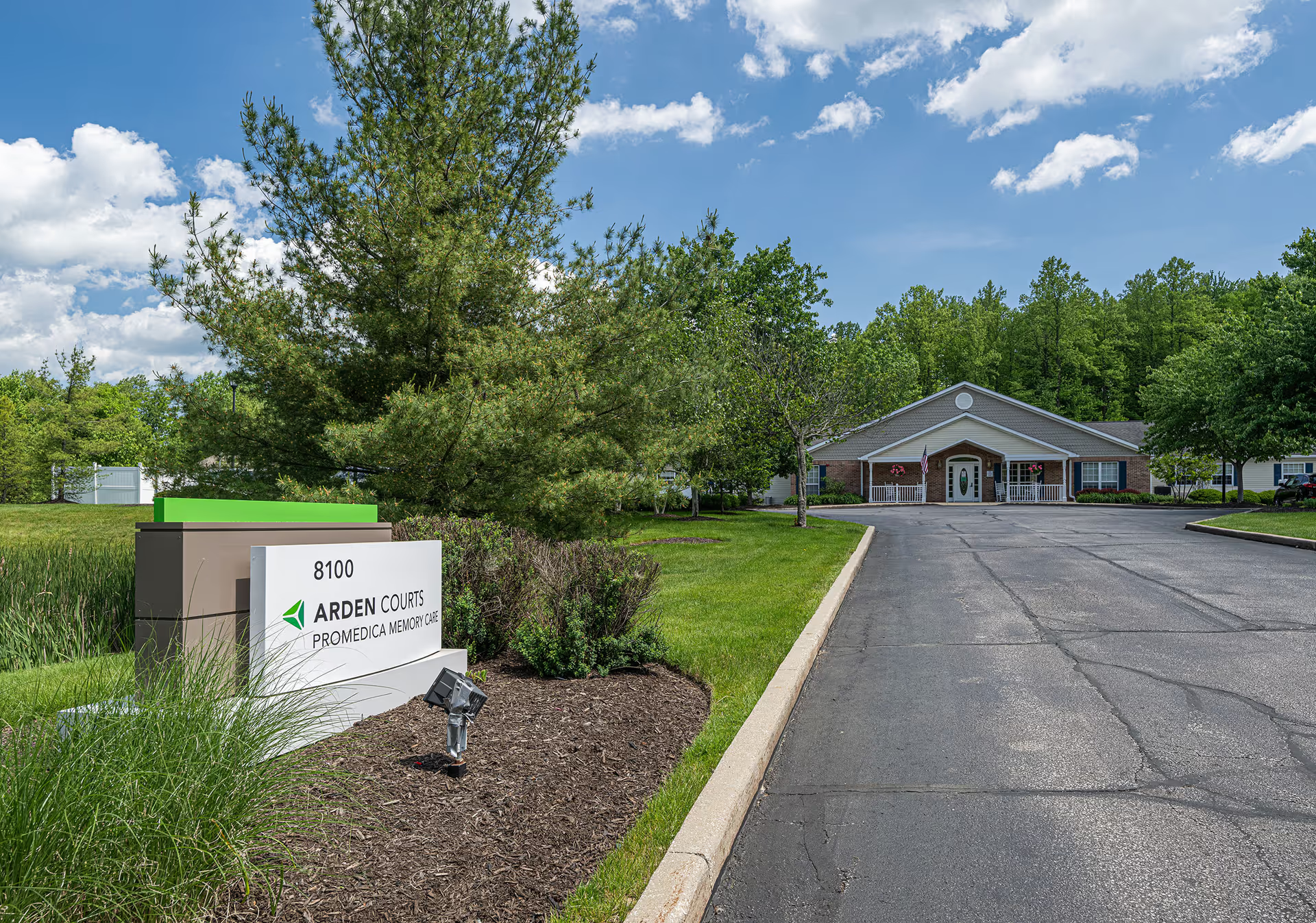
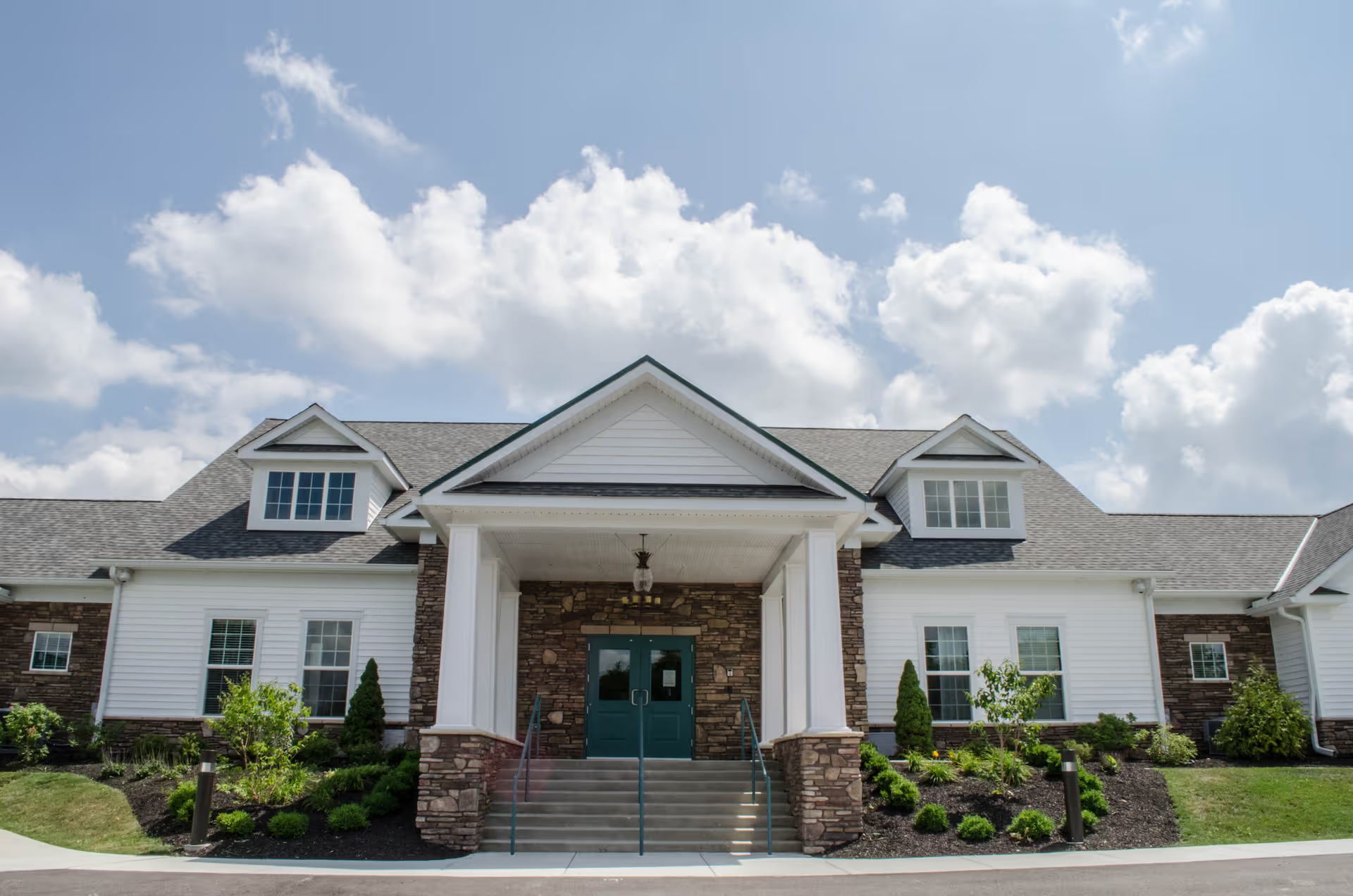
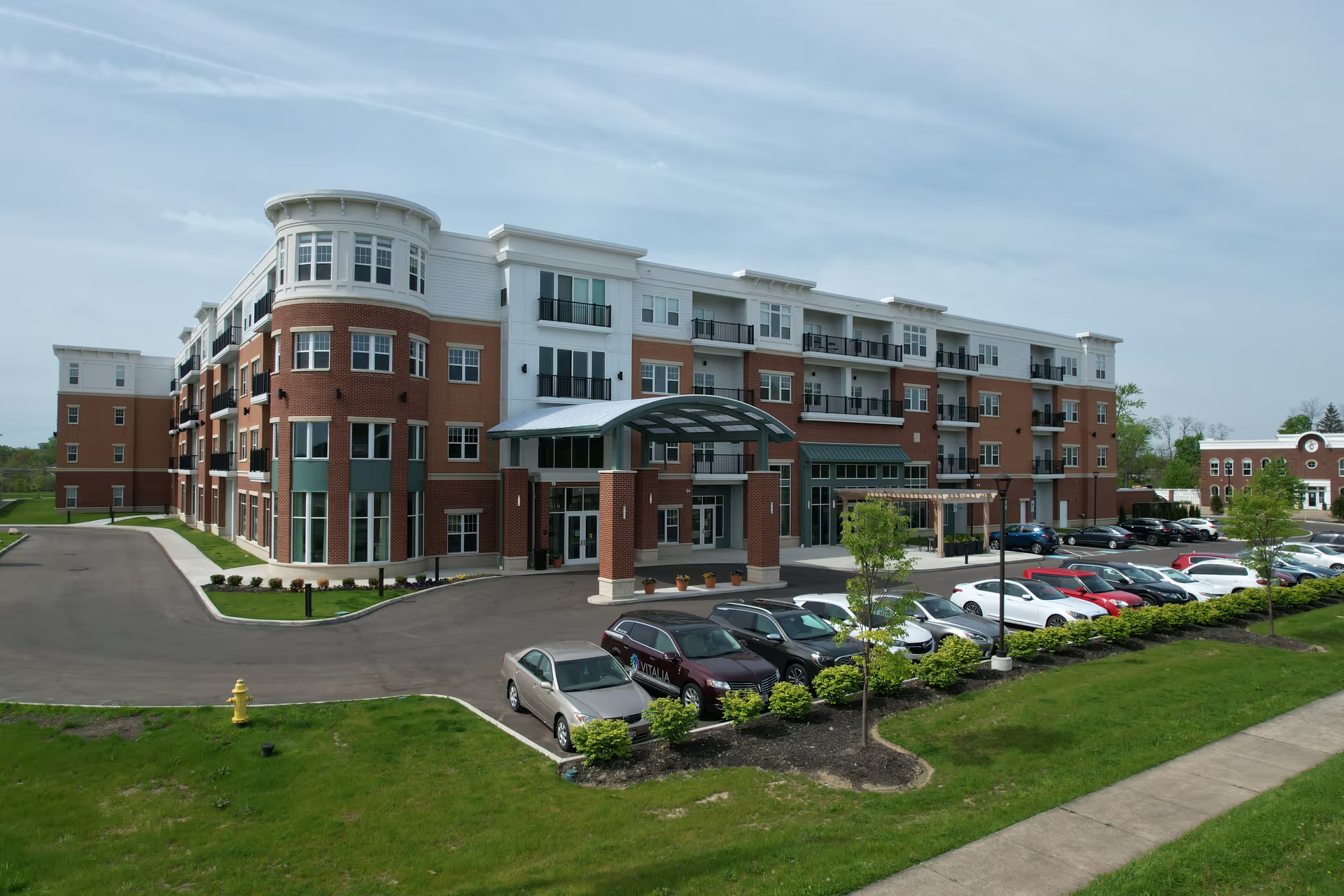
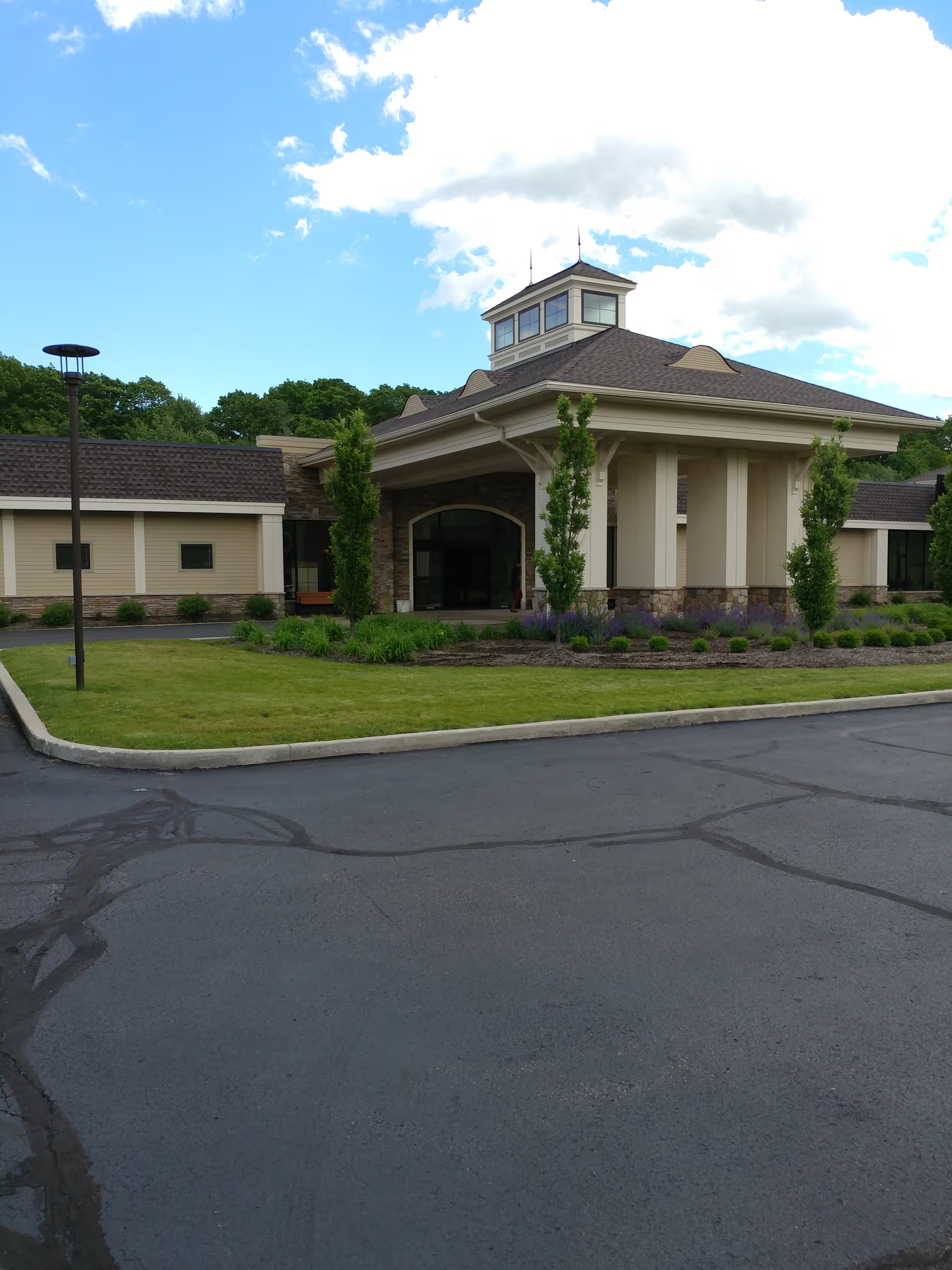
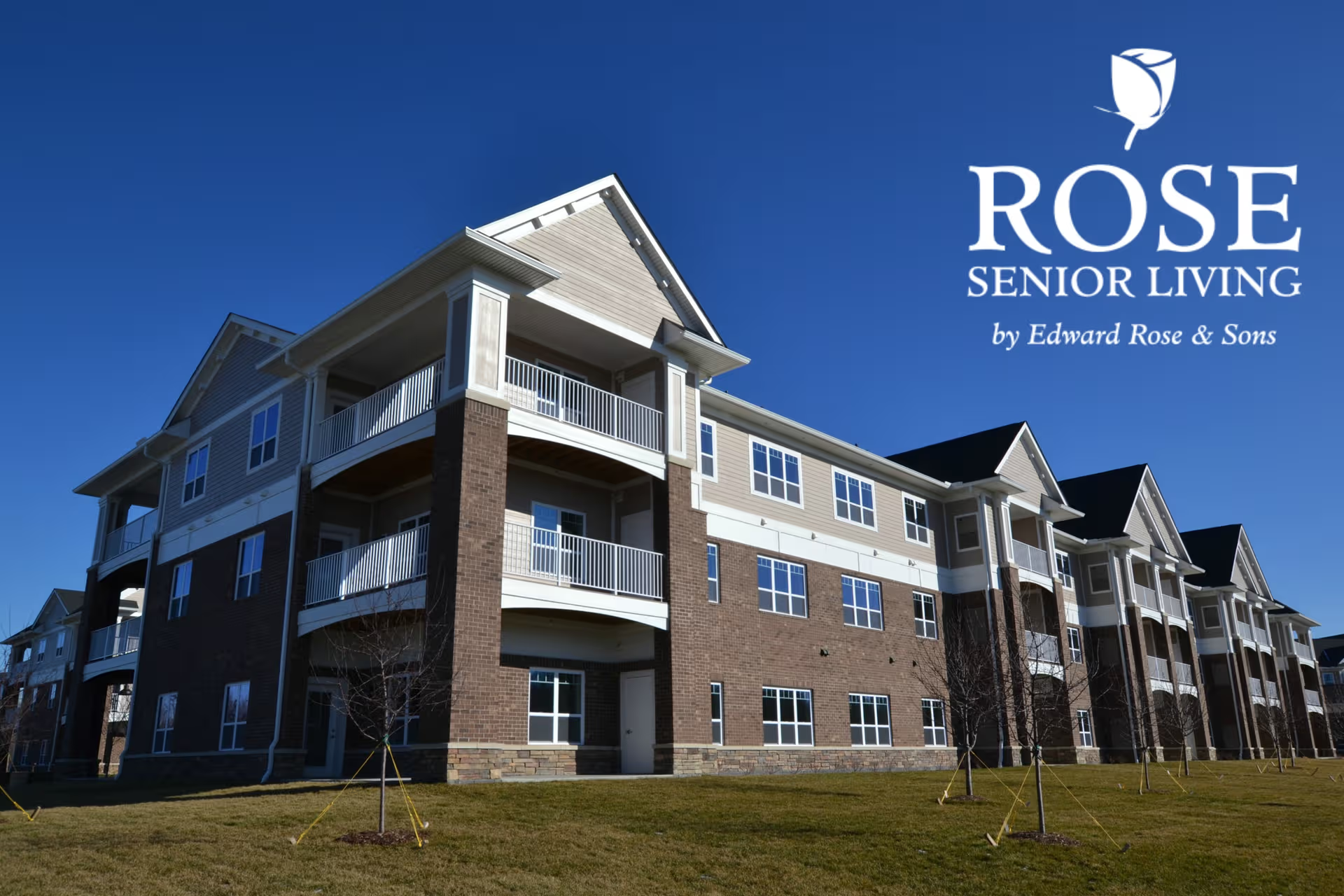
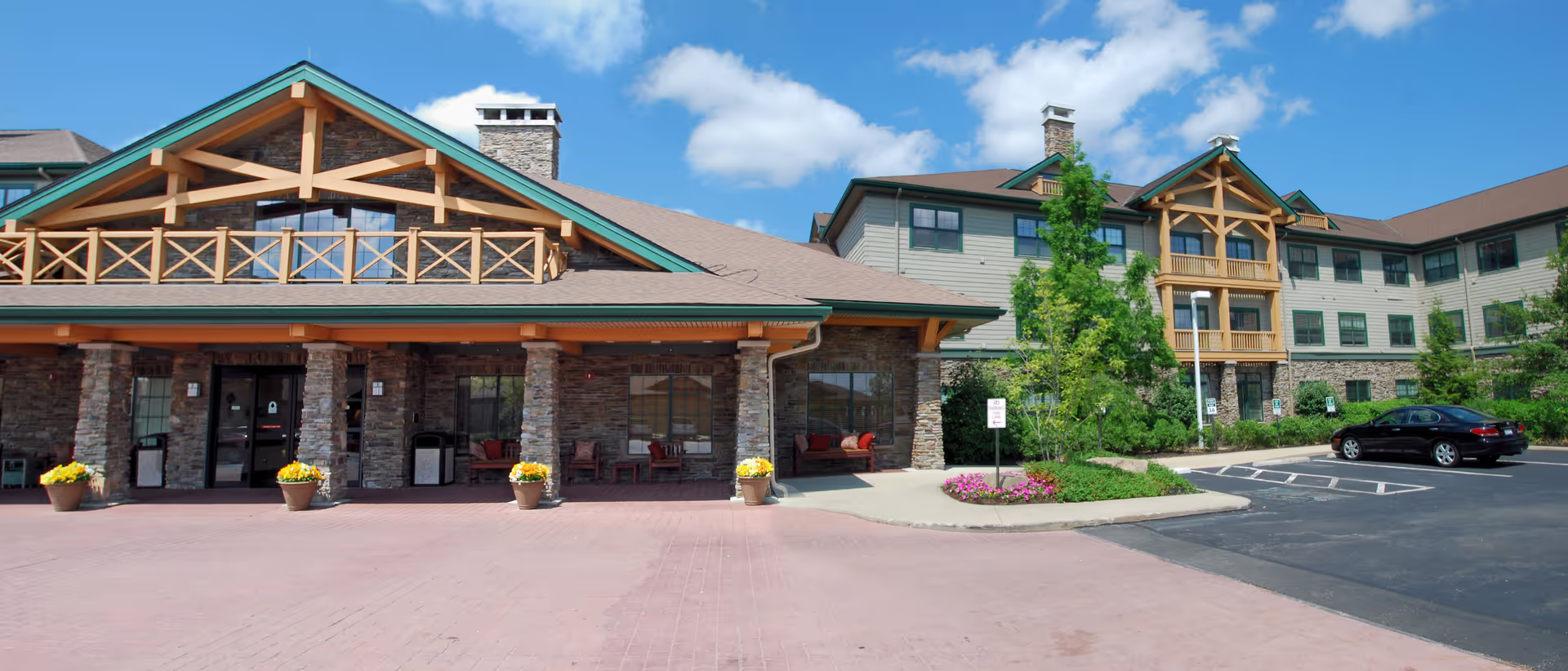
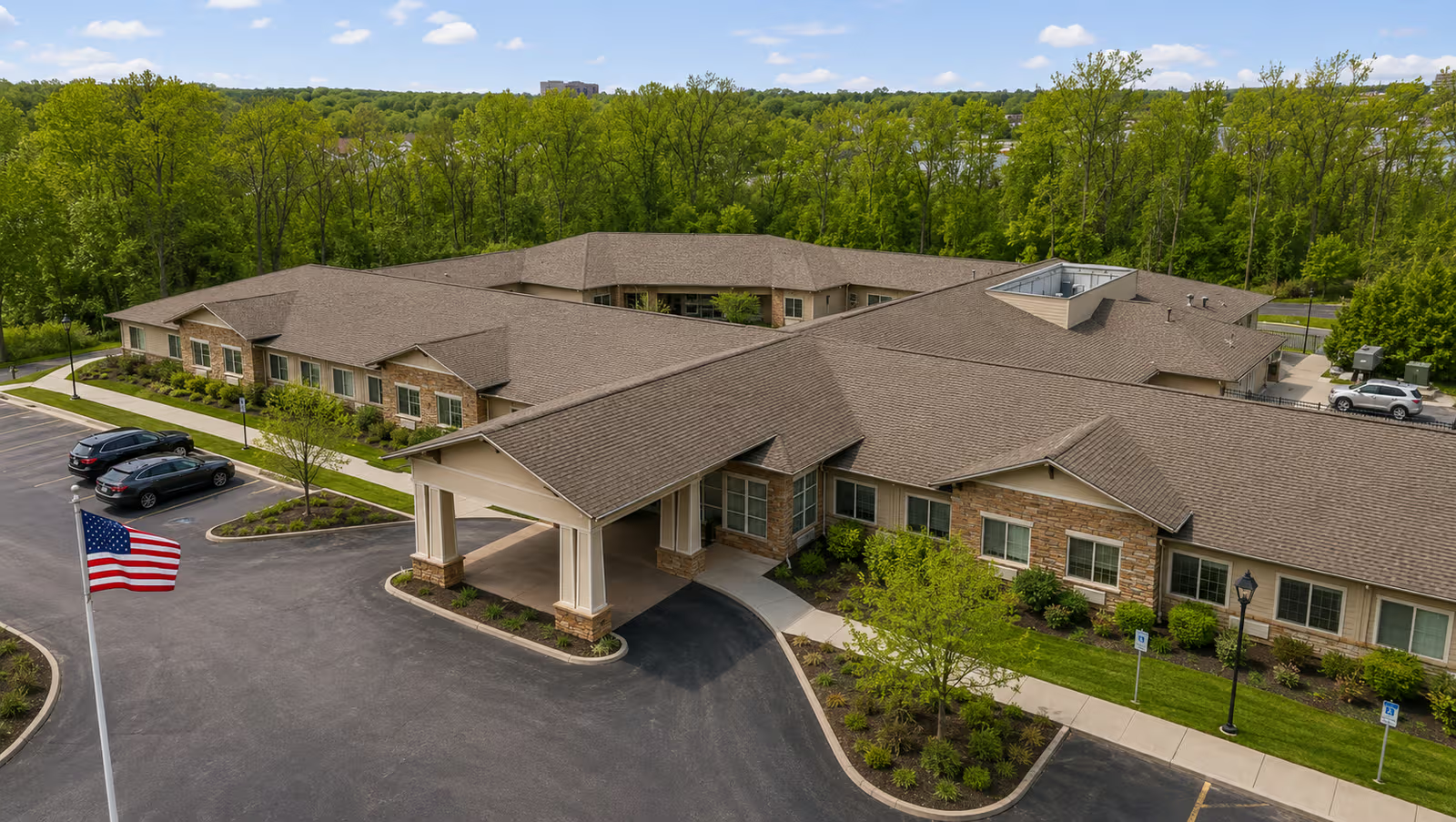
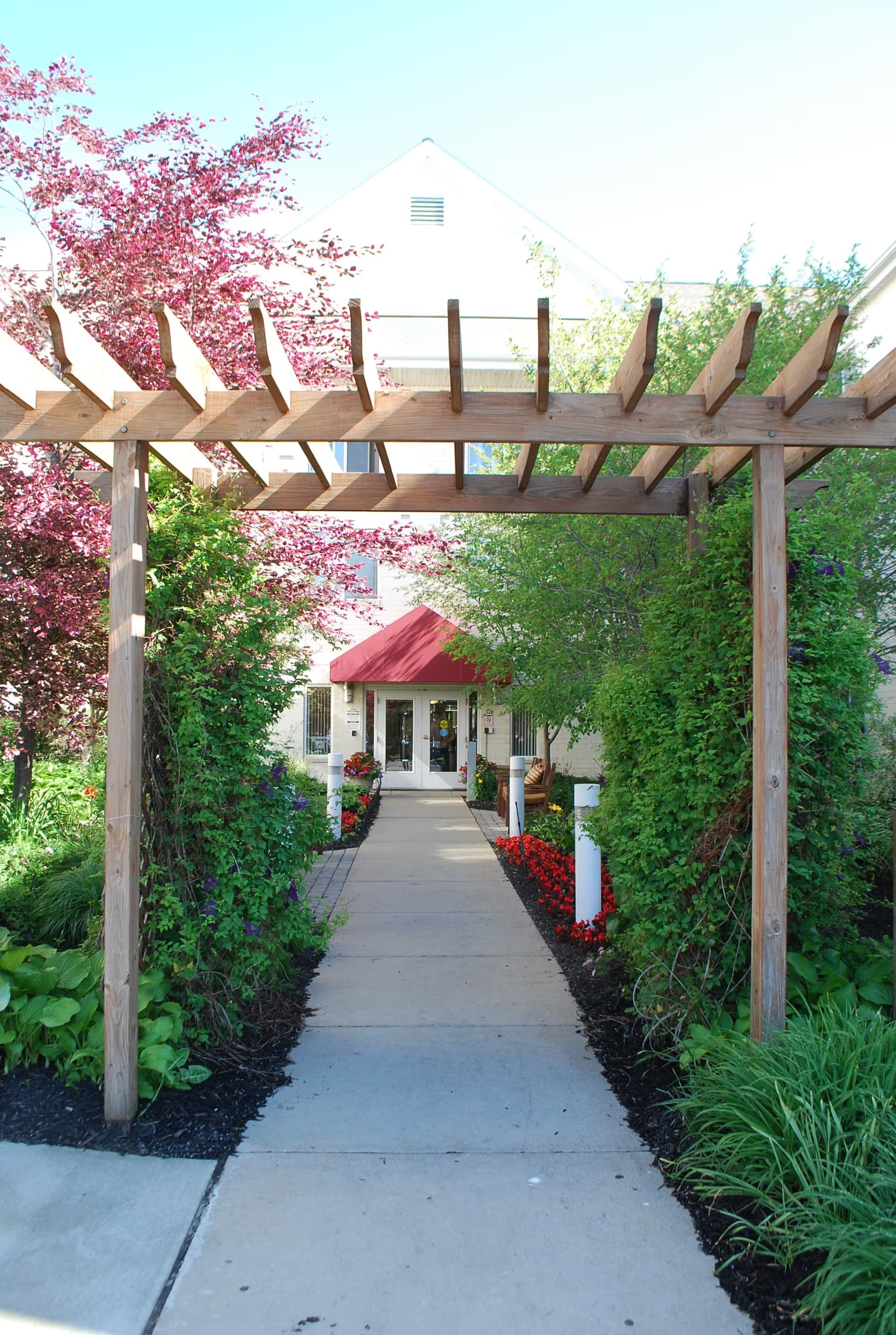
Hamlet at Chagrin Falls is consistently described as a scenic, campus-style community with a large, light-filled central atrium and extensive outdoor, wooded grounds. Apartments are often characterized as bright, spacious, and well laid-out with full kitchens and large windows; common amenities include a dining room, library, salon, exercise space, on-site therapy and wellness resources, and an active transportation/shuttle program. Independent-living residents and families commonly praise the breadth of activities—live music, lectures, outings, and frequent scheduled events coordinated by an engaged Activities Director—which contribute to a socially active environment.
Direct-care staff receive frequent positive mentions for friendliness, compassion, and resident engagement; many families credit staff with helping residents settle and participate in community life. That positive staff sentiment is a recurring strength and is paired with praise for well-maintained landscaping and an overall attractive campus atmosphere. Several reviewers also highlight transparent conversations about costs and insurance options, a useful feature for prospective residents assessing financial fit.
Alongside these strengths, there are notable and recurring operational concerns that prospective residents and families should evaluate. A cluster of comments points to inconsistent care responsiveness and gaps in clinical oversight or individualized care planning—examples include delayed attention to personal-care needs and questions about medication oversight. These items suggest the need to verify staffing levels, shift coverage, care-plan review processes, and clinical-supervision routines during a tour and pre-move evaluation.
Dining quality and meal service are described unevenly: many reviewers report nourishing, varied meals and pleasant dining spaces, while others describe overcooked or pre-prepared dishes and inconsistent meal delivery. Housekeeping and sanitation impressions are mostly positive for outdoor and shared spaces, but a subset of comments raise sanitation and odor concerns in some indoor areas and indicate variability in housekeeping thoroughness. Facility infrastructure is a mixed picture as well: the property is attractive and park-like, but parts of the campus and some buildings are older and noted as needing modernization; physical access can be a challenge for mobility-limited residents because of stairs, limited elevator access in some buildings, and hilly terrain.
Administrative and management patterns also show divergence. Several families report helpful, communicative managers and smooth transitions between levels of care on campus, while others cite billing errors, administrative inaccuracies, ownership changes perceived as leading to tighter budgets, and limited formal complaint-resolution pathways. A small number of reviews describe more serious individual incidents; a few of those are framed as alleged lapses that prompted family or outside intervention. Because such claims vary in severity and frequency, prospective families should request documentation of incident reporting, staffing ratios, training protocols, and recent state inspection results.
Practical recommendations for families: tour the community during a mealtime and an activities period, ask for details on staffing ratios and clinical oversight for the intended level of care, review sample menus and medication-management policies, inquire about housekeeping schedules and complaint-resolution procedures, and confirm accessibility for the specific apartment under consideration. Overall, Hamlet offers strong programming, an appealing setting, and many examples of thoughtful staff engagement, but the community shows variability in clinical consistency, dining, and facility updates that merit specific, written assurances prior to move-in.