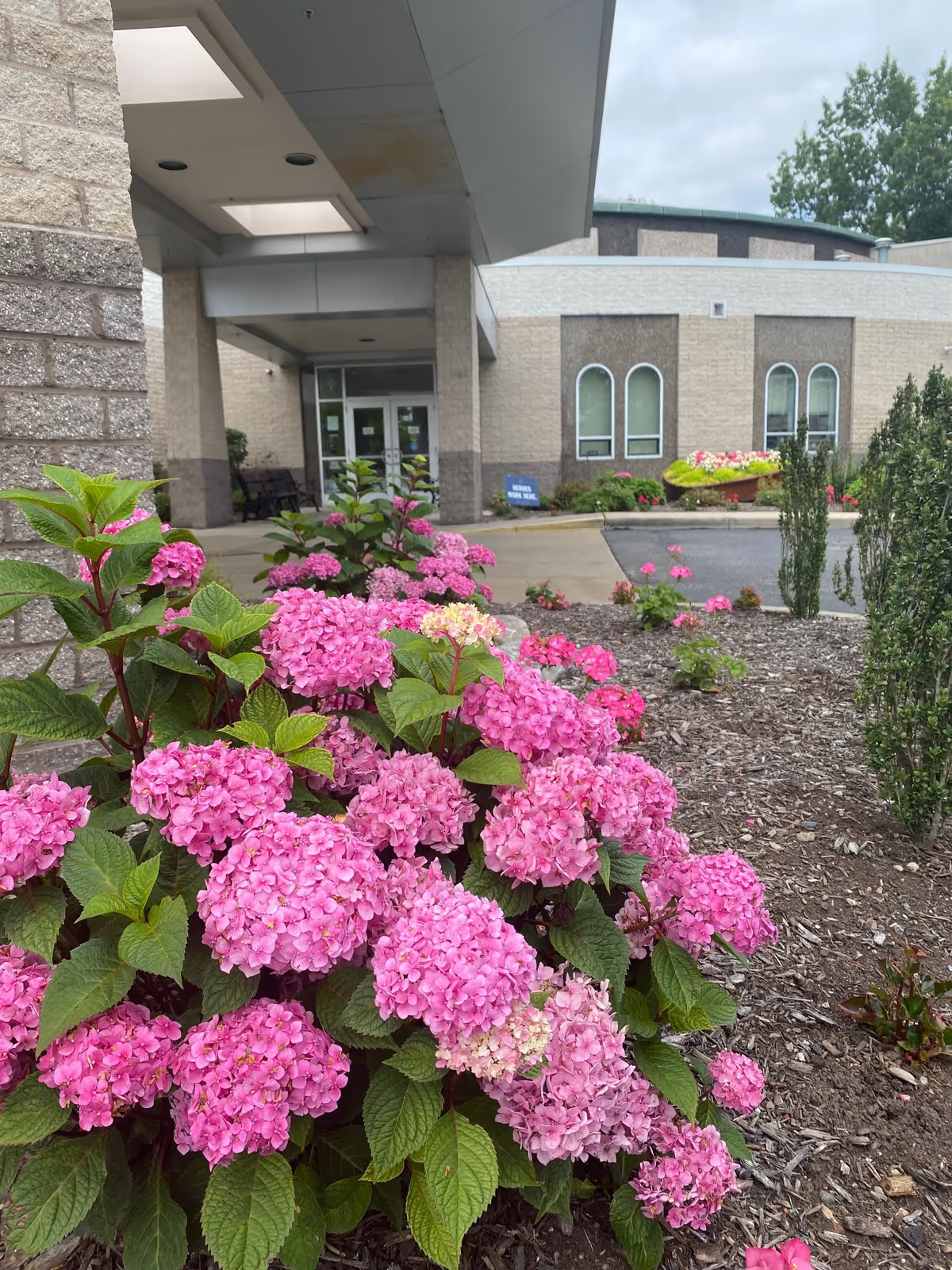
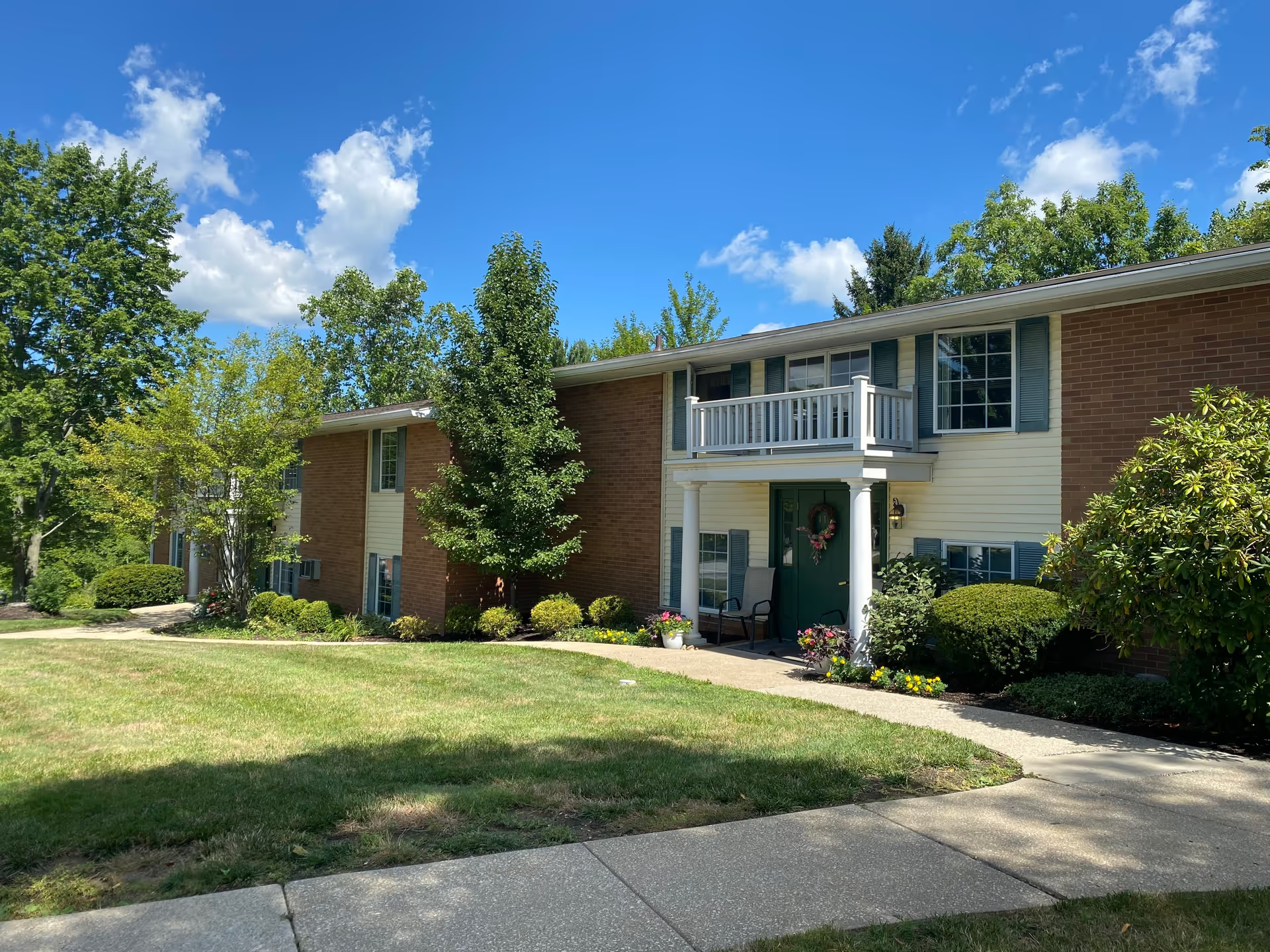
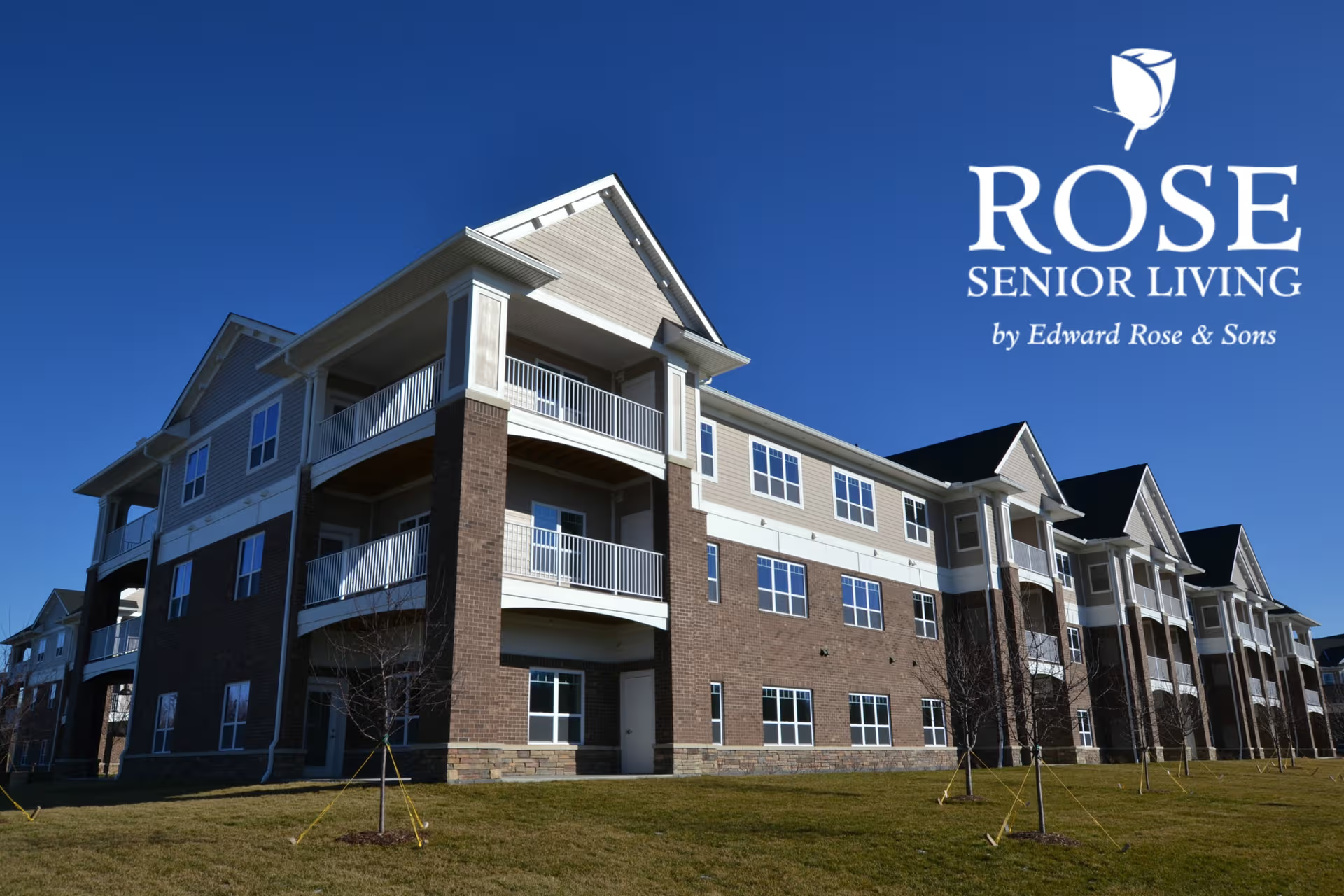
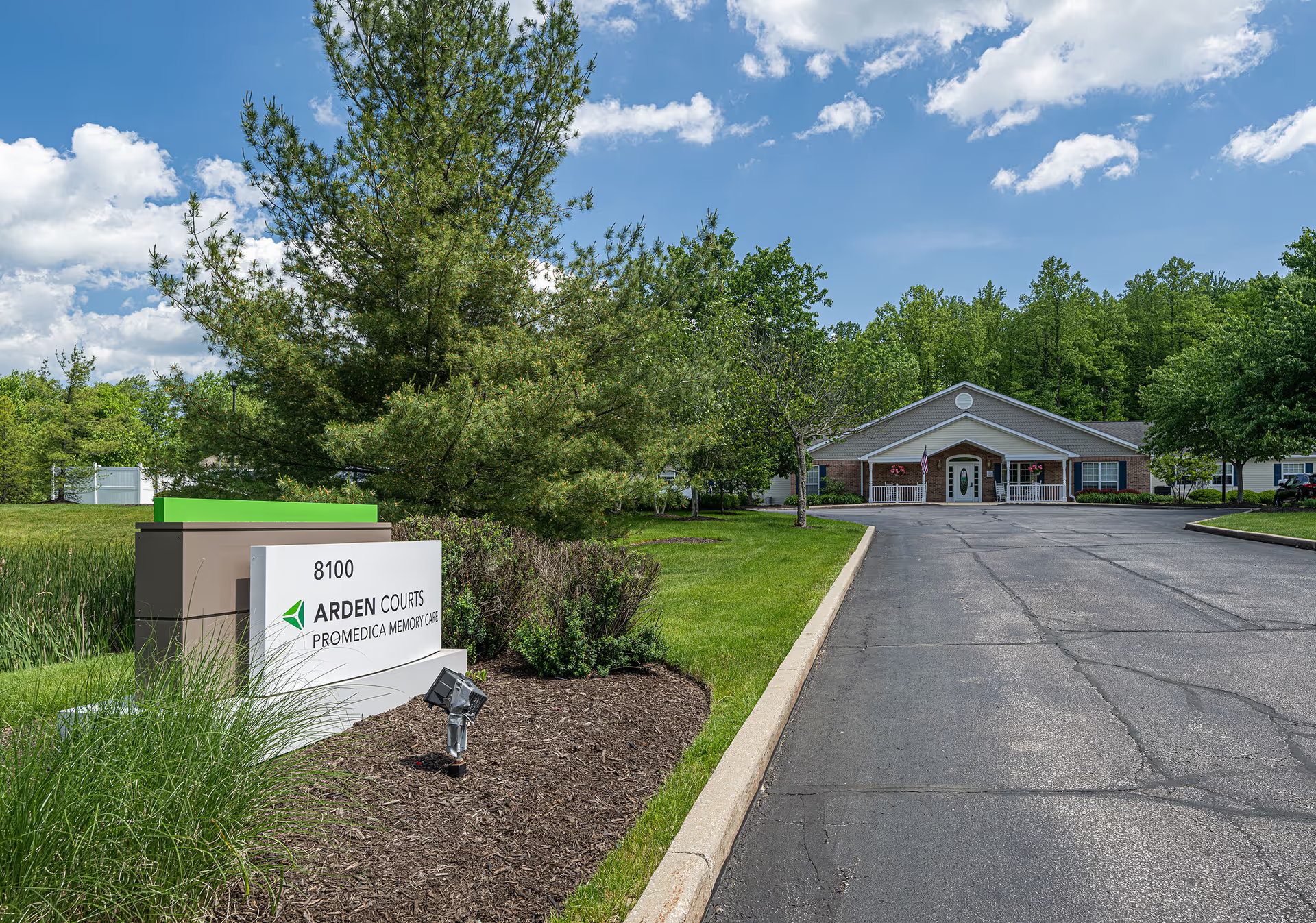
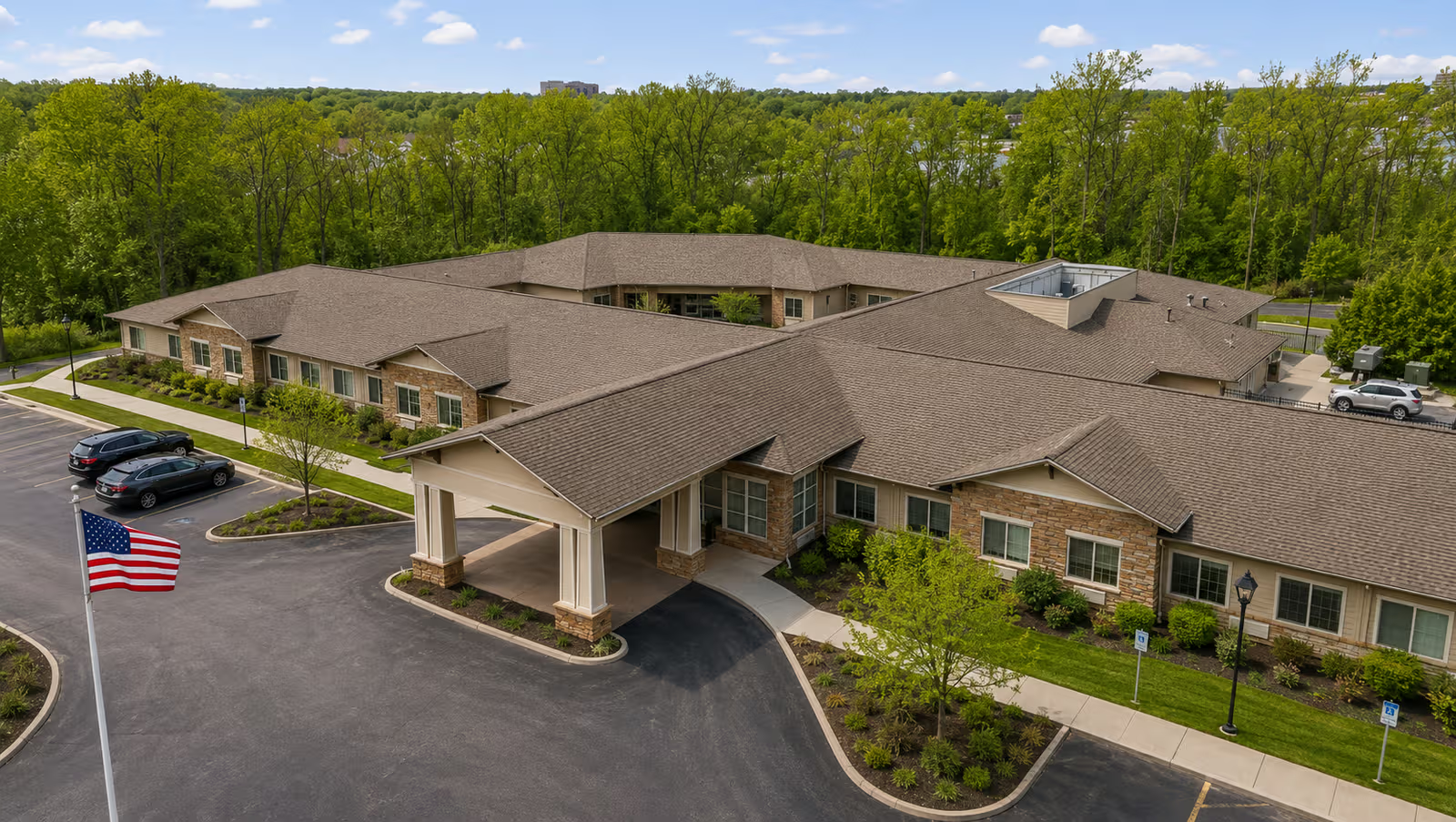
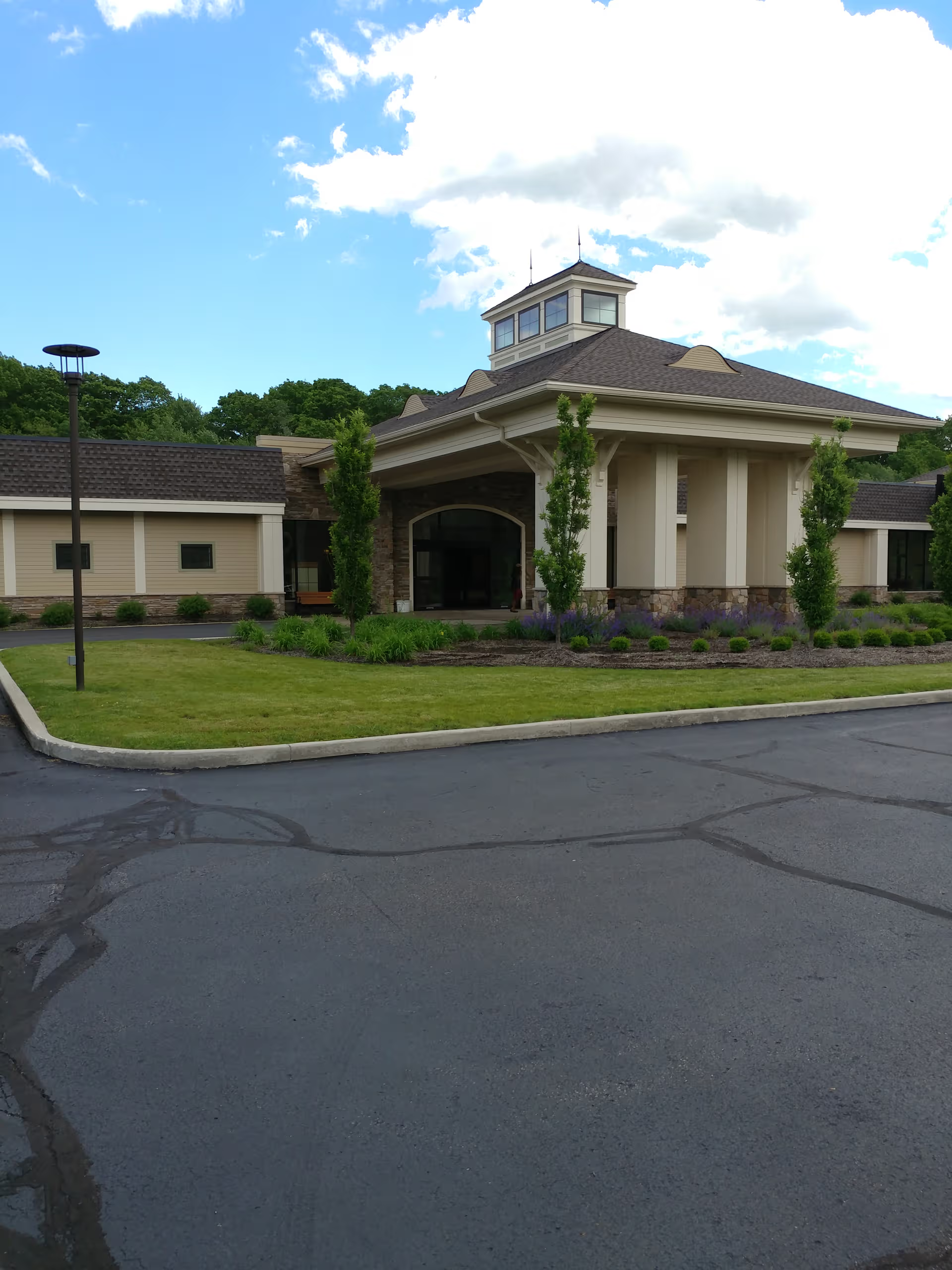
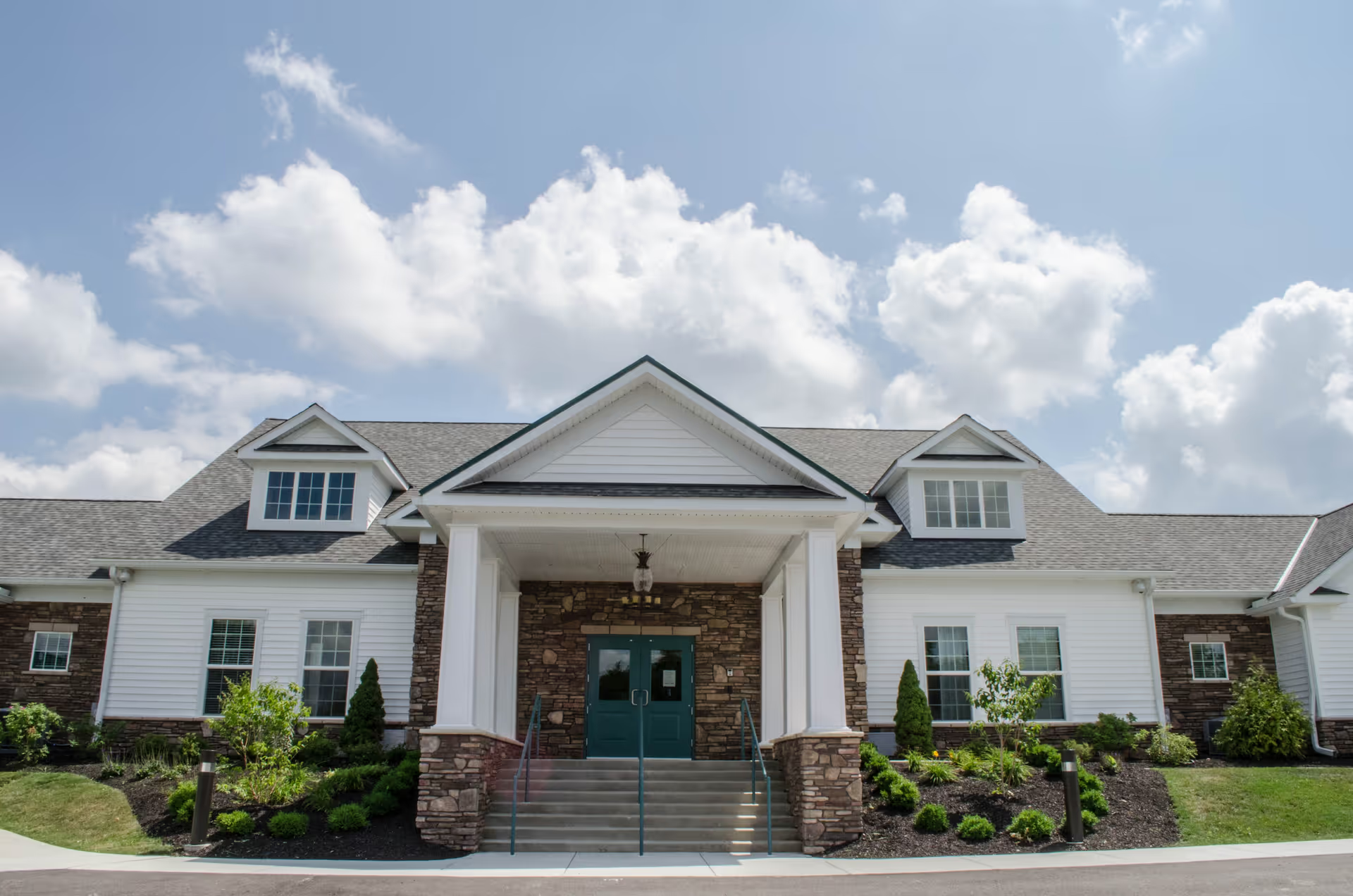
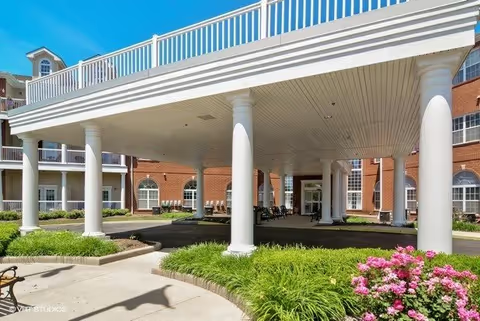
Vitalia Active Adult Community at Solon presents a largely positive living environment characterized by a new, well-maintained campus and an active resident community. Reviewers consistently cite attractive common areas, modern apartment layouts with kitchenettes and large bathrooms, and a broad suite of amenities — including a fitness center, theater, pool, and game room — that support both physical activity and social engagement. Housekeeping, maintenance, and recreational staffing are commonly described as contributing to a "resort-like" atmosphere that many residents and families find appealing.
Staffing and direct care are described in predominantly positive terms: caregivers, wellness staff, and activity leaders are frequently praised as warm, attentive, and familiar with residents' names. The activities program is a recurring strength, with a wide range of options (fitness classes, Tai Chi, seated cardio, drumming, arts and crafts, virtual programming, and travelogues) that promote both physical and cognitive engagement. Memory-care programming and a structured activity schedule are also viewed favorably, and many families report a smooth move-in and transition process supported by accommodating staff.
Dining and food service emerge as a prominent area of mixed experience. Several accounts praise chef-prepared meals and restaurant-style dining; however, there is a consistent countervailing theme of inconsistent food quality, overcooked or greasy entrees, long waits for dinner service, and menu items being unavailable. Operational limitations — including understaffing in the kitchen, prolonged service times, limited table-seating configurations, and strain from expansion or higher resident volumes — are cited as contributors to these dining issues. These operational shortcomings appear to affect resident satisfaction and social dining arrangements.
Management and operational leadership show a mixed pattern. Some reviewers describe responsive leadership that resolves issues with integrity, while others note executive turnover, slow follow-through on concerns, and occasional dismissive interactions at front-desk or nursing-management levels. Communication lapses are evident in family interactions around personal belongings, care coordination, and post-incident follow-up; reviewers express a desire for more frequent clinical reassessments and clearer alignment between care delivered and billing practices.
Recurring operational themes worth noting for prospective residents and families are chronic understaffing (notably impacting meal service and perceived responsiveness), dining-room capacity and scheduling pressures, intermittent pest-control concerns in ventilation, and variability in management responsiveness. In balance, the community’s strong social environment, extensive activities, attractive physical plant, and many highly regarded staff members are significant positives, while ongoing attention to dining operations, staffing stability, clinical reassessment cadence, and communication practices would likely improve consistency of the resident experience.