Overall impression: Reviews portray Arden Courts of Chagrin Falls as a dementia-focused memory-care community with many consistently praised elements. Families and visitors frequently highlight warm, compassionate caregiving, a small-house 16-person pod model with an on-site kitchen, and an environment that is bright, clean, and garden-oriented. Many reviewers describe improved resident well-being, greater engagement, and a sense of safety and dignity for residents; hospice and end-of-life support are also noted positively.
Care and staff: Staff quality is a dominant positive theme. Reviewers repeatedly praise attentive aides, experienced nurses, and visible leadership who provide proactive family communication and frequent updates. Low turnover and long-tenured employees are cited as contributors to continuity of care and familiarity with individual residents' needs. At the same time, reviews indicate variability in caregiver experience and occasional inconsistencies across shifts; there is at least one alleged serious incident concerning restraint and medication use, and several comments point to the need to confirm training, supervision, and incident-reporting processes when evaluating the facility.
Dining and clinical nutrition: Dining is generally described as a strength — on-site cooking in small households, plentiful choices, and flexible meal options are commonly noted, and some families reported positive physical changes tied to the food program. However, there are instances indicating inconsistent adherence to clinical dietary protocols (for example, concerns about diabetic diet compliance). Prospective families should ask about individualized meal plans, monitoring for medical diets, and kitchen procedures for dietary restrictions.
Activities and programming: Activity offerings are robust and varied, with multiple daily options (music, exercise, drumming, art, pet visits, outings) and staff who actively encourage participation. The small-house model and multiple activity spaces support a homelike, social atmosphere. Some reviewers, however, describe variability in the relevance and accessibility of certain activities for residents with sensory or advanced cognitive limitations (for example, visual accessibility of printed materials or the cognitive appropriateness of some lectures). Ask about activity adaptations for residents with vision loss, hearing impairment, or different ability levels.
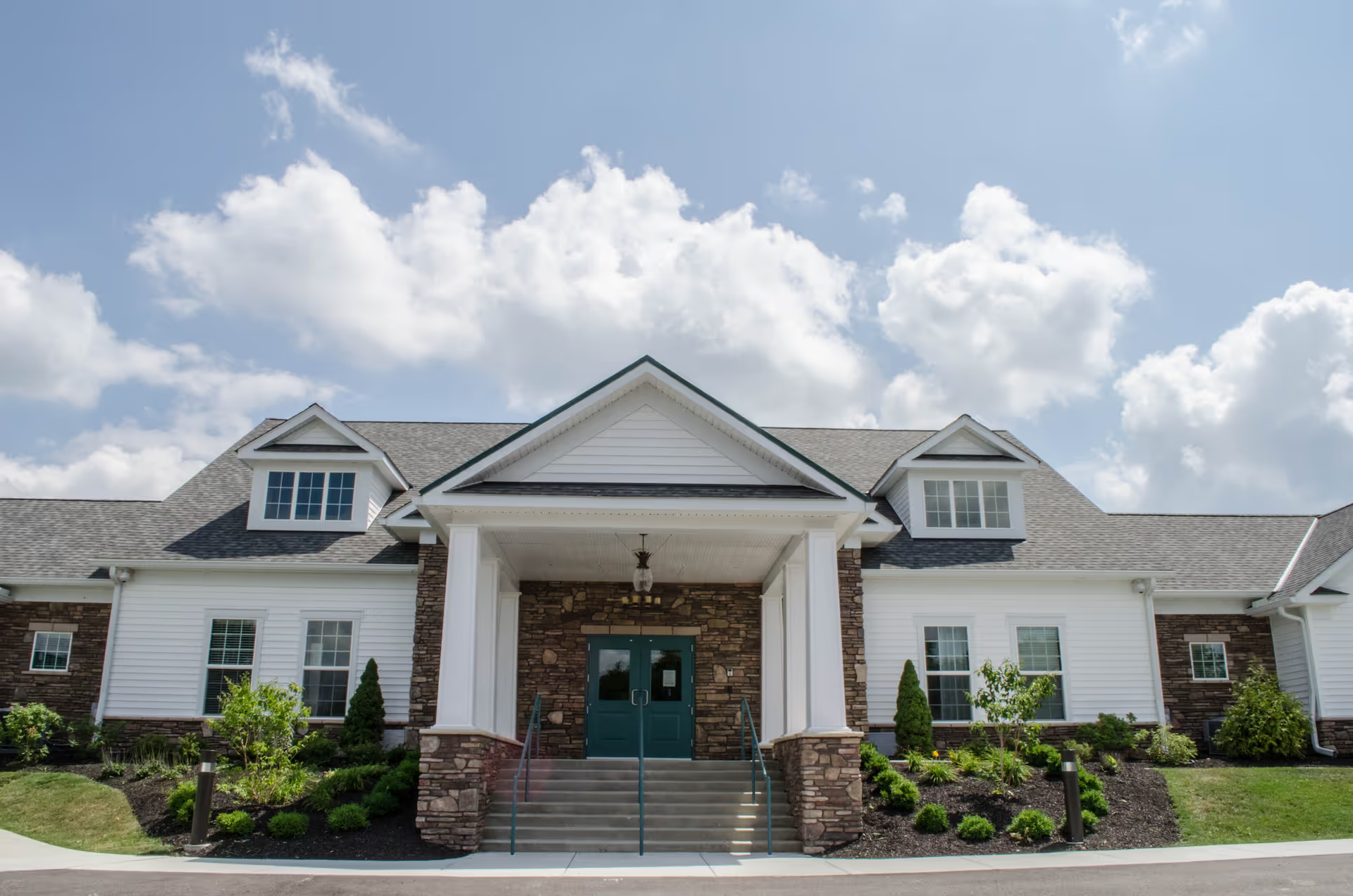
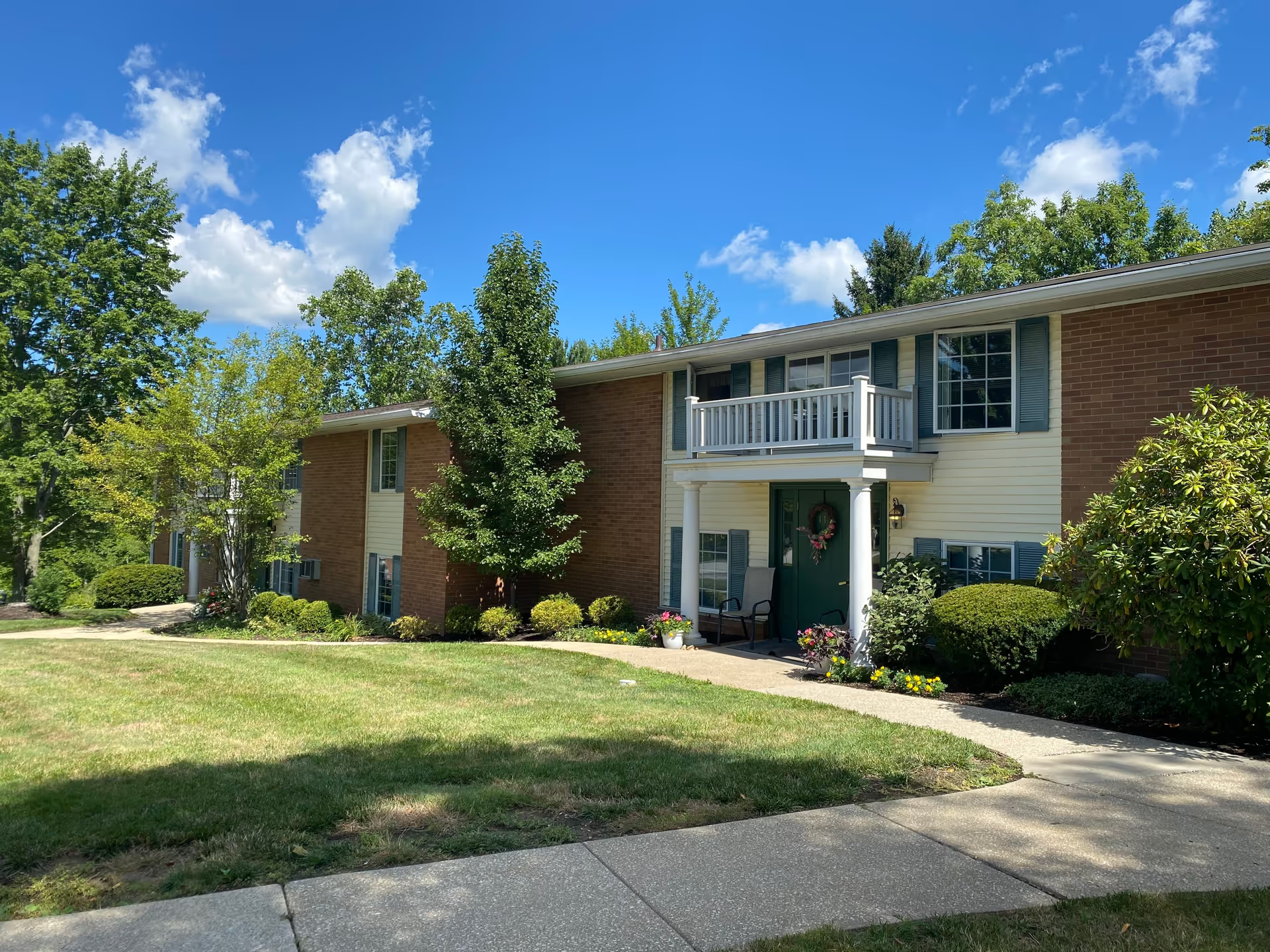
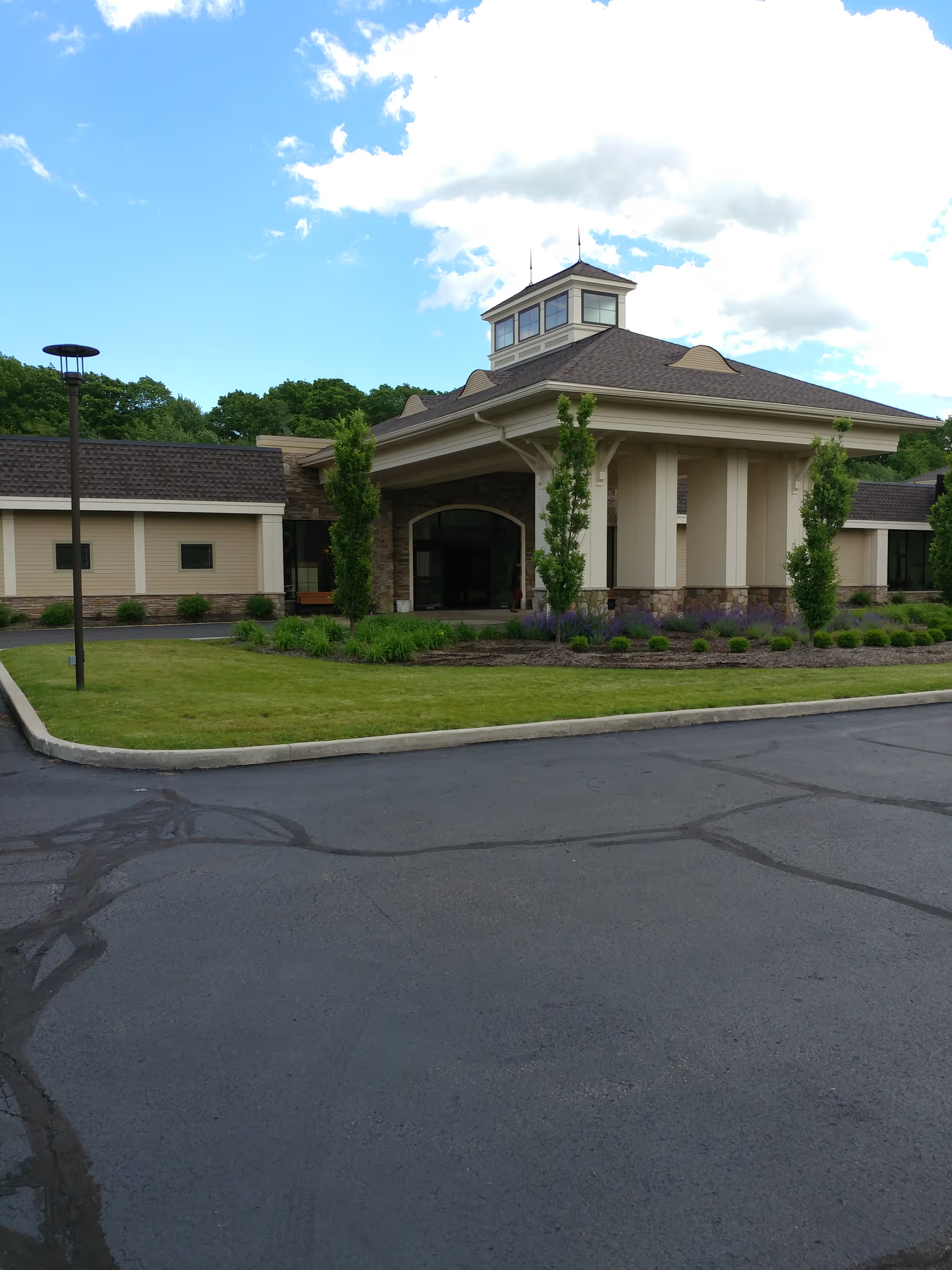
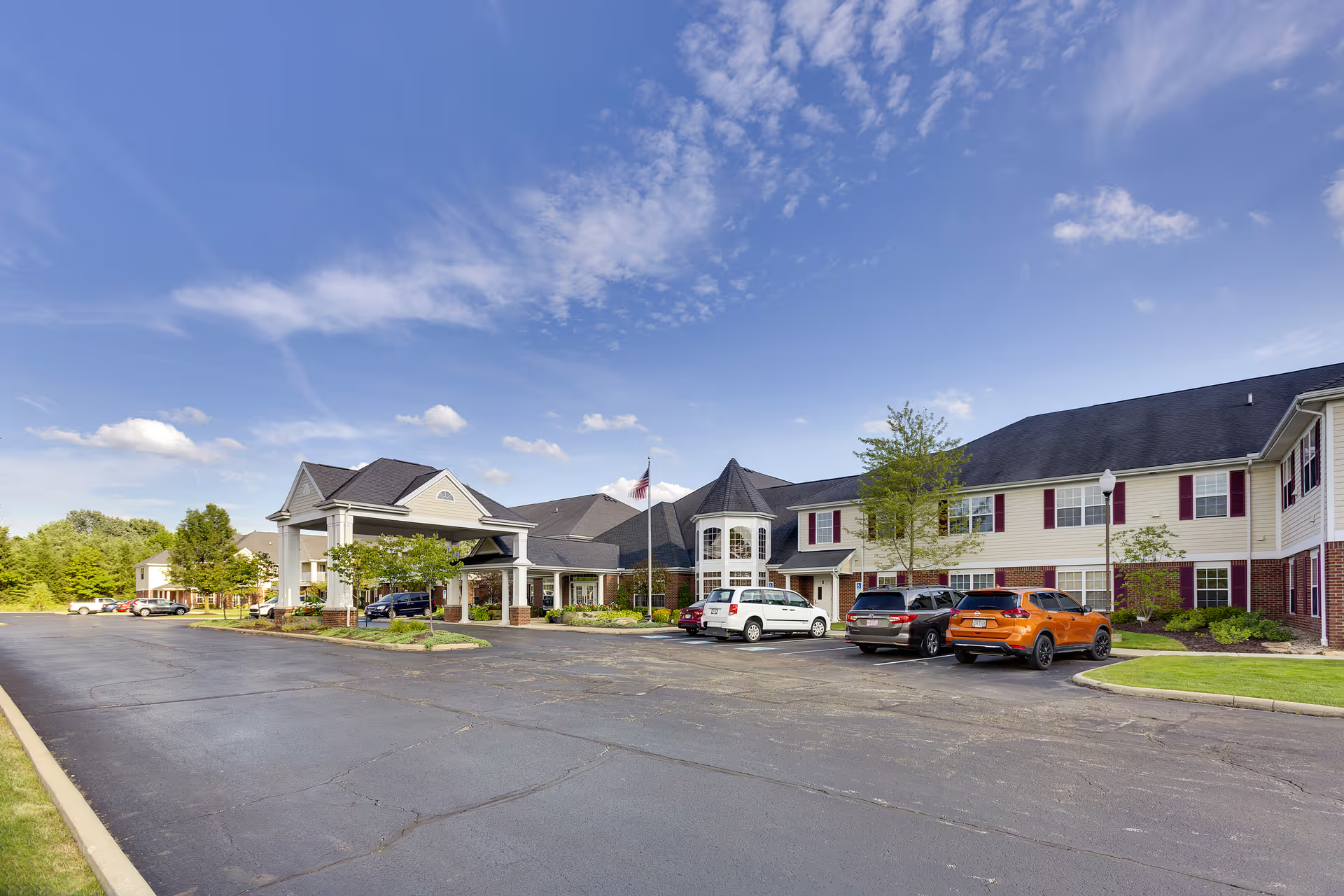
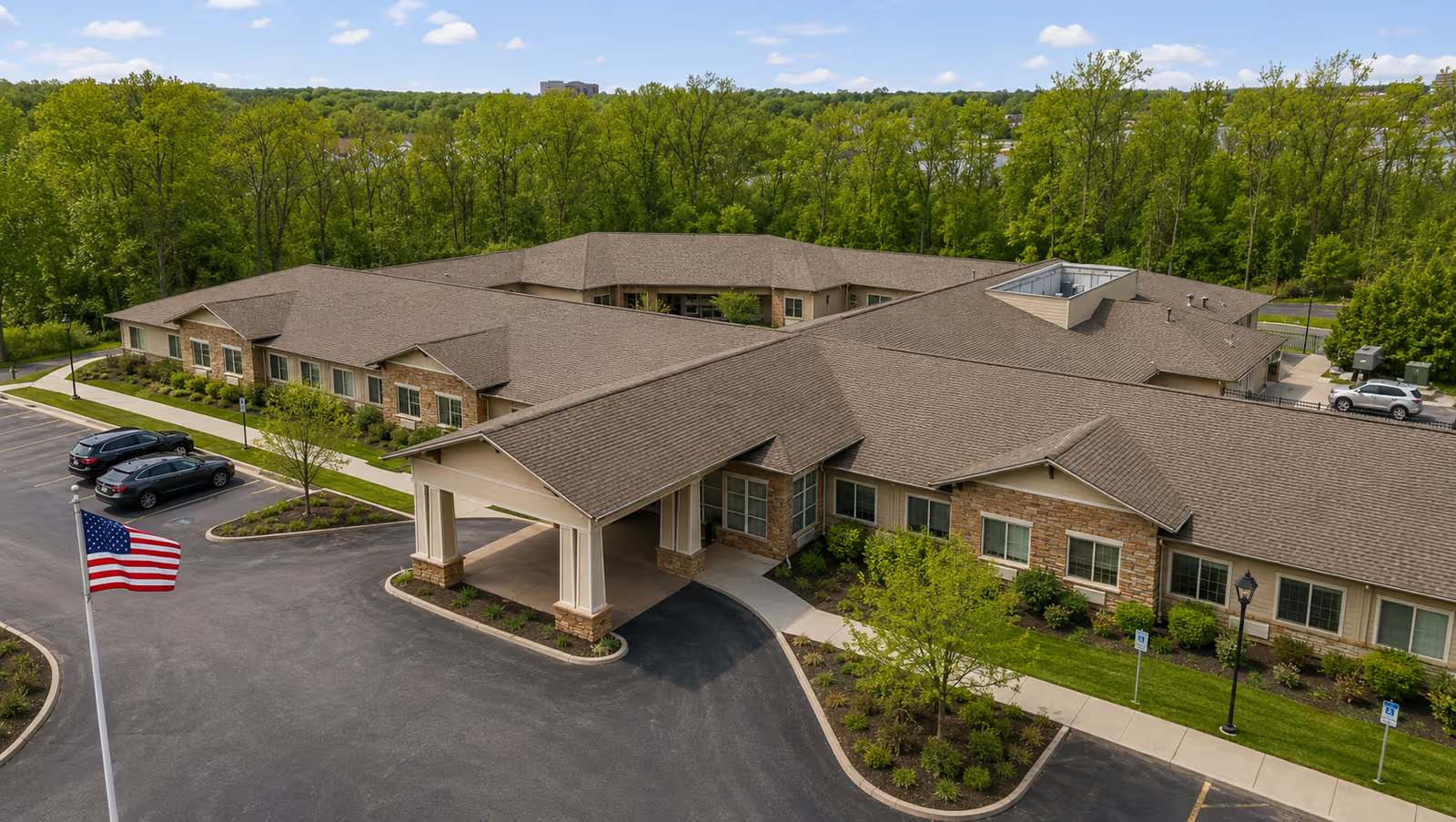
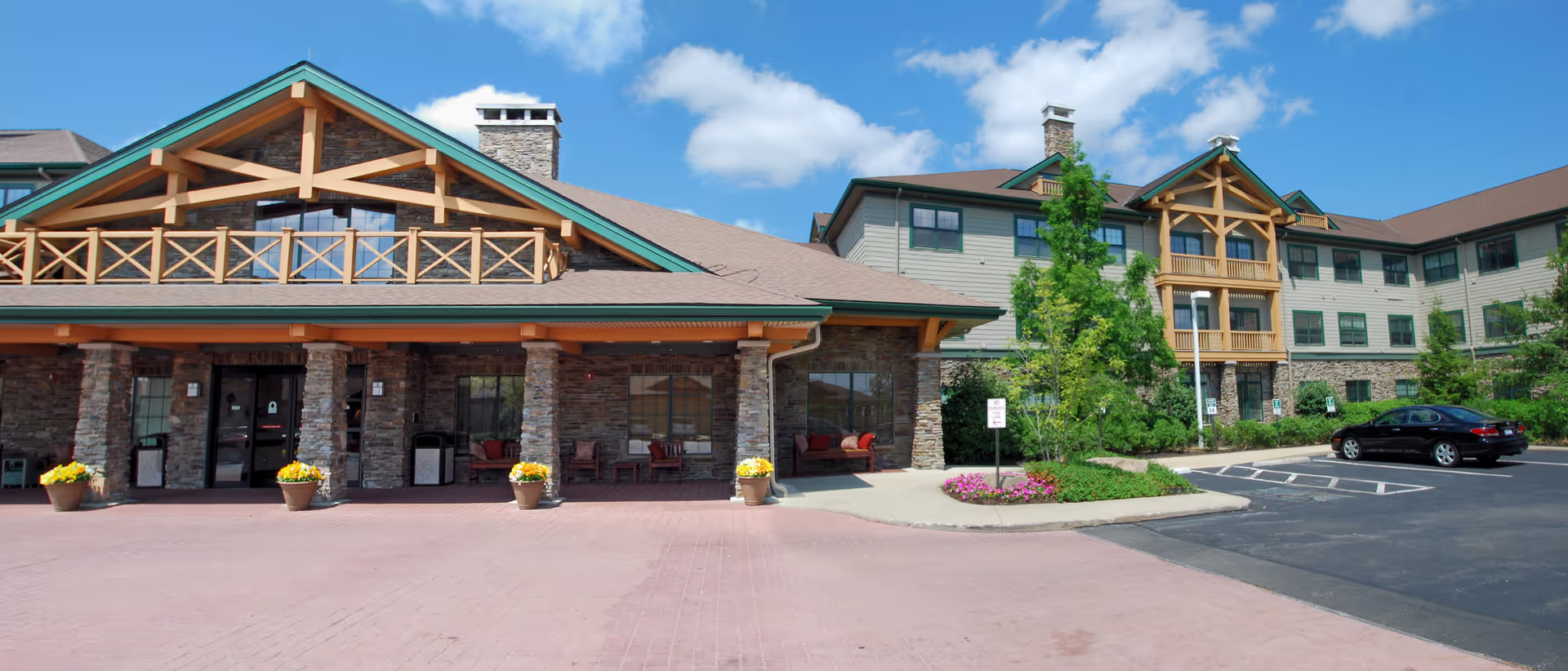
Facilities and management: Physical facilities receive high marks — secure courtyards, pleasant walkways, and well-kept common areas are frequent positives. Administrators and unit leadership are often described as responsive and helpful during admissions and transitions from hospital settings. Still, reviewers describe occasional lapses in discharge/transfer coordination and uneven quality control between pods. For families touring the community, recommended topics to verify include staffing patterns across shifts, clinical handoff procedures, medication and restraint policies, dietary protocol enforcement, and documentation of any past incidents and their resolutions.
Bottom line: Arden Courts of Chagrin Falls presents many strengths typical of high-quality memory-care programs — compassionate, experienced staff; a small-house model with on-site dining; substantial therapeutic programming; and attractive secure outdoor spaces. The most salient concerns raised relate to operational consistency: medication/restraint oversight, staff experience variability, dietary-protocol adherence, activity accessibility, and transfer coordination. Prospective residents and families will likely benefit from targeted questions about those operational areas during a visit and from reviewing the facility's training, incident reporting, and clinical oversight practices.