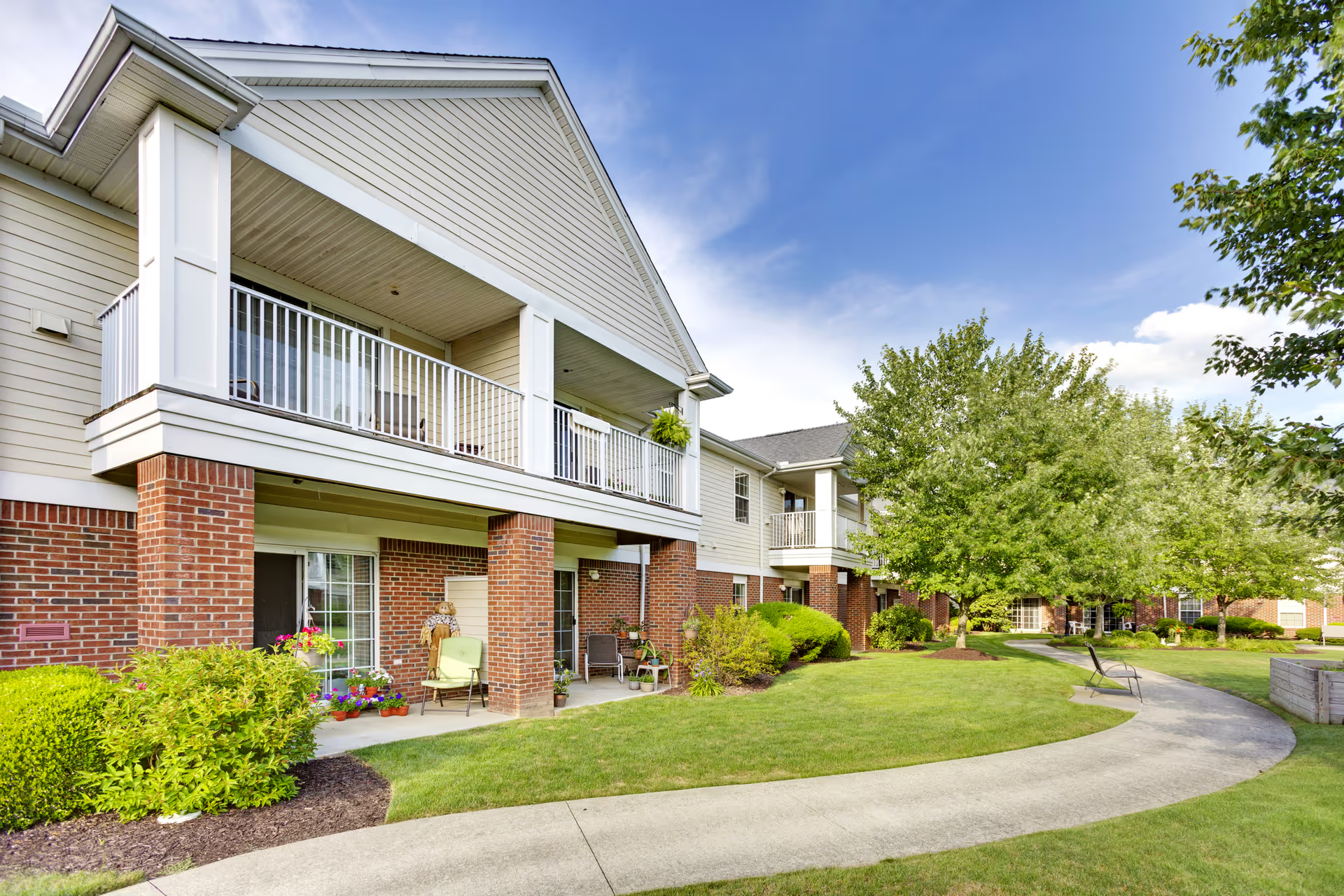
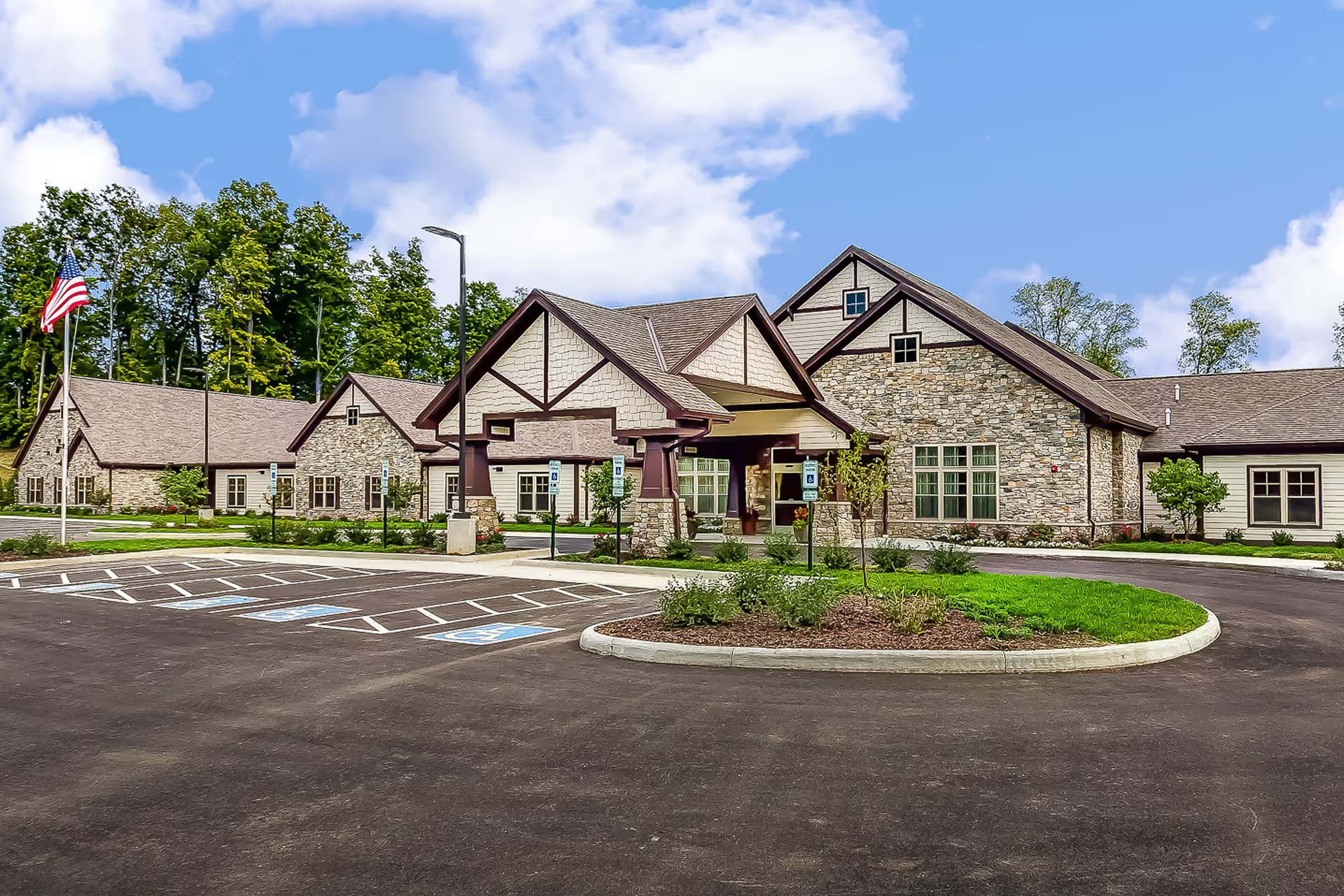
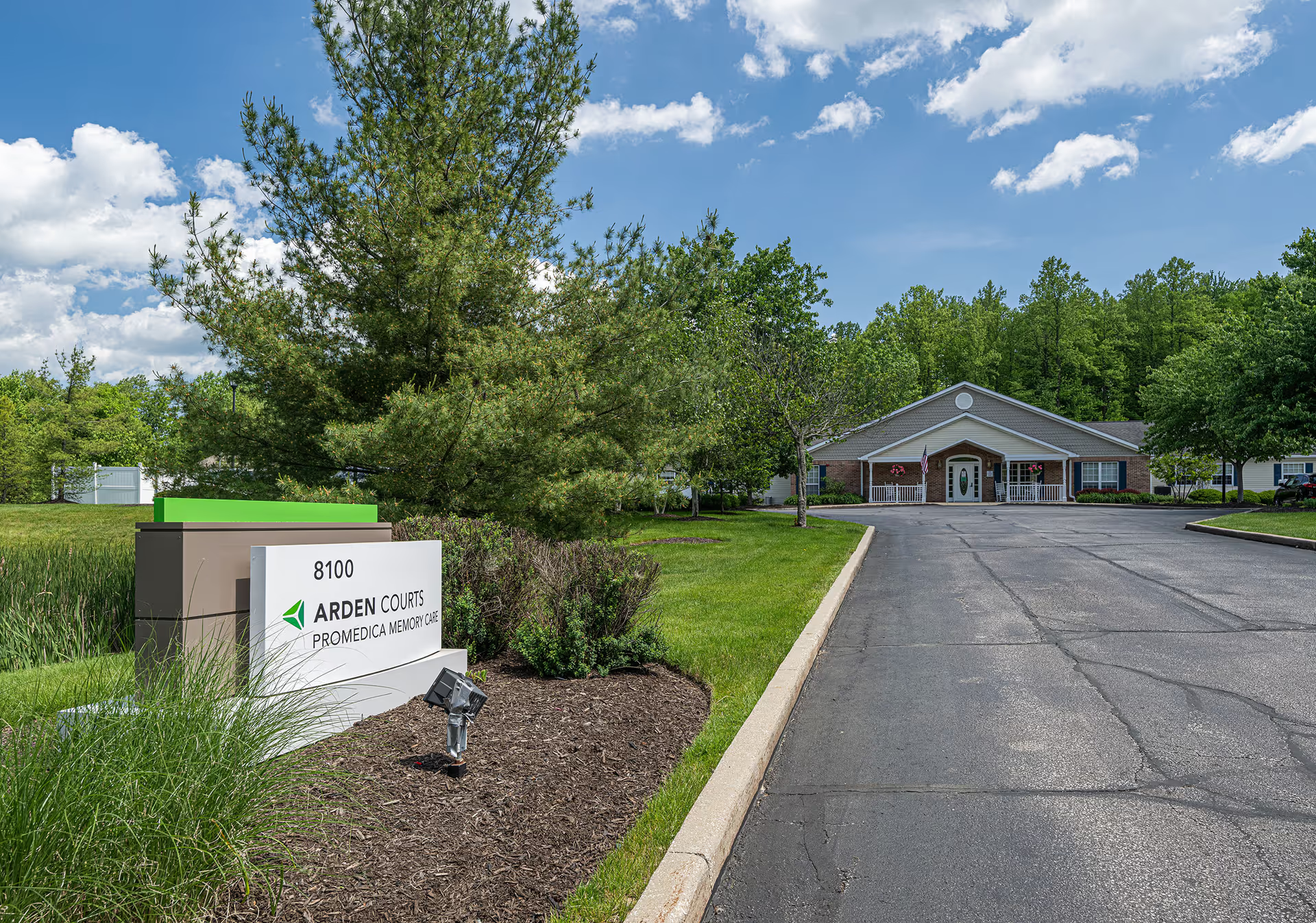
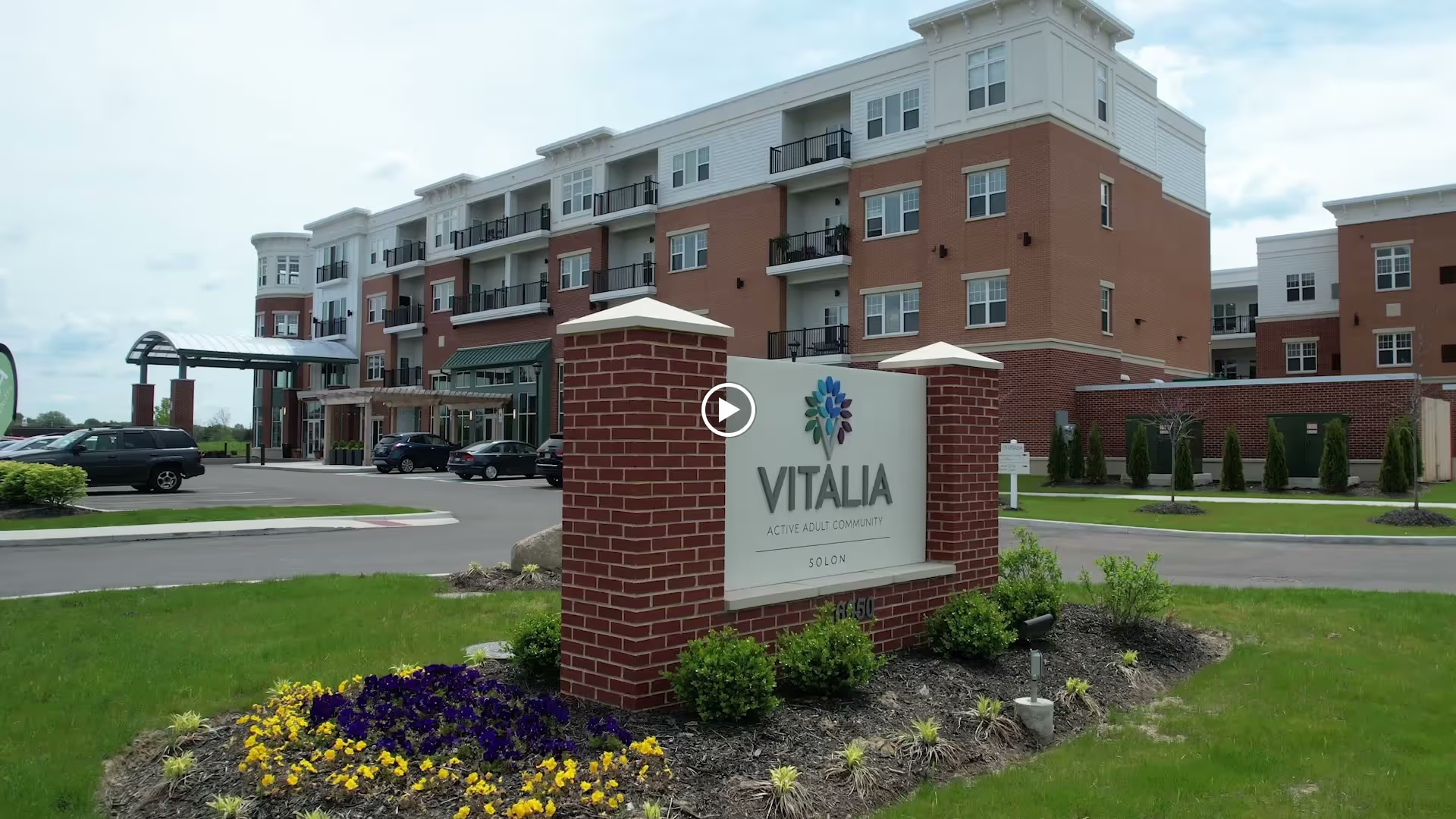
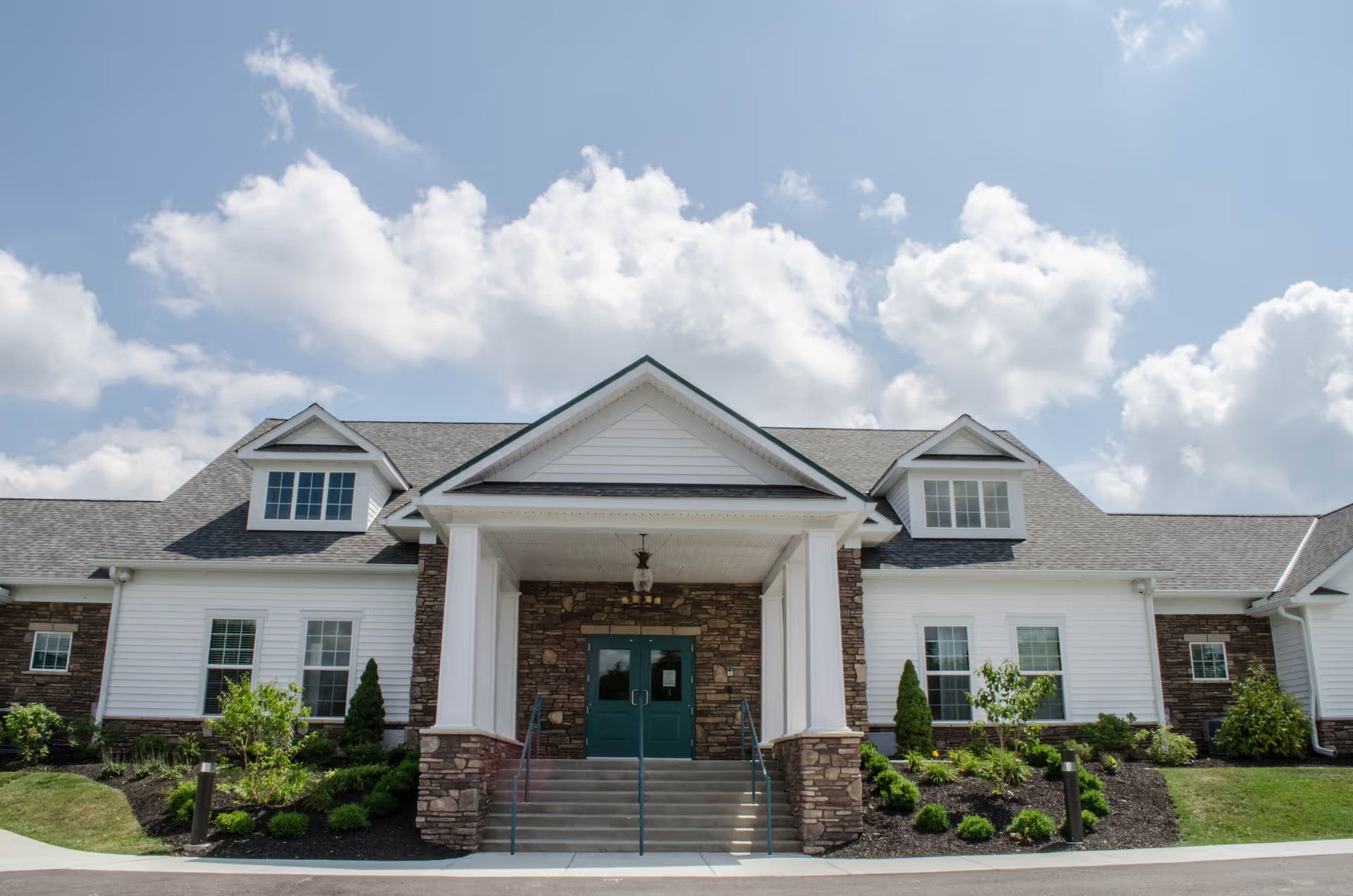
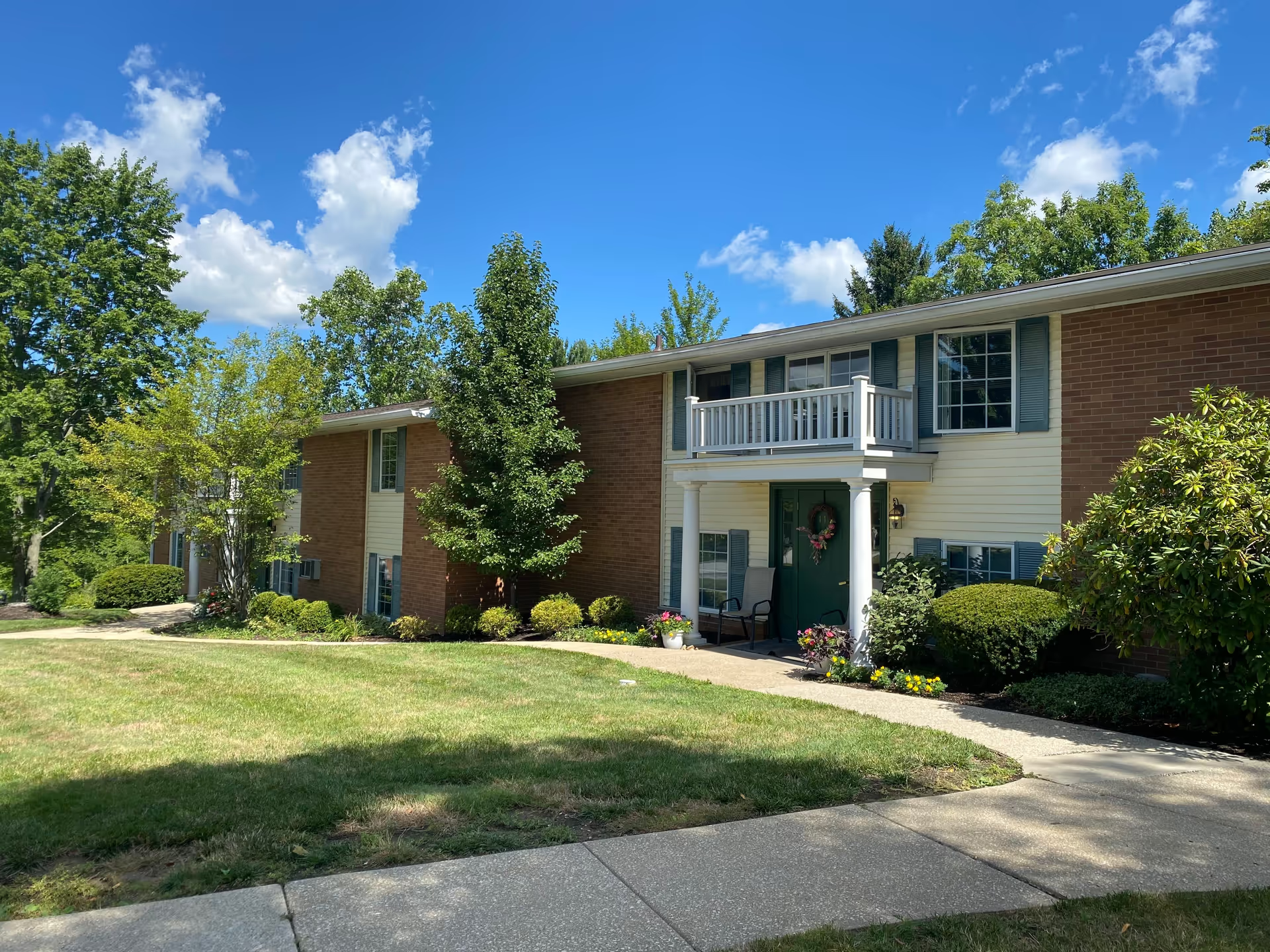
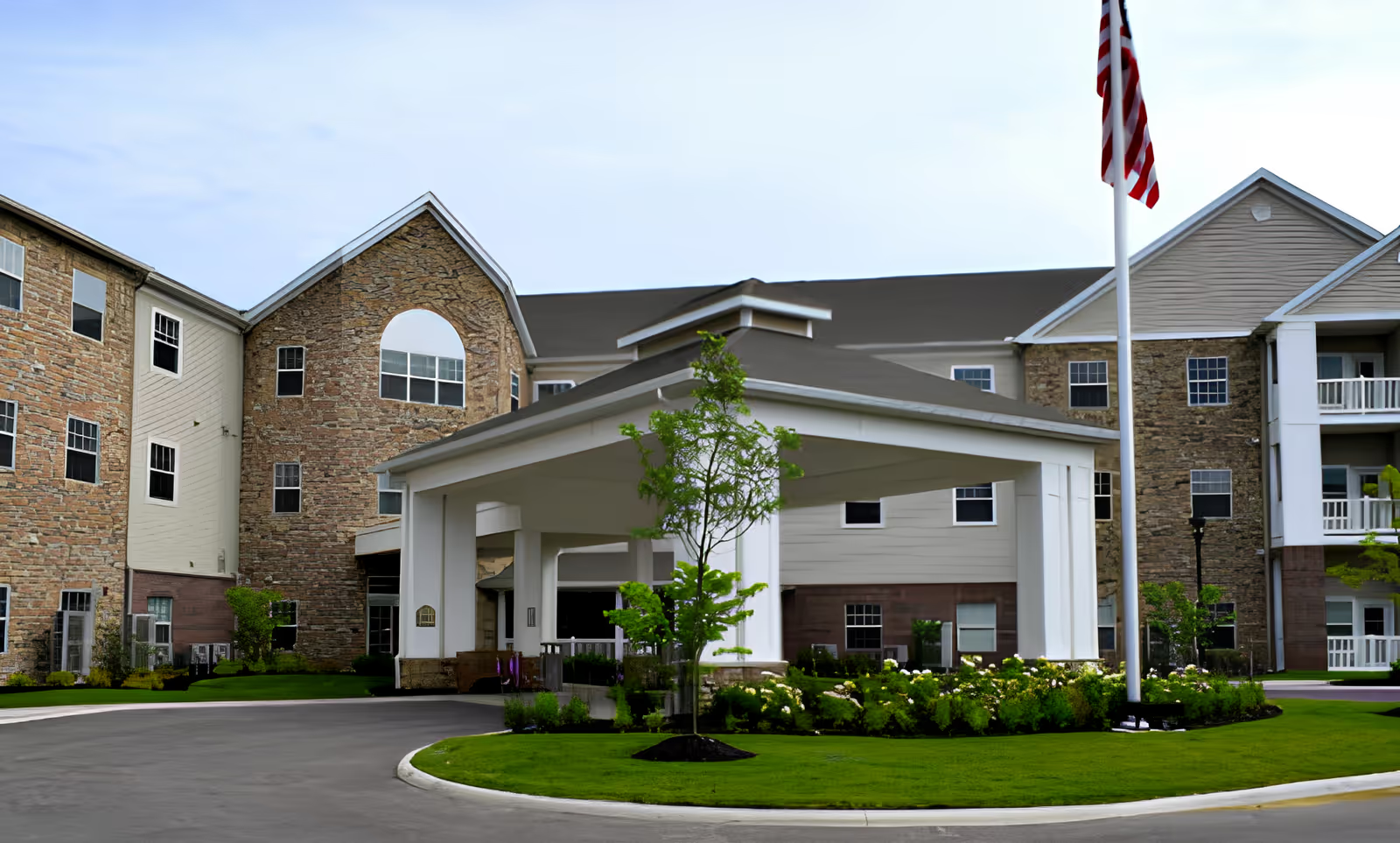
The Atrium of Aurora presents as a modern, amenity-rich senior living community with many strengths noted by families and residents. The physical environment is described as bright, airy, and well maintained, with a large indoor–outdoor atrium, therapy pool, multiple common areas (theater, library, dining room, fitness center), and walking tracks designed with senior mobility in mind. Apartment configurations that include kitchenettes and in-unit laundry are a frequent positive, and many comments emphasize the facility’s useful location near medical offices and retail.
Care and staffing are frequently cited as strong points. Reviewers consistently describe staff as friendly, compassionate, and attentive; long-tenured leadership and steady nursing and activities teams are highlighted where present. The community is often characterized as family-like, with staff gestures that personalize the experience (birthday recognition, favorite treats, individualized meal preferences). There are reports of robust rehab and therapy services, including a separate rehab unit and exercise equipment available to residents and non-residents.
Dining and programming receive consistently positive feedback. Multiple accounts describe high-quality, chef-driven meals, well-presented plates, and a variety of dining options including in-room service. Kitchen staff are noted for accommodating dietary preferences and tailoring offerings. Activities programming is described as engaging and varied, with community trips, in-house events, and memory-care–appropriate engagement for residents with cognitive impairment.
Despite these strengths, several operational weaknesses appear across accounts and merit consideration. Communication with families and administrative responsiveness emerge as recurring themes: delays or gaps in notifying families of placement or billing changes, front-desk availability issues, and difficulty reaching the office are described. Related concerns include inconsistencies in how admission benefits are applied and limited transparency around billing or unit changes. Clinical-support issues are also noted, including gaps in medication assistance and variability in therapy or activities follow-through for residents who require support.
Facility-level variability is another pattern: some residents occupy bright, deluxe units while other standard rooms are described as smaller or more constrained, and parts of the campus have been under phased build-out or remodeling, with certain amenities not yet fully operational at times. Housekeeping and sanitation are generally praised in many accounts, but some remarks indicate inconsistent execution across units. Cost and affordability are also factors — the community’s offerings align with a higher price point for some households.
In sum, the Atrium of Aurora offers a strong hospitality model with chef-driven dining, extensive amenities, purposeful memory-care programming, and staff who are widely regarded as compassionate and resident-focused. Prospective residents and families should balance these strengths against operational considerations: clarify medication and clinical-support processes, obtain a detailed explanation of billing and placement policies (including what benefits are guaranteed at move-in), inspect specific unit sizes and finishes, and confirm the current status of any amenities that may be in phased opening. Visiting the campus during an operational period and asking for written policies on communication, medication assistance, and housekeeping can help set clear expectations prior to enrollment.