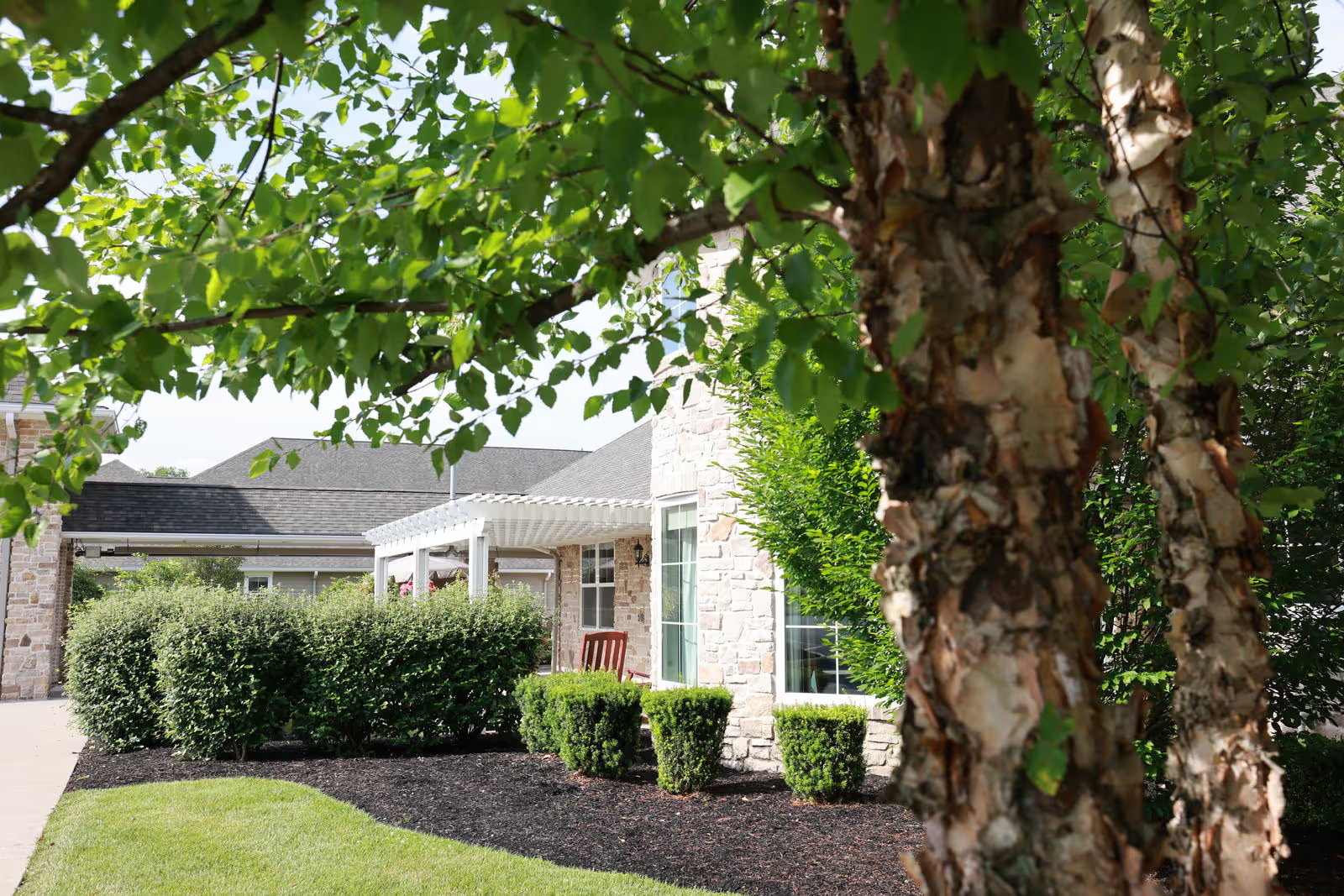
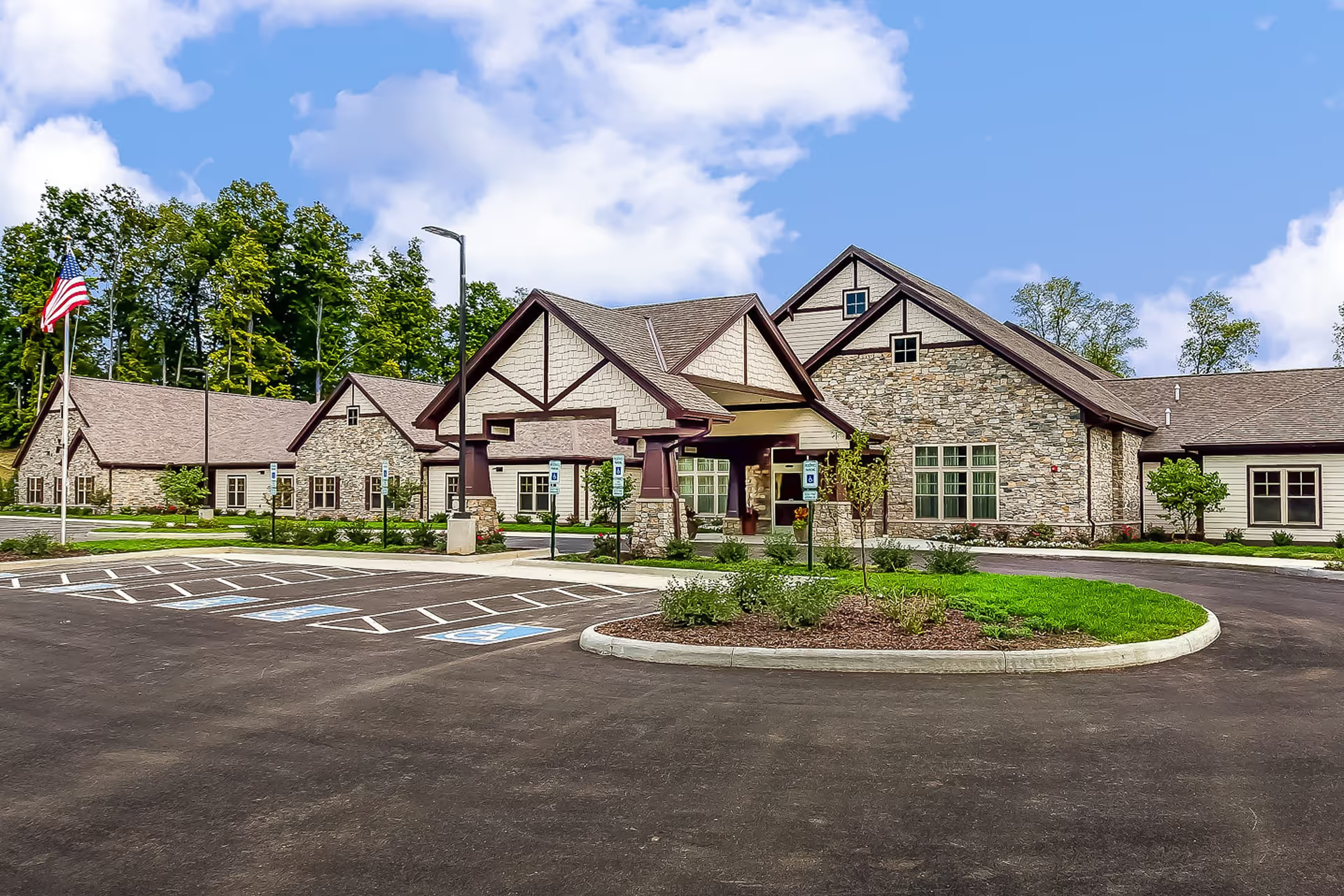
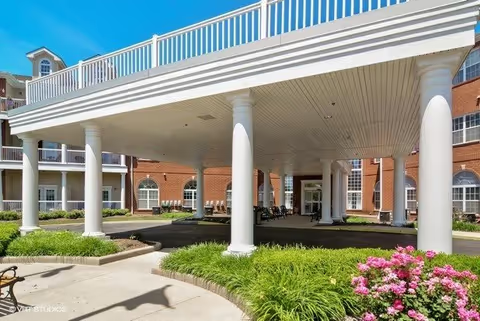
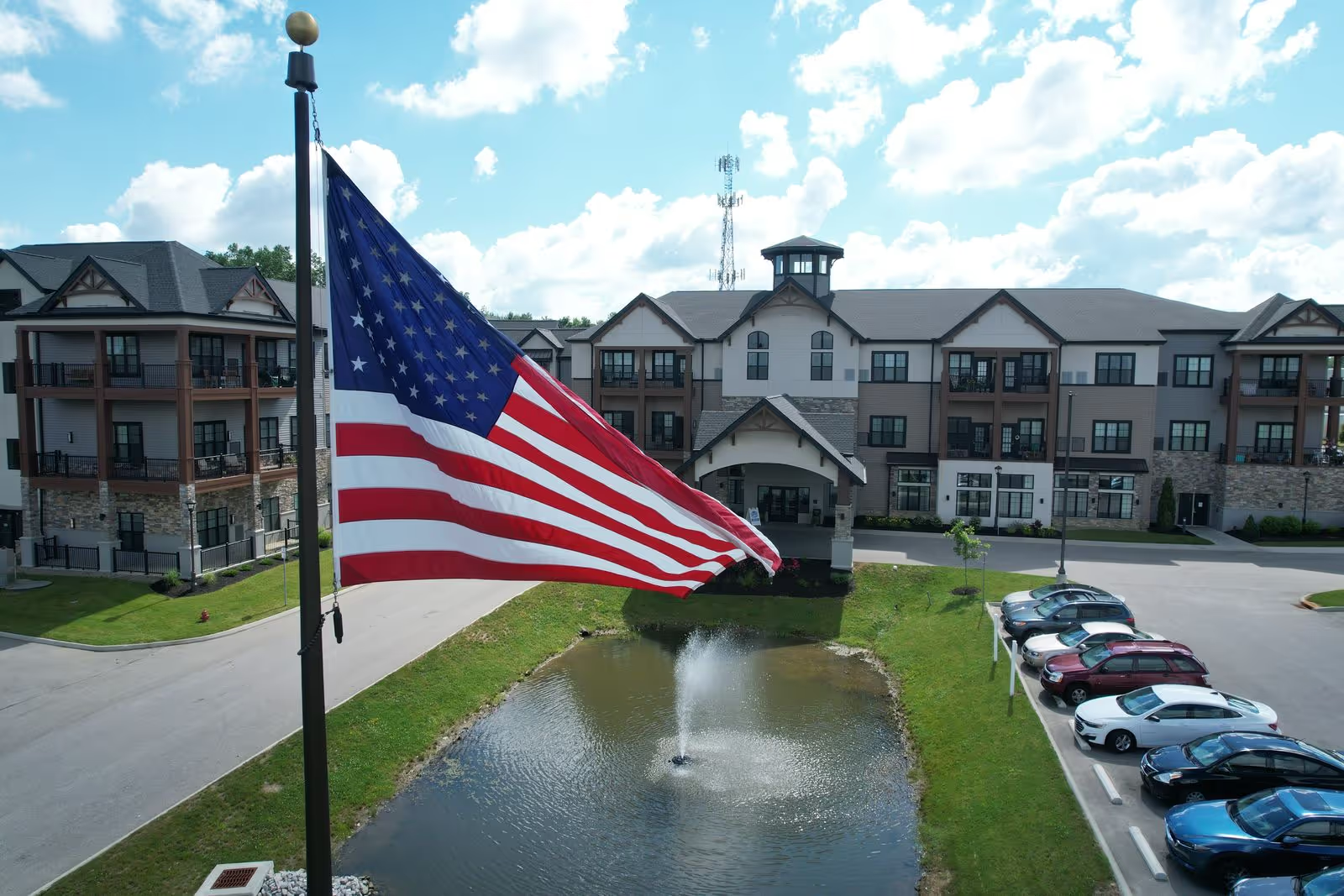
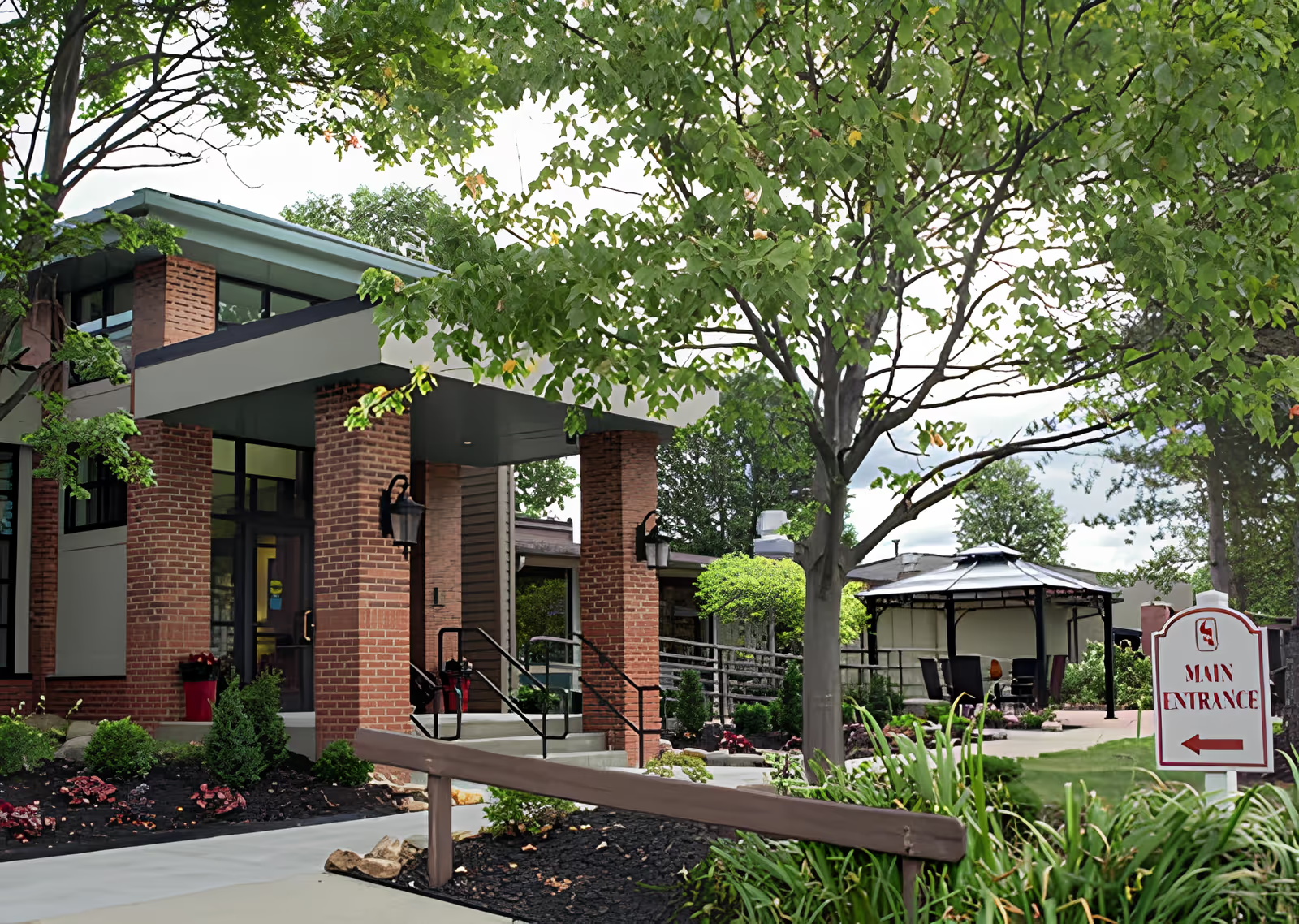
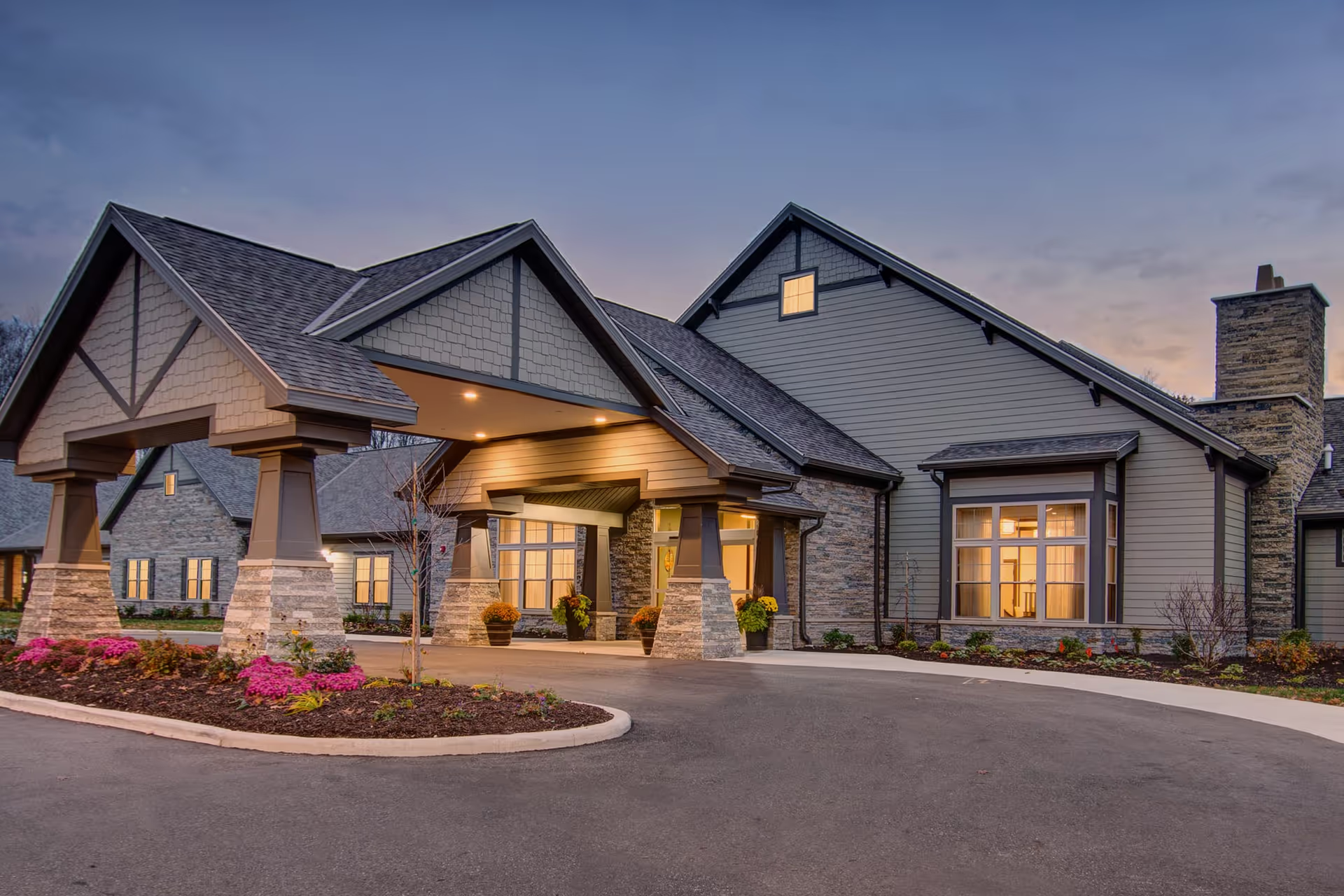
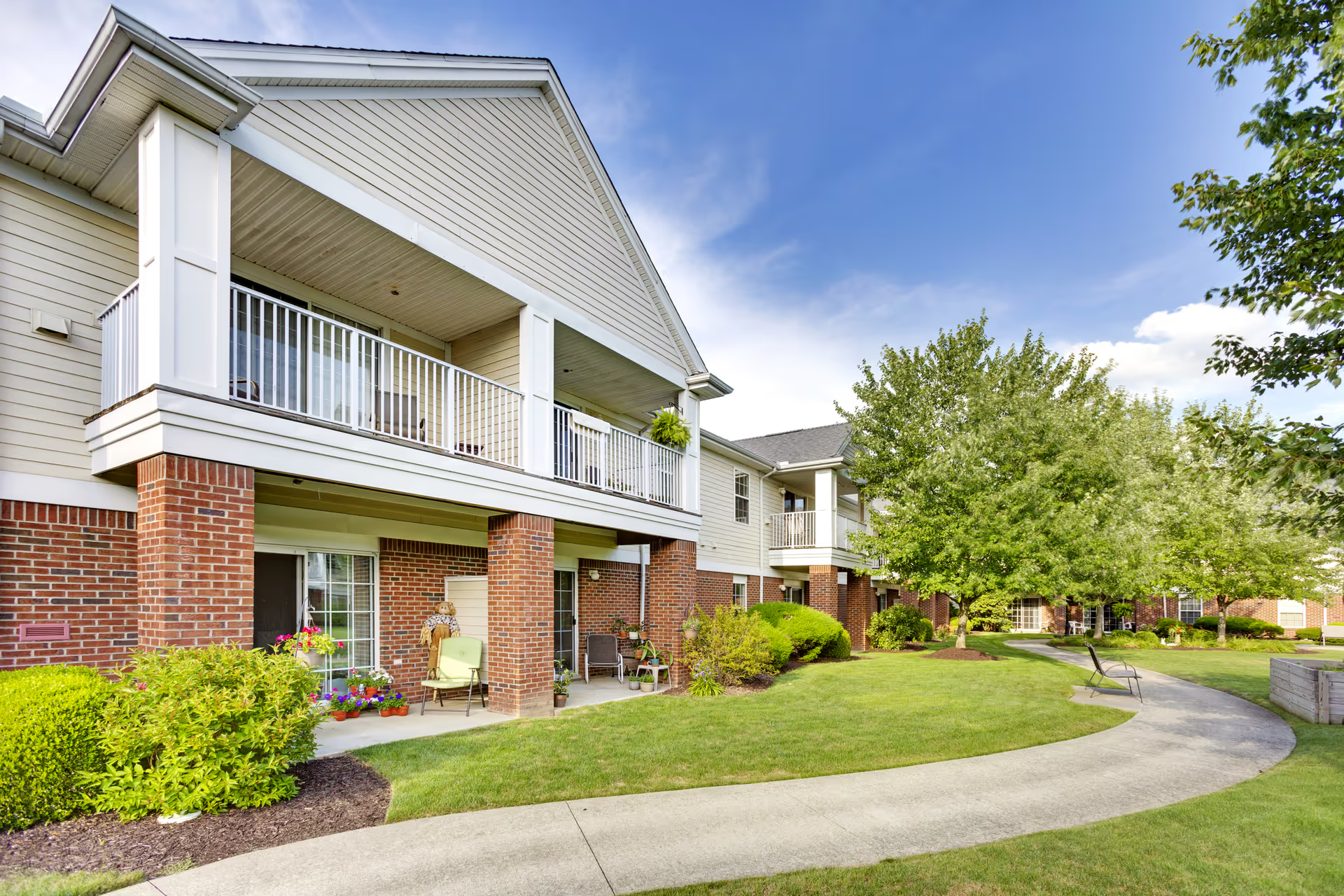
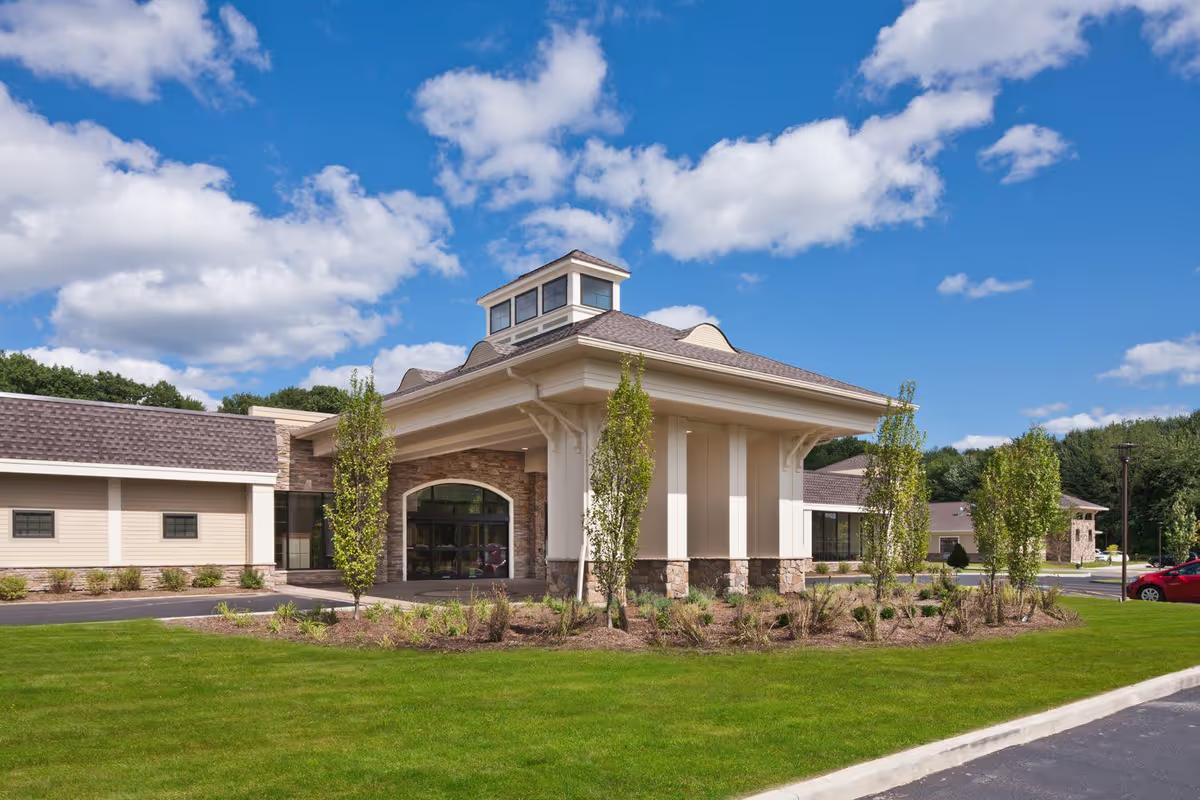
Danbury Hudson presents a mixed picture: the community offers many of the physical and social features families commonly seek in a modern senior living setting, alongside operational inconsistencies that prospective residents should evaluate carefully. On the positive side, reviewers consistently praise the facility’s physical environment — a well‑appointed building in a tranquil, nature-oriented location with restaurant-style dining spaces, an exercise room, salon, library, and accessible common areas. The activity program is a clear strength, with a broad calendar that includes art, live music, trivia, bingo, scrabble, dominoes, weekly happy hours, and both seated and general exercise classes. Many families highlighted staff members who are warm, patient, and relationship‑oriented, and noted that dining and social staff contribute to a welcoming atmosphere and meaningful day‑to‑day experiences for residents.
Care quality assessments are mixed. Several families described caring, attentive nurses and aides who preserve residents’ dignity and provide supportive end-of-life and memory-care interactions; some long‑stay residents and their families reported sustained, positive relationships with staff. However, a number of reviews point to operational shortcomings that affect hands‑on care: inconsistent direct‑care staffing levels, slow response times to assistance calls, delays in routine hygiene and incontinence care, and occasional lapses in housekeeping and room cleanliness. There are also multiple comments about staff working extended shifts or being overstretched, which reviewers connected to variability in task completion and responsiveness.
Dining and dietary management receive generally favorable remarks for food quality, restaurant-style service, and special holiday meals. At the same time, there are documented concerns about continuity of meal service and management of food allergies or special diets. Prospective residents with strict dietary restrictions should verify protocols for allergy handling and meal delivery during a tour.
Management and operational stability are recurrent themes. Several reviewers noted frequent leadership changes, nurse or management turnover, and an admissions/sales approach that some families found overly optimistic. These factors were described as contributing to uneven follow-through on promises and variable resident outcomes over time. A subset of families reported serious individual incidents that raised concerns about clinical-incident handling, communication with families, and privacy related to monitoring; these accounts indicate a need for clear, documented incident-response policies and transparent family communication.
In summary, Danbury Hudson has many of the amenities, programs, and individual staff strengths that contribute to a positive daily experience for residents. Simultaneously, there are repeated operational issues—most notably staffing consistency, housekeeping/pest control, dietary and medication management, and leadership turnover—that have affected some families’ satisfaction. Prospective residents and their families would benefit from direct, specific conversations during a visit: ask about current staffing ratios and turnover, incident‑response and family‑communication procedures, hygiene and housekeeping protocols, pest‑control measures, and written guarantees around dietary/allergy handling. That due diligence will help clarify whether the community’s strong social and physical environment aligns with the level of clinical reliability you require.