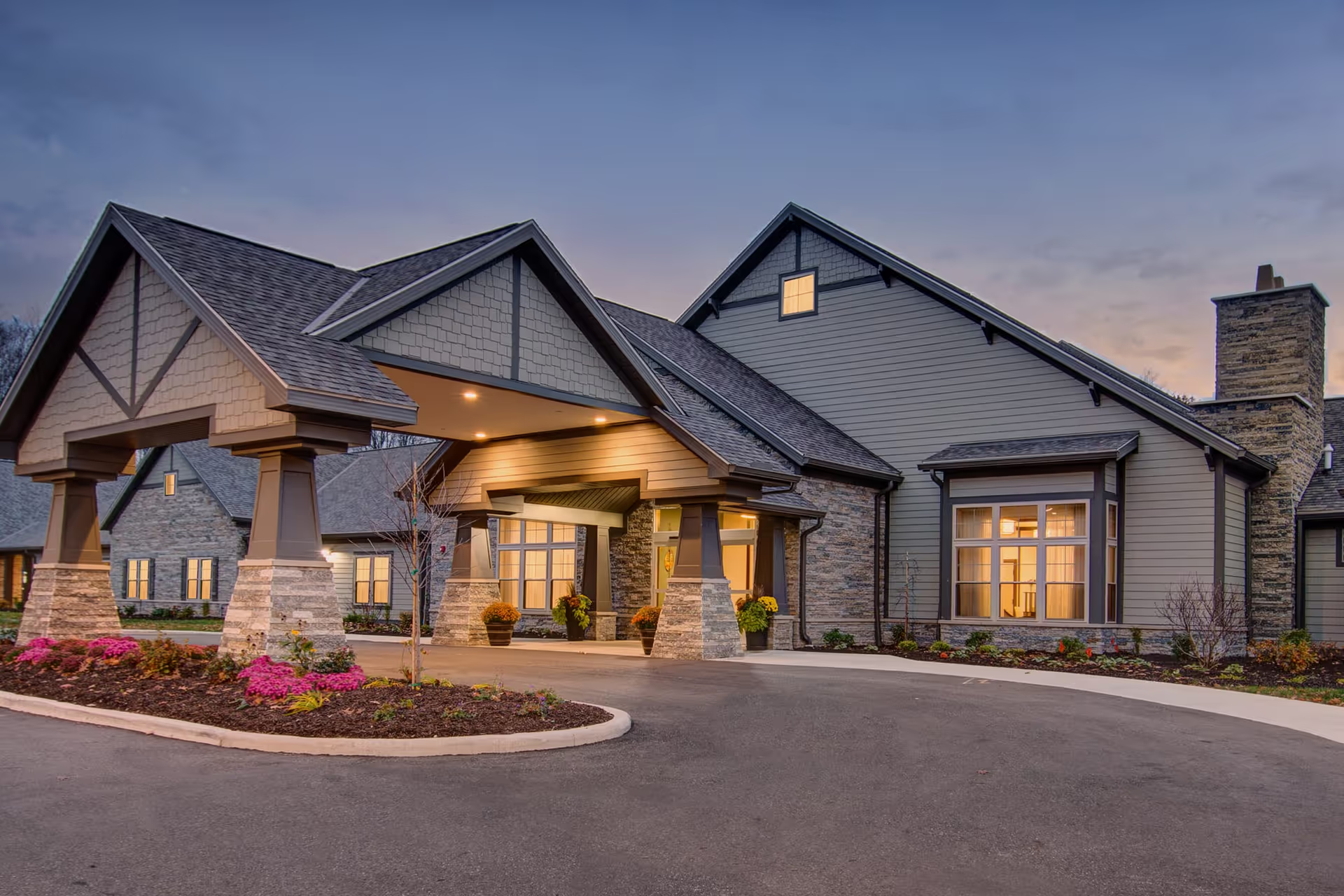
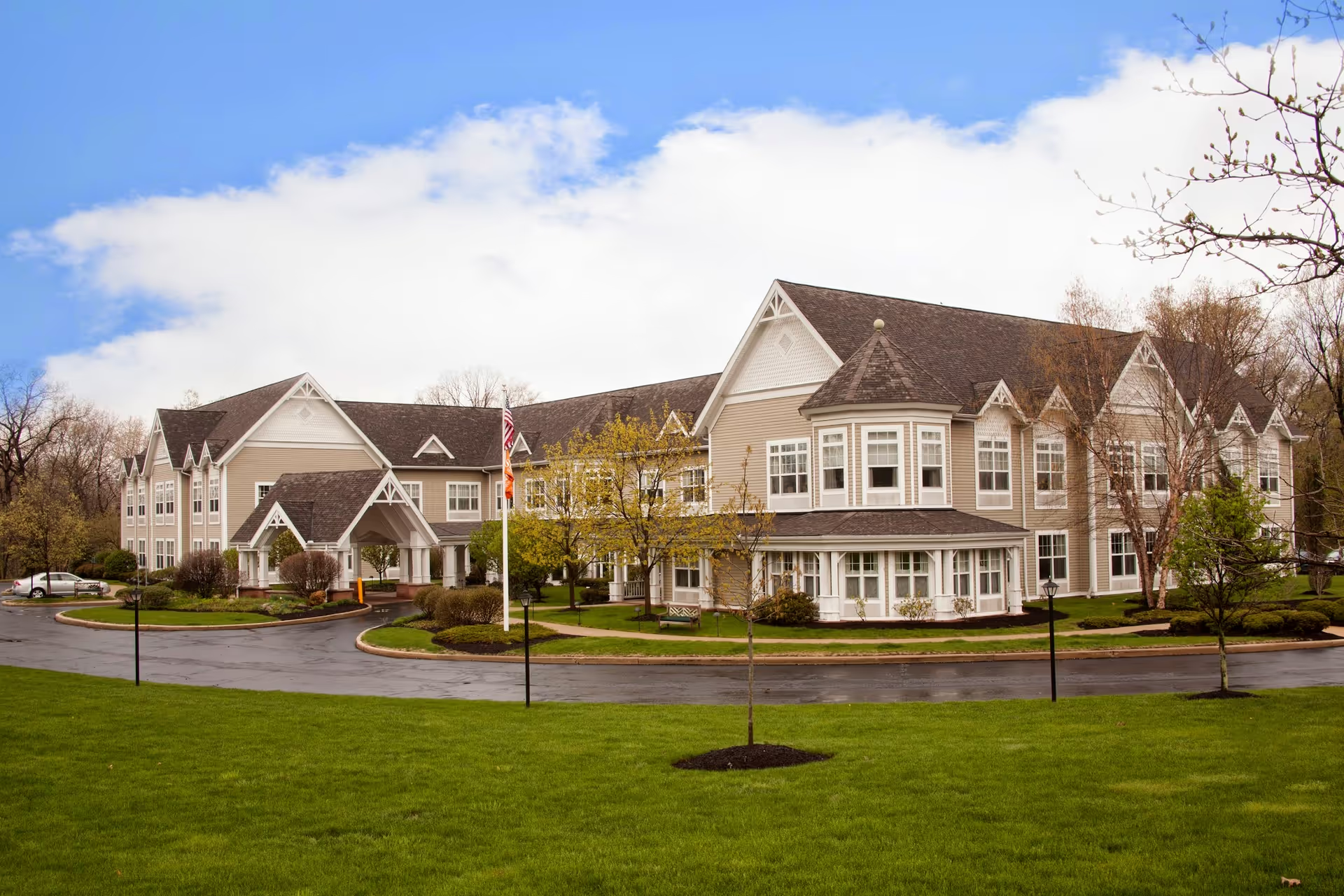
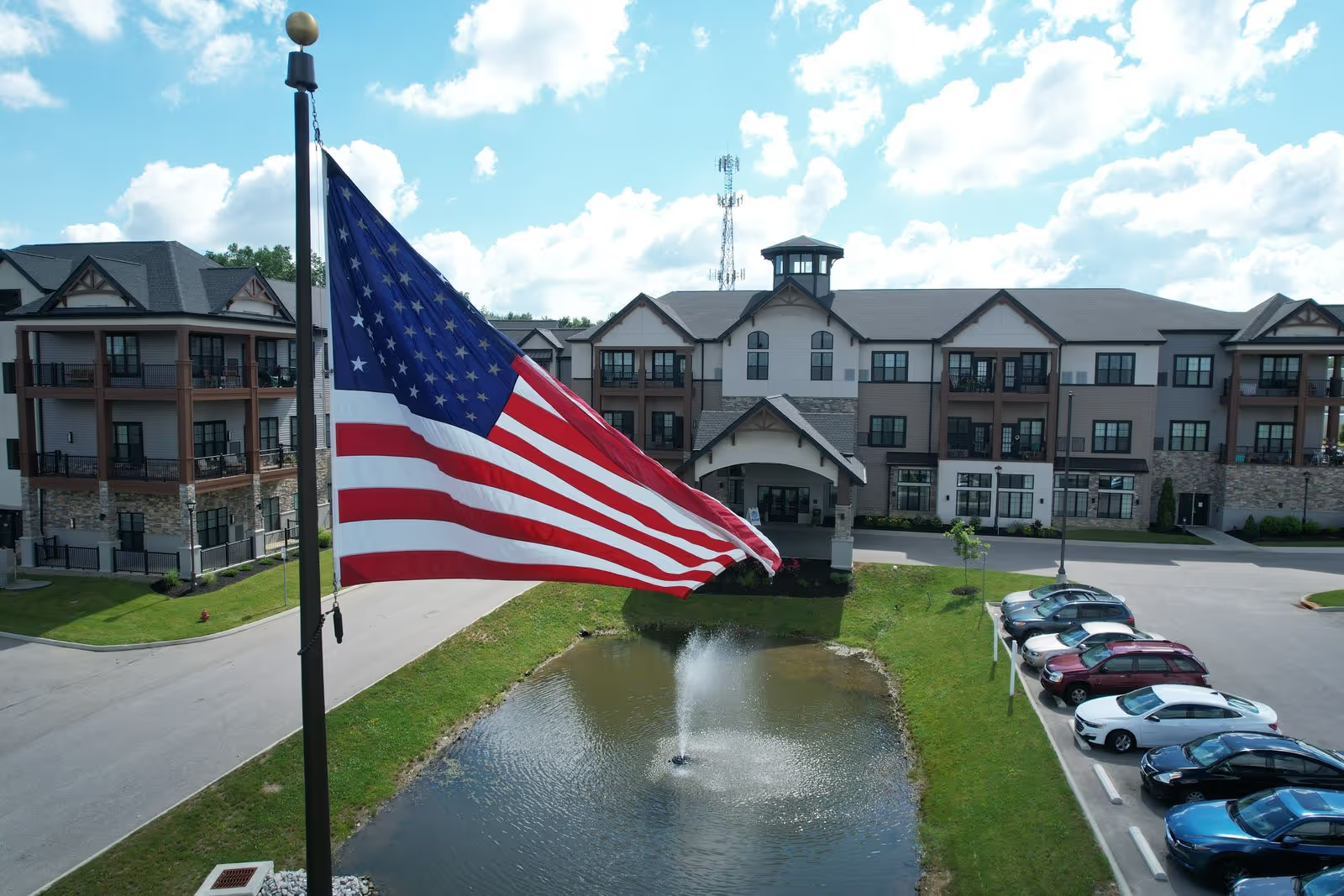
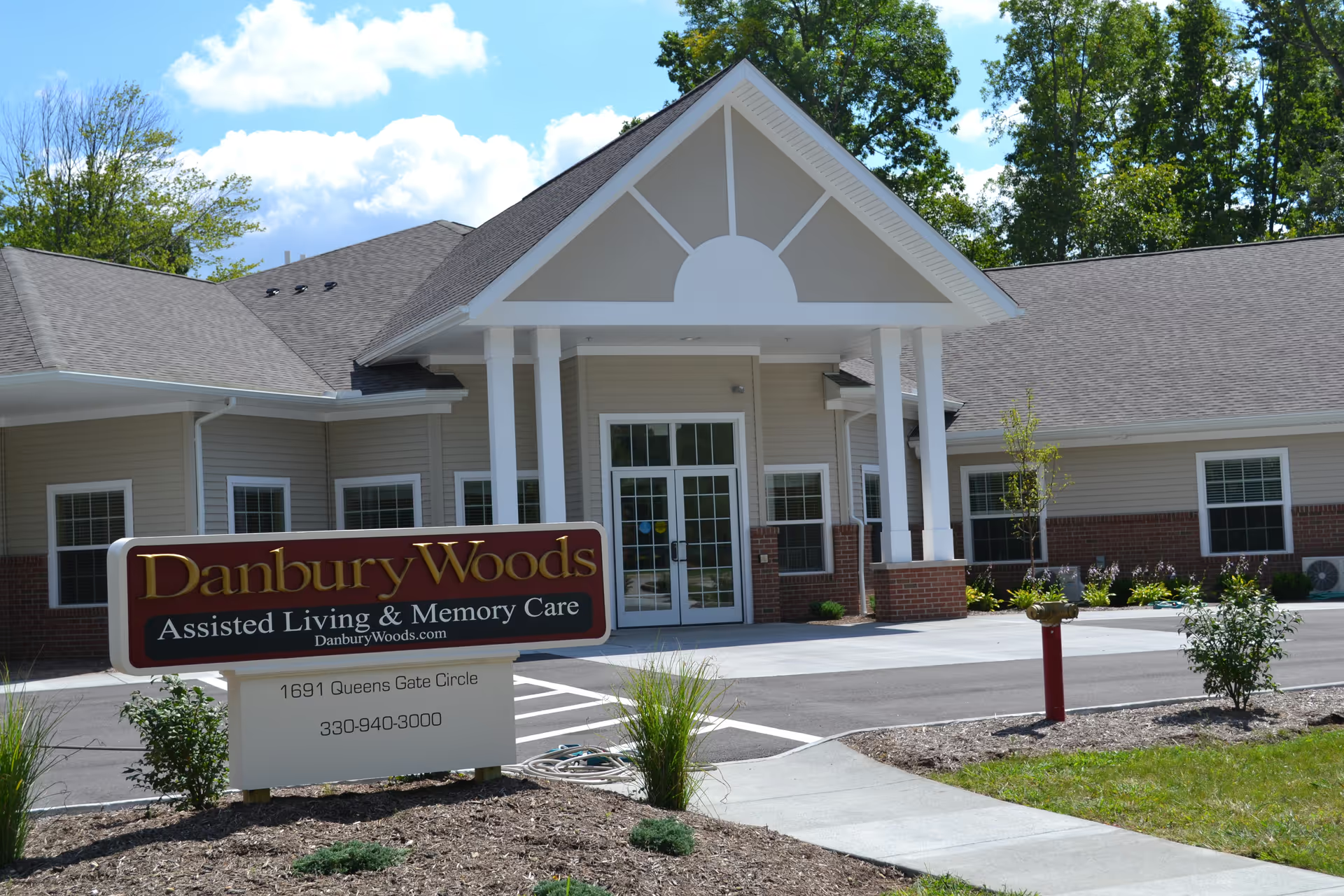
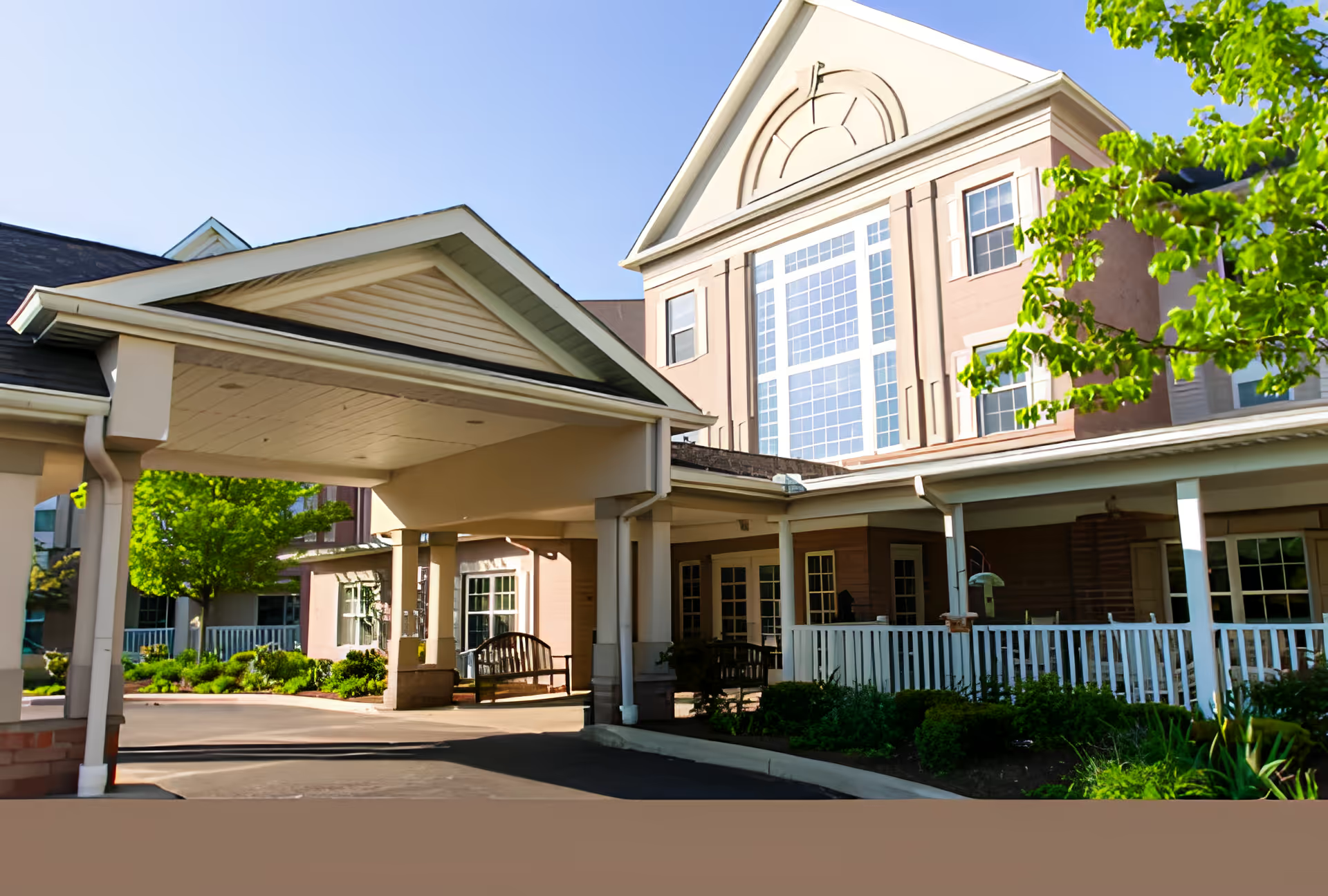
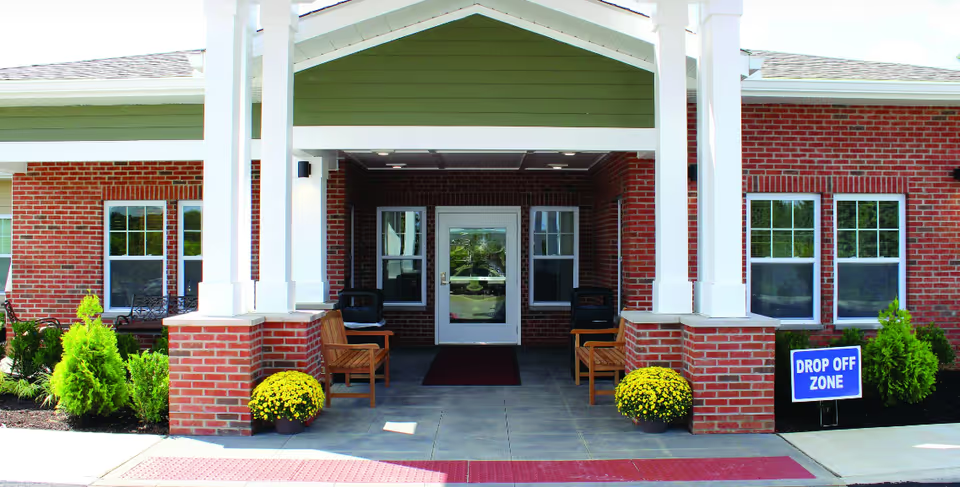
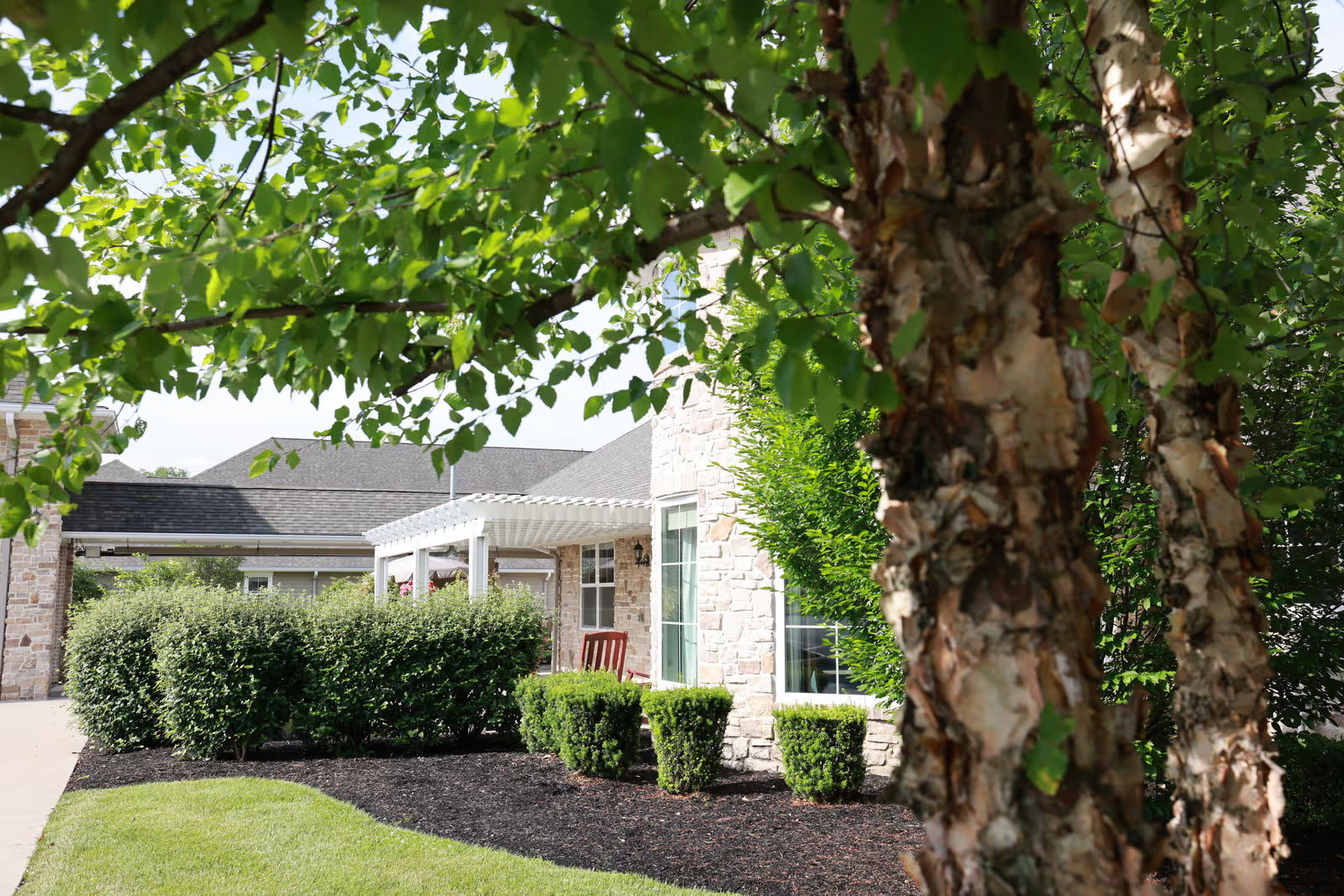
Overall impression: Cardinal Retirement Village presents as a community with a strong social culture, extensive activity programming, and numerous practical amenities. Many families and residents described the environment as homey and welcoming, with landscaped grounds, screened-in patios, and a variety of communal spaces that support socialization. The facility includes an on-site chef, therapy services, transportation for errands and appointments, and multiple recreational options that appeal to a broad range of interests.
Care and staff: Staff behavior and caregiver compassion are frequently cited strengths. Reviewers emphasize staff who know residents by name, provide daily check-ins, and accommodate deliveries or special needs. At the same time, there are recurring operational concerns about staffing consistency: response delays to call lights, longer waits on weekends, and limited housekeeping frequency were described. These items point to a staffing-model constraint rather than isolated incidents, and they may affect response times and routine services during peak or off-hours.
Dining and activities: The community offers a chef-driven menu, freshly prepared meals, and a calendar of activities that includes exercise classes, musical entertainment, crafts, bus outings, and field trips. Activity programming is robust and is a clear social asset. However, dining experiences are inconsistent in quality for some residents, and independent-living meal plans vary (many units receive continental breakfast and dinner but limited lunch options). Infection-control events such as COVID precautions have occasionally curtailed dining-room use and group activities; reviewers expect these restrictions to relax as conditions permit but they have impacted communal dining and programming rhythm.
Facilities and maintenance: Physically, Cardinal combines recently remodeled apartments and bright common areas with older building elements. Private screened porches, patios, and accessible bathrooms are highlighted as strong features. Conversely, reviewers note dated hallways, inconsistent painting in some units, exterior landscaping and drainage issues (including porch guttering and exit safety), and ongoing construction or campus maintenance needs. These maintenance items are operational patterns that some potential residents may want to confirm during a tour.
Management, availability, and cost: Pricing is frequently described as budget-competitive for this level of service, though one-bedroom and assisted living transitions are more expensive and some families expressed concern about rent increases and perceived value. Availability constraints such as waitlists for studio units are common. Reviewers also identified uneven management follow-through on particular concerns and occasional front-desk or weekend coverage gaps; a few reviewers raised serious allegations concerning staff conduct and handling of resident property, which should prompt prospective residents and families to ask about incident resolution procedures and oversight during a tour or intake discussion.
Notable patterns and guidance for prospective families: Strengths to prioritize in a visit include meeting caregiving staff, sampling dining, attending an activity, and inspecting a unit’s porch and exterior exit for maintenance. Ask for specifics about staffing ratios, weekend coverage, housekeeping frequency, meal-plan options, and studio-unit wait times. For families concerned about higher-acuity needs, confirm the location and accessibility of assisted-living services on campus and how transitions are managed. Overall, Cardinal appears to offer a community-oriented, activity-rich independent living experience with practical amenities and value, while presenting operational trade-offs related to staffing consistency, some maintenance needs, and variable dining experiences.