Danbury Cuyahoga Woods is described overall as a small, home‑like assisted living community with an emphasis on personalized, relationship-based care. Many families and residents praise the compassionate and personable caregiving and nursing staff, frequent staff continuity, and a welcoming atmosphere that fosters social connections. The facility’s single-floor layout and smaller census are repeatedly characterized as contributing to a family-like environment and smoother transitions for residents, including hospice involvement when appropriate.
Care and staffing: Reviewers commonly highlight attentive, respectful interactions between staff and residents, consistent caregiver assignments, and directors who engage with families. At the same time, there are recurring operational concerns: staffing levels are described as variable at times, and reviewers report occasional delays in responsiveness or follow-up from management. A subset of families expressed specific concerns about clinical leadership’s dementia-care expertise, indicating the need to confirm staff training and clinical oversight when memory care needs are present.
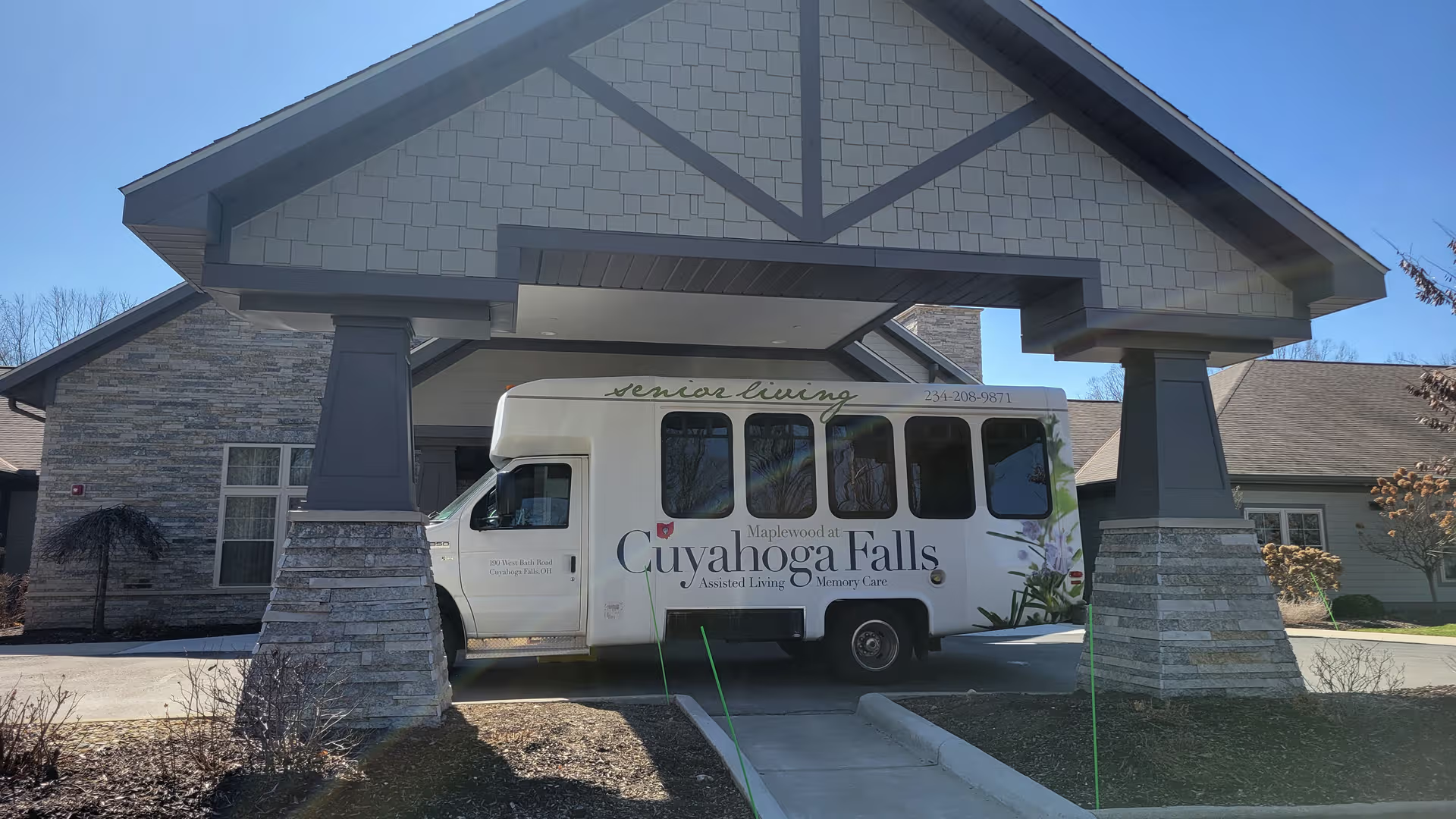
Dining and activities: Dining is a notable strength for many residents — chef-prepared meals, menu flexibility, and attention to preferences and nutrition are consistently noted. The community offers a broad activities program including themed parties, outings, exercise classes, Montessori-style dementia activities, and shuttle service to shopping and appointments. A few reviewers reported service lapses such as cold plates or missed premeal medication timing; these items suggest occasional inconsistencies in meal-service execution and medication administration that prospective families may wish to discuss.
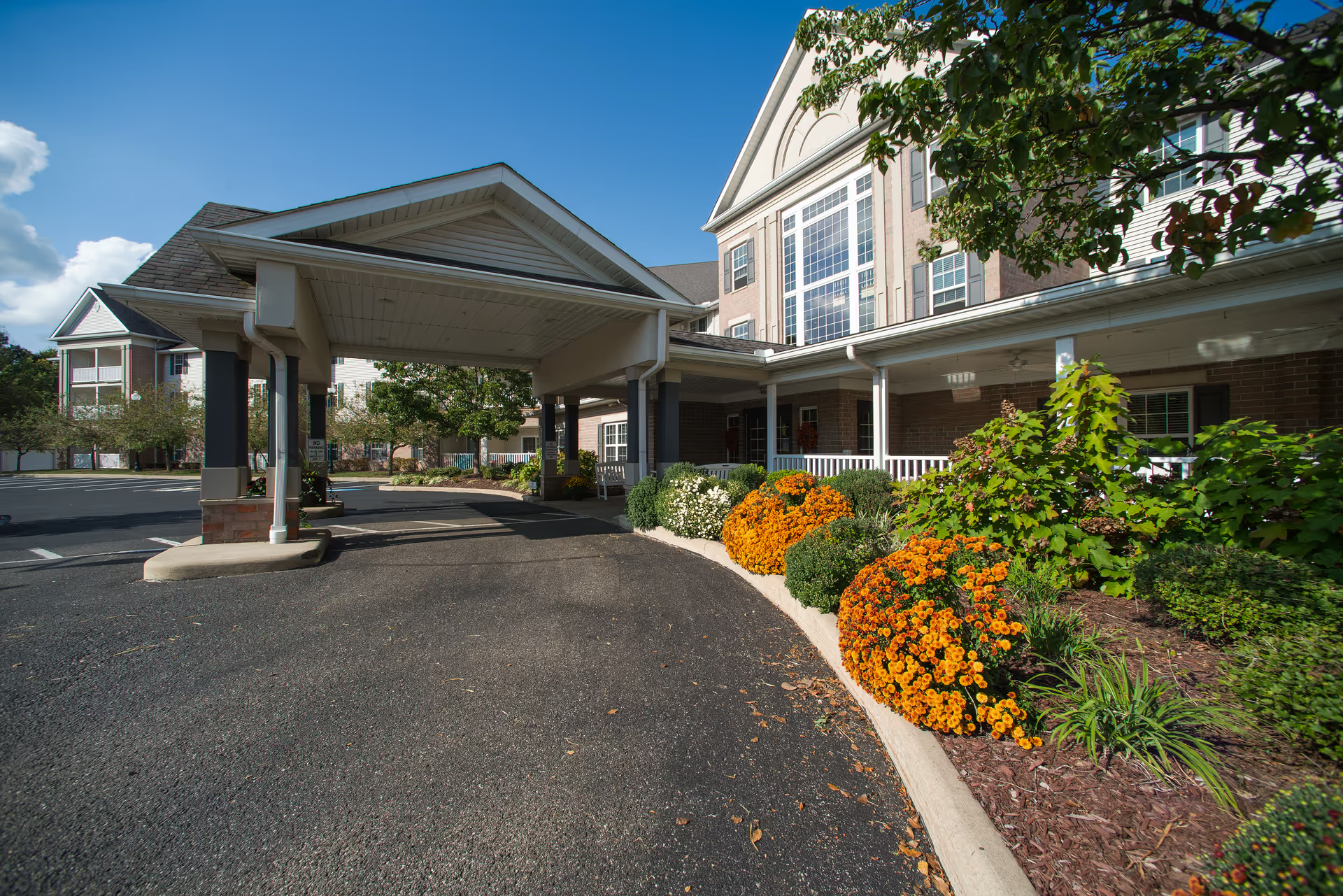
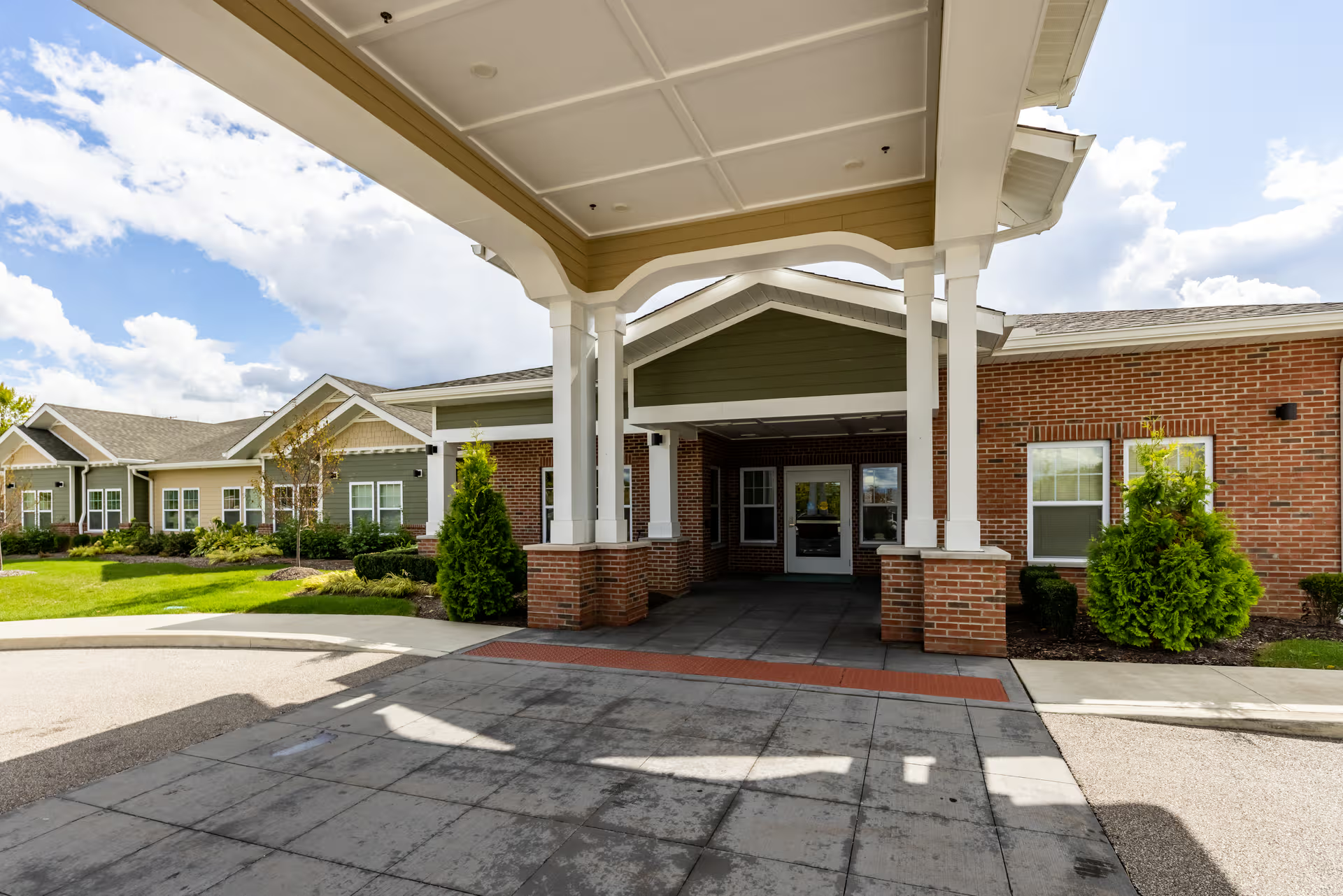
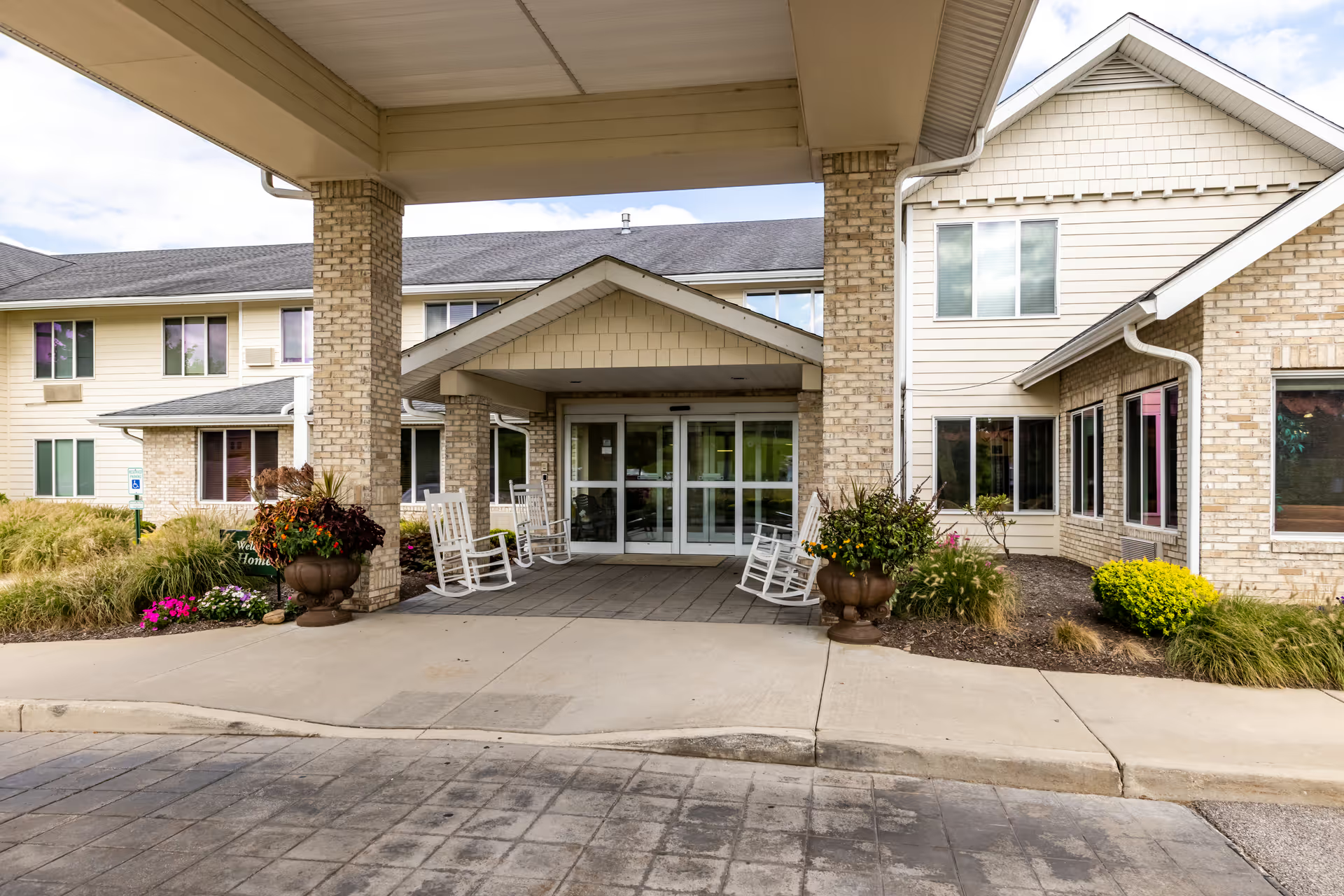
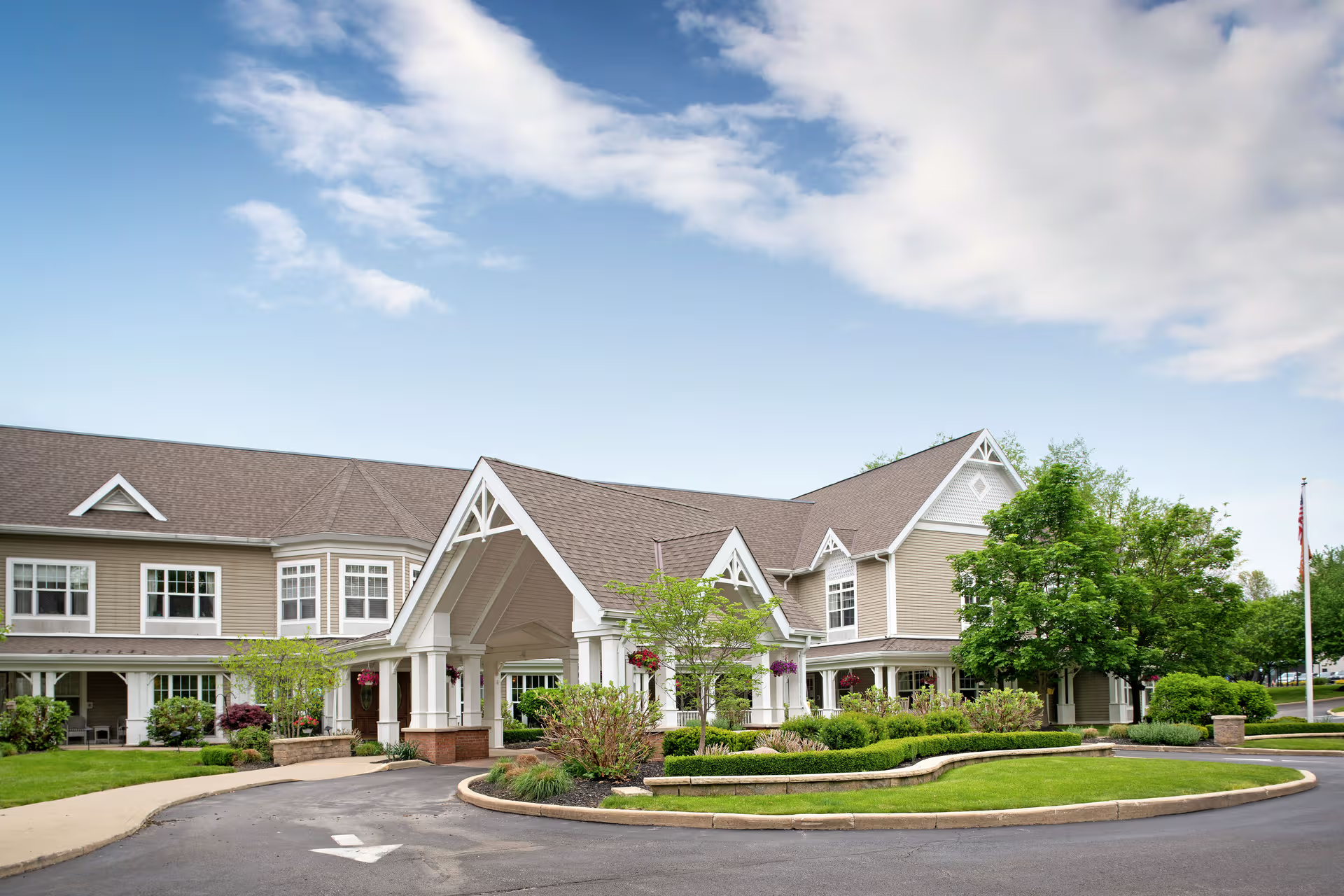
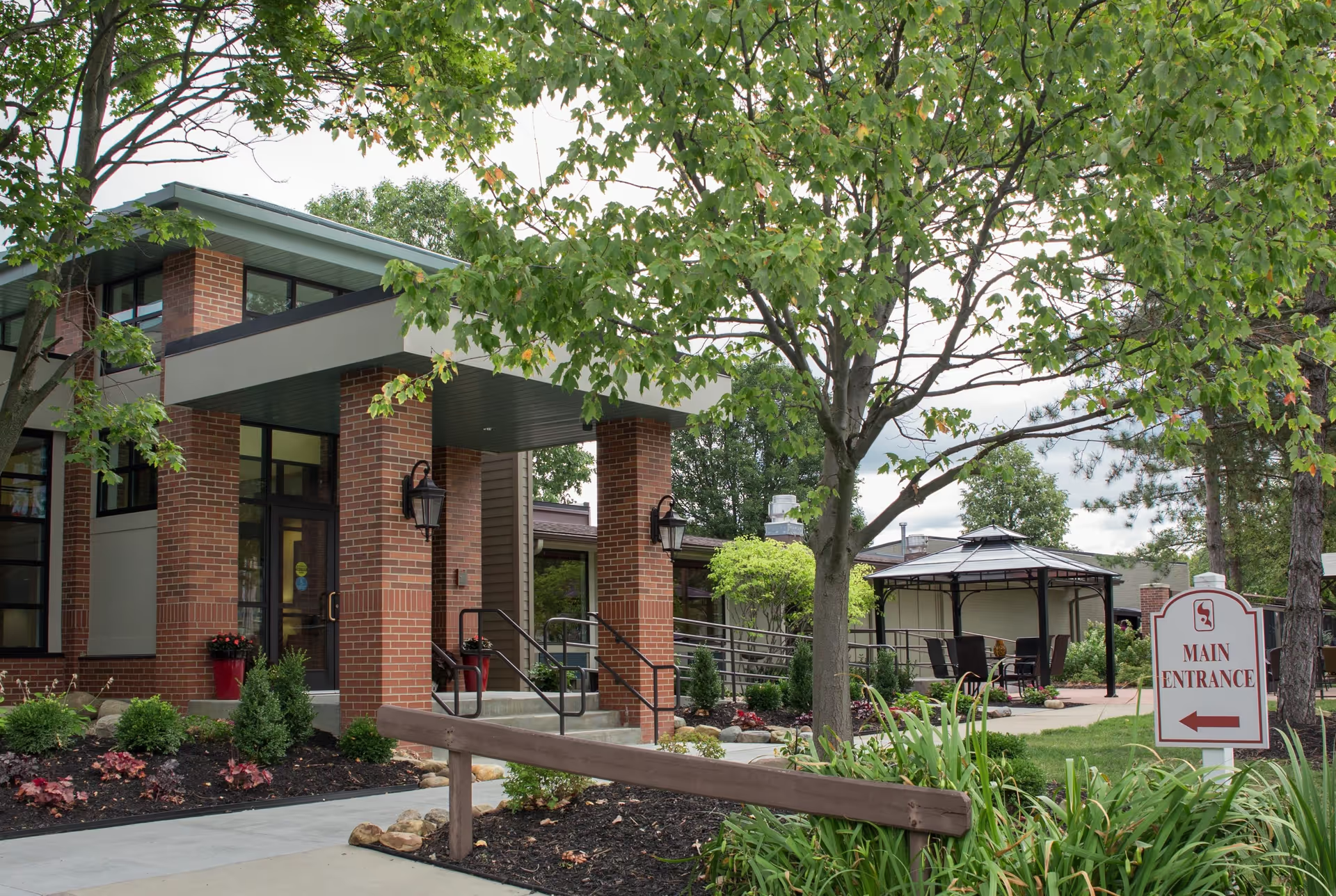
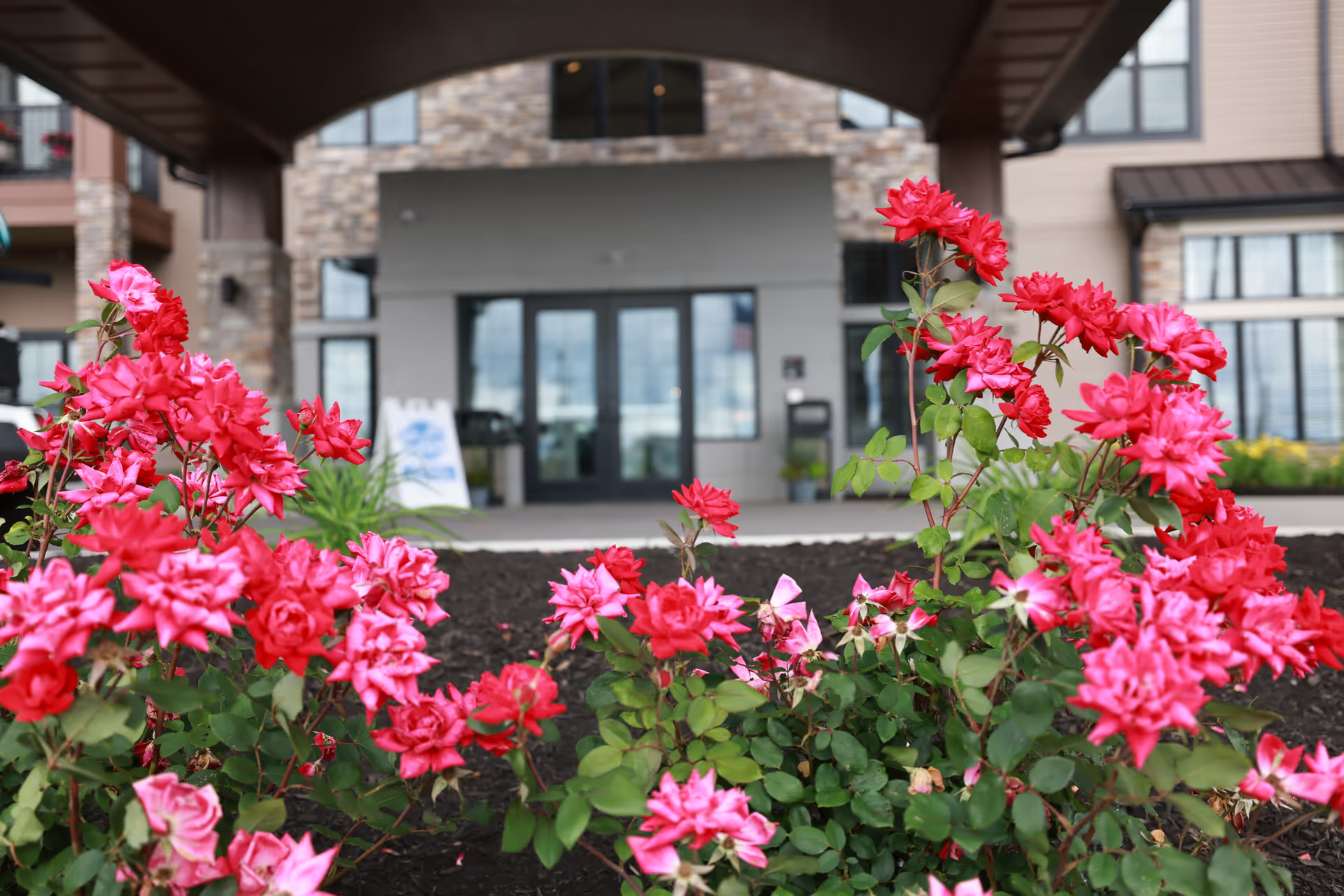
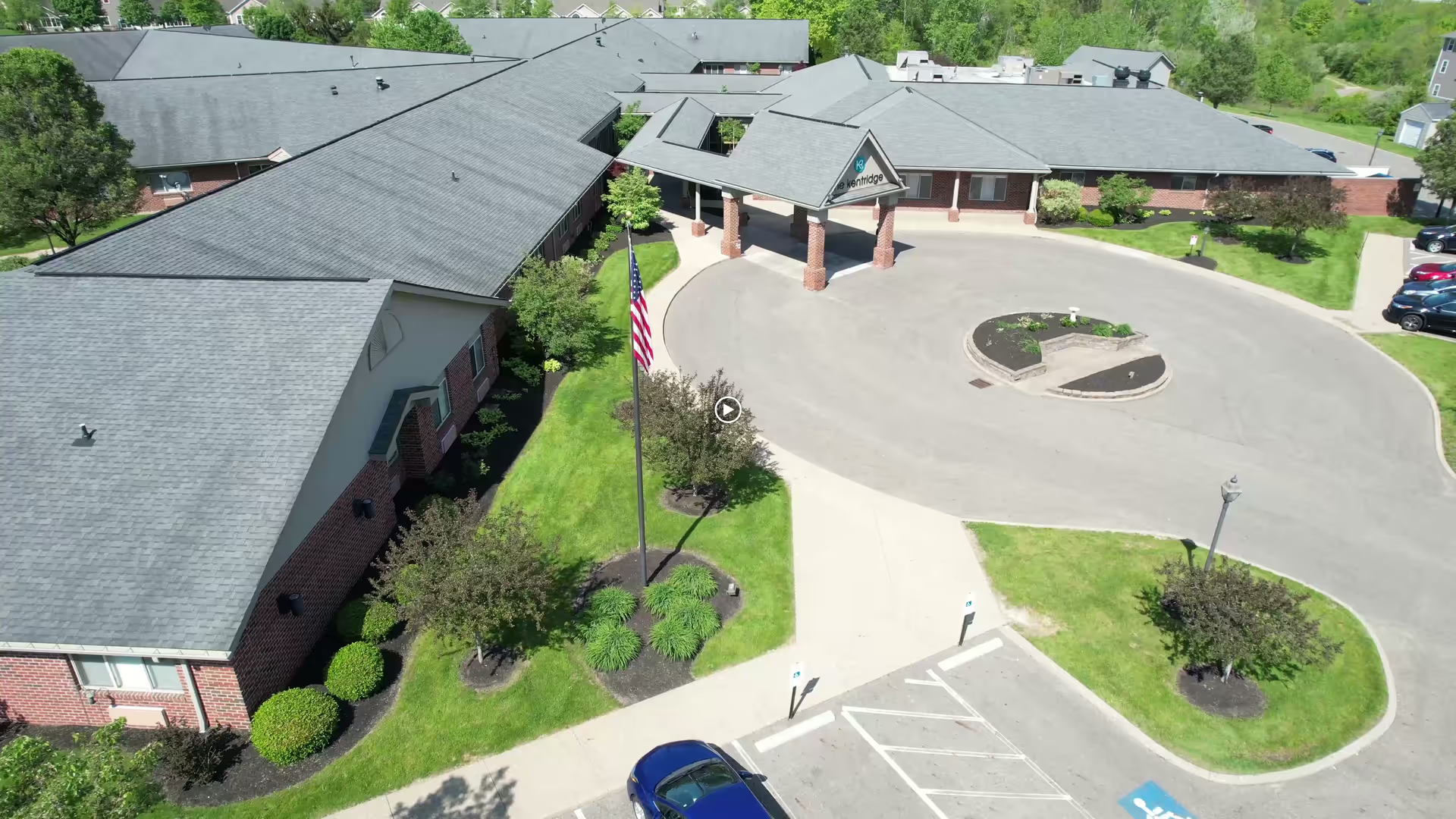
Facilities and living units: The facility is repeatedly described as clean, bright, and well maintained, with private studio apartments available and thoughtfully furnished options. Reviewers appreciate the homelike décor and common areas. However, some comments point to smaller room footprints and dated finishes in certain areas, as well as episodic cleanliness or odor concerns in parts of the building. Accessibility (single floor) and proximity to wooded grounds and transportation were cited as positives.
Management and patterns: Admissions and transition coordination receive positive comments for helpfulness and efficiency, including assistance with paperwork and VA benefits. Several reviewers noted positive changes under newer leadership, while others described a period of declining responsiveness associated with management transitions. Cost and availability are practical considerations: pricing was described as higher than some expected and the community can be at capacity, with a security deposit and waitlist policies in place.
Overall impression and guidance: The prevailing picture is of a small, warm community with strong interpersonal care, a robust activity calendar, and a popular dining program. Persistent themes for closer evaluation are staffing consistency, dementia-care clinical oversight, medication-administration procedures, and housekeeping standards. Prospective residents and families should tour the unit, observe meal service and activities, ask about staff training and staffing ratios, review medication and cleaning protocols, and clarify current availability and fee structure to ensure alignment with their priorities.