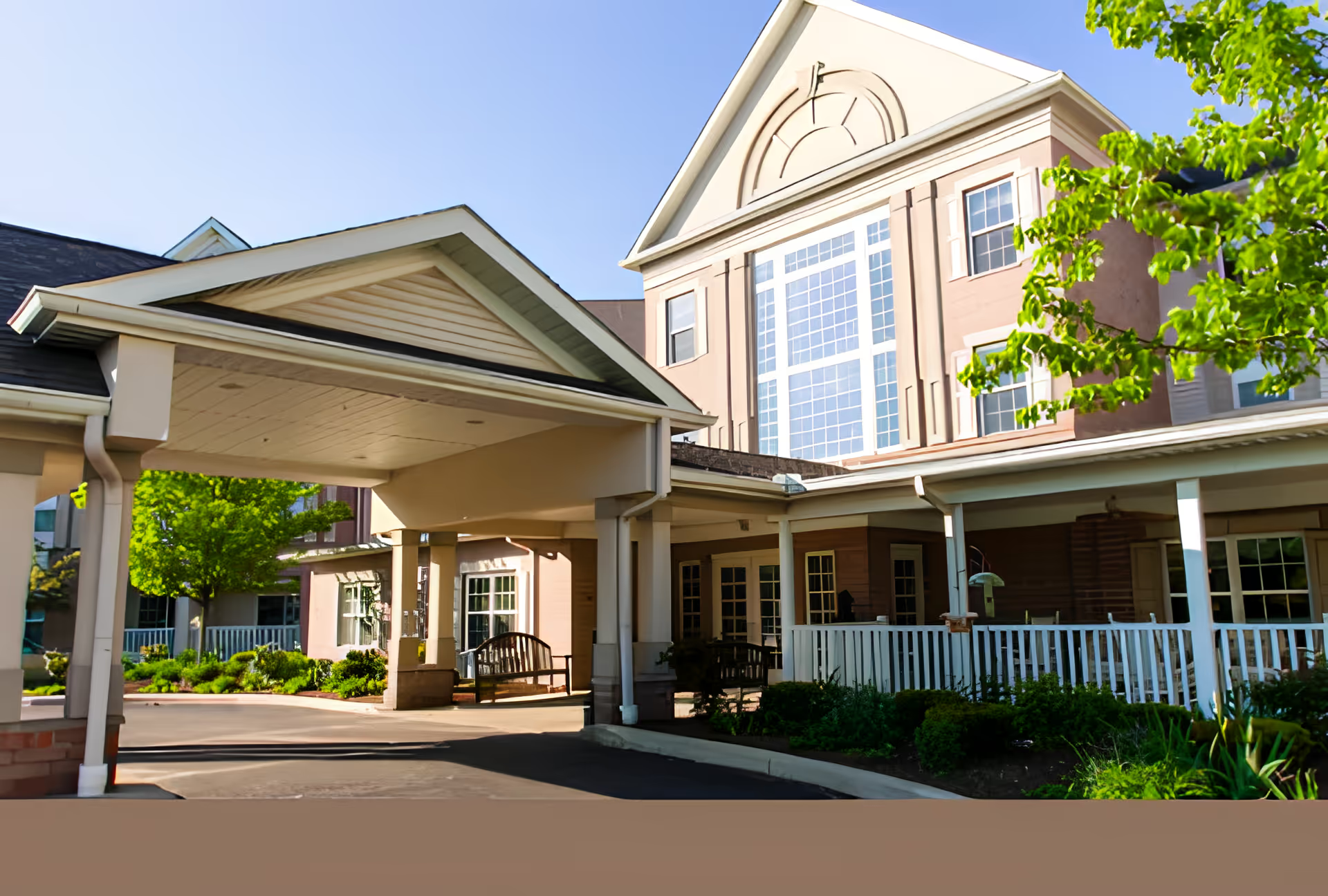
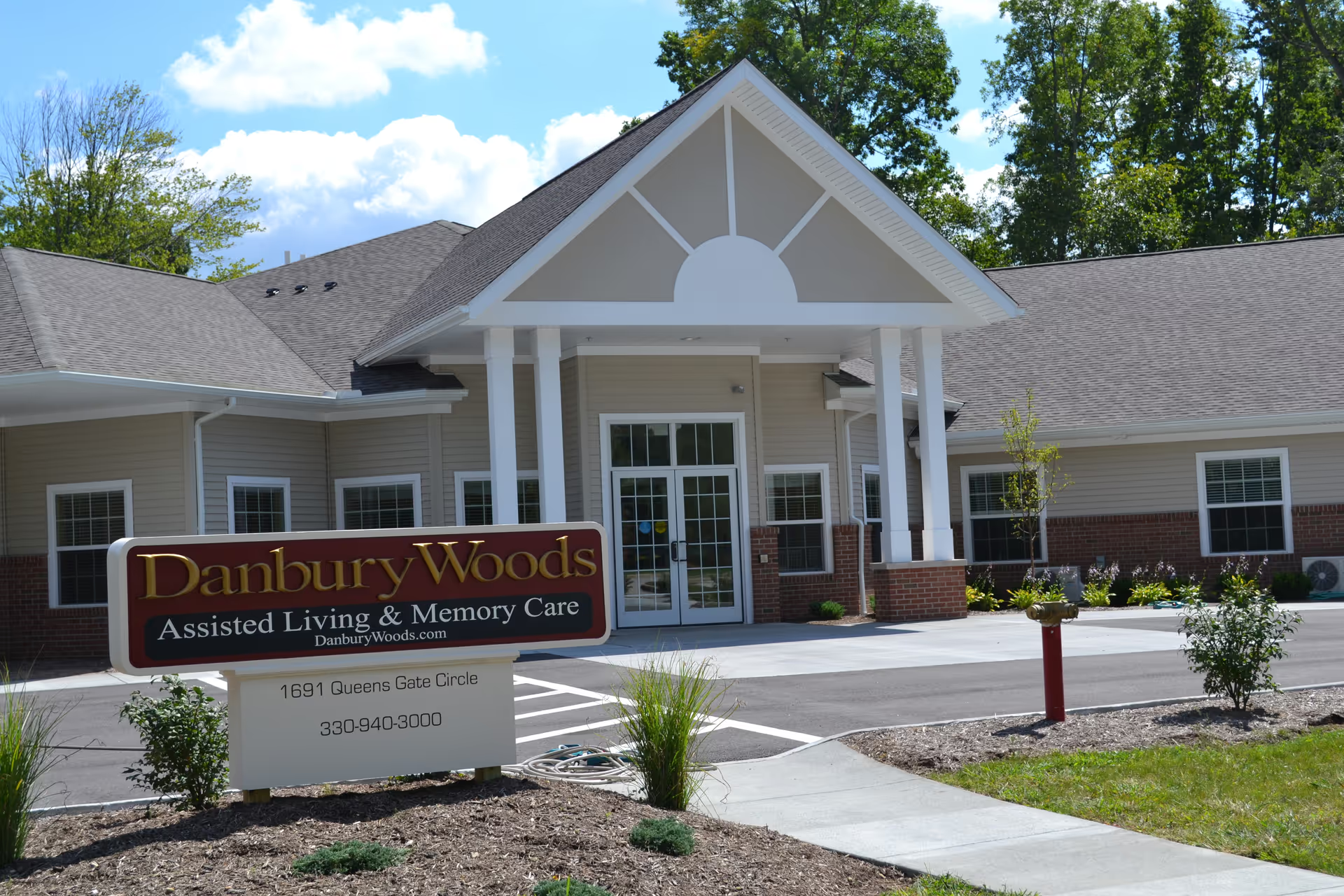
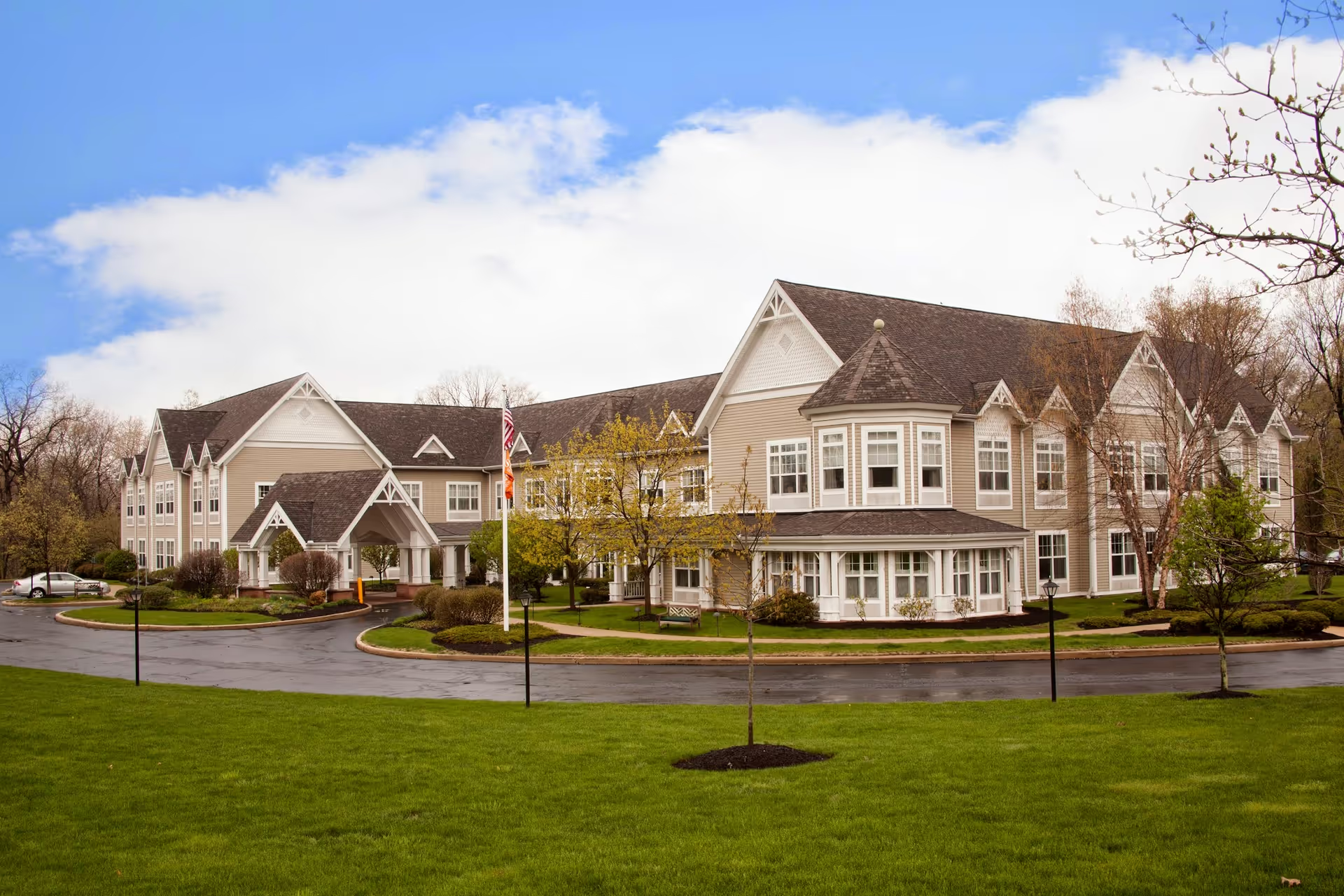
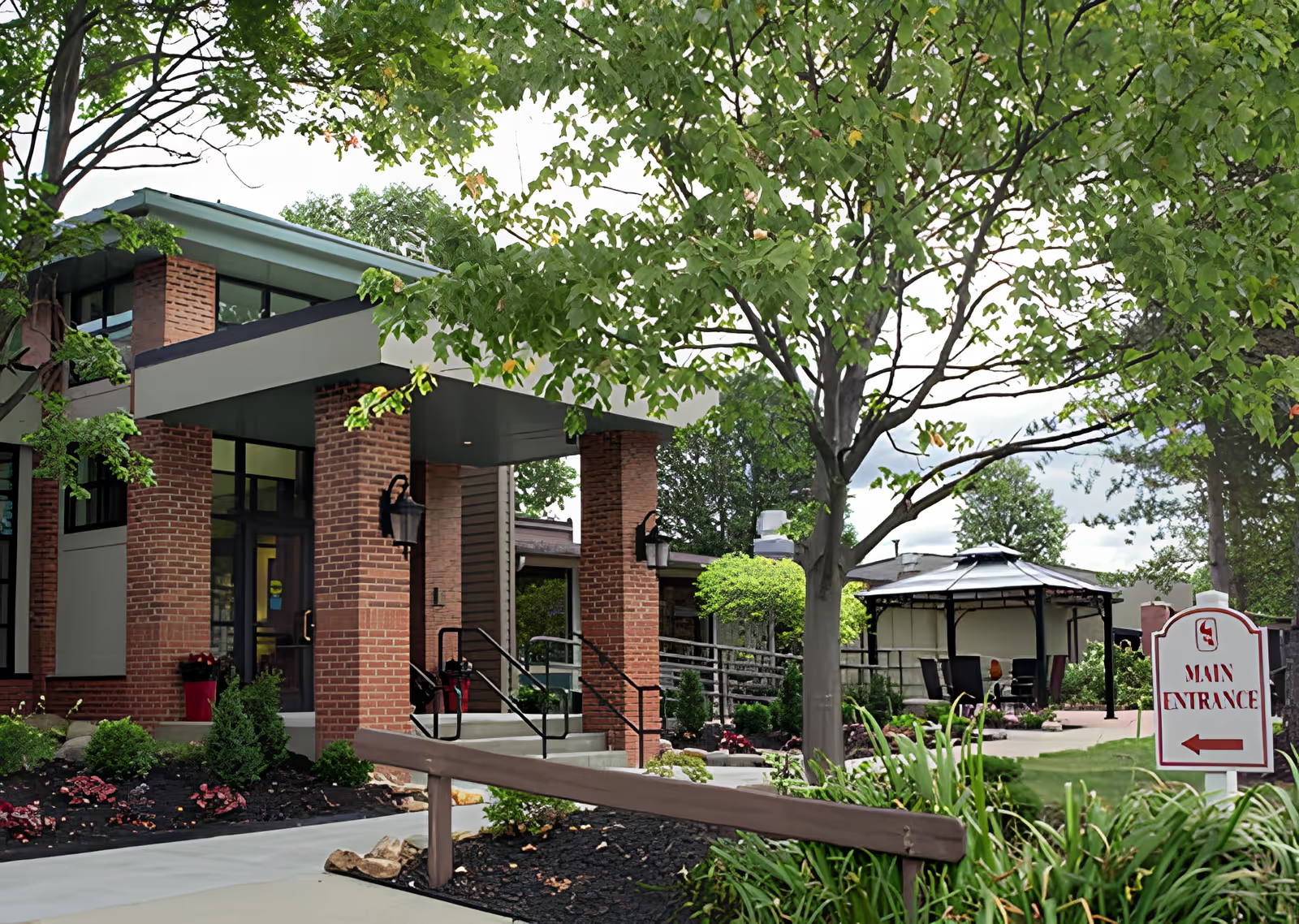
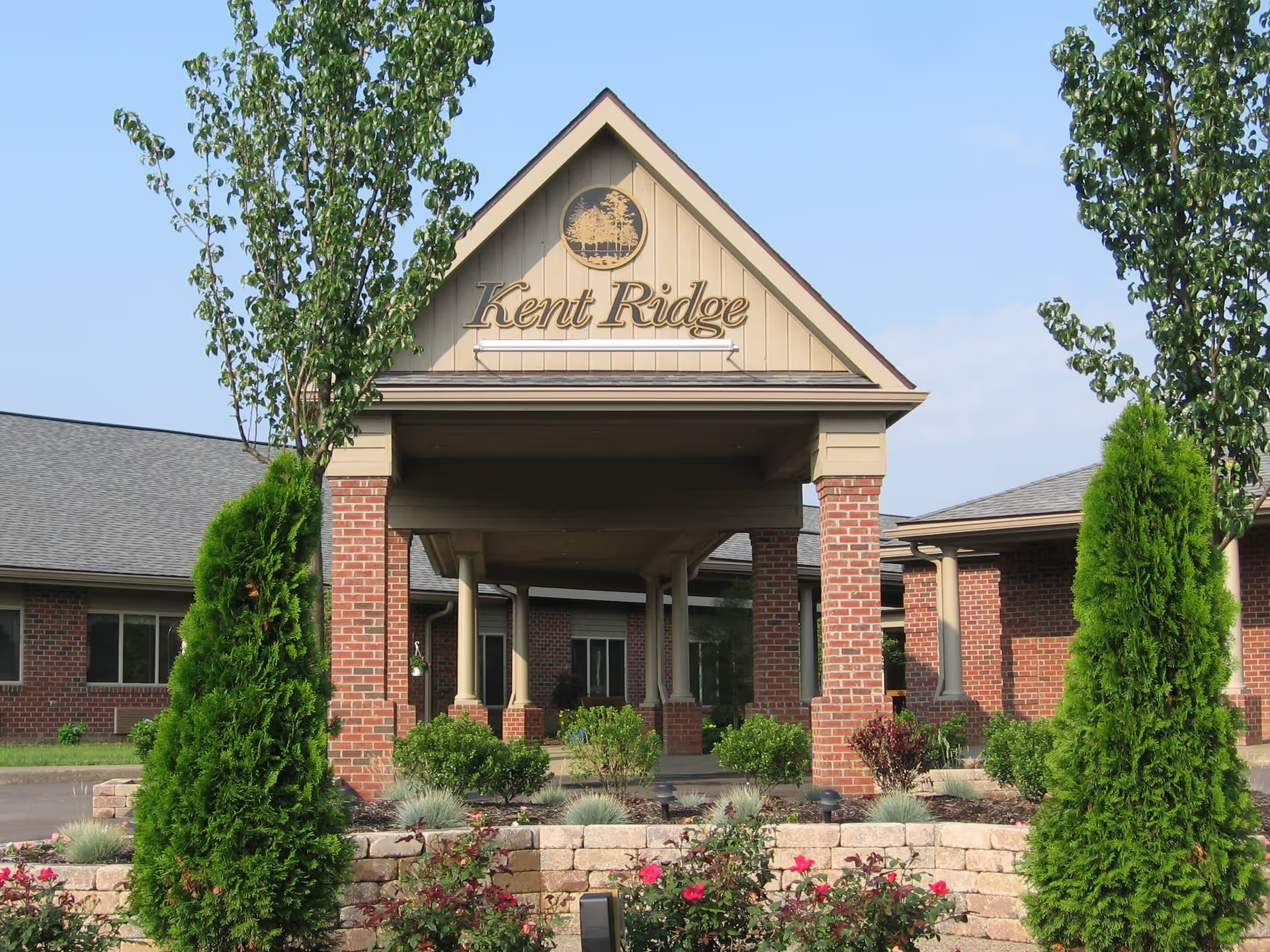
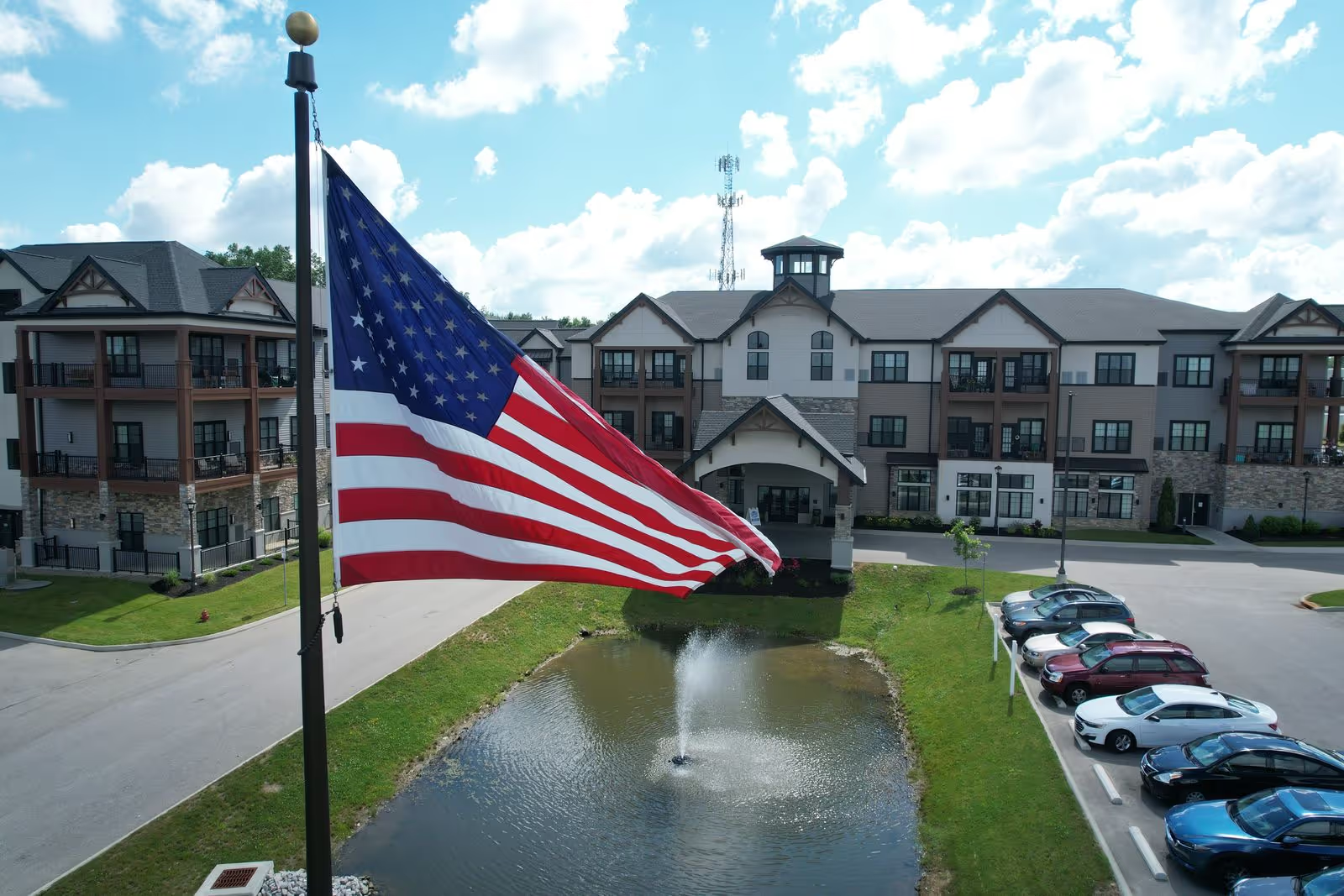
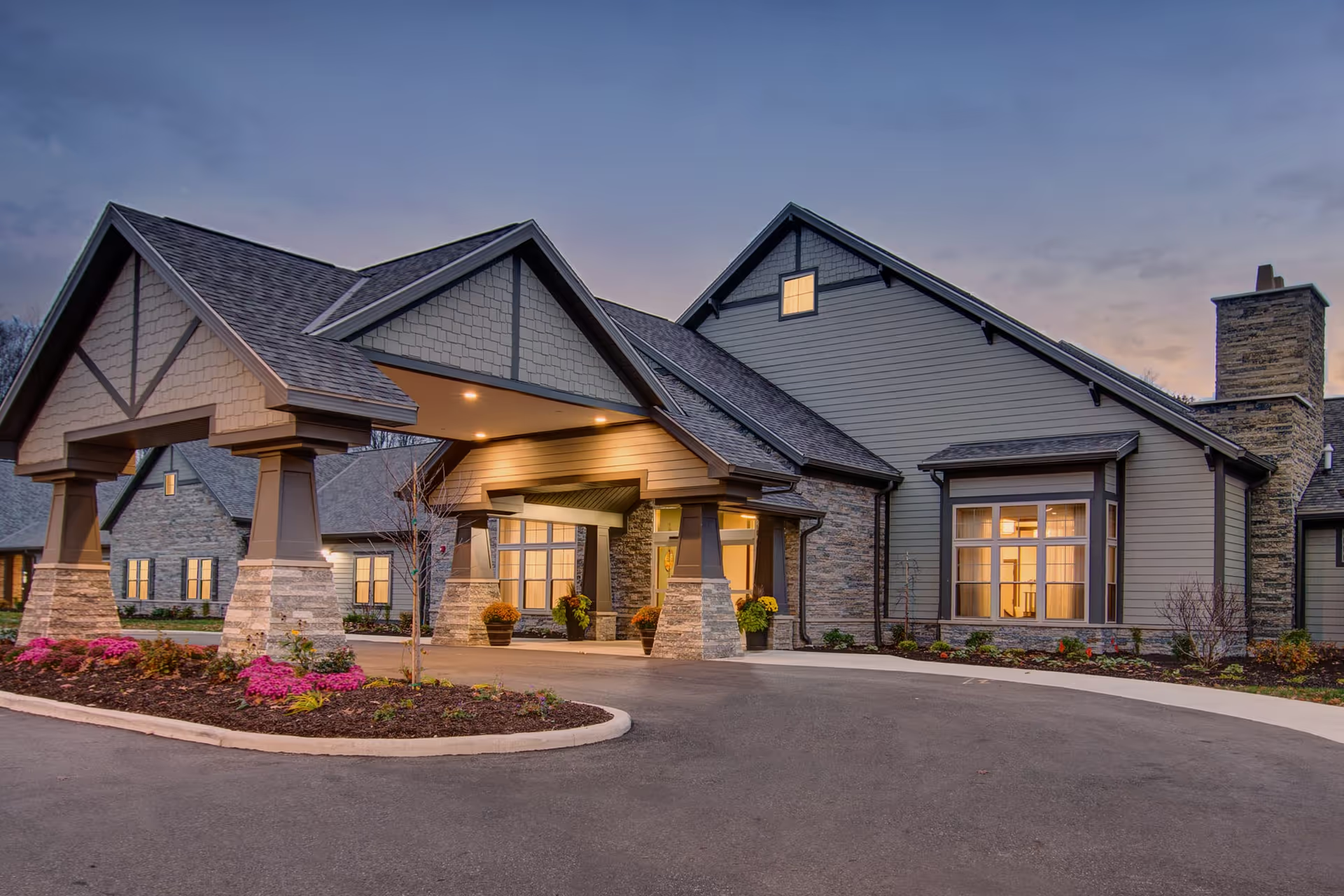
Mulberry Gardens Memory Care draws sharply mixed impressions. Many families and visitors describe a warm, small-scale, house-like environment where staff build personal relationships, know residents’ names, and provide compassionate, attentive support. The facility’s single-story layout, landscaped gardens, multiple activity areas and open common spaces receive frequent praise, as do the chef-prepared meals, a robust activities program (puzzles, baking, themed outings, and a baby-doll nursery), and on-site services such as beauty shop and dental visits. Several reviewers specifically noted 24-hour nursing availability and coordinated hospice support, which contributed to peace of mind for families during end-of-life care.
Care and staff performance are the most consistent strengths and the most frequent source of concern. Positive reports emphasize respectful, dignified treatment, dementia-focused training, and proactive caregiving; a number of current and former employees also describe a supportive workplace and pride in memory-care practice. Conversely, persistent operational problems appear related to staffing: reviewers describe high turnover, temporary shortages, and caregiver-to-resident ratios that at times limit responsiveness. Those staffing stresses are linked in some accounts to inconsistent clinical practice (for example, gaps in following protocols or delays in incident response) and uneven housekeeping or sanitation standards.
Dining and activities are generally highlighted as strengths, with praise for quality meals, creative programming, and meaningful resident engagement. That said, some families expressed desire for broader menu choices, fresher options, or more consistent food presentation. Facility condition and maintenance present a mixed picture: many callers praised the attractive, well-kept common areas and landscaping, while others raised concerns about wear-and-tear on furnishings, maintenance backlogs, and spotty housekeeping in resident rooms.
Management and administration show variability over time. Several positive reviews commend responsive leadership, helpful admissions staff, regular photo updates and open-door policies. Other reviewers noted operational changes following an ownership transition that they associated with rent increases, altered billing practices, less consistent communication, and declines in certain service areas. A subset of families described serious care failures that led them to remove loved ones; these accounts raise concerns about clinical consistency and sanitation that warrant careful follow-up. Prospective families should weigh the frequently cited strengths in person-centered care, dining, and activities against the reported variability in staffing, maintenance, and administrative transparency. A tour, direct conversations with nursing leadership about staffing ratios and clinical protocols, and checking recent state inspection or complaint history are recommended steps before placement.